

Robotic Surgery Reaches New Milestones in Türkiye
Türkiye's hospital sector has entered a new phase of surgical capability, with several major medical centers reporting record annual volumes of robot-assisted operations and a growing list of national firsts performed using robotic platforms. The milestones cover urology, gynecology, general surgery and cardiothoracic procedures, and they underline how far Turkish surgical teams have progressed in adopting minimally invasive techniques.
For medical travelers, the significance is practical rather than symbolic. High case volumes are widely regarded as one of the clearest indicators of surgical proficiency, and hospitals that perform robotic procedures routinely tend to have mature workflows, dedicated operating room teams and standardized recovery pathways.
Turkish hospitals now compete not only on price but on technical sophistication, a shift that is reshaping how international patients evaluate destinations for treatment.
What Robotic Surgery Actually Means for Patients
Robotic surgery is not a robot operating on its own. A surgeon controls robotic arms from a console, directing instruments that move with greater precision and range than the human hand. The system offers magnified, three-dimensional views of the surgical field, allowing the surgeon to work through very small incisions.
The patient benefit is straightforward: smaller incisions generally mean less tissue trauma, less post-operative pain and, in many cases, a shorter hospital stay. Patients often report faster returns to normal activity compared with traditional open surgery, although recovery varies by procedure, individual health and the complexity of the case.
Procedures commonly performed robotically in Türkiye include radical prostatectomy, kidney surgery, hysterectomy, colorectal operations and certain hernia repairs. Surgeons emphasize that robotic access is a tool, not a guarantee — outcomes still depend on the skill and judgment of the operating team.
Patients should ask not only whether a hospital has a robotic system, but how many of their specific procedure the surgeon has performed.
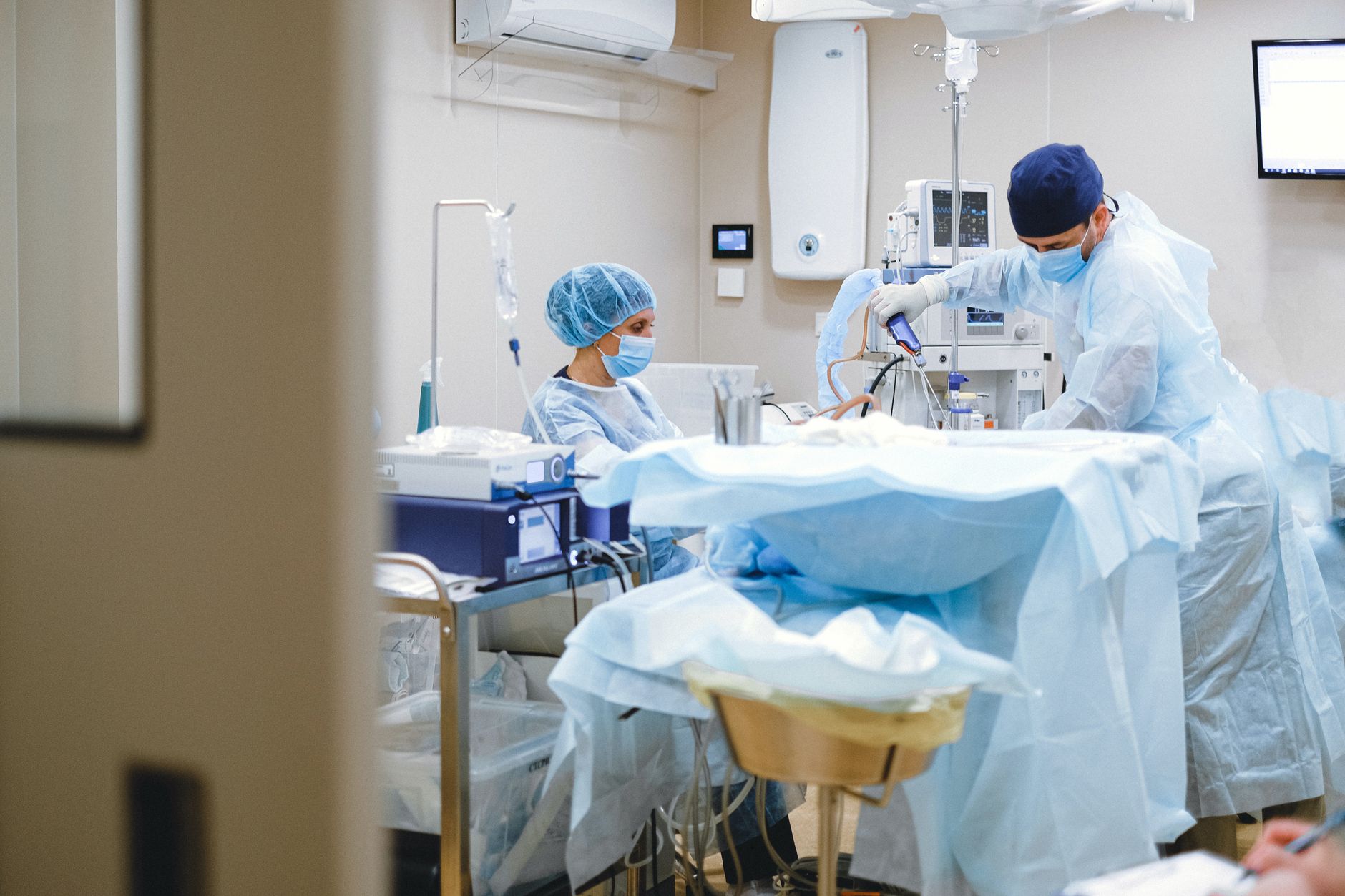
Türkiye's Growing Robotic Surgery Infrastructure
Hospitals across Istanbul, Ankara and Izmir have invested heavily in robotic platforms over the past decade, and newer milestones reflect the maturity of that investment. Training programs, proctoring arrangements with international experts and simulation-based learning have become standard parts of institutional development.
Several centers now run structured robotics fellowships, and anesthesia and nursing teams have developed dedicated protocols for robotic cases. This team-based approach is often overlooked by patients but is central to safe, efficient surgery.
The result is a concentration of expertise in major cities that attracts patients from Europe, the Middle East, Central Asia and beyond, particularly for urological and gynecological procedures where minimally invasive options are highly valued.

Milestones as Evidence of Team Experience
When a hospital announces its thousandth robotic procedure or a first-of-its-kind operation, the headline matters less than what it represents: repetition. Surgical skill is built through cumulative experience, and case-volume milestones are a proxy for the depth of that experience across the whole team.
Milestones also tend to coincide with quality infrastructure — regular outcome audits, complication reviews and standardized patient selection criteria. Hospitals that track their numbers closely are usually better positioned to advise patients honestly about risks and expected recovery.
For international patients, this translates into a more predictable treatment journey: clearer expectations before travel, structured pre-operative assessment and organized follow-up after returning home.
Ask about surgeon case volumes, complication rates and who will handle your follow-up after you fly home — these questions matter more than any single technology claim.
Questions Patients Should Ask Before Booking
Patients considering robotic surgery in Türkiye should request specific information. Useful questions include how many procedures of your exact type the surgeon performs each year, whether the hospital publishes outcome data, and what the plan is if the operation needs to be converted to open surgery.
It is equally important to confirm the qualifications of the full team, the language support available during consultations, and the details of post-operative follow-up once you return to your home country. Reputable hospitals and facilitators welcome these questions.
Patients should also be cautious about marketing that emphasizes technology over clinical judgment, and should ensure that any quoted price covers consultations, imaging, hospital stay and follow-up appointments.
The Road Ahead for Turkish Robotic Surgery
Looking ahead, Turkish hospitals are expected to expand robotic programs into more complex areas, including thoracic and selected cardiac procedures, while increasing the use of data registries to track long-term outcomes. Continued investment in training will be central to sustaining quality as volumes grow.
For medical travelers, Türkiye's appeal increasingly rests on a combination of experienced surgical teams, modern facilities and competitive costs — with robotic capability as one part of a broader clinical offering.
Patients who research carefully, ask detailed questions about surgeon experience and plan their follow-up in advance are best placed to benefit from these advances.
Thinking about treatment in Turkey?
Send us a question about this site or about the information published on it. This is a publisher's mailbox, not a medical service and not a route to a particular provider — for clinical questions, contact your own doctor.