
Why Türkiye Has Become a Global Reference for Scoliosis Correction
Türkiye has quietly built one of the world's most capable spine-surgery ecosystems. What began as a small cluster of academic centres in Istanbul and Ankara is now a national network of high-volume hospitals performing hundreds of complex deformity corrections every year — paediatric and adult alike. For families weighing an overseas operation, the numbers matter: infection rates, correction magnitudes, revision rates and lengths of stay are tracked, published and compared against international benchmarks.
The draw is not a single marquee surgeon but an infrastructure. Turkish deformity centres run dedicated scoliosis units, invest in navigation and robotic platforms, and staff operating rooms with anaesthetists who specialise in paediatric and complex adult spines. Add transparent pricing, short waiting lists and a culture of hospitality, and it becomes clear why patients from Europe, the Gulf, Central Asia and beyond arrive with imaging CDs and leave with straighter spines and structured recovery plans.
This guide explains how the leading centres combine navigation technology with multidisciplinary teams, why detailed imaging reviews happen before anyone books a flight, and how structured rehabilitation and family support turn a high-stakes operation into a managed, measurable journey.
Navigation Technology: Precision Where Millimetres Matter
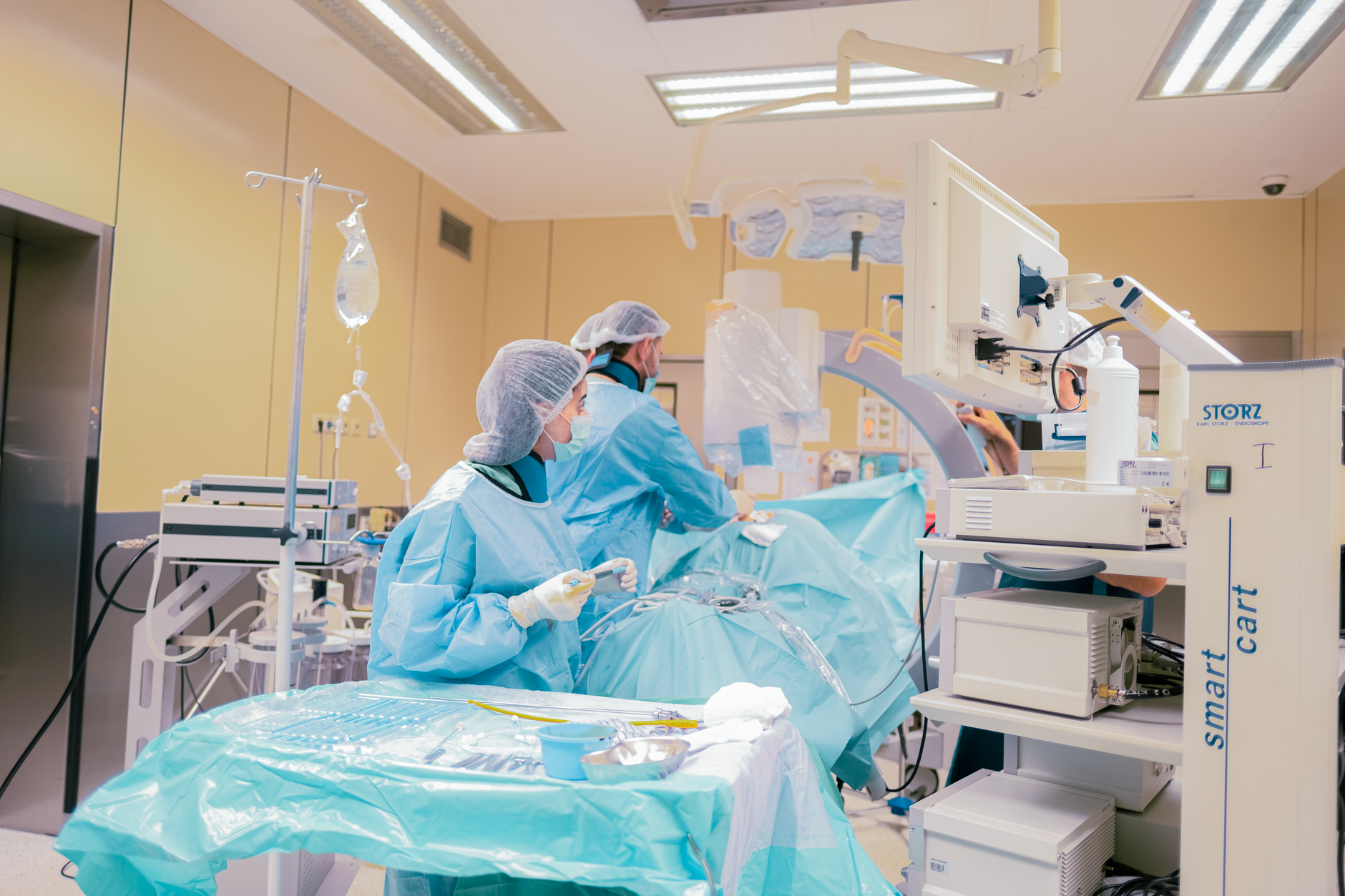
Scoliosis and complex deformity surgery is anatomy at its most unforgiving. The spinal cord, nerve roots, major vessels and — in paediatric cases — growth plates all sit within millimetres of pedicle screws and osteotomy cuts. Türkiye's top centres have embraced 3D navigation and robotic-assisted platforms precisely because they reduce the guesswork.
In a typical navigation-guided procedure, preoperative CT data is merged with intraoperative imaging, producing a live three-dimensional map of the deformed spine. Surgeons track instruments in real time, verifying screw trajectories and decompression depths before committing. Centres report fewer misplaced screws, lower rates of neurological complications and — crucially for complex cases — the confidence to attempt corrections that less-equipped facilities would decline.
Navigation also supports less invasive approaches. Where traditional open surgery might require long incisions and extensive muscle dissection, image-guided techniques allow smaller corridors, less blood loss and faster mobilisation. For adolescent idiopathic scoliosis, this can translate into shorter hospital stays and an earlier return to school; for adults with degenerative deformity, it can mean a gentler recovery and a lower risk of complications from prolonged anaesthesia.
Precision is not a marketing word in deformity surgery — it is a measured outcome. Navigation converts planning images into intraoperative reality, and Turkish centres track the difference case by case.
The Multidisciplinary Team Behind Every Correction
No single specialist corrects a scoliotic spine. Türkiye's leading centres assemble teams that read like a hospital department roster: orthopaedic spine surgeons and neurosurgeons, paediatric specialists, anaesthetists, neurologists monitoring spinal cord function, radiologists, physiotherapists, nutritionists and psychologists. For paediatric cases, a child-life specialist often joins the pre-operative meeting.
This team model matters most for complex deformity — neuromuscular scoliosis, congenital anomalies, post-tuberculosis kyphosis, revision cases and adult sagittal imbalance. These patients rarely have a single problem; they have connective-tissue conditions, cardiac issues, osteoporosis or prior failed surgeries. Multidisciplinary review catches what a single consultation misses, and it produces a shared plan rather than a series of isolated decisions.
The team also coordinates intraoperative neuromonitoring, blood-management protocols and postoperative pain pathways. Families consistently describe the difference as cultural as much as clinical: surgeons who sit down, radiologists who walk through imaging frame by frame, and nurses who explain every step in plain language.
Imaging Reviews Before You Board the Plane
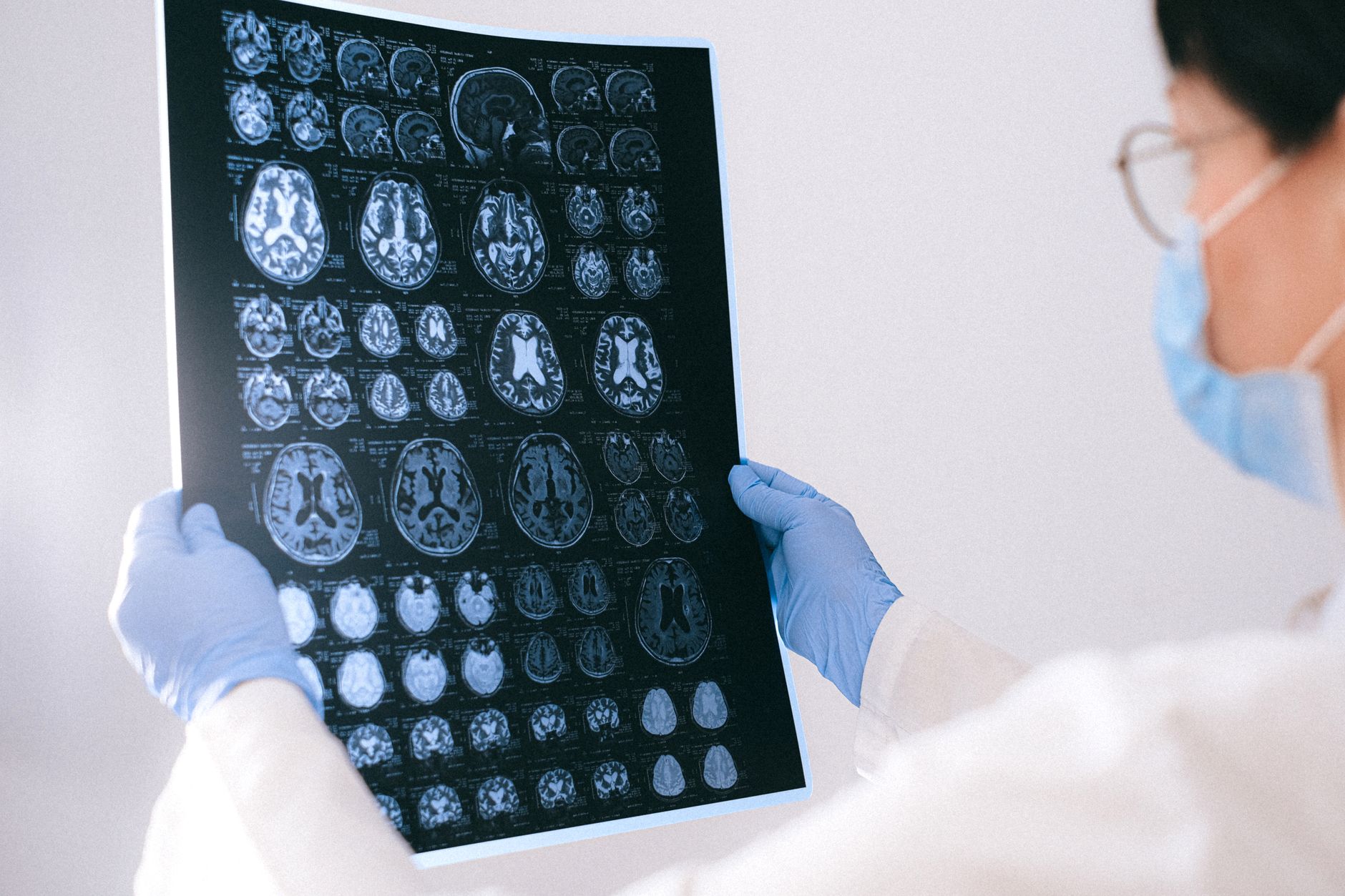
The most important part of a spine journey often happens before departure. Reputable Turkish centres offer structured remote imaging reviews: patients upload standing X-rays, MRI or CT scans and clinical history, and a deformity specialist responds within days with an assessment, a proposed surgical strategy and a realistic range of outcomes.
A proper review goes beyond eyeballing the Cobb angle. Teams analyse sagittal and coronal balance, pelvic parameters, flexibility films, bone quality and neurological status. They identify whether the case calls for fusion, growth-friendly instrumentation, vertebral body tethering or a hybrid approach — and they flag when a patient is better served at home or should wait for further growth.
This pre-flight process protects both sides. Patients avoid unnecessary travel and expense, surgeries are planned with the right implants in the room, and operating lists are scheduled around complexity rather than convenience. It also creates a documented baseline against which postoperative correction and rehabilitation progress can be measured.
- What to send: standing full-spine X-rays, recent MRI or CT, flexibility films where available, neurological assessments, medication list and prior surgical reports.
- What you should receive: a written assessment, a proposed procedure, expected correction, anaesthetic considerations, estimated length of stay and a rehabilitation outline.
- Red flags: vague promises of a cure, pressure to pay before review, no named surgeon, or refusal to discuss risks in writing.
Paediatric Versus Adult Expertise: Different Journeys, Same Rigour
Adolescent idiopathic scoliosis is the most common presentation, and Türkiye's paediatric deformity teams treat it with a philosophy that preserves growth and activity. When bracing and observation no longer control progression, options include posterior fusion, anterior vertebral body tethering for selected curves, and magnetically controlled growing rods for early-onset cases. Families are walked through the trade-offs — flexibility, revision risk, school disruption — with the same care given to the operation itself.
Adult deformity is a different problem with different stakes. Degenerative scoliosis, flatback syndrome and adjacent-segment disease often present with pain and nerve symptoms rather than visible curvature. Adult teams weigh surgery against conservative care, favouring decompression with limited fusion where possible and reserving major osteotomies for cases where sagittal balance is genuinely disabling. Smoking cessation, bone-density optimisation and prehabilitation are part of the package, because adult outcomes are shaped as much by preparation as by technique.
Both pathways share a commitment to neuromonitoring, blood conservation and early mobilisation — the unglamorous details that distinguish high-volume centres from occasional operators.
Structured Rehabilitation: The Step That Protects Your Correction
The operation corrects the curve; rehabilitation makes the correction liveable. Türkiye's centres build rehabilitation into the treatment plan from the first consultation, so patients know exactly what they will do on day one, week two and month three after surgery.
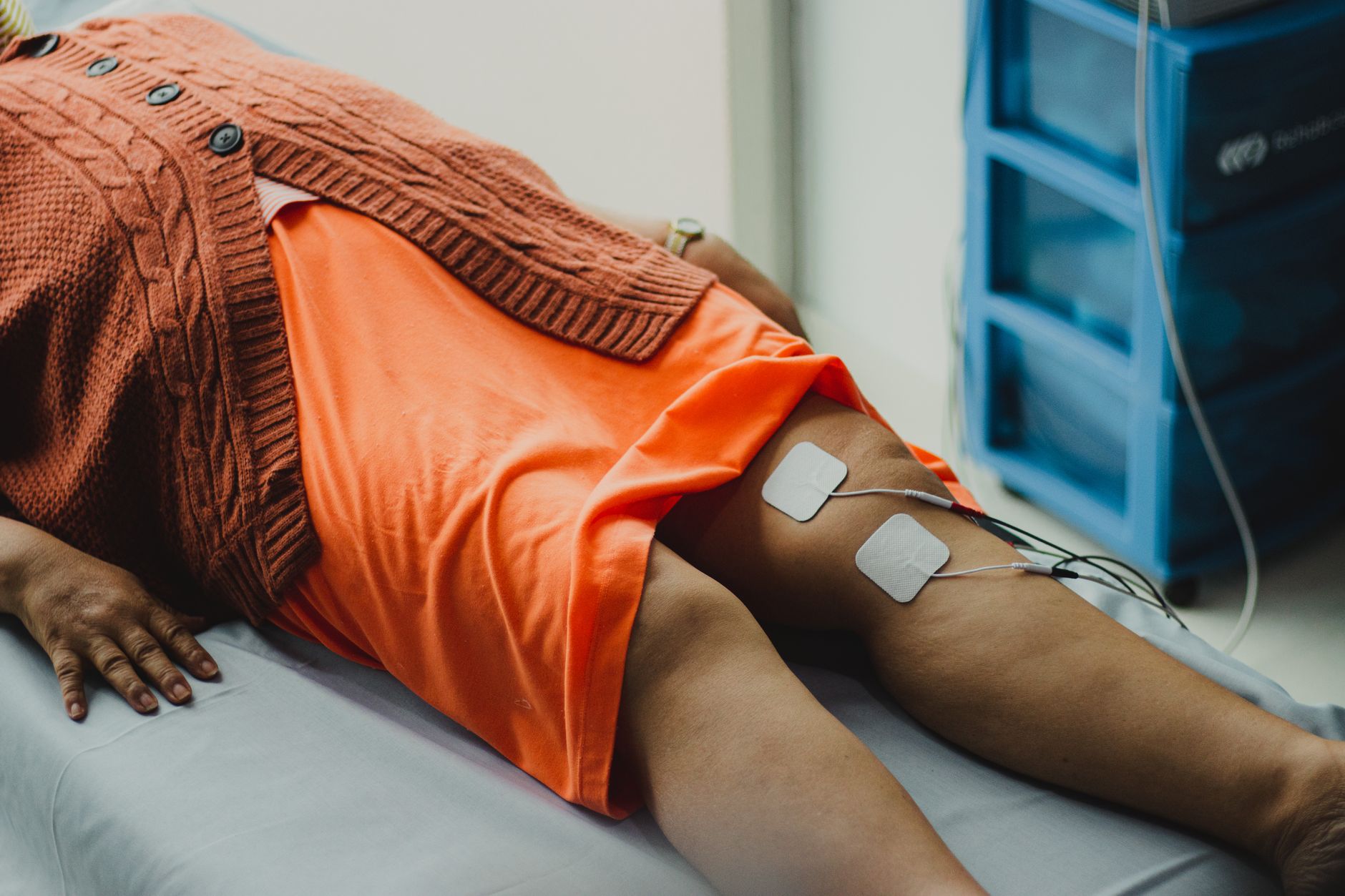
Inpatient rehabilitation typically begins within 24–48 hours of surgery. Physiotherapists guide safe transfers, walking, breathing exercises and gentle spinal-extension work. Before discharge, patients and families receive a written programme covering mobility milestones, wound care, sitting and lifting restrictions, and when to resume school, work or driving. For international patients, this plan is delivered in their language and backed by video demonstrations and scheduled telehealth check-ins.
Outpatient and home-based rehabilitation continues for weeks. Centres coordinate with physiotherapists in the patient's home country, providing protocols so that local therapists can follow the same progression. This continuity is a major reason Turkish centres report strong functional outcomes alongside radiographic correction: patients are not sent home with a DVD and best wishes, but with a supervised, measurable plan.
- Pre-operative prehabilitation: breathing exercises, core activation and smoking cessation.
- In-hospital mobilisation: early walking, safe transfer training and pain management.
- Weeks 1–6: protected movement, gentle strengthening and wound monitoring.
- Months 2–6: progressive core stability, posture retraining and return to routine activity.
- Month 6 onward: sport-specific or work-specific conditioning, with imaging follow-up.
Compassionate Support for Families Far From Home
Scoliosis affects whole families, and Turkish hospitals treat it that way. Many centres provide international patient departments with Arabic, English, Russian, German and French support, airport transfers, accommodation guidance and a single point of contact from first enquiry to final review. Parents stay in the room with their children; siblings are welcomed; prayer rooms and halal and international catering are standard rather than special requests.
The psychological dimension receives real attention. Pre-operative counselling, child-life preparation, peer stories from former patients and post-operative check-ins help reduce the anxiety that surrounds spinal surgery. Families often describe the atmosphere as calm and unhurried — consultants who answer questions twice, nurses who notice when a mother has not slept, and coordinators who check in after discharge.
Istanbul itself helps. Recovery walks along the Bosphorus, weekend visits to parks and museums, and the rhythm of a city where hospitality is instinctive turn weeks of treatment into something closer to a shared family experience — one where the clinical outcome remains the priority, but kindness is part of the protocol.
Planning Your Journey: A Practical Timeline
Start with imaging. Gather standing full-spine films and any MRI or CT within the last twelve months, and request remote reviews from two or three centres. Compare not only prices but also named surgeons, navigation availability, multidisciplinary input and rehabilitation plans. Ask for outcomes data in writing.
Once accepted, expect a planning window of four to eight weeks. Secure a visa (Turkish medical visas are typically processed quickly with hospital invitation letters), book flights and accommodation, and arrange travel insurance that covers pre-existing spinal conditions. Most patients spend two to four weeks in Türkiye, including surgery, inpatient rehabilitation and a pre-discharge assessment.
After returning home, keep the follow-up schedule: imaging at defined intervals, physiotherapy as prescribed, and telehealth reviews with your Turkish team. Share the rehabilitation protocol with your local therapist. With navigation-guided precision, multidisciplinary planning and structured aftercare, Türkiye's spine centres offer more than a straighter spine — they offer a supported, measurable path back to an active life.
Thinking about treatment in Turkey?
Send us a question about this site or about the information published on it. This is a publisher's mailbox, not a medical service and not a route to a particular provider — for clinical questions, contact your own doctor.