

Why Türkiye Leads in Endocrine Surgery
Türkiye has emerged as a global hub for advanced medical care, particularly in endocrine surgery. With a high volume of thyroid and parathyroid procedures performed annually, Turkish surgeons have developed unparalleled expertise in both traditional and innovative techniques. This volume translates directly into better outcomes: studies show that surgeons who perform more than 100 thyroidectomies per year have significantly lower complication rates, especially for recurrent laryngeal nerve injury and hypoparathyroidism.
Istanbul, Ankara, and Izmir are home to internationally accredited hospitals that attract patients from Europe, the Middle East, and beyond. These centers invest in state-of-the-art technology, including intraoperative nerve monitoring (IONM) and minimally invasive surgical tools, ensuring that every patient receives the highest standard of care.
Moreover, Türkiye's medical tourism infrastructure is mature, offering seamless coordination between international patient departments, surgeons, and aftercare teams. This makes the entire journey—from initial consultation to post-operative follow-up—stress-free and efficient.
Understanding Thyroid and Parathyroid Conditions
The thyroid gland regulates metabolism, while the parathyroid glands control calcium balance. When these glands malfunction, they can cause a range of symptoms: fatigue, weight changes, palpitations, bone pain, kidney stones, and more. Common conditions requiring surgery include thyroid nodules suspicious for cancer, goiter, hyperthyroidism, and primary hyperparathyroidism.
In Türkiye, diagnosis begins with a comprehensive evaluation: blood tests, ultrasound, and often fine-needle aspiration biopsy. Surgeons work closely with endocrinologists and radiologists to determine the most appropriate treatment plan. For parathyroid disease, advanced imaging such as sestamibi scans and 4D CT helps localize the affected gland, enabling targeted surgery.
Patient education is a priority. Turkish surgeons take time to explain the condition, surgical options, and expected outcomes, ensuring that international patients feel informed and confident in their decision.
Advanced Techniques: Nerve Monitoring and Hidden Incisions
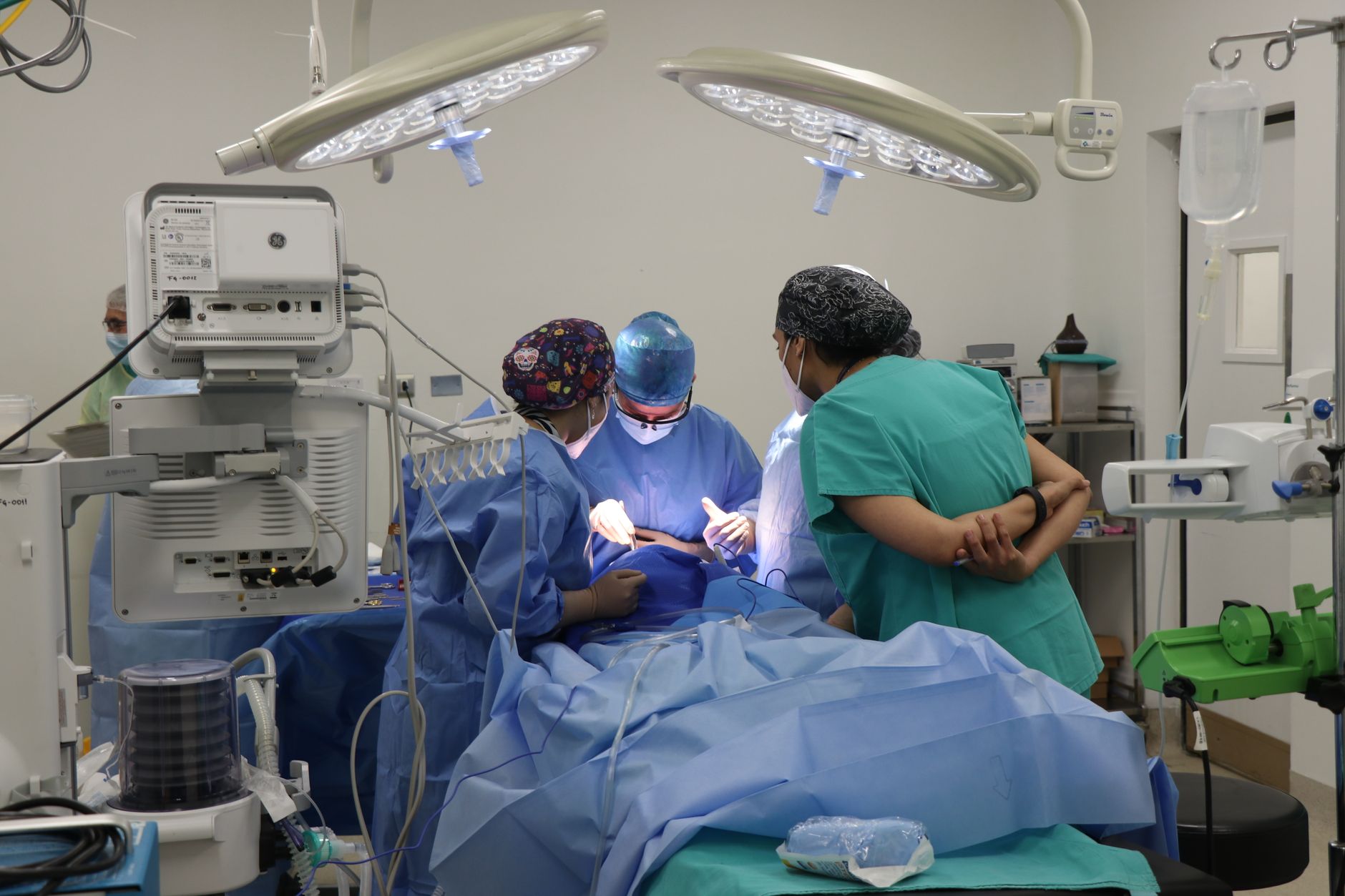
One of the key pillars of Türkiye's success in endocrine surgery is the routine use of intraoperative nerve monitoring (IONM). This technology helps identify and preserve the recurrent laryngeal nerves, which control vocal cord function. By continuously monitoring nerve signals during surgery, surgeons can avoid injury, reducing the risk of voice changes—a common concern for thyroid patients.
Equally important is the aesthetic outcome. Turkish surgeons are pioneers in scar-conscious techniques, including minimally invasive video-assisted thyroidectomy (MIVAT) and remote-access approaches such as transoral thyroidectomy (TOETVA). In TOETVA, the incision is hidden inside the mouth, leaving no visible scar on the neck. Other techniques place incisions in the armpit, behind the ear, or in the hairline, catering to patient preferences and anatomical considerations.
For parathyroid surgery, focused parathyroidectomy with intraoperative parathyroid hormone (PTH) monitoring allows surgeons to confirm cure immediately. This minimally invasive approach often requires only a small incision and can be performed under local anesthesia in select cases.
These advanced methods are not limited to a few elite centers; they are widely available across Türkiye's major hospitals, thanks to the country's commitment to continuous training and technology adoption.
The Patient Journey: From Diagnostics to Discharge
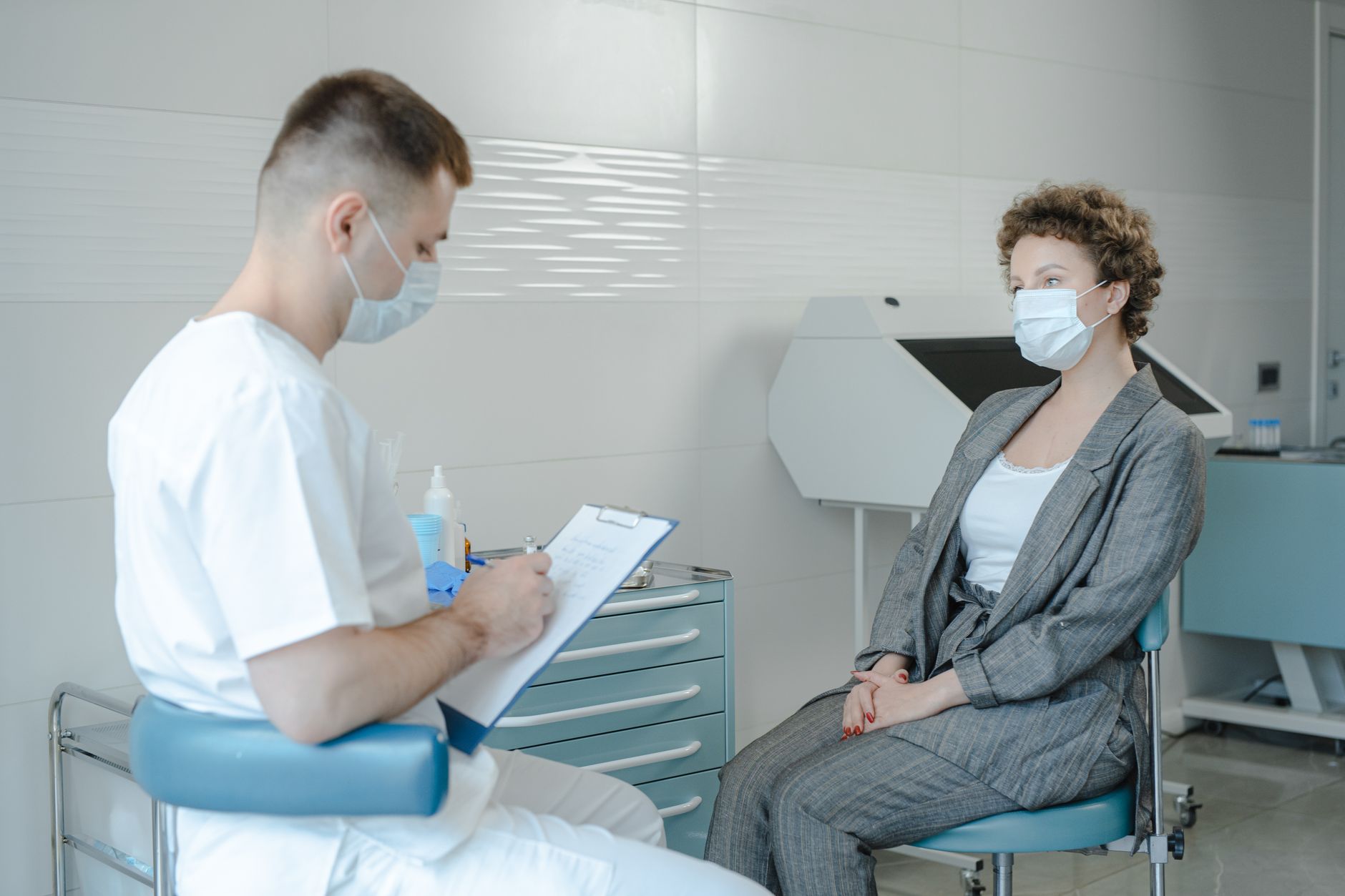
For international patients, the journey typically begins with a remote consultation. You'll submit your medical records, and a Turkish surgeon will review them, often within 24-48 hours. A personalized treatment plan and cost estimate are provided, along with logistical support for travel and accommodation.
Upon arrival in Türkiye, you'll undergo pre-operative assessments, including blood tests, imaging, and a meeting with your anesthesiologist. The surgery itself is usually scheduled within 1-2 days of arrival. Most thyroid and parathyroid surgeries take 1-2 hours and are performed under general anesthesia.
Post-operatively, you'll be monitored in a recovery room before being transferred to a private room. Thanks to minimally invasive techniques, many patients experience minimal pain and can eat and walk within hours. Hospital stays are typically 1-2 nights, and same-week discharge is common.
Before discharge, you'll receive detailed aftercare instructions, including medication guidelines, activity restrictions, and follow-up plans. Your surgeon will also schedule a telemedicine check-up for after you return home.

Why High Surgical Volumes Matter for International Patients
Türkiye's high surgical volumes are a testament to its expertise. Turkish surgeons perform thousands of thyroid and parathyroid operations each year, far exceeding the numbers in many Western countries. This translates into refined skills, faster recovery times, and fewer complications.
High-volume centers also contribute to research and innovation. Many Turkish surgeons are actively involved in clinical trials and international collaborations, ensuring that patients benefit from the latest evidence-based practices.
For international patients, this means peace of mind: you're in the hands of a team that has seen virtually every variation of endocrine disease and knows exactly how to handle it.
Combining Safety with Aesthetics: What to Expect
Safety is non-negotiable in Turkish endocrine surgery. Hospitals adhere to stringent international protocols, and surgeons use meticulous techniques to protect nerves and parathyroid glands. The use of IONM and PTH monitoring further enhances safety margins.
Aesthetically, the results are impressive. Hidden-incision techniques leave virtually no visible scarring, which is particularly important for young patients and those concerned about their appearance. Even traditional open surgery in Türkiye is performed with fine instruments and careful closure to minimize scarring.
Patient testimonials often highlight not only the successful outcomes but also the compassionate care received. Turkish medical staff are known for their warmth and hospitality, making the experience feel less like a hospital visit and more like a healing retreat.
Planning Your Medical Journey to Türkiye
If you're considering thyroid or parathyroid surgery in Türkiye, start by researching accredited hospitals and surgeons. Look for certifications from organizations like the Joint Commission International (JCI) and check patient reviews. Many hospitals have dedicated international patient departments that can guide you through the process.
Consider the timing of your trip: most patients spend about a week in Türkiye, including pre-operative tests, surgery, and recovery. It's wise to arrive a couple of days early to adjust to the time zone and complete any additional tests.
Don't forget to explore Istanbul's rich history and culture during your recovery. A gentle stroll through Sultanahmet or a relaxing Bosphorus cruise can be a wonderful way to unwind after surgery.
With its combination of expert surgeons, advanced technology, and patient-centered care, Türkiye stands out as a top destination for endocrine surgery. Your health and confidence are in excellent hands.
Thinking about treatment in Turkey?
Share your contact details and a verified doctor will follow up with a plan built around you — free, no obligation.