

Why Türkiye Has Become a Knee Replacement Destination
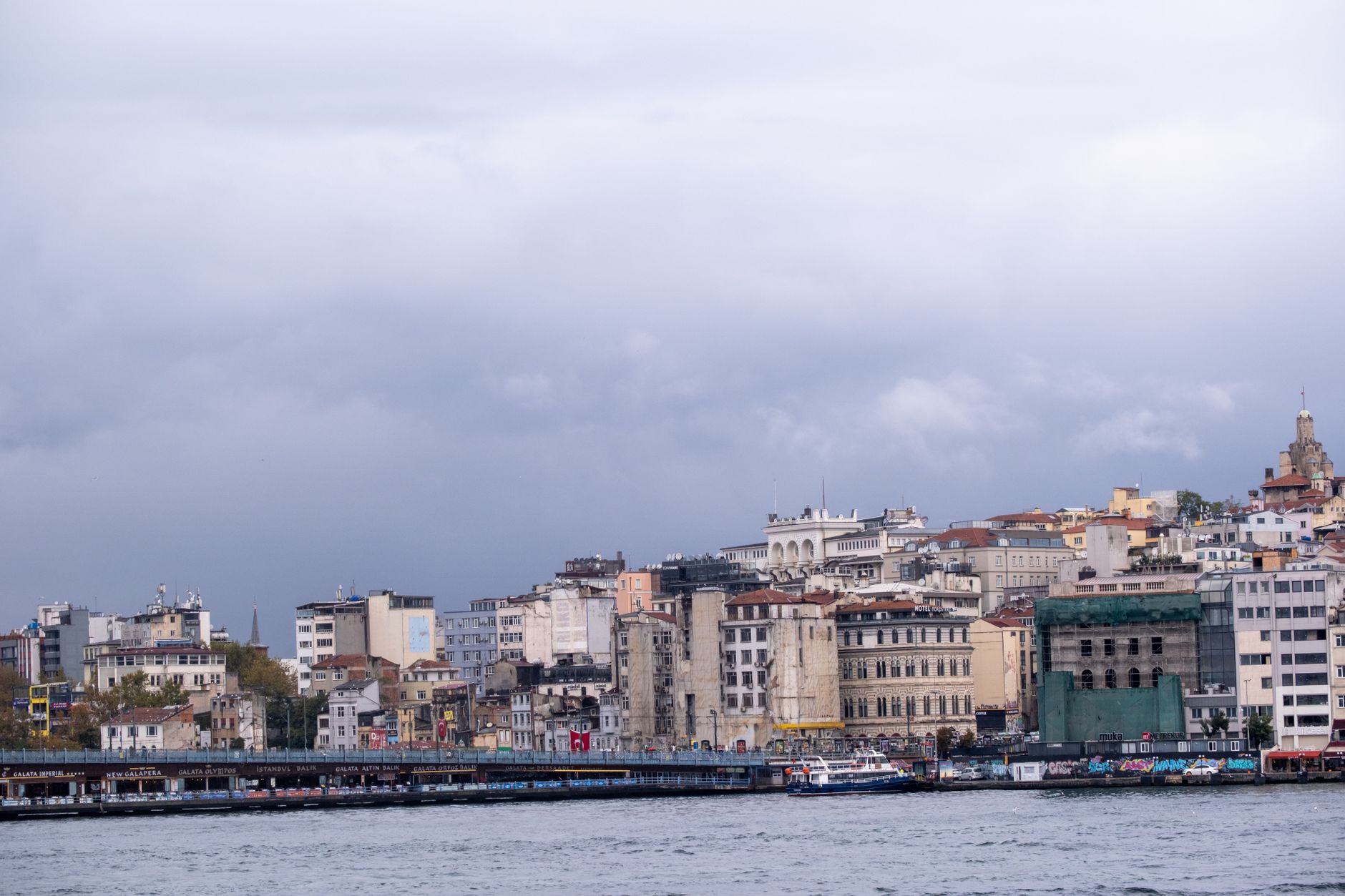
Türkiye has quietly become one of the world's most trusted destinations for orthopaedic surgery, and total knee replacement sits right at the heart of that reputation. Cities such as Istanbul, Ankara and Izmir host high-volume orthopaedic centres where surgeons perform hundreds of joint replacements each year, supported by modern operating theatres, advanced imaging suites and dedicated rehabilitation units.
What makes the Turkish model genuinely different is the combination of clinical depth and patient-friendly logistics. International patients can often be evaluated, operated on and begin rehabilitation within a single well-organised trip, with English-speaking coordinators guiding every step. Instead of waiting months for a consultation at home, you can send your X-rays and MRI scans ahead of travel and receive a surgical opinion before you even book a flight.
Just as importantly, many centres publish transparent package pricing that bundles surgery, implants, hospital stay, medication and initial physiotherapy into one clear figure. For patients comparing options across borders, that clarity removes one of the biggest sources of anxiety in the entire joint replacement journey.
The Materials Behind a Modern Knee Implant
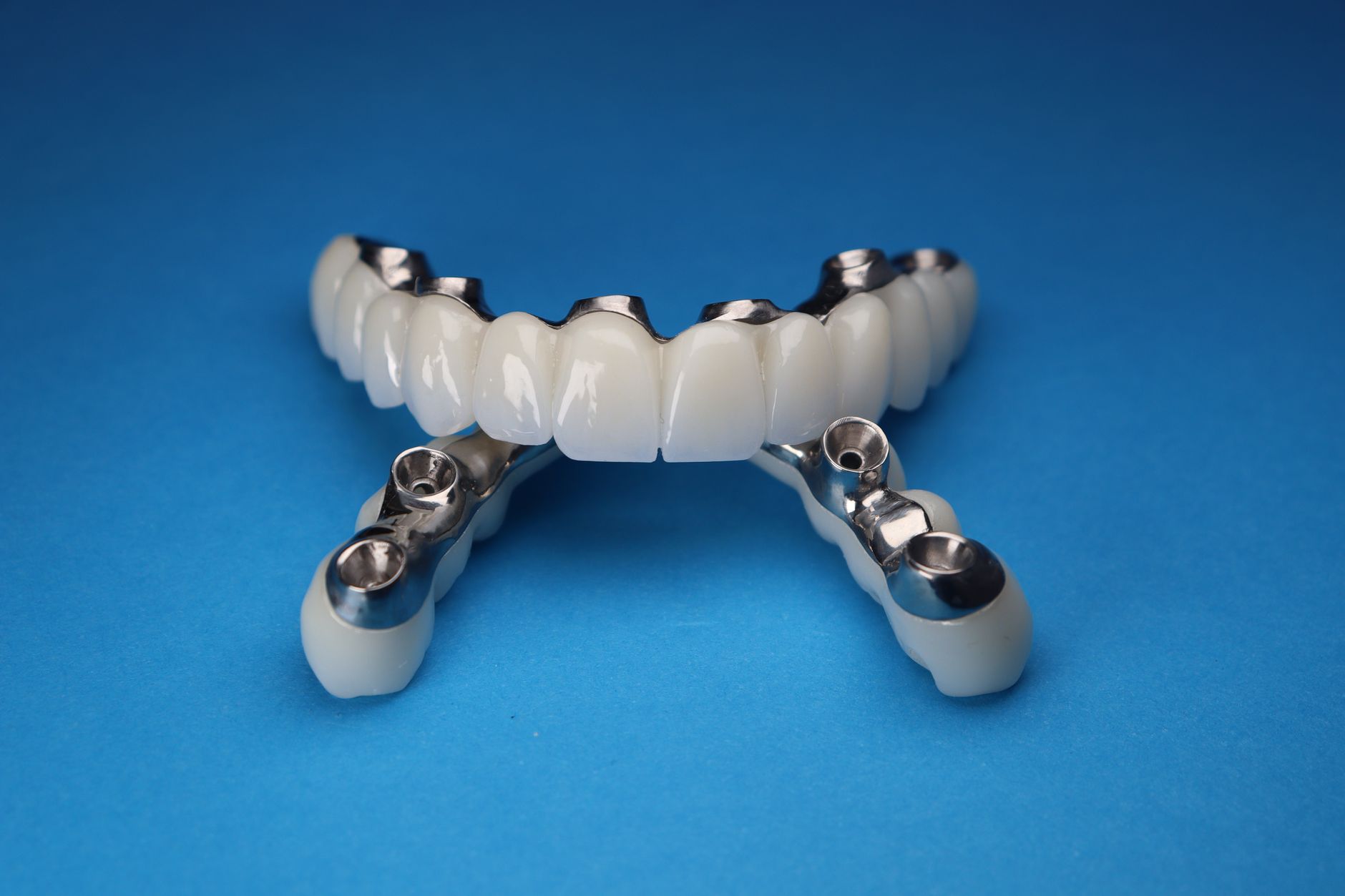
A total knee replacement is only as good as the implant inside it, and Turkish orthopaedic centres generally work with the same premium international manufacturers you would encounter in Western Europe or North America. Most modern knee systems combine a cobalt-chromium alloy femoral component, a titanium tibial tray and a highly cross-linked polyethylene bearing surface that separates the metal parts and allows smooth, low-friction movement.
Highly cross-linked polyethylene has been one of the most important material advances in joint replacement. Its improved wear resistance means the plastic bearing lasts longer under daily loading, which matters enormously for active patients in their fifties and sixties who want to hike, cycle or simply keep up with grandchildren. Some centres also offer oxidised zirconium or ceramic-coated femoral components for patients with known metal sensitivity.
Implant fixation has evolved too. Cemented fixation remains the reliable gold standard for most patients, particularly those with weaker bone quality, while cementless press-fit components encourage the bone to grow directly into a porous surface and are increasingly used in younger, more active candidates. Surgeons also choose between cruciate-retaining, posterior-stabilised and medial-pivot designs depending on your ligament balance, deformity and lifestyle.
Minimally Invasive Techniques and Surgical Precision
Approach matters as much as hardware. Many Turkish orthopaedic surgeons are experienced in minimally invasive and quadriceps-sparing techniques that use shorter incisions and disturb less of the surrounding muscle and tendon. The result is often less post-operative pain, reduced blood loss and a faster return to standing, which directly supports early mobilisation.
Computer-assisted navigation and patient-specific instrumentation have also become routine in leading centres. These tools help the surgeon fine-tune implant alignment and ligament tension to within very tight tolerances, which is critical for a knee that feels natural rather than stiff or unstable. Robotic-arm-assisted systems are available in selected hospitals, offering haptic feedback that helps protect soft tissues while positioning the implant.
Technique is deeply personal, though. A good surgeon will match the approach and implant combination to your anatomy, bone quality, body weight and goals rather than applying one method to every patient. During your pre-travel consultation, ask specifically which technique is planned for you and why.
The Rapid-Recovery Physiotherapy Pathway
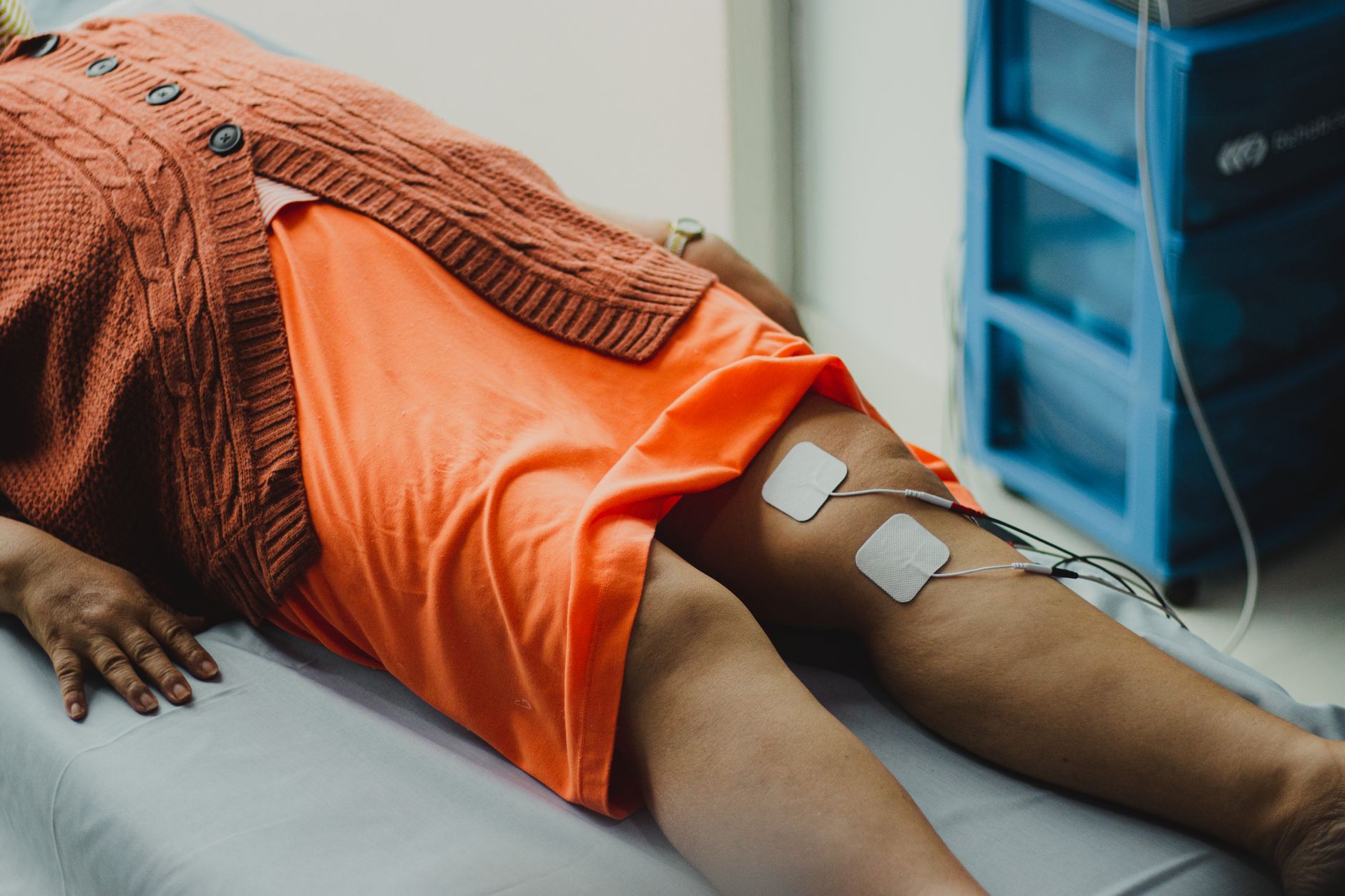
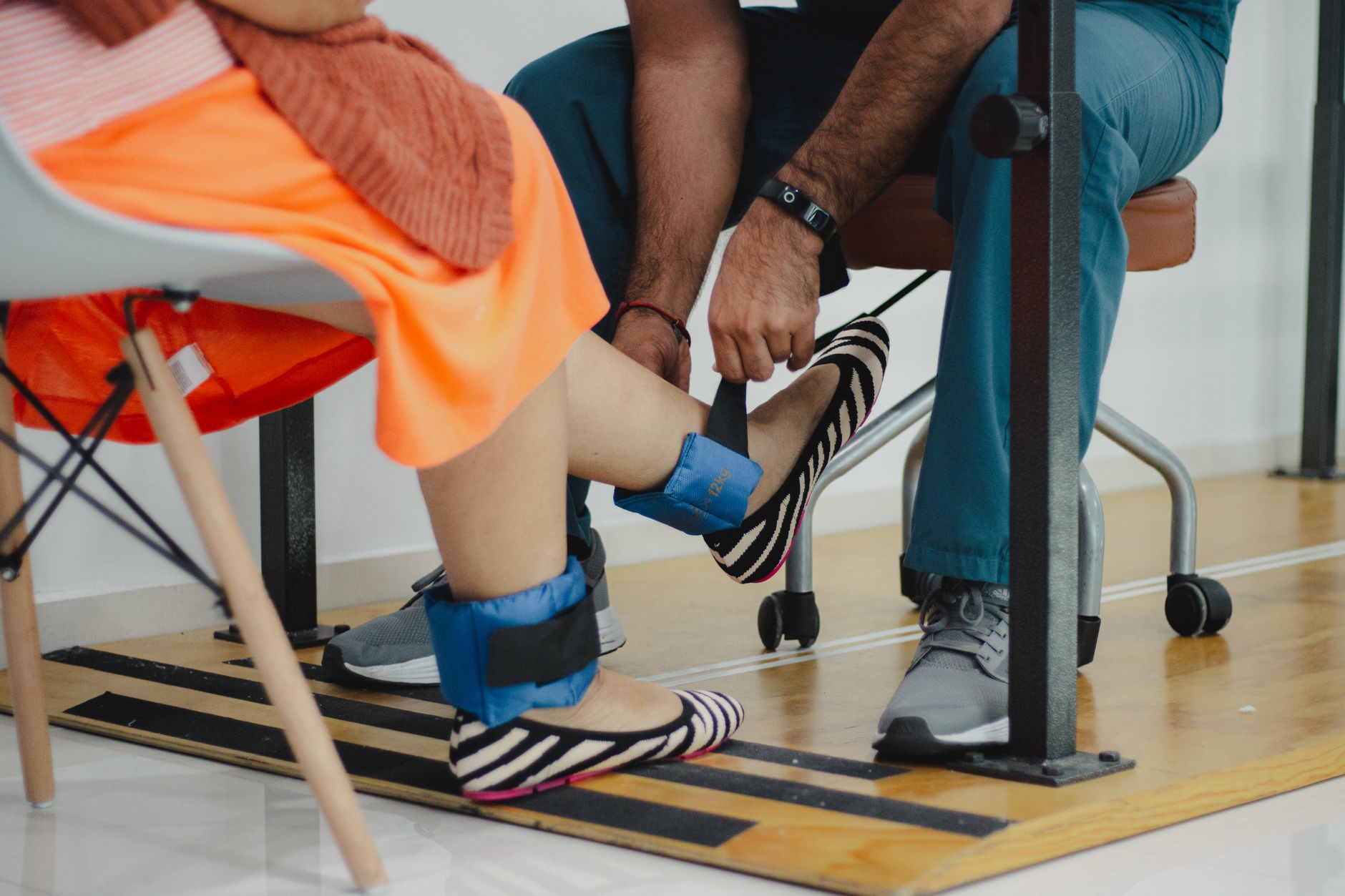
Recovery from knee replacement is a team sport, and modern Turkish centres treat physiotherapy as a core part of the package rather than an afterthought. Most programmes begin within hours of surgery, with seated exercises, ankle pumps and assisted standing on the same day. Early movement reduces swelling, protects against clots and gives patients psychological momentum.
Expect a structured milestone pathway. In the first two weeks, the focus is on gentle range of motion, walking with support and mastering basic transfers. Between weeks two and six, patients typically work toward a knee bend of around 90 to 110 degrees, walk without crutches on level ground and climb stairs with confidence. From six to twelve weeks, strengthening and balance work take over, and many patients begin low-impact cycling or swimming.
Dedicated rehabilitation support is where Turkish clinics often shine for international visitors. You may receive in-hospital sessions with a physiotherapist, a written home programme, video-guided exercises and follow-up video calls after you return home. Ask whether your package includes a set number of outpatient sessions and whether remote check-ins are part of the service.
Transparent Pricing, Pre-Travel Reviews and Practical Logistics
Transparent package pricing is a major reason patients choose Türkiye. A typical all-inclusive offer covers surgeon and anaesthesia fees, the implant itself, hospital accommodation, laboratory tests, medications, initial physiotherapy and airport transfers. Ask for a written breakdown and confirm which items sit outside the package, such as extended hotel stays or additional rehab sessions.
Pre-travel imaging review is the other pillar of a smooth experience. Send recent weight-bearing X-rays and any MRI or CT scans through your coordinator so the surgeon can assess deformity, joint space and bone quality before confirming candidacy. This screening protects you from arriving for a procedure that may not be appropriate and allows the team to order the correct implant in advance.
Practically, most patients arrive a few days before surgery for final assessments, spend two to four nights in hospital and stay in a nearby hotel for around ten to fourteen days before flying home. Compression stockings and short walks during the flight are sensible. Travel insurance that explicitly covers planned orthopaedic surgery is strongly recommended.
Getting Back to Walking and Daily Life
The most reassuring news for anyone facing knee replacement is how quickly daily life returns. Most patients walk short distances with support within a day or two, manage stairs within the first week or two and return to driving, gentle shopping trips and household routines within six to eight weeks, depending on which knee was operated on and their individual recovery.
Long-term outcomes are excellent when rehabilitation is consistent. Commit to your exercises daily, even on days when the knee feels stiff, and keep swelling in check with elevation and ice. Speak with your surgeon about any redness, fever or sudden increase in pain, and keep your follow-up video appointments.
Above all, stay upbeat. Thousands of international patients leave Türkiye each year with a new knee and a renewed stride. With premium implants, refined minimally invasive techniques and a structured physiotherapy pathway, your return to walking, travelling and enjoying everyday life is not just possible — it is the plan.
Thinking about treatment in Turkey?
Send us a question about this site or about the information published on it. This is a publisher's mailbox, not a medical service and not a route to a particular provider — for clinical questions, contact your own doctor.