

Why Türkiye's Pre-Consultation Culture Is a Genuine Advantage
If you have researched medical travel before, you may have noticed something distinctive about Turkish clinics: they often ask for your records before they will quote a price, confirm a surgeon, or block out an operating room. For first-time patients this can feel like a lot of homework. In practice, it is one of the strongest things about the Turkish medical-tourism model.
Experienced international patient departments in Istanbul, Ankara and Izmir routinely assign a coordinator who reviews your imaging, lab results and prior reports in advance. That review is not a formality. It shapes the treatment plan, flags anything that needs repeating or updating, and lets the clinical team tell you honestly whether you are a suitable candidate before you spend money on flights and hotels.
Correspondence-based pre-consultation also makes your actual treatment days calmer. When the surgeon has already studied your MRI and your cardiologist has already cleared you, the in-person visit can focus on confirmation and care rather than collecting documents under time pressure. Think of it as moving the paperwork to the quiet weeks before travel, so the busy days after arrival stay focused on you.
This article walks through exactly what to send, how to send it, and how Turkish international patient teams handle the translation and format differences that worry so many travelers.
What Turkish Clinics Actually Want to See — and Why
Turkish clinics generally request three categories of information: clinical reports that explain your diagnosis and history, imaging that lets the surgeon or specialist see the anatomy themselves, and current labs that confirm you are fit for treatment. Each serves a different purpose, and sending only one category often slows the process down.
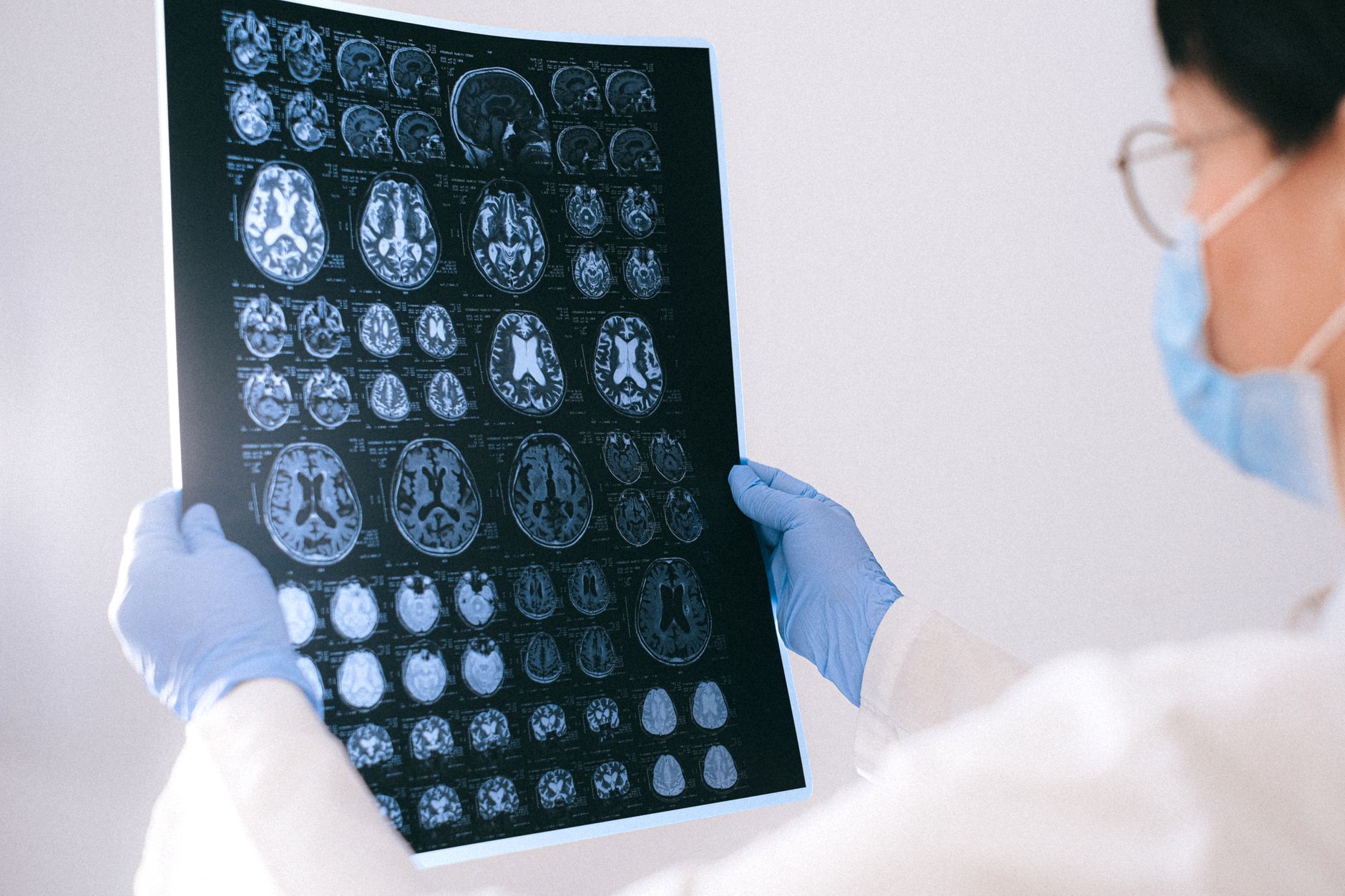
Reports give the narrative. A good consultation letter, operative note or specialist summary tells the team what has been tried, what failed, and what your current symptoms are. Imaging gives the raw visual evidence so the treating physician can form an independent opinion rather than relying on someone else's interpretation. Labs confirm that your blood counts, kidney function or infection markers are current enough to proceed safely.
Turkish teams are also pragmatic about timelines. Imaging older than about six to twelve months, or labs older than a few weeks, may need refreshing depending on the procedure. Do not be surprised if the coordinator asks for a repeat ultrasound or a new blood panel — that is a sign of careful planning, not bureaucracy.
Finally, be upfront about sensitivities: allergies, implants, blood thinners, past anesthesia problems and pregnancy status. These details are exactly the kind of thing that should surface in a pre-consultation email rather than on the day of surgery.
"The best medical-travel conversations happen before anyone boards a plane. When the records are clear, the treatment plan is clear — and both the patient and the clinical team arrive already on the same page."
Your Friendly Checklist: What to Send Before You Travel
Use this as a packing list for your medical history. You do not need every item for every procedure, but sending more context usually saves a round of questions later.
- Recent specialist reports and consultation letters — diagnosis, history, prior treatments and current medication rationale.
- Operative and procedure notes — especially for any previous surgery related to the body area being treated.
- Imaging files, not just prints — MRI, CT, X-ray, ultrasound or PET in DICOM format on a disc, USB drive or secure cloud link, plus the radiologist's written report.
- Laboratory results — complete blood count, biochemistry, coagulation, infection markers, and anything condition-specific such as thyroid or hormone panels.
- A current medication list — generic drug names, doses, and frequency, including supplements and anything bought over the counter.
- Allergy and implant documentation — allergy list, device cards, stent details, pacemaker information.
- Vaccination and chronic-condition summaries — useful if you have diabetes, asthma, cardiac history or autoimmune conditions.
- A short personal summary — a few paragraphs in your own words about your symptoms, goals and questions.
Label every file clearly with your full name, the date and the type of document, for example Smith_Jane_MRI_lumbar_2026-08.pdf. Coordinators handle hundreds of files a week; clear naming gets your case reviewed faster.
Send files through the secure channel the clinic provides — a patient portal, encrypted email or a recognized file-transfer service. Avoid posting medical images to public social media or messaging groups, and be cautious about sharing records with intermediaries who cannot confirm a clinical affiliation.

How Turkish International Patient Teams Handle Translation and Format Differences
One of the most reassuring things about Türkiye's medical-tourism infrastructure is how routine translation has become. Large international patient departments typically employ or contract medical interpreters who convert reports from English, Arabic, Russian, German, French and other languages into Turkish for the clinical file — and back again for your consent forms and discharge instructions.
Format differences are equally familiar territory. Turkish hospitals are used to seeing American insurance-style reports, European e-health printouts, Gulf-region hospital summaries and hand-written clinic notes from smaller facilities. They routinely reconcile different units — milligrams per deciliter versus millimoles per liter, pounds versus kilograms, Fahrenheit versus Celsius — and they will flag anything ambiguous rather than guess.
Imaging formats are standardized internationally through DICOM, which means a CD or USB from a hospital in London, Riyadh or São Paulo will usually open on a Turkish radiology workstation without drama. If your imaging was provided only as JPEG photos of a screen or printed film, ask your imaging center for the original DICOM files — it makes a real difference to surgical planning.
If your records are in a language the clinic does not routinely handle, say so early. Reputable teams will either arrange a certified medical translation or tell you what they need. Never rely on a general-purpose translation app for clinical documents; a mistranslated dosage or diagnosis is exactly the kind of error pre-consultation is designed to catch.
Building a Record Set That Travels Well
A well-organized record set is more than a folder of PDFs. Aim for a single, coherent story that a clinician can follow in ten minutes. Start with a one-page cover sheet listing your name, date of birth, contact details, the treatment you are exploring, and an index of the enclosed documents.
Then order the documents chronologically or by category: summary first, then imaging reports, then the images themselves, then labs, then medication and allergy lists. If you have had the same scan repeated over time, include the earlier and later versions so the team can see change over time.
Keep file sizes manageable. Very large DICOM sets can be split by body area or compressed into a single archive, and clinics will often accept a secure cloud link rather than an attachment. If you are sending physical media, label it and keep a backup copy at home.
Finally, keep a digital copy accessible during travel. A tablet or phone with your key reports and a photograph of your medication list is a simple safety net if luggage goes missing or you need to answer a question at a pharmacy.
Common Pitfalls — and How to Avoid Them
The most common mistake is sending only the radiologist's report and not the images. Reports summarize; images inform surgical decisions. Another frequent issue is outdated labs being used to plan a procedure weeks later, which is why clinics ask for fresh bloodwork close to the treatment date.
Patients also sometimes withhold information out of embarrassment — about smoking, weight, previous cosmetic procedures or mental-health medication. In a pre-consultation relationship, honesty is practical: these factors affect anesthesia risk, healing and drug interactions, and the clinical team needs them to keep you safe.
Watch out, too, for incomplete medication lists. Include the generic name, the dose, how often you take it, and why. If you use blood thinners, insulin or thyroid medication, highlight these clearly. And if you are traveling with a companion who manages your care, include their contact details and note any communication preferences.
Last but not least, ask questions in your pre-consultation emails. Turkish coordinators are accustomed to explaining procedures, recovery timelines and what happens on arrival. A clear question now is worth ten rushed conversations later.
Arriving Prepared: From Email to Treatment Day
When your records have been reviewed in advance, arrival day feels different. Instead of hunting for paperwork, you confirm details, meet your surgeon with a shared understanding of the plan, and move into pre-operative checks that are genuinely about you rather than about missing documents.
Türkiye's correspondence-based pre-consultation culture is not a marketing flourish. It reflects a healthcare system that has built serious international patient infrastructure — coordinators, interpreters, secure transfer systems and clinicians accustomed to reading records from around the world. Use that infrastructure. Send your history early, send it clearly, and let the translation and formatting work happen while you are still at home.
Do the preparation, ask your questions, and travel with confidence: the more your records travel well, the more smoothly your treatment days will run.
Thinking about treatment in Turkey?
Send us a question about this site or about the information published on it. This is a publisher's mailbox, not a medical service and not a route to a particular provider — for clinical questions, contact your own doctor.