

Why Bringing a Companion to Türkiye Makes a World of Difference
Undergoing medical treatment abroad is a big decision, and having a trusted companion by your side can turn a daunting journey into a reassuring experience. In Türkiye, healthcare providers understand this deeply. Turkish clinics are known for their warm, patient-centred culture, where companions are not just tolerated but genuinely welcomed as part of the care team. From the moment you arrive, you'll find that clinics encourage your companion to attend consultations, ask questions, and be involved in aftercare education. This inclusive approach helps reduce anxiety and ensures that both you and your loved one feel confident about the treatment plan.
Companions play a vital role in recovery: they offer emotional support, help with practical tasks like managing medications and appointments, and serve as a second set of ears during medical discussions. Turkish medical staff often include companions in discharge planning and recovery instructions, recognising that a well-informed companion can make the post-treatment period smoother. Whether you're travelling for cosmetic surgery, dental work, IVF, or another procedure, having someone you trust nearby can significantly enhance your overall experience.
Moreover, Türkiye's hospitality extends beyond the clinic walls. The country's renowned warmth means you'll encounter helpful locals, comfortable accommodations, and a supportive environment that makes recovery easier. In this guide, we'll walk you through the practicalities of travelling with a companion—from accommodation and meals to hospital visiting hours and how your companion can best support your recovery.
How Turkish Clinics Welcome Companions: A Patient-Centred Approach
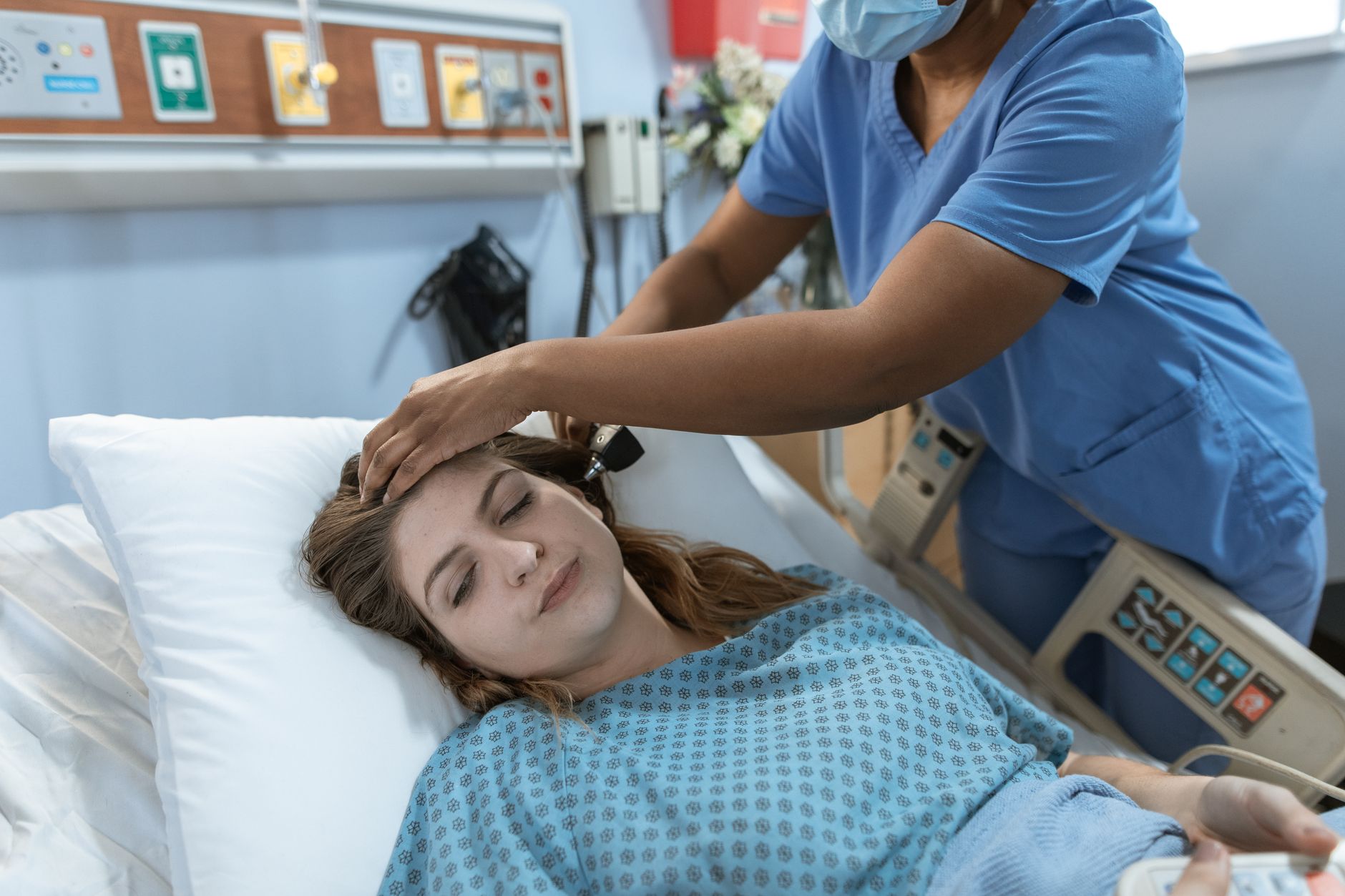
Turkish healthcare facilities pride themselves on a holistic approach to patient care. Companions are typically welcomed into consultations, where doctors take the time to explain procedures and answer questions from both the patient and their companion. This openness fosters a sense of partnership and ensures that no detail is overlooked. Many clinics provide informational materials in multiple languages and encourage companions to take notes or record important instructions (with permission).
During pre-operative assessments and post-operative check-ups, companions are often invited to be present. Staff may offer them a seat and actively include them in conversations about recovery expectations, medication schedules, and warning signs to watch for. This inclusive practice is part of Türkiye's patient-centred culture, which values family and social support as integral to healing.
Aftercare education is another area where companions are embraced. Nurses and doctors frequently conduct one-on-one sessions with both the patient and companion to demonstrate wound care, explain dietary restrictions, and discuss activity limitations. Some clinics even offer companion-specific guides or briefings to ensure everyone is on the same page. This collaborative environment not only empowers companions but also enhances patient safety and satisfaction.
It's always a good idea to confirm the clinic's policy on companions when booking, as specific rules may vary. However, the general attitude across Türkiye is one of openness and appreciation for the support companions provide.
Planning Accommodation for You and Your Companion
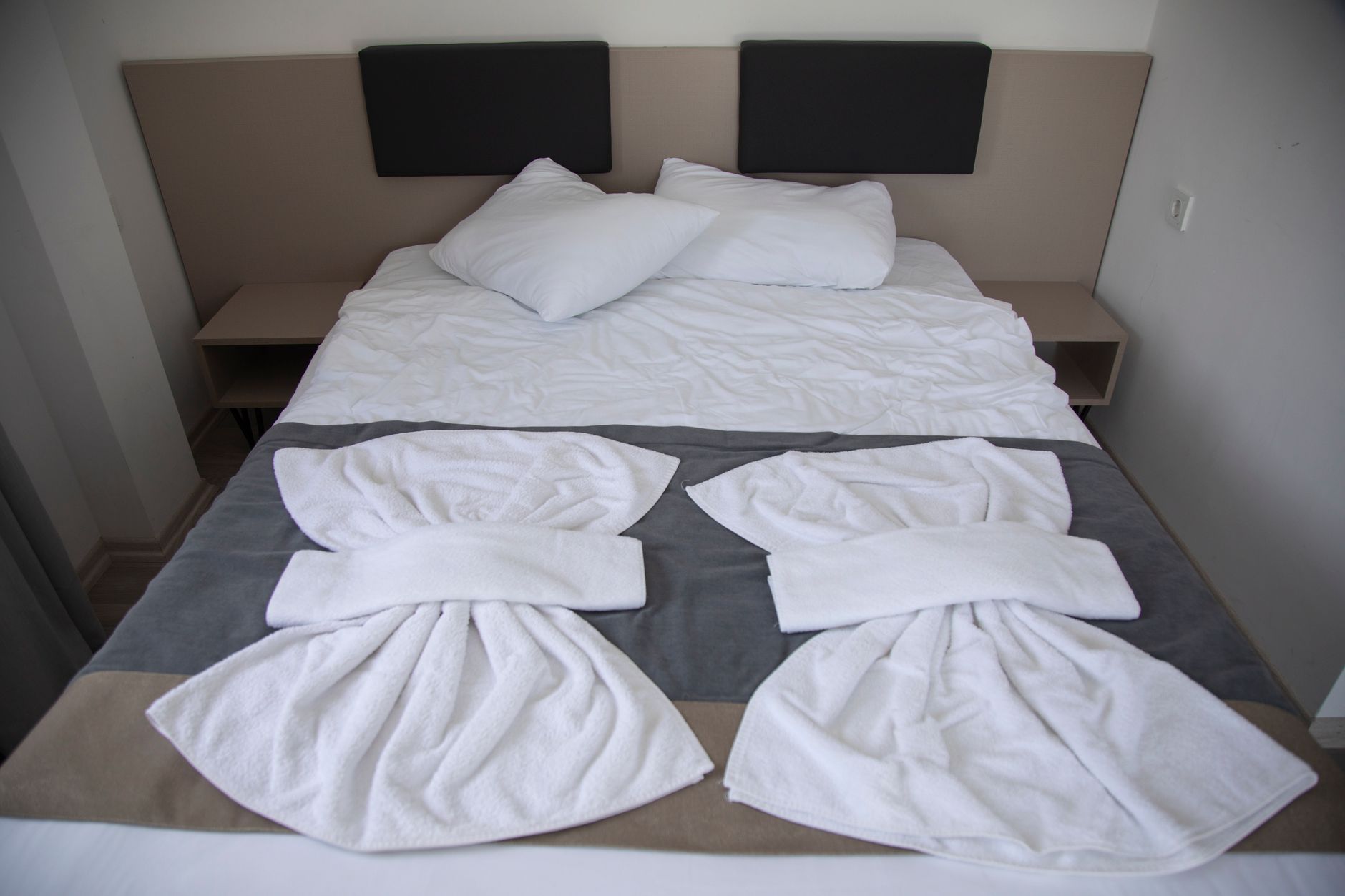
Choosing the right accommodation is crucial for a comfortable recovery. Consider proximity to the clinic: staying within walking distance or a short taxi ride can reduce travel stress and make it easier to attend appointments. Many clinics are located in areas with a range of lodging options, from budget-friendly guesthouses to luxury hotels. Look for accommodations that offer amenities like kitchenettes, laundry facilities, and comfortable seating areas—these can be invaluable during recovery.
If your companion will be staying with you, ensure the room has enough space and perhaps a separate sleeping area for privacy and rest. Some hotels near medical facilities offer special medical-tourism packages that include shuttle services to the clinic, extended stay discounts, and flexible check-in/check-out times. It's worth researching these options or asking your clinic for recommendations—they often have partnerships with nearby hotels that cater to international patients.
Accessibility is another key factor. If you'll have limited mobility after treatment, check for elevators, wheelchair access, and accessible bathrooms. Your companion should also consider their own comfort: a nearby cafe or park can provide a refreshing break while you rest. Don't hesitate to contact the accommodation directly to explain your situation; many places in Türkiye are happy to accommodate special requests.
Finally, book early. Medical travel often coincides with peak tourist seasons, so securing a convenient stay well in advance can save you stress and money. Websites like Booking.com or Airbnb offer a range of options, but for medical stays, personalised recommendations from your clinic or a medical tourism facilitator can be more reliable.
Meals and Dining: Keeping Both of You Nourished
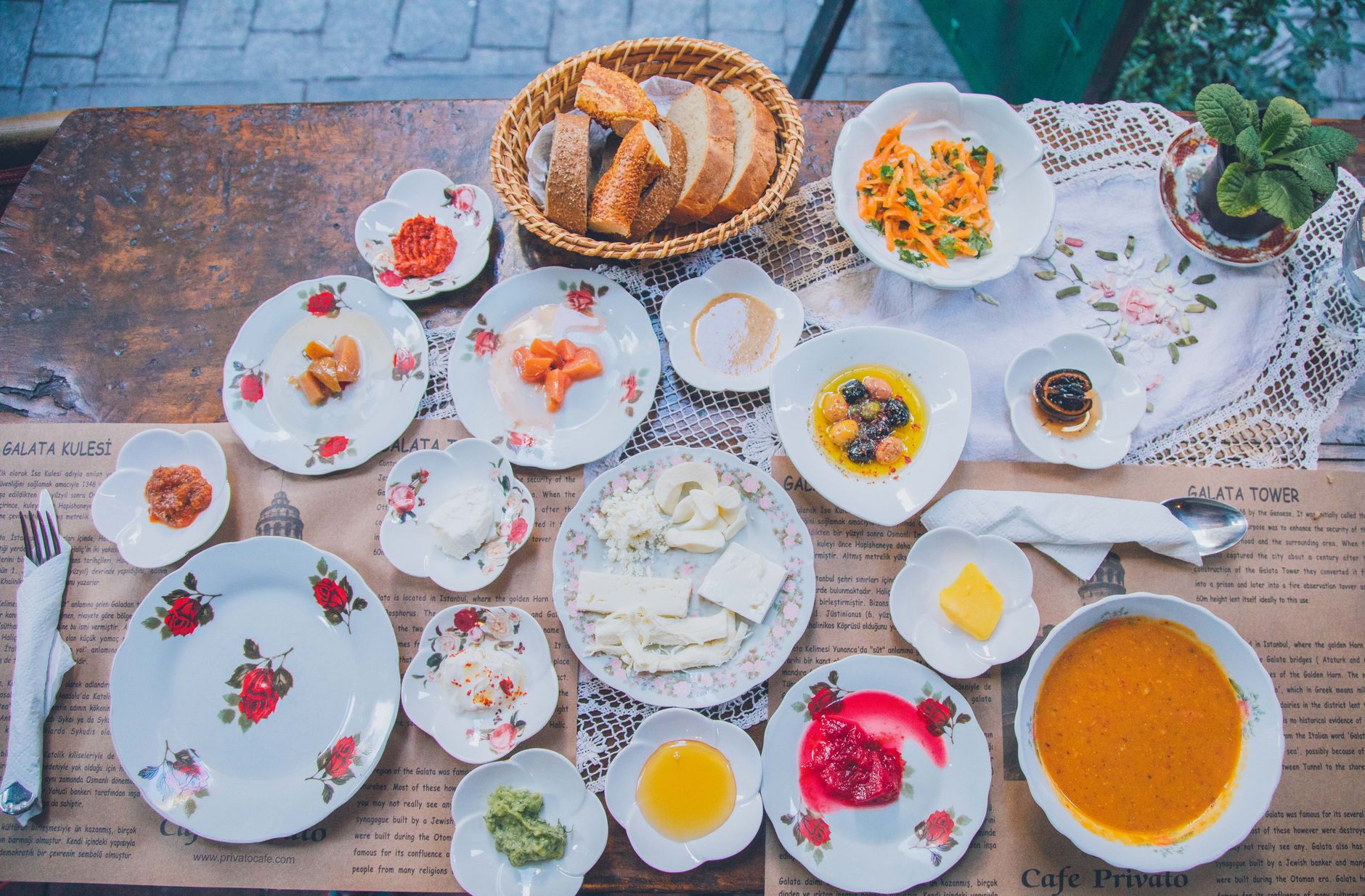
Nutrition plays a big role in recovery, and having a companion who can help with meals is a blessing. If your accommodation has a kitchenette, your companion can prepare simple, healthy meals tailored to any dietary restrictions. Otherwise, Türkiye's vibrant food scene offers plenty of options. Look for restaurants that serve fresh, grilled dishes, salads, and soups—common in Turkish cuisine and generally suitable for post-treatment diets. Your clinic can provide specific dietary guidelines, and your companion can help you stick to them.
Don't overlook the convenience of grocery stores and local markets. Turkish markets are brimming with fresh produce, and your companion can stock up on fruits, vegetables, yogurt, and whole grains for easy meals. Many neighborhoods have small shops open late, making it easy to grab essentials. If you're staying in a hotel, ask about room service or nearby eateries that offer healthy choices.
For times when you're not up for dining out, delivery apps like Yemeksepeti or Getir are widely used in Türkiye and can bring meals right to your door. Your companion can also scout out cafes with comfortable seating for a change of scenery. Remember to stay hydrated—bottled water is readily available and safe.
Including your companion in meal planning not only ensures you both eat well but also provides a sense of normalcy and shared purpose during recovery.
Hospital Visiting Hours and Companion Etiquette
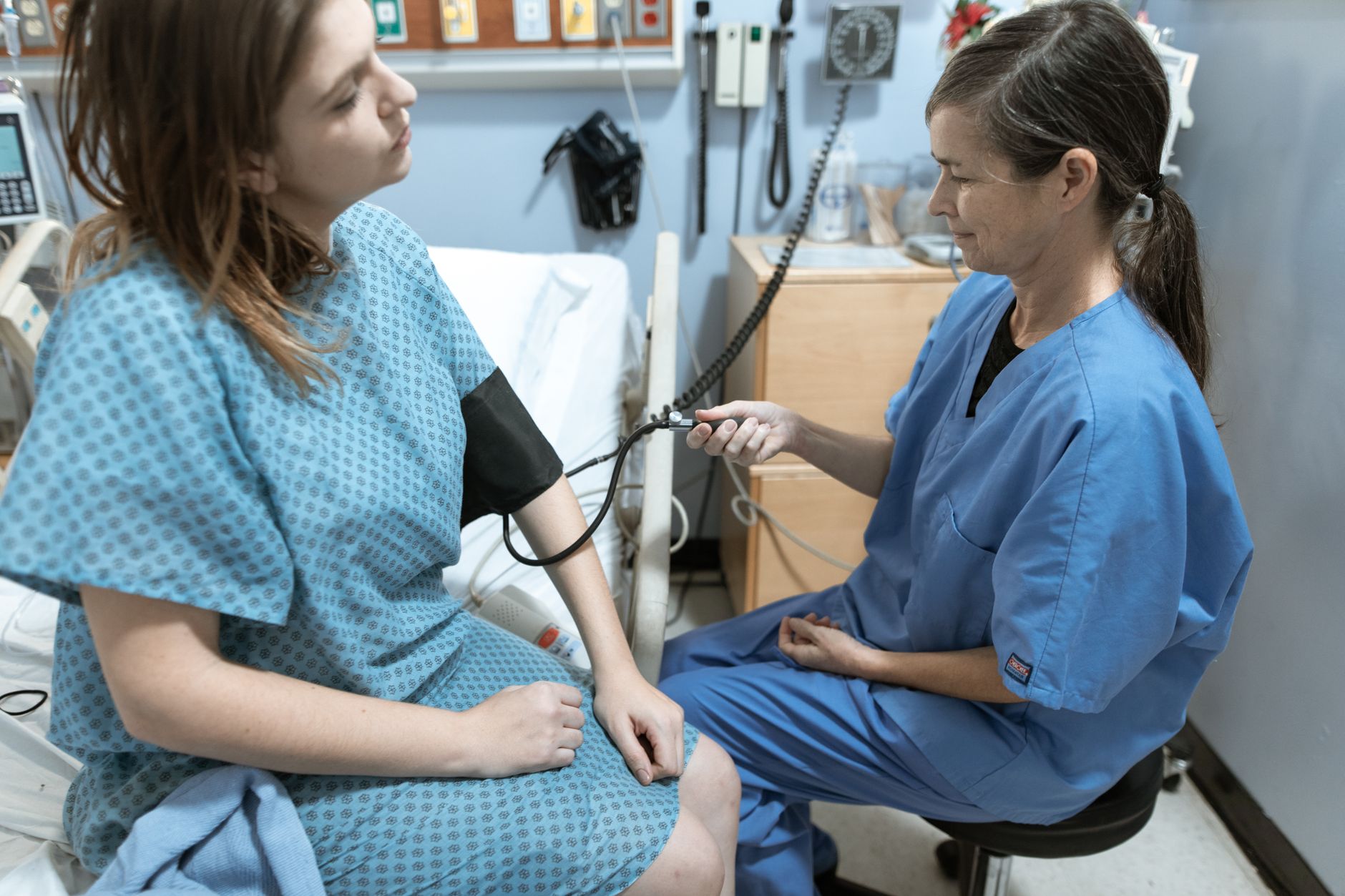
Turkish hospitals generally have visiting hours, though policies vary by facility. Typically, visiting hours are in the afternoon and evening, but many private hospitals are more flexible, especially for international patients. It's wise to check the specific rules of your clinic upon arrival. Some hospitals allow companions to stay overnight in special companion rooms or pull-out chairs, while others may have designated lounges.
When visiting, companions should be mindful of hospital etiquette: keep noise levels low, respect privacy curtains, and follow hygiene protocols. It's also important to give medical staff space to work and to ask before bringing in outside food. In Türkiye, showing respect and gratitude to healthcare workers goes a long way—a simple “teşekkürler” (thank you) is always appreciated.
Clarify the companion's role during hospital stays: they may be asked to step out during certain examinations or procedures. Being flexible and understanding will make the experience smoother for everyone. If you need to communicate with staff and there's a language barrier, many hospitals have interpreters or translation services available. Your companion can also use translation apps for basic needs.
Outside of visiting hours, companions can use the time to rest, run errands, or explore the neighborhood. Staying in a hotel near the hospital makes it easy to return quickly if needed.
How Companions Can Support Recovery: Practical Tips
Companions are invaluable during recovery, but it's important to support them in supporting you. Encourage your companion to take breaks and look after their own well-being—a rested companion is a better caregiver. They can help by managing medications, reminding you of appointment times, and assisting with mobility exercises as instructed by physiotherapists. Emotional support is equally important: a listening ear, gentle encouragement, and patience can do wonders for your morale.
Your companion can also act as a liaison with medical staff, asking questions and noting down instructions. They can help keep your recovery environment clean and comfortable, and ensure you stay hydrated and nourished. If you have follow-up appointments, your companion can accompany you and take notes. Many clinics offer aftercare workshops or materials for companions, so take advantage of these resources.
Remember to communicate openly about your needs and limitations. Your companion is there to help, but they can't read your mind. A little planning each day—like setting goals for short walks or scheduling rest times—can make recovery more structured and less overwhelming.
Finally, don't forget to express gratitude. A simple “thank you” or a small gesture of appreciation can strengthen your bond and make the experience more positive for both of you.
Practical Tips for a Smooth Medical Journey with a Companion
Beyond the clinic, a few practical steps can ensure a hassle-free trip. First, check visa requirements for both you and your companion; many nationalities can obtain an e-visa for Türkiye online. Ensure your companion has travel insurance that covers medical emergencies, as they won't be covered under your treatment package. Also, pack copies of important documents, including passports, medical records, and consent forms.
Arrange airport transfers in advance—many clinics offer pickup services for international patients and their companions. Familiarise yourself with local transportation options, such as taxis, metro, and buses, and consider getting an Istanbulkart for public transit in Istanbul. Language apps can help bridge communication gaps, though many Turks in tourist areas speak some English.
Plan for downtime: recovery periods can be boring, so bring books, a laptop, or other entertainment. Your companion can also scope out nearby attractions for short, gentle outings when you're feeling up to it. Türkiye's rich history and natural beauty offer plenty of low-key sightseeing options, from parks to seaside promenades.
Lastly, stay connected with loved ones back home through messaging apps—companions can help manage communications so you can focus on healing.
Embracing Türkiye's Warmth: A Journey of Care and Support
Travelling to Türkiye for treatment with a companion is more than just a medical trip—it's an opportunity to experience a culture that values hospitality and family. Turkish clinics' inclusive approach ensures that companions are active participants in the healing process, while the country's welcoming atmosphere makes recovery feel less clinical. With careful planning of accommodation, meals, and hospital logistics, you and your companion can focus on what truly matters: your health and well-being.
So pack your bags with confidence, knowing that in Türkiye, you're not just a patient—you're part of a community that cares. Whether you're strolling through a bustling bazaar or resting in a comfortable hotel room, the support of your companion and the warmth of Turkish hospitality will make your medical journey a positive, memorable experience.
Thinking about treatment in Turkey?
Send us a question about this site or about the information published on it. This is a publisher's mailbox, not a medical service and not a route to a particular provider — for clinical questions, contact your own doctor.