

Türkiye's Home Carrier as a Partner in Your Care
When you choose Türkiye for medical treatment, the journey doesn't start at the hospital doors — it starts the moment you book your flight. Turkish Airlines, the country's flag carrier, has quietly become one of the most important partners in Türkiye's medical tourism ecosystem, offering services designed specifically for passengers who are travelling for treatment or heading home after a procedure.
From the moment you request special assistance to the moment you're wheeled to your onward transfer at Istanbul Airport, the airline's medical travel support helps transform what can be an anxious trip into something calm, dignified and well-organised. For international patients arriving from Europe, the Middle East, Africa, Asia or the Americas, this level of care is one more reason Türkiye consistently ranks among the world's most welcoming medical travel destinations.
Below, we walk through the key services Turkish Airlines provides for medical travellers — and how to arrange them so nothing is left to chance.
What Is the Turkish Airlines Medical Travel Desk?
Turkish Airlines operates a dedicated medical travel support channel — often referred to as its medical travel desk — for passengers flying for healthcare purposes. The desk helps coordinate special assistance requests, communicates with the airline's medical team when required, and ensures that airport staff and cabin crew are aware of a passenger's needs before the flight.
This is especially valuable for patients who are flying after surgery, who require mobility support, or who need to travel with medical equipment. Rather than juggling multiple phone calls and hoping the message gets through, the medical travel desk provides a single point of contact so that your needs are documented on your booking.
The service isn't a replacement for clinical advice — your clinic remains your primary source of medical guidance — but it acts as an important bridge between the hospital and the aircraft. Always confirm the latest procedures and availability directly with the airline and your treatment provider, as policies can evolve.
Priority Boarding and Airport Assistance
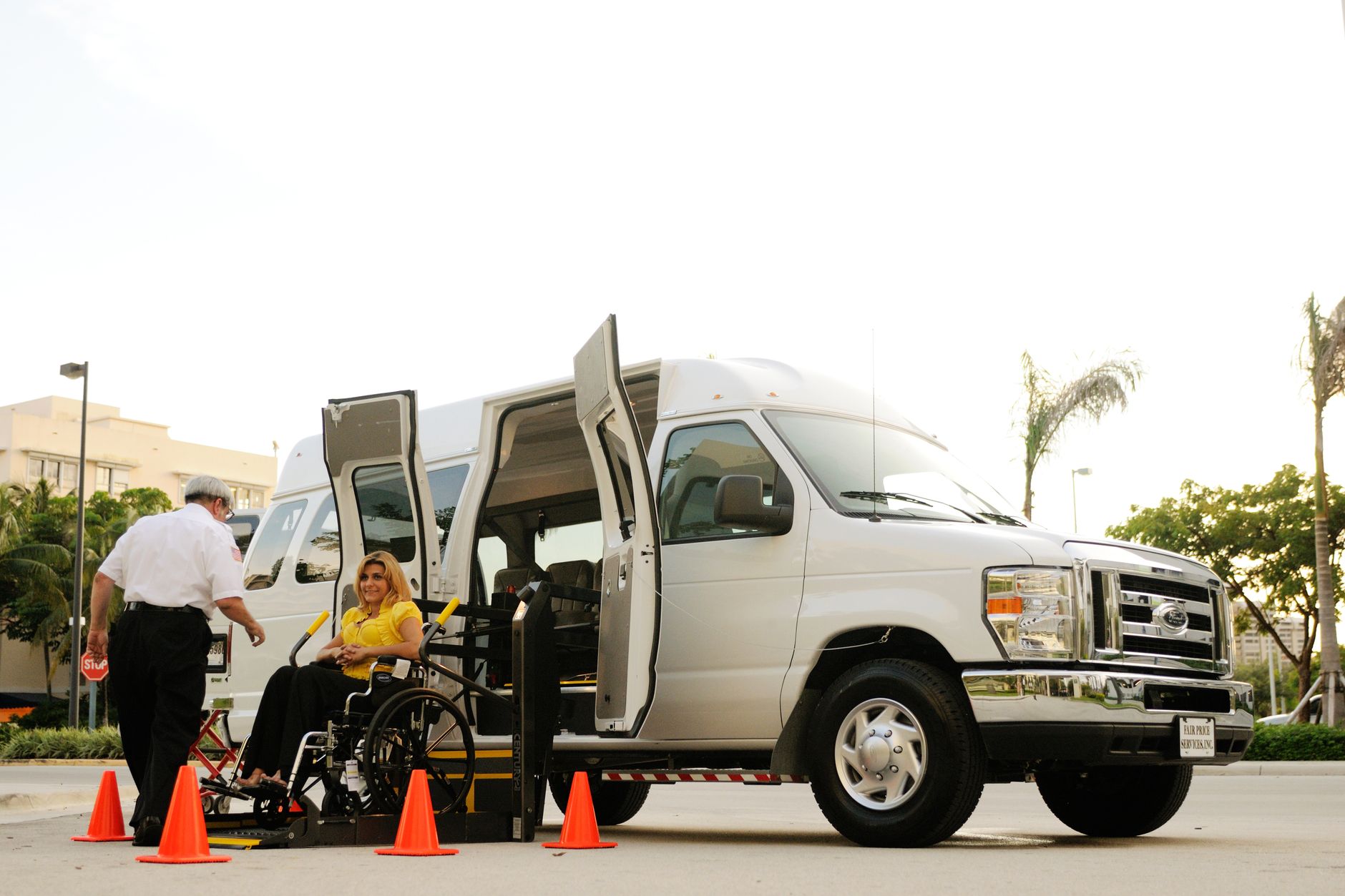
For patients who tire easily, are recovering from surgery, or simply want to avoid the stress of a crowded gate, priority boarding is a small but meaningful comfort. Turkish Airlines offers priority boarding to passengers with special needs, allowing you to settle into your seat before the general boarding rush begins.
At Istanbul Airport — one of the world's largest and most modern aviation hubs — passengers with reduced mobility can request wheelchair assistance from check-in all the way to the aircraft door. Staff are trained to guide you through security, passport control and the gate at a pace that works for you.
If you're arriving for treatment, this assistance means you can land, clear formalities and reach your pre-arranged transfer without unnecessary strain. Many clinics in Istanbul, Ankara, Izmir and Antalya coordinate airport pickups, so pairing airline assistance with a clinic transfer creates a seamless door-to-door experience.
- Request wheelchair or buggy assistance at least 48 hours before departure when possible.
- Ask your clinic to provide a brief letter confirming your condition and any mobility needs.
- Confirm your assistance request is noted on your booking before you travel.
Stretcher, Oxygen and Medical Equipment Arrangements
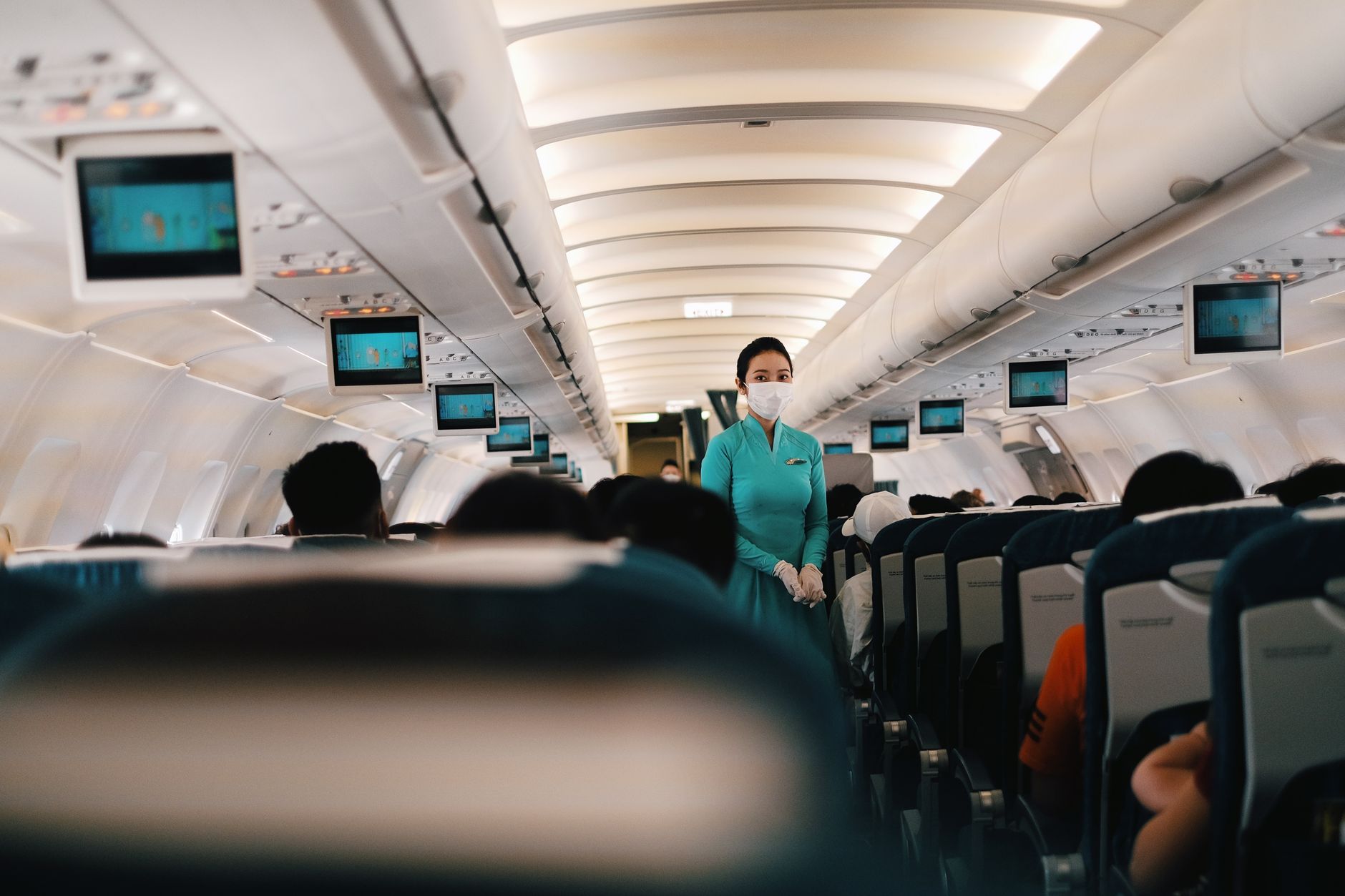
Some patients require more than a wheelchair. Turkish Airlines can arrange stretcher transport and onboard oxygen for passengers who need it, subject to medical clearance and advance notice. These services are typically coordinated through the airline's medical team and may require a fit-to-fly assessment from your treating physician.
If you travel with medical devices — such as a CPAP machine, portable oxygen concentrator or mobility scooter — it's essential to notify the airline in advance. Battery type, dimensions and whether the device can be used during the flight all affect approval. Cabin crew will also need to know where the equipment is stowed and how it operates.
Because requirements vary by aircraft type, route and individual medical situation, the golden rule is simple: contact the airline early, share the details your clinic provides, and get written confirmation. Your clinic's international patient office can often help prepare the necessary documentation in the right format.
Patients who plan their medical flights early — ideally as soon as their treatment dates are confirmed — tend to have the smoothest experience.
Cabin Crew Awareness and In-Flight Comfort
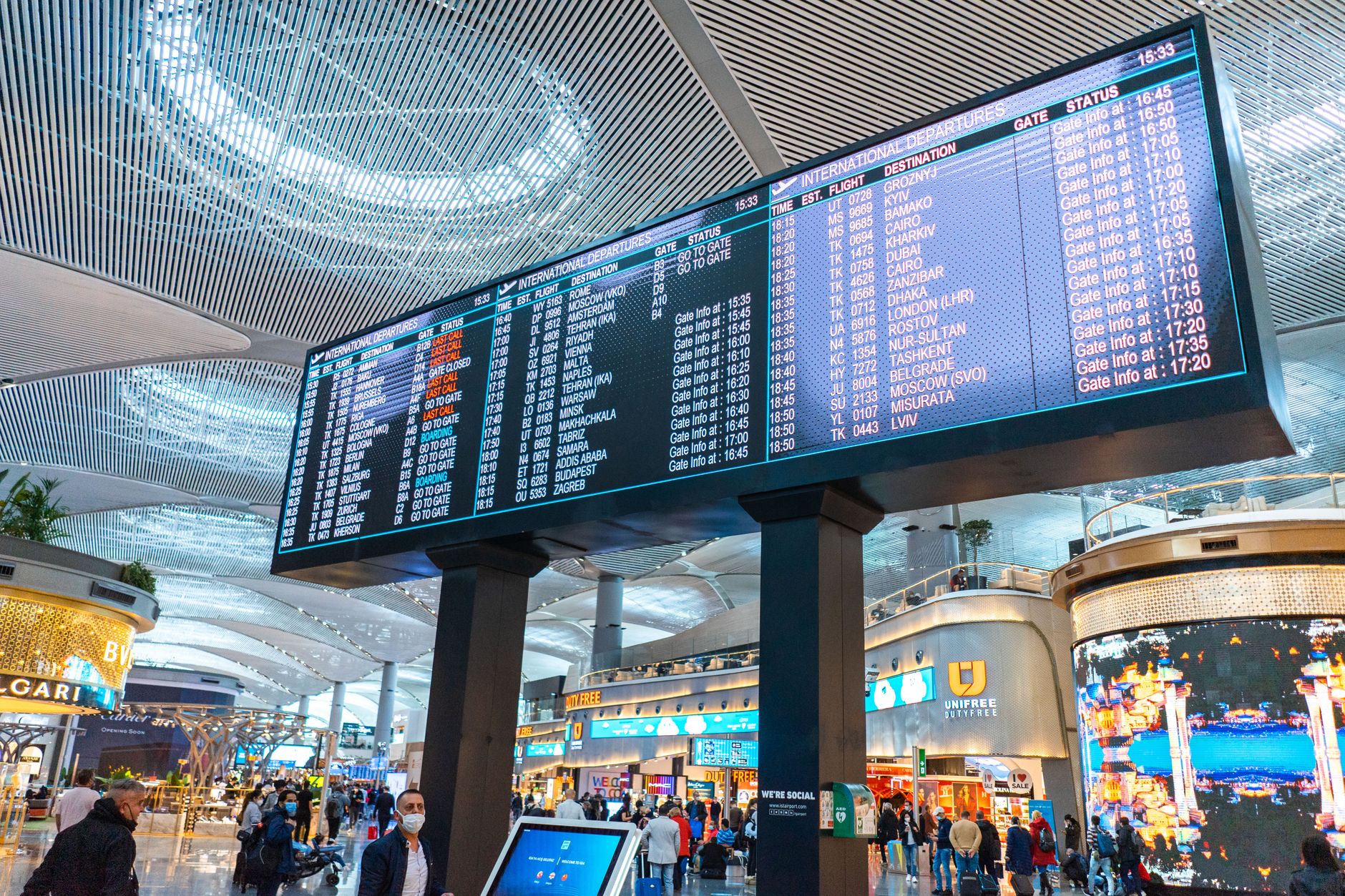
Perhaps the most reassuring element of Turkish Airlines' medical travel support is the human one. When a passenger's needs are properly documented, cabin crew are made aware before departure. That means a flight attendant may check in discreetly, help with overhead luggage, or ensure you have water and space to move when it's safe.
For post-operative passengers, small considerations matter: a seat near the aisle or a bulkhead seat with more legroom can make a long flight far more comfortable. Crew can also assist with storing medication that needs to stay cool, within the limits of onboard facilities.
Turkish Airlines' onboard service — including its catering and comfortable cabins — adds a layer of hospitality that helps the hours pass more pleasantly. For many patients, arriving at Istanbul Airport feeling rested rather than exhausted is the first step toward a smoother recovery.
Connecting Through Istanbul: The Hub Advantage
Istanbul Airport serves as a global crossroads, with Turkish Airlines flying to more countries than any other carrier. For medical travellers, this means many patients can reach Türkiye with a single convenient connection — and often with short, well-managed layovers.
If you have a connection, inform the airline of your assistance needs for every leg of the journey, not just the long-haul flight. Ground staff at the transfer point should be ready to meet you with a wheelchair or guide you to your next gate. Allow extra time between flights if you have mobility limitations.
Beyond Istanbul, Turkish Airlines connects to popular medical tourism cities including Ankara, Izmir, Antalya and Bursa. Clinics in these cities frequently send drivers to the airport, so your airline assistance ends exactly where your hospital transfer begins.
Practical Tips for Booking a Medical Flight
Securing the right support is mostly about timing and communication. Start by speaking with your clinic's international patient coordinator — they deal with medical travel every day and can advise on documentation, timing and airline procedures.
Then contact Turkish Airlines (or your booking agent) and clearly state that you are travelling for medical reasons. Mention any mobility aids, oxygen needs, medication and whether you'll be flying after surgery. Ask for confirmation in writing, and keep a copy with your travel documents.
On the day of travel, arrive early, carry your medical letters and prescriptions in your hand luggage, and don't hesitate to remind staff of your assistance request. Finally, reconfirm details with both the airline and your clinic a few days before departure — policies and procedures can change, and a quick check ensures everything is in place.
Türkiye's medical tourism ecosystem stands out not only for its hospitals and skilled specialists, but for the way the entire journey is designed around the patient. Turkish Airlines' medical travel support is one example — a home carrier that treats every passenger's comfort as part of the care. With a little planning and clear communication, your path to treatment can be as smooth as the hospitality that awaits you.
Thinking about treatment in Turkey?
Send us a question about this site or about the information published on it. This is a publisher's mailbox, not a medical service and not a route to a particular provider — for clinical questions, contact your own doctor.