

Expanded Winter Schedule Strengthens Medical Travel Access
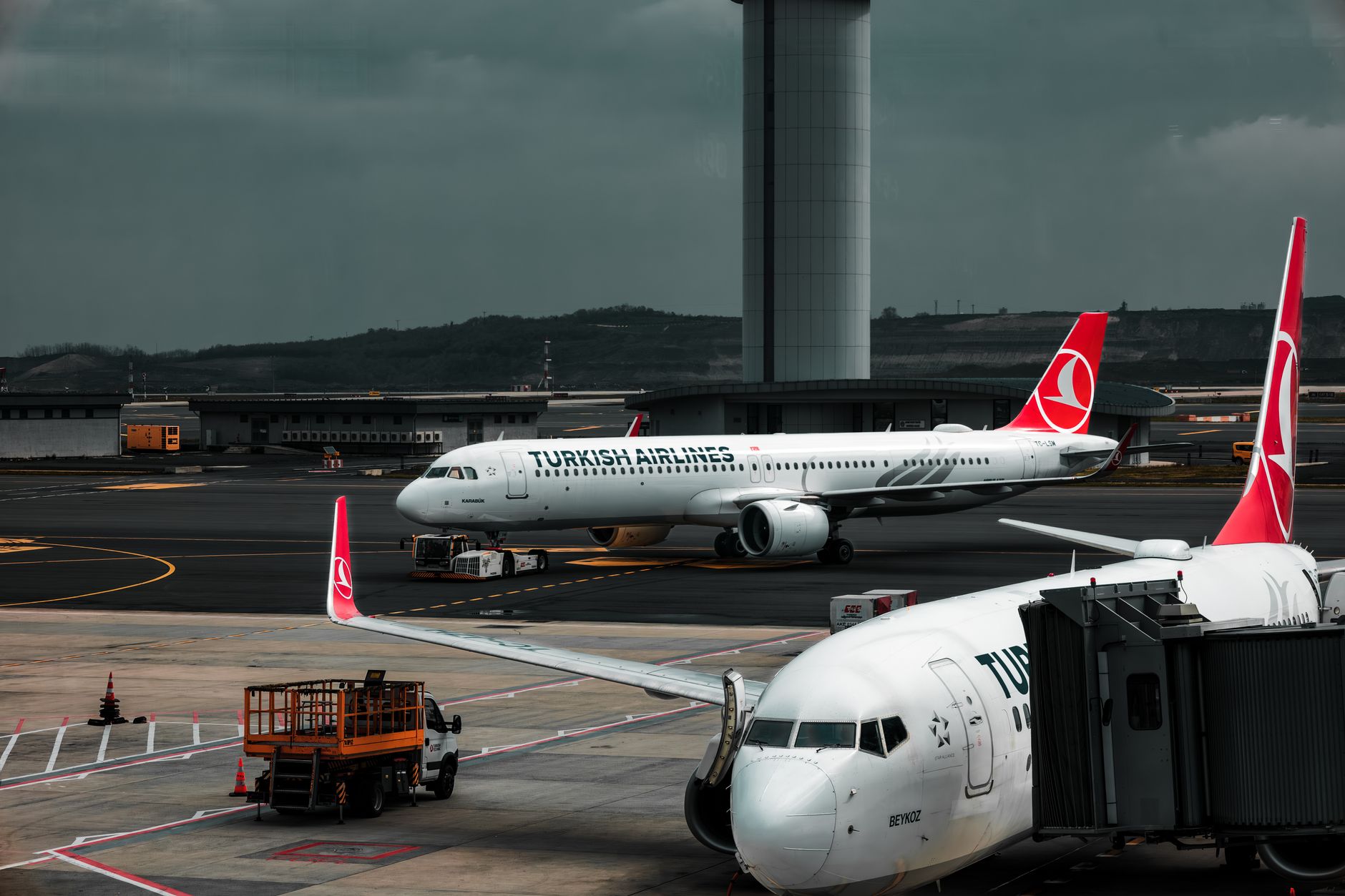
Turkish Airlines has announced additional winter routes linking several Gulf and African cities to Istanbul, a development that directly benefits patients travelling to the city for medical treatment. The new services increase departure frequency and add city pairs that previously required multi-stop itineraries, making it easier for patients and their companions to reach Istanbul's medical districts with fewer transfers.
For treatment travellers, the practical advantage is clear: more direct and same-carrier options mean shorter total journey times, fewer connection risks, and less physical strain en route to pre-operative consultations. Patients arriving rested tend to complete pre-surgical assessments more comfortably, which matters for anyone preparing for procedures with strict preparation protocols.
The airline's hub-and-spoke model at Istanbul Airport allows passengers from Gulf and African cities to connect to domestic and international services through a single point, simplifying baggage handling and reducing the chance of missed connections on time-sensitive treatment trips.
More Departure Choices from Gulf Cities
Travellers from Gulf cities gain additional weekly frequencies and new seasonal routings under the winter programme. Higher capacity on these corridors means greater seat availability during peak medical travel periods, when patients often need to book at short notice after receiving a confirmed surgery date.
Increased competition on these routes also supports more flexible fare structures, allowing patients to choose between earlier departures that permit a rest day before appointments and later flights that align with discharge timelines. For families accompanying a patient, the ability to book multiple seats together on a single carrier simplifies group travel planning.
Gulf-based patients frequently travel to Istanbul for orthopaedic, oncology, and cosmetic procedures, and the added frequencies reduce the pressure to accept inconvenient connection times simply to secure a seat.
New Links for African Patients Reduce Journey Fatigue
The winter schedule extends Istanbul connectivity to additional African cities, several of which previously required lengthy connections through third countries. Shorter, more predictable journeys reduce fatigue before admission and lower the risk of travel-related complications such as dehydration or disrupted medication schedules.
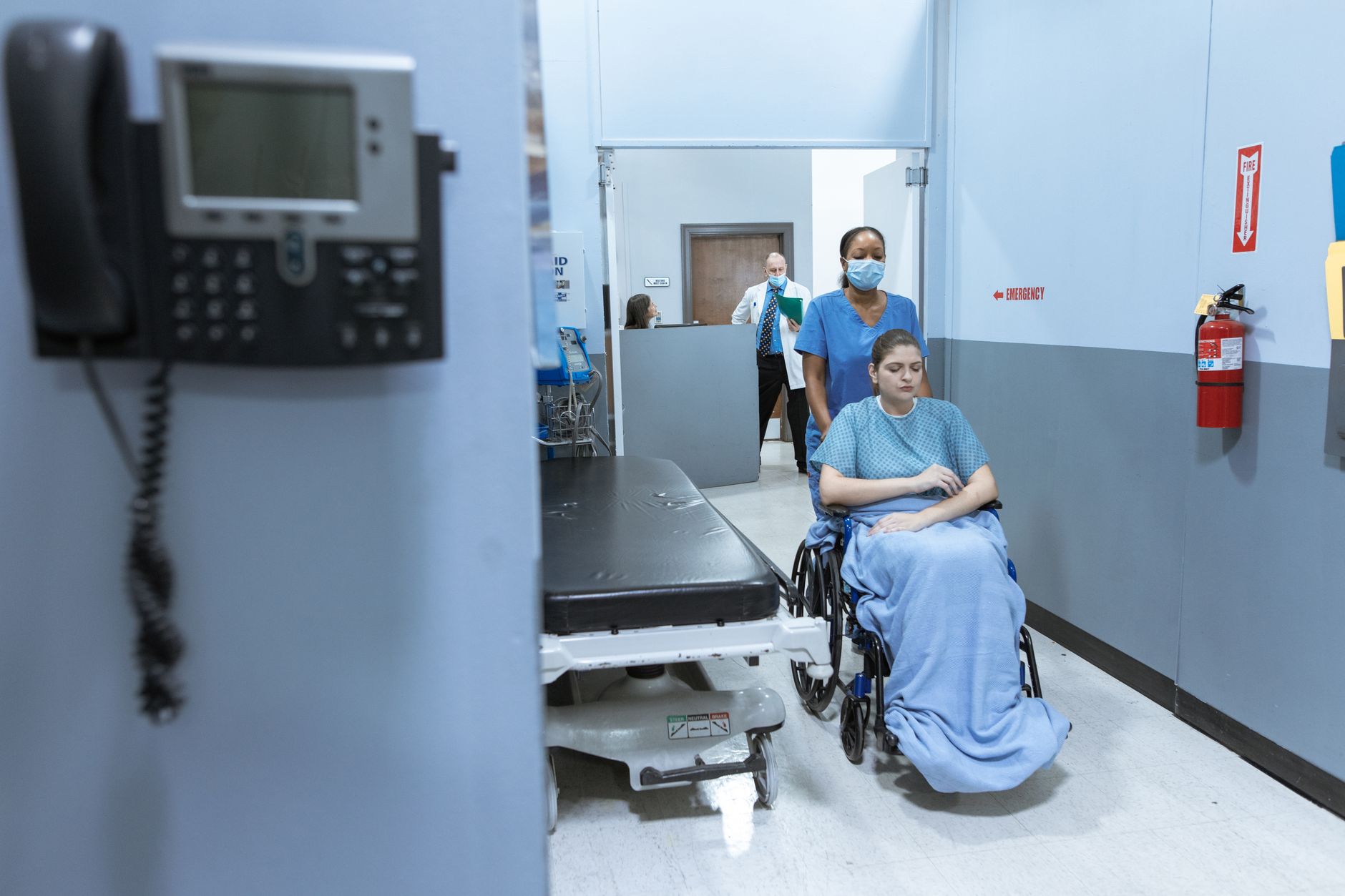
For patients managing chronic conditions or travelling with mobility limitations, fewer layovers translate into fewer transfers between gates, less time in transit, and a more manageable arrival experience. Companions and caregivers also benefit from simpler itineraries, which can ease the logistical burden on families coordinating treatment abroad.
Consistent carrier service across the journey means checked baggage is typically handled through to Istanbul, an important consideration for patients carrying medical documentation, prescribed medication, and mobility equipment.

Practical Value: Arriving Rested Before Appointments
Medical providers in Istanbul generally recommend arriving at least one day before scheduled consultations or procedures. With expanded departure options, patients can build this buffer into their itinerary without extending their overall absence from work or family responsibilities.
Morning arrivals from Gulf and African cities allow patients to complete hotel check-in, rest, and attend same-day or next-day pre-operative assessments without rushing. This is particularly valuable for procedures requiring fasting, blood work, or imaging that must be completed before surgery.
Travellers should still confirm airline policies on medical clearance, medication carriage, and special assistance when booking, and should share flight details with their treatment coordinator so transfer arrangements can be timed to the actual arrival.
Flexible Rebooking Supports Recovery Timelines
Recovery timelines rarely follow a fixed schedule, and return flights sometimes need adjustment after a procedure. The added frequencies on Gulf and African corridors increase the likelihood that a return seat can be secured on short notice, whether a patient is cleared to fly earlier than expected or needs additional recovery days.
Passengers should review fare conditions carefully at the time of booking, noting change fees, fare differences, and any medical documentation required for waiver requests. Choosing flexible fares, where budget permits, provides the greatest protection against unexpected schedule changes during the recovery period.
For patients travelling with companions, booking return flights on the same carrier as the outbound journey can simplify changes, as the airline holds the full itinerary and can adjust both passengers together where fare rules allow.
Planning Your Treatment Journey
Patients considering Istanbul for treatment should coordinate flight booking with their chosen hospital or clinic, ensuring arrival dates align with consultation schedules and that adequate rest time is built in before any procedure. Booking early remains advisable during the winter peak, even with added capacity.
It is also worth confirming ground transfer arrangements from Istanbul Airport to the medical district in advance, and keeping copies of medical records and prescriptions in carry-on baggage. Travellers with reduced mobility or specific medical needs should request airline assistance at least 48 hours before departure.
Expanded winter air access ultimately serves one goal: making the journey to treatment calmer, shorter, and easier to adjust when recovery plans change. Patients should verify schedules, fares, and carrier policies directly before booking and consult their treating physician on fitness to fly.
Thinking about treatment in Turkey?
Send us a question about this site or about the information published on it. This is a publisher's mailbox, not a medical service and not a route to a particular provider — for clinical questions, contact your own doctor.