

Record Demand Meets Published Results
Turkey's leading bariatric centres are reporting their strongest international patient numbers yet in 2026, and for the first time they are pairing that growth with peer-reviewed, long-term outcome data. Accredited hospitals in Istanbul, Izmir and Antalya now publish five-year results for sleeve gastrectomy and gastric bypass showing average excess weight loss of 65–75%, alongside significant remission rates for type 2 diabetes and sleep apnoea.
The numbers matter because bariatric surgery is judged over years, not weeks. Centres that track patients for five years or more can demonstrate whether weight loss holds, whether comorbidities stay in remission, and whether nutritional status remains stable. Turkish programmes that invested early in patient registries are now able to answer those questions with hard data rather than anecdote.
International coordinators say the combination of transparent results, JCI-accredited hospitals and all-inclusive pricing is driving enquiries from the UK, Germany, the Gulf and North America. Crucially, the pitch has shifted from "affordable surgery" to "a complete, measurable pathway."
What a Complete Pathway Actually Means
A complete pathway begins before surgery and does not end at discharge. At Turkey's established centres, patients typically start with a video consultation and a multidisciplinary assessment covering medical history, eating behaviour, mental health and nutritional status. Surgery is only offered when it is clinically appropriate and the patient is prepared for the changes ahead.
After the procedure, the pathway continues with a structured nutrition plan, vitamin and mineral supplementation, dietitian check-ins, psychological support and scheduled blood tests. These are not optional extras—they are treated as core parts of the treatment. Patients leave with a written plan, a supplementation schedule and clear guidance on what to expect in the first month, the first year and beyond.
This practical structure is what distinguishes a bariatric centre from a surgical unit. It also explains why published outcomes from Turkish centres increasingly match those from Western Europe: the surgery is standardised, and the follow-up is systematic.
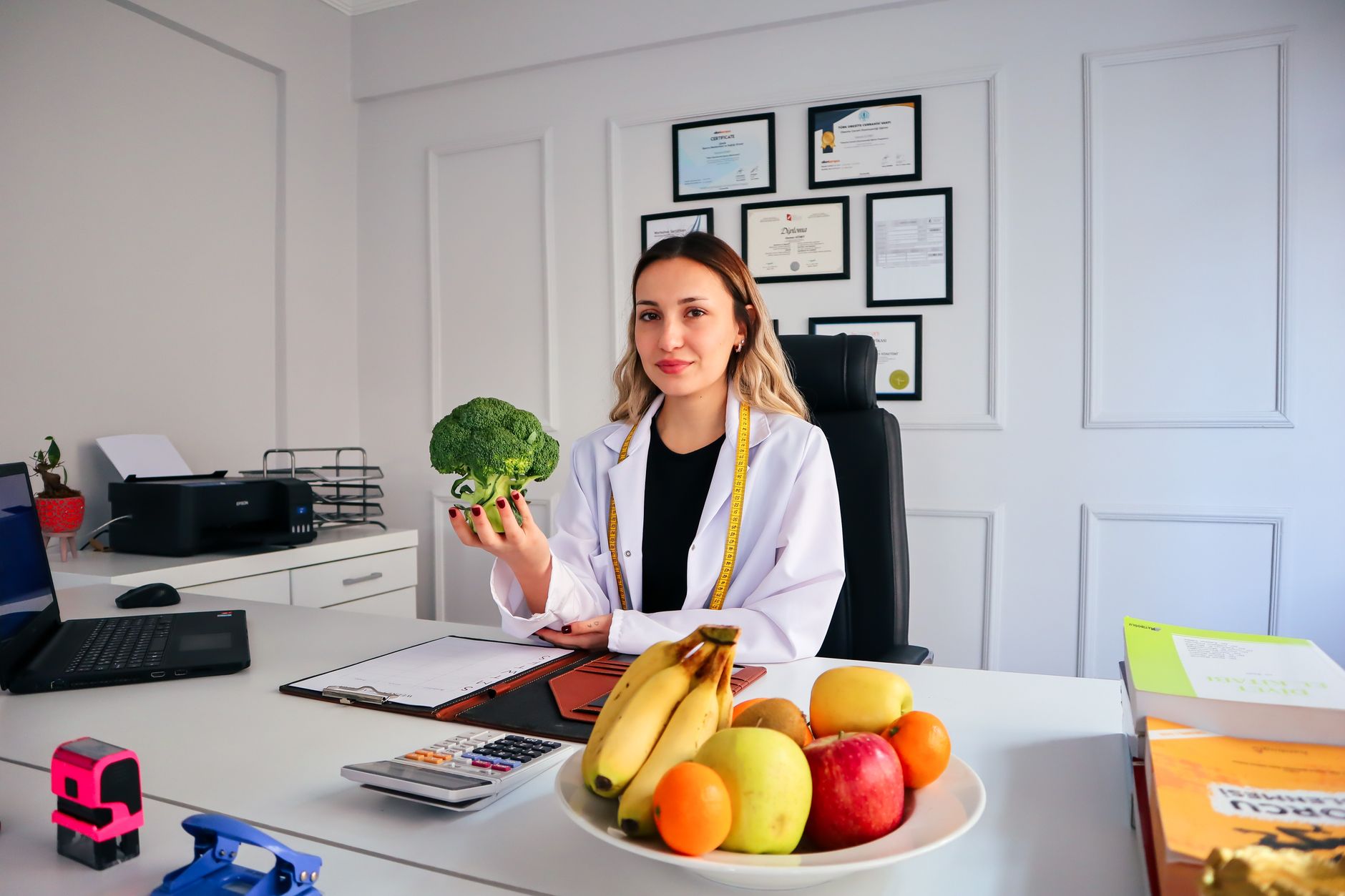
Structured Nutrition Support: The Quiet Driver of Results
Long-term success after bariatric surgery depends heavily on nutrition. Turkish programmes now provide staged dietary protocols—liquid, pureed, soft and solid phases—with portion guidance, protein targets and hydration goals. Dietitians adjust these plans as patients progress, rather than issuing a single leaflet at discharge.
Micronutrient monitoring is central. Patients undergo regular blood tests for iron, vitamin B12, vitamin D, calcium and other markers, with supplementation adjusted accordingly. This is particularly important for sleeve gastrectomy and bypass patients, whose absorption and intake change permanently.
Many centres also offer group education sessions and digital follow-up tools, so patients can log weight, meals and symptoms between appointments. For international patients, these sessions are delivered in English, German, Arabic and other languages, often with a dedicated coordinator who remains the single point of contact.
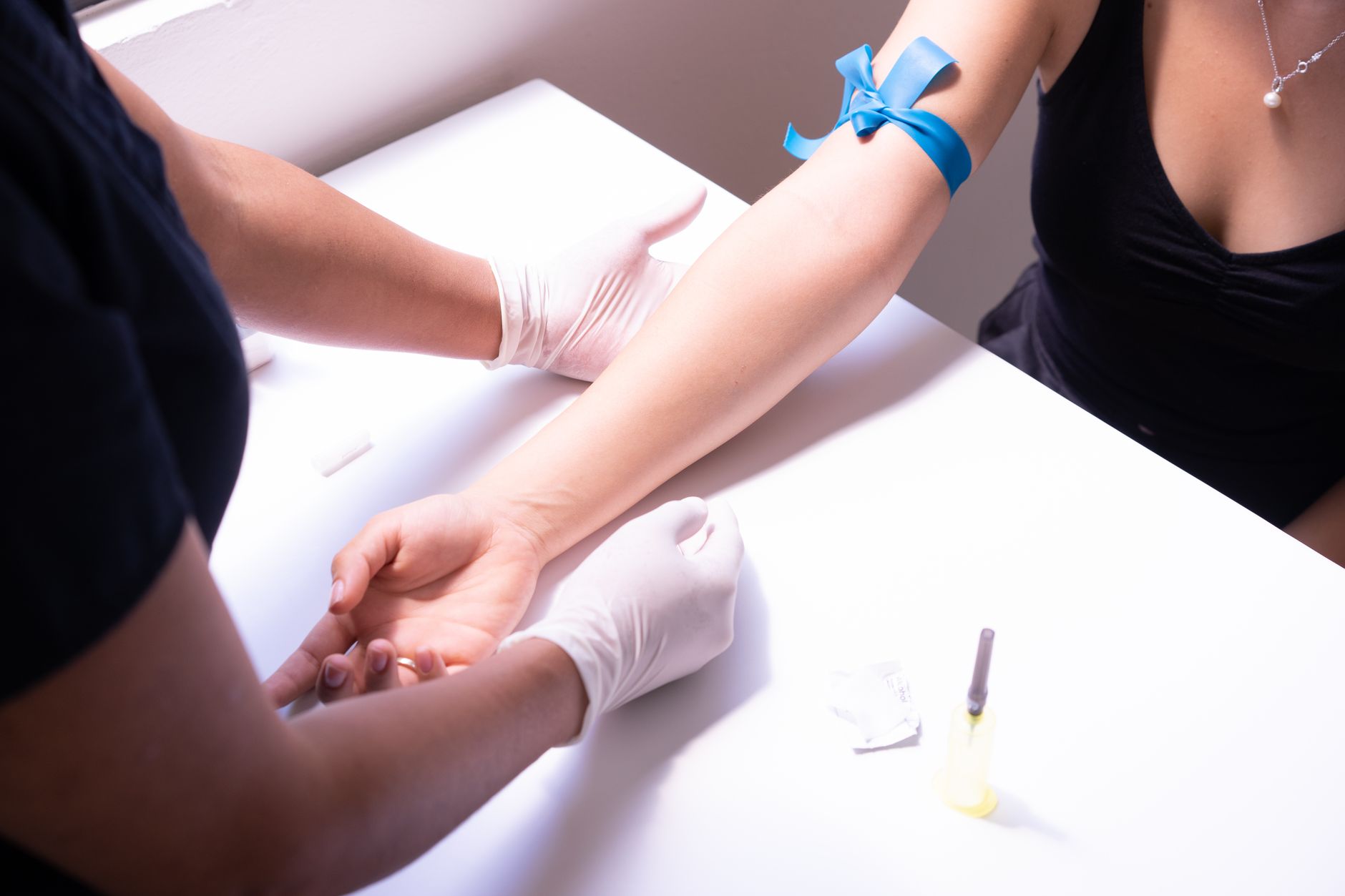
Lifetime Follow-Up: From Five Years to Twenty
Several Turkish centres now frame follow-up as a lifetime programme rather than a post-operative package. Annual reviews cover weight trajectory, comorbidity status, nutritional markers and psychological wellbeing. If weight regain occurs, teams respond with dietitian-led interventions, medication review or, in selected cases, revisional surgery.
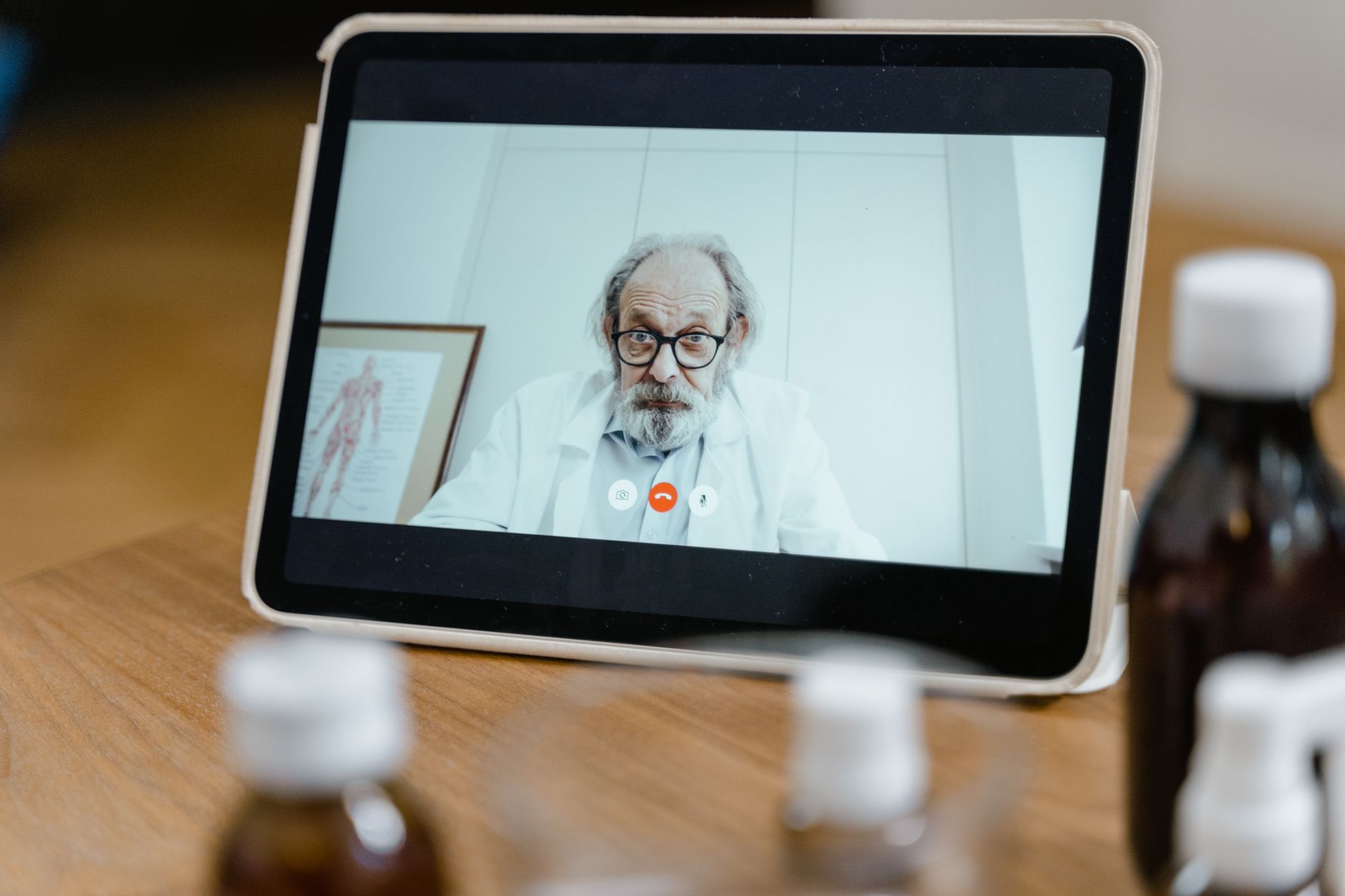
This long view is reflected in patient-reported outcomes. Centres report high satisfaction with the clarity of the follow-up schedule, and international patients particularly value the option of remote consultations once they return home. Local blood tests can be shared securely, allowing the Turkish team to advise on supplementation without requiring a return trip.
For patients, the message is straightforward: the operation is one step, and the programme is the treatment. That framing—encouraging but grounded in accountability—is a major reason Turkey's bariatric sector continues to attract patients seeking durable results.
Why International Patients Are Choosing Turkey
Turkey's advantages are well established: experienced high-volume surgeons, modern hospitals, short waiting times and costs that are often 50–70% lower than in the UK or US. What is changing is the emphasis on outcomes and continuity. Patients increasingly ask for published data, complication rates and follow-up protocols before they book.
Accredited centres meet that demand with transparent reporting, multilingual teams and airport-to-airport coordination. Packages typically include hospital stay, consultations, dietitian support and transfers, with follow-up consultations included for the first year and available thereafter on a scheduled basis.
The result is a medical tourism offer that competes not only on price but on the completeness of care. For patients considering bariatric surgery abroad, Turkey now presents itself as a destination where the surgical outcome and the long-term programme are treated as equally important.

What This Means for Prospective Patients
If you are researching bariatric surgery in Turkey, look beyond the operating theatre. Ask whether the centre publishes long-term outcomes, how many years of follow-up are included, and who will manage your nutrition and blood tests after you fly home. A credible programme will answer these questions clearly and in writing.
Ask also about the composition of the team—surgeon, dietitian, psychologist, coordinator—and how remote follow-up works in your country. Structured nutrition support and lifetime monitoring are the practical mechanisms that convert a successful operation into a sustained result.
Turkey's bariatric centres are reporting strong outcomes because they have built those mechanisms into their care. For international patients, that means a complete pathway: assessment, surgery, nutrition, psychology and follow-up, designed to last far beyond the flight home.
Thinking about treatment in Turkey?
Share your contact details and a verified doctor will follow up with a plan built around you — free, no obligation.