

Why the First Hour After Landing Matters
For most medical travelers, the journey to Turkey begins long before the plane touches down. There is the research, the consultations, the passport photos, the packing list that includes loose clothing and comfortable shoes. By the time you walk through the arrivals gate, you are often tired, a little nervous, and navigating an airport where signs are in a language you may not speak.
This is exactly where Turkish clinics have invested heavily in recent years. Many of the country's leading hospitals and hair-transplant centers now operate dedicated welcome desks at major airports, staffed by multilingual coordinators who meet patients the moment they arrive. Instead of hunting for a taxi rank or wrestling with a ride-hailing app, you are greeted by name and guided to a waiting vehicle.
The result is a calmer, more predictable arrival. Patients who start their trip with a friendly face and a confirmed transfer often describe the experience as the moment their anxiety began to lift, and for good reason: the logistics are handled, and the only thing left to focus on is the treatment ahead.
What Is a Clinic Welcome Desk, Exactly?
A clinic welcome desk is a patient-service point operated by a Turkish medical provider, usually located inside the arrivals hall of a major airport. It may be a small branded counter, a shared hospitality booth, or simply a coordinator standing with a personalized sign near the exit doors. Larger clinics and hospital groups often maintain permanent or semi-permanent desks at Istanbul Airport and Sabiha Gökçen International Airport, with additional coverage at Antalya, Izmir Adnan Menderes, and occasionally Bodrum-Milas.
The desk serves as the handoff point between your flight and your treatment. Staff there confirm your identity, check your appointment schedule, and connect you with your driver. In many cases the same coordinator speaks your language, whether English, Arabic, German, French, or Russian, which removes a significant layer of friction.
It is worth understanding that these desks are not immigration or customs services. They do not process visas or fast-track you through passport control. What they do is manage the ground logistics on the public side of arrivals, so you can move from baggage claim to hotel or hospital with minimal confusion.

The Meet-and-Transfer Experience, Step by Step
Before You Fly
Arranging the service usually starts with your clinic coordinator during the booking process. You will be asked to share your flight number, arrival date and time, the number of travelers, and your preferred language. Some clinics bundle the transfer into a package price, while others charge a modest flat fee; always confirm which applies before you pay a deposit.
You should receive a written confirmation by email or messaging app. Keep a screenshot of it, along with your coordinator's phone number, saved offline in case airport Wi-Fi is unreliable.
At Arrivals
After passport control and baggage claim, walk into the arrivals hall and look for your clinic's sign or your name on a placard. Coordinators typically wait near the exit doors or at a designated meeting point, and they usually monitor flight status, so a delayed landing does not mean you are left behind. If you cannot find your driver within ten to fifteen minutes, call the coordinator number on your confirmation rather than wandering the terminal.
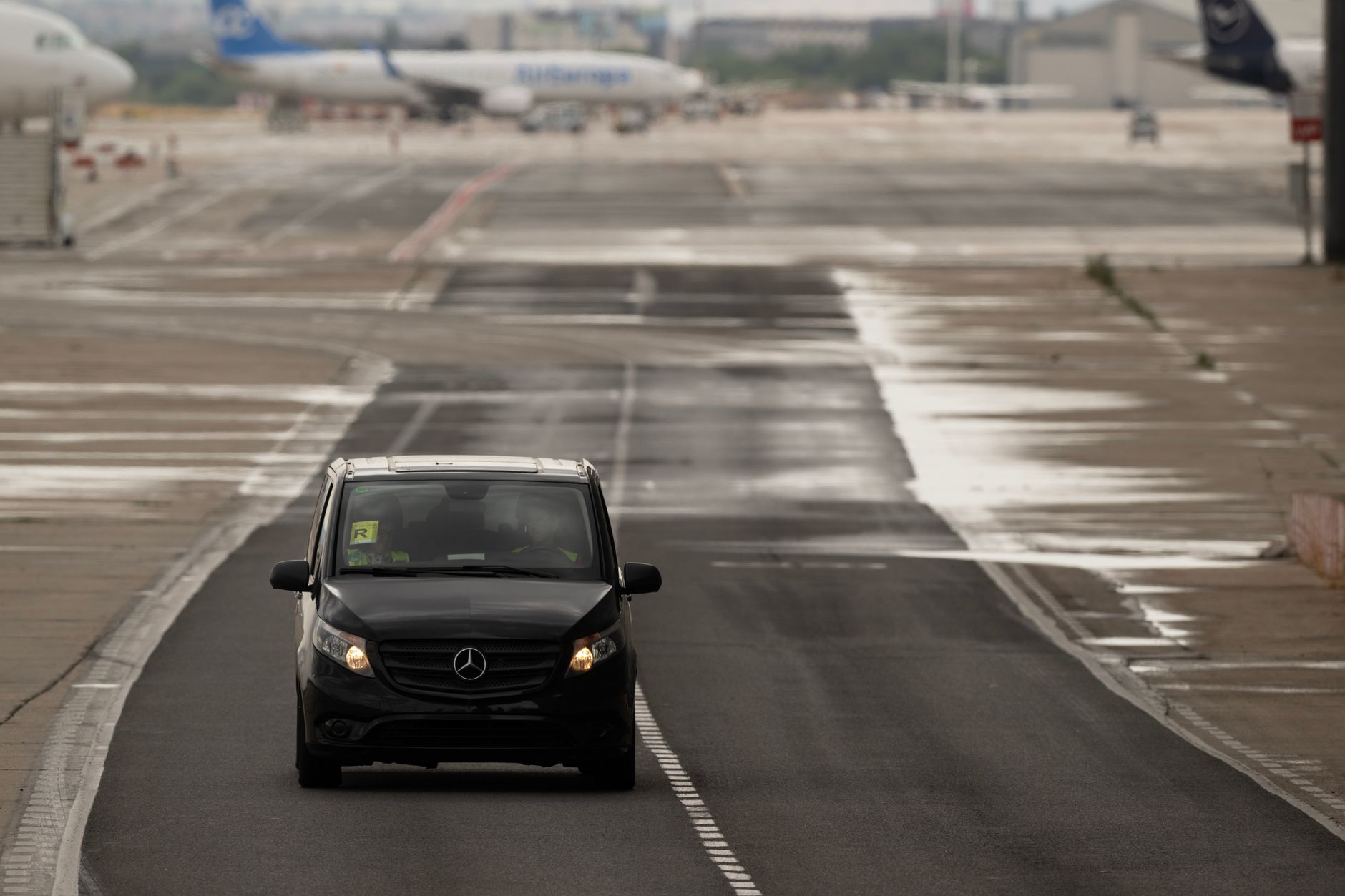
Once you are matched, the coordinator will help with luggage and walk you to the vehicle. Most clinics use private cars, vans, or contracted shuttle services, and many offer VIP transfers with bottled water and Wi-Fi for longer drives.
On the Road
The drive from Istanbul Airport to central districts such as Şişli, Beşiktaş, or Nişantaşı generally takes between 45 minutes and an hour depending on traffic. Sabiha Gökçen sits on the Asian side and is often more convenient for clinics in Kadıköy or Ataşehir. Your driver or coordinator will typically confirm your first hospital appointment or hotel check-in en route, which is a good moment to ask any practical questions about the next day.
What to Expect at Istanbul's Two Main Airports
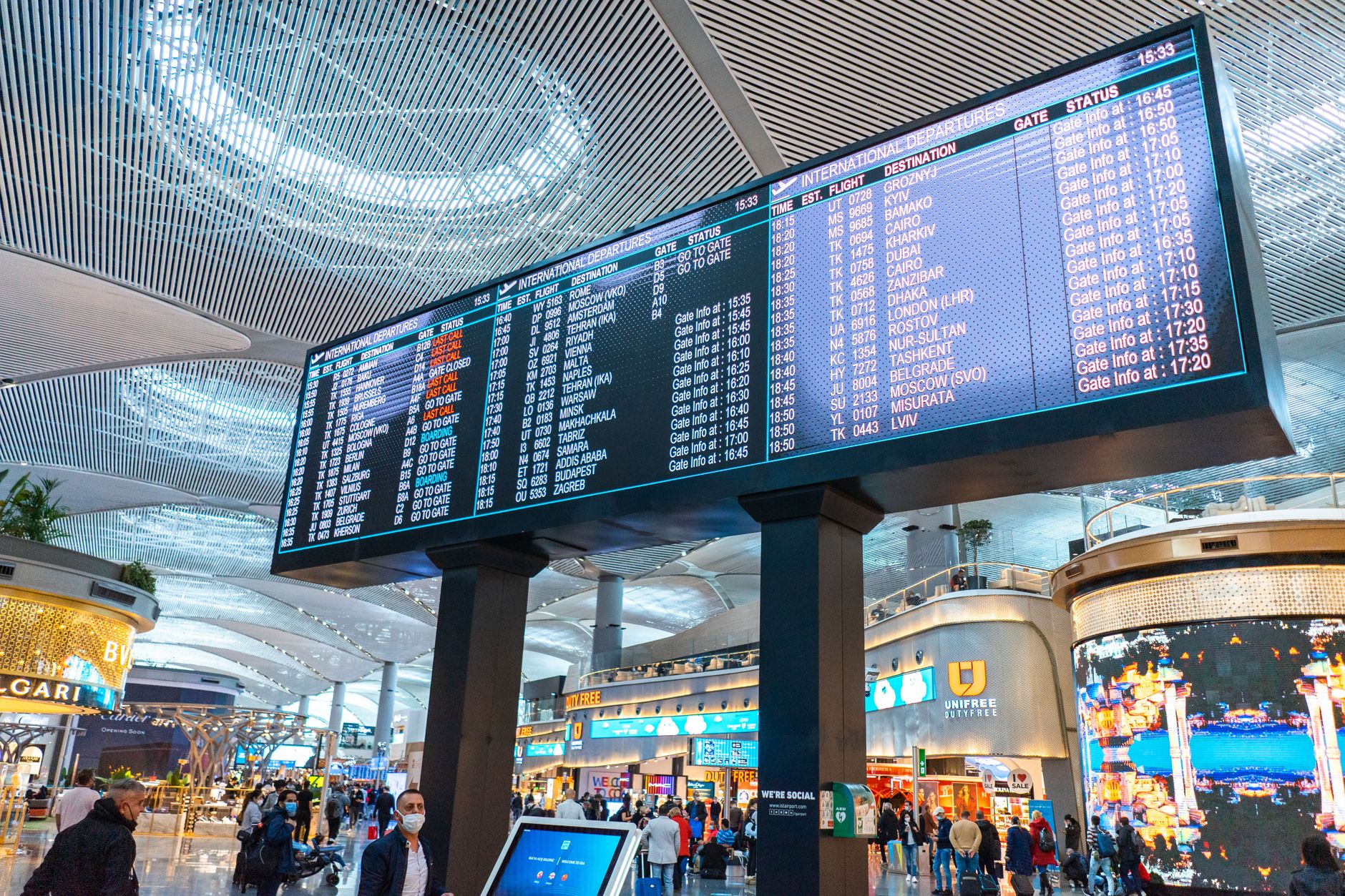
Istanbul Airport, the city's enormous new hub on the European side, is where most international medical travelers land. Its arrivals hall is spacious and well signed, with meeting points near the exit gates that clinics use regularly. Because the airport is large, allow extra time to walk from your gate to baggage claim, and look carefully for your coordinator among the many drivers holding signs.
Sabiha Gökçen International Airport on the Asian side handles a significant share of flights from the Middle East, the Caucasus, and parts of Europe. Several clinics with facilities in the Asian districts maintain desks or regular pickup arrangements here. The arrivals area is more compact, which can make meeting your driver quicker.
Beyond Istanbul, Antalya Airport is a major gateway for patients combining treatment with a coastal recovery, and Izmir Adnan Menderes serves clinics in Turkey's Aegean region. Smaller airports may not have permanent desks, but most providers can still arrange a driver with a name sign if you book in advance.
How to Arrange Your Welcome Service
- Ask early. Request airport pickup when you confirm your treatment dates, not the week before travel. Popular clinics book drivers quickly in peak season.
- Share complete flight details. Give your airline, flight number, arrival time, and terminal, and update the clinic if anything changes.
- Confirm who pays and what is included. Clarify whether the transfer covers your companion, return trips to the airport, and inter-city travel between hotel and hospital.
- Get the meeting instructions in writing. Ask where exactly the coordinator will stand, what the sign will say, and what to do if you are delayed.
- Save the emergency contact. Store the coordinator's number and a backup clinic line in your phone and on paper.
Patients who arrive with a confirmed meeting point and a working phone number consistently report smoother first days than those who improvise at the taxi rank.
Practical Tips for a Smooth Landing
Buy a local SIM card or eSIM before you fly, or activate an international plan, so you can call your coordinator if plans change. Carry a small amount of Turkish lira for incidental costs, even if your transfer is prepaid. Keep your passport and clinic documents in an accessible pocket rather than checked luggage, since you may need them at hotel check-in.
Dress in layers and wear comfortable shoes; airport walks in Istanbul can be long. If you are traveling with a companion, tell the clinic in advance so the vehicle is sized appropriately. And if your flight is delayed or rerouted, message your coordinator as soon as you know, because good welcome desks monitor arrivals and can adjust pickup times.
Finally, treat the welcome desk as a resource, not just a pickup point. Coordinators can answer questions about your schedule, confirm hotel details, and set expectations for the following day, turning an unfamiliar arrival hall into the first reassuring step of your treatment journey.
Thinking about treatment in Turkey?
Send us a question about this site or about the information published on it. This is a publisher's mailbox, not a medical service and not a route to a particular provider — for clinical questions, contact your own doctor.