

Beyond the Operating Room: The Pre-Arrival Care Revolution
When you think of medical travel, you might imagine the surgery itself—the sterile operating room, the skilled surgeon, the recovery ward. But for patients travelling thousands of miles to Türkiye, the most reassuring part of the journey often begins weeks before they ever board a plane. Turkish clinics, particularly those with dedicated international patient departments, have pioneered comprehensive pre-arrival preparation programmes that transform anxiety into confidence.
These programmes are not simply administrative formalities. They are hands-on, personalised care pathways that coordinate everything from blood work to lifestyle guidance, ensuring that when you arrive in Istanbul or Antalya, you are not a stranger in a foreign hospital but a well-prepared patient stepping into a plan you already understand and trust.
In this post, we explore how these programmes work, why they matter especially for long-distance travellers, and what you can expect if you choose Türkiye for your medical procedure.
Blood Work Coordination: Starting the Conversation Early
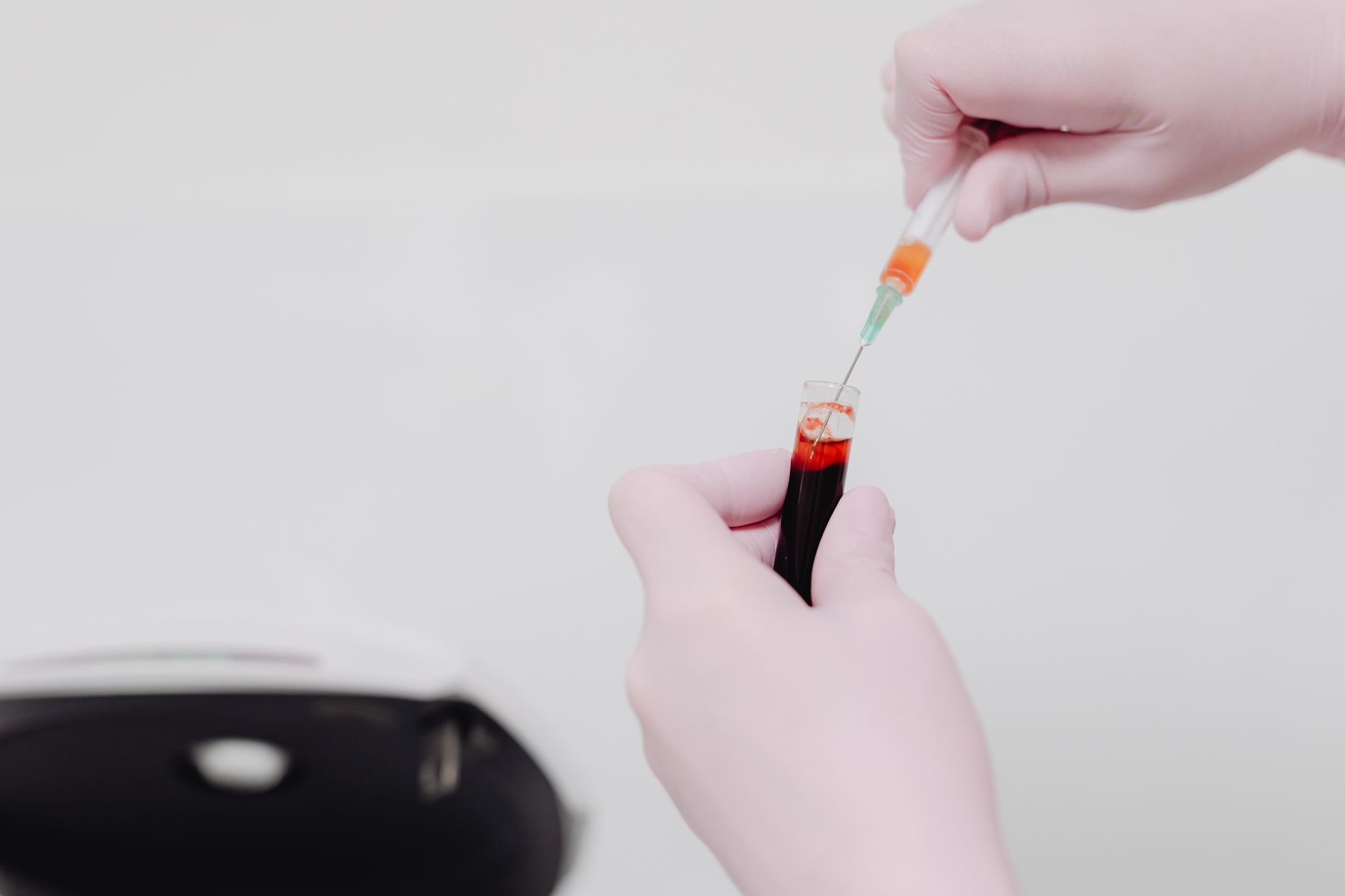
One of the first steps in any surgical journey is a thorough health assessment. Turkish clinics with international patient services understand that asking a patient to complete blood tests after a long-haul flight is neither practical nor pleasant. Instead, they coordinate with you to arrange blood work in your home country, often weeks before your scheduled arrival.
How does this work? Typically, a patient coordinator—often fluent in your language—will send you a detailed list of required tests, along with guidance on where to have them done locally. Some clinics even have partnerships with laboratories in major cities worldwide, streamlining the process. You complete the tests at your convenience, and the results are shared securely with your medical team in Türkiye.
This early blood work serves multiple purposes. It allows the medical team to identify any underlying conditions that might affect surgery, such as anaemia, infections, or organ function issues. It also enables them to adjust medications or recommend further tests if needed, all before you travel. For patients with chronic conditions like diabetes or hypertension, this pre-emptive coordination is invaluable—it means fewer surprises on arrival and a smoother surgical experience.
Moreover, having your blood work done ahead of time reduces the length of your stay in Türkiye. You spend less time in waiting rooms and more time focusing on recovery. For patients travelling from afar, every day counts.
Lifestyle Guidance: Preparing Your Body and Mind
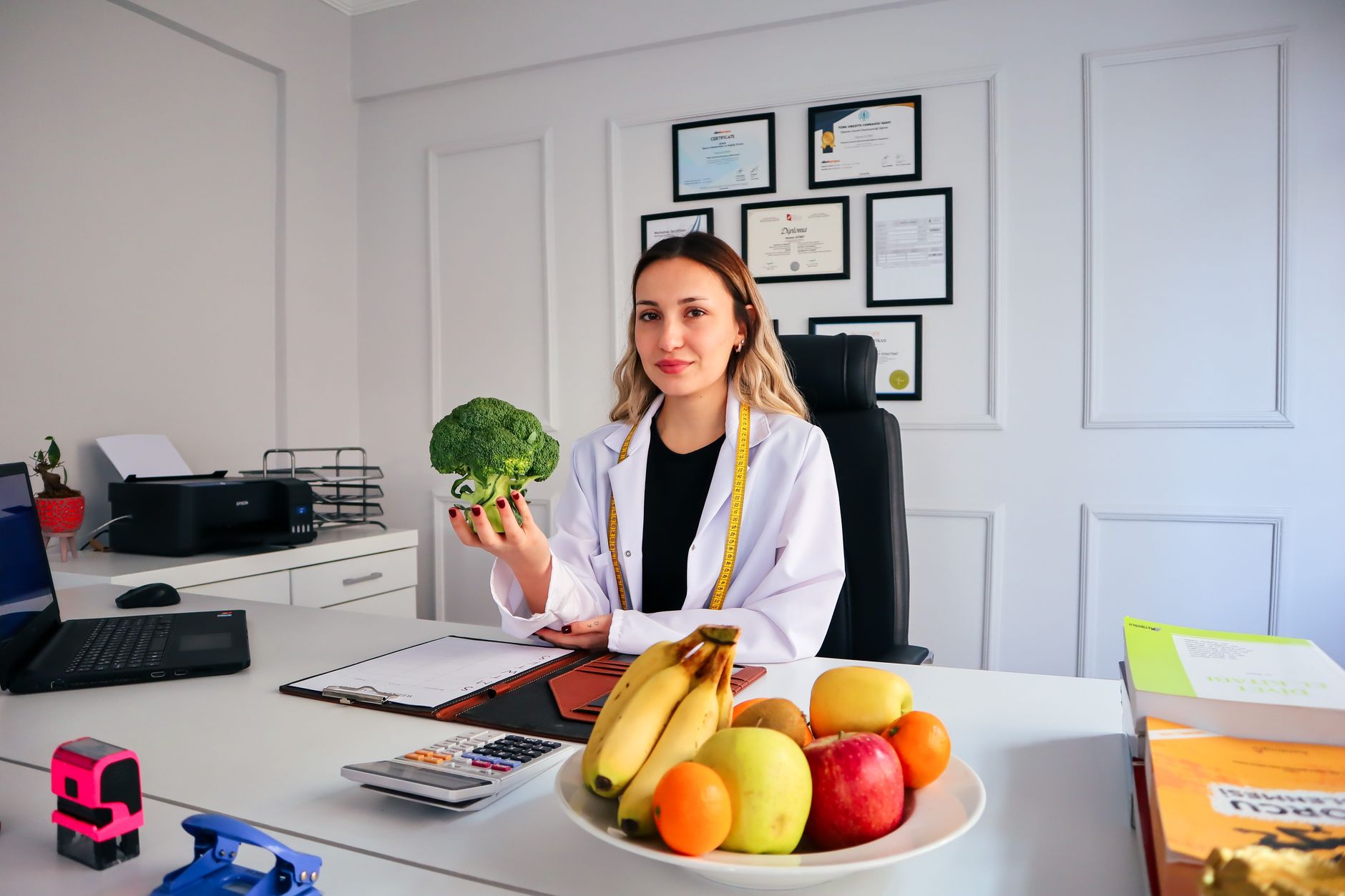
Surgery is not just a physical event; it is a significant life event that demands mental and emotional preparation. Turkish clinics recognise this and offer personalised lifestyle guidance in the weeks leading up to your procedure. This guidance covers nutrition, exercise, smoking cessation, and stress management, all tailored to your specific surgery and health profile.
For example, if you are preparing for bariatric surgery, you may receive a detailed meal plan designed to optimise your liver health and reduce surgical risks. If you are undergoing orthopaedic surgery, you might be given gentle exercises to strengthen supporting muscles. Even for cosmetic procedures, clinics often provide advice on skincare and sun exposure to enhance outcomes.
This guidance is not generic. It is delivered by nurses, dietitians, or patient educators who review your medical history and communicate with your surgeon. They answer your questions, address your concerns, and help you set realistic expectations. For many patients, this personalised attention is a source of great comfort—it signals that the clinic sees them as an individual, not just a case.
Importantly, lifestyle guidance also includes practical advice for the journey itself. You might receive tips on managing jet lag, staying hydrated during the flight, and what to pack for your hospital stay. These small details add up to a sense of being cared for, even from thousands of miles away.
Video Check-Ins: Face-to-Face Care Across Borders
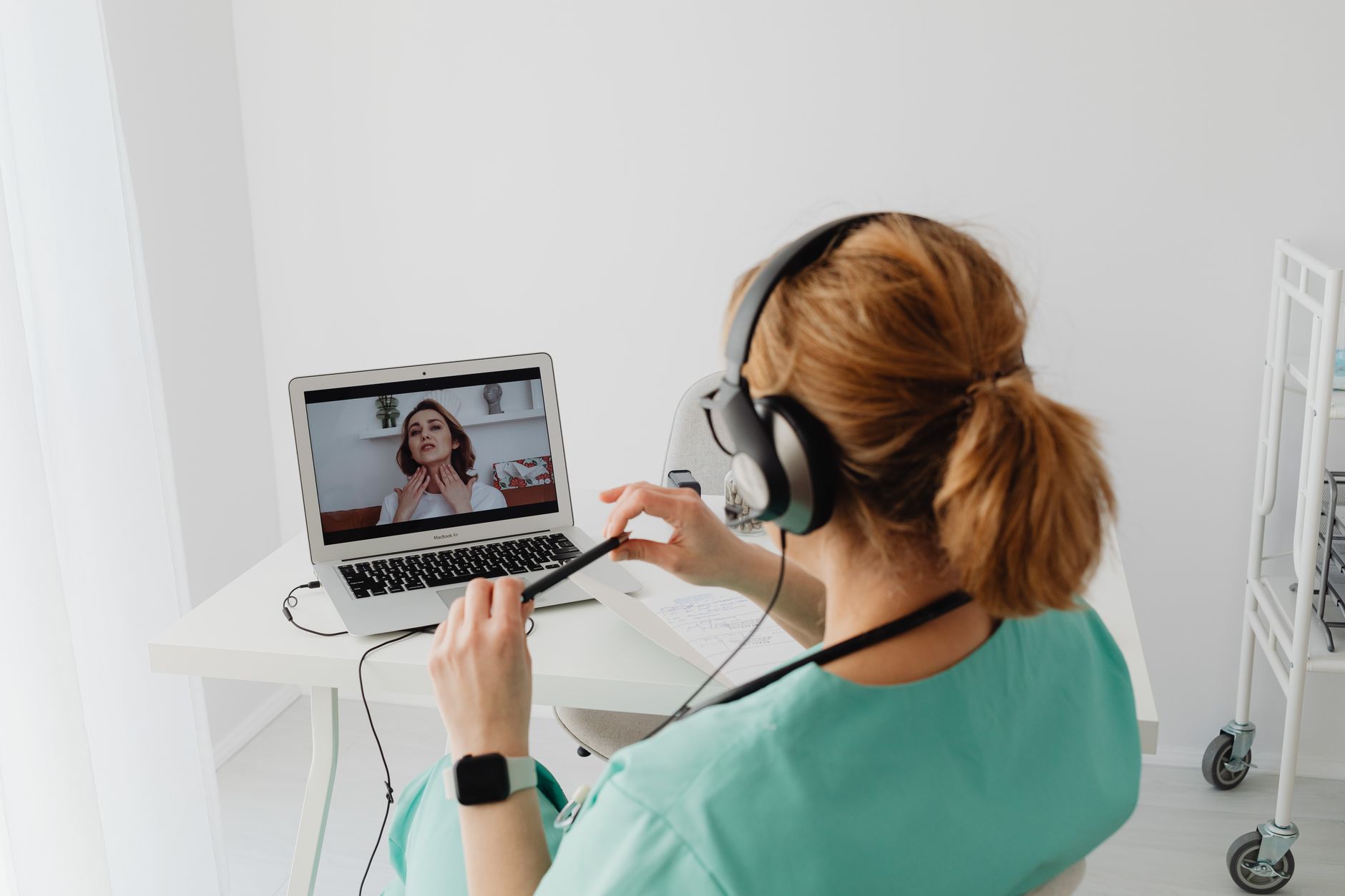
Technology has revolutionised medical travel, and Turkish clinics are at the forefront. Video check-ins—scheduled video calls with your surgeon, anaesthesiologist, or patient coordinator—have become a cornerstone of pre-arrival preparation. These virtual consultations allow you to see and speak with your care team, ask questions in real time, and build a relationship before you meet in person.
Typically, you will have at least one or two video check-ins before your trip. The first might be an initial consultation where the surgeon reviews your medical history, discusses the procedure, and outlines risks and benefits. Subsequent calls might focus on reviewing test results, finalising the surgical plan, or simply checking in on your emotional well-being.
For patients travelling long distances, video check-ins are a game-changer. They bridge the gap between your home and the clinic, making the process feel less impersonal. You can show the surgeon a concerning mole, demonstrate your range of motion, or introduce your family to the team who will care for you. These interactions build trust and reduce the anxiety of the unknown.
Many clinics also use secure messaging apps for ongoing communication between video calls. You can send photos, ask follow-up questions, or request clarification on instructions. The response is often swift—patient coordinators are used to working across time zones and are committed to keeping you informed.
Reducing Surprises: The Confidence Factor
The ultimate goal of these pre-arrival programmes is to eliminate surprises. When you arrive in Türkiye, you already know your surgeon’s face, have discussed your blood work results, and have a clear understanding of what will happen each day. This familiarity breeds confidence, which in turn supports better surgical outcomes.
Consider the alternative: arriving in a foreign country, navigating a language barrier, and meeting your surgeon for the first time on the eve of surgery. The stress of such a scenario can elevate blood pressure, disrupt sleep, and impair healing. Turkish clinics have designed their pre-arrival programmes precisely to avoid this scenario.
Patients who have gone through these programmes often report feeling like they are reuniting with friends rather than entering a strange hospital. They know where to go, who to ask for, and what to expect. This peace of mind is particularly valuable for patients travelling alone or those who have never been abroad before.
Furthermore, the pre-arrival preparation allows clinics to identify and address potential issues early. If a patient’s blood work reveals an infection, surgery can be postponed until it is treated, avoiding complications. If a patient is struggling with anxiety, additional support can be arranged. This proactive approach is a hallmark of high-quality care.
Practical Benefits for Long-Distance Travellers
For patients flying in from North America, Europe, the Middle East, or beyond, the practical benefits of these programmes are substantial. First, they save time. By completing blood work and consultations before travel, you minimise the number of days you need to spend in Türkiye. This can significantly reduce travel costs and time away from work and family.
Second, they reduce the risk of last-minute cancellations. If a health issue is detected early, you can adjust your plans without the expense and stress of changing flights and accommodation at the last minute. Some clinics even offer flexible scheduling to accommodate such changes.
Third, they provide cultural and logistical orientation. Pre-arrival materials often include information about the hospital, the neighbourhood, transportation options, and local customs. You might receive a video tour of the facility or a guide to halal restaurants nearby. This helps you feel at home faster.
Finally, they offer emotional support. Travelling for medical care can be lonely. Knowing that a coordinator is just a message away, and that your surgeon has already taken an interest in your case, can alleviate feelings of isolation. Many patients stay in touch with their coordinators long after they return home, a testament to the bond formed during the preparation phase.
What to Expect: A Timeline of Preparation
So, what does the typical pre-arrival timeline look like? While each clinic is different, most follow a similar pattern. Six to eight weeks before surgery, you will have an initial video consultation and receive a list of required tests. You schedule these tests at your convenience and share the results with your coordinator.
Four to six weeks before, you will have a follow-up video call to discuss results and finalise the surgical plan. You will also receive personalised lifestyle guidance and a detailed itinerary for your stay. Two to four weeks before, you will confirm your travel arrangements and have a final check-in to address any last-minute questions.
One week before, you will receive a reminder of what to pack and how to prepare for the journey. You may also have a brief call with the anaesthesiologist to review your medical history one last time. Upon arrival, you will meet the team in person, but by then, you will already feel like part of the family.
Conclusion: A New Standard in Medical Travel
Türkiye’s international patient departments have set a new standard in medical travel by prioritising preparation and communication. Their pre-arrival programmes—coordinating blood work, offering lifestyle guidance, and conducting video check-ins—demonstrate a commitment to patient-centred care that goes far beyond the operating room.
For patients travelling long distances, these programmes offer tangible benefits: reduced travel time, fewer surprises, and greater confidence. They transform the medical journey from a leap of faith into a well-planned partnership. If you are considering surgery in Türkiye, ask about the pre-arrival preparation available. It might just be the most reassuring part of your experience.
Thinking about treatment in Turkey?
Send us a question about this site or about the information published on it. This is a publisher's mailbox, not a medical service and not a route to a particular provider — for clinical questions, contact your own doctor.