

Türkiye's Quiet Revolution: Comfort as a Clinical Priority
Walk into a modern Turkish hospital and you will notice something subtle but profound: nobody is expected to "tough it out." In Türkiye, patient comfort is not an afterthought or a luxury upgrade — it is written into clinical protocols, staffing ratios and hospital design. Anaesthesiology has become one of the country's proudest medical specialties, with dedicated teams whose entire job is to make sure you feel calm, safe and pain-free from the moment you arrive until long after your procedure ends.
This matters enormously for international patients. Whether you are flying to Istanbul for dental implants, a rhinoplasty, a hair transplant or knee surgery, the difference between a stressful treatment day and a genuinely restful one often comes down to sedation. Turkish clinics have mastered the full spectrum — from simple local numbing to full general anaesthesia — and they tailor every option to your body, your history and your fears.
In this guide, we compare the sedation pathways you are likely to encounter, explain how anaesthesiologists decide what is right for you, and celebrate why so many patients leave Türkiye saying the same thing: "I didn't feel a thing — and I actually felt cared for."
Local Anaesthesia: Precision Numbing for Awake, Easy Procedures
Local anaesthesia is the simplest and most common pathway. A dentist or surgeon numbs a specific area — a jaw quadrant, a patch of skin, a joint — while you remain fully awake and alert. In Turkish dental clinics, this is the standard for fillings, crowns, root canals and many implant placements. Modern agents act quickly, last predictably and wear off gently, so you can often walk out and enjoy a light lunch afterwards.
What sets Turkish practice apart is the attention to the injection itself. Clinicians use ultra-fine needles, topical numbing gel applied before the injection, and slow, steady delivery to minimise that brief sting. Many clinics also use buffered anaesthetic solutions that reduce the burning sensation some patients remember from older techniques.
If your procedure is small and your anxiety is low, local anaesthesia may be all you need. But if the thought of being awake makes your palms sweat, Türkiye's clinics have elegant next steps — and they will never make you feel silly for asking.
Light Sedation and Conscious Sedation: The Gentle Middle Ground
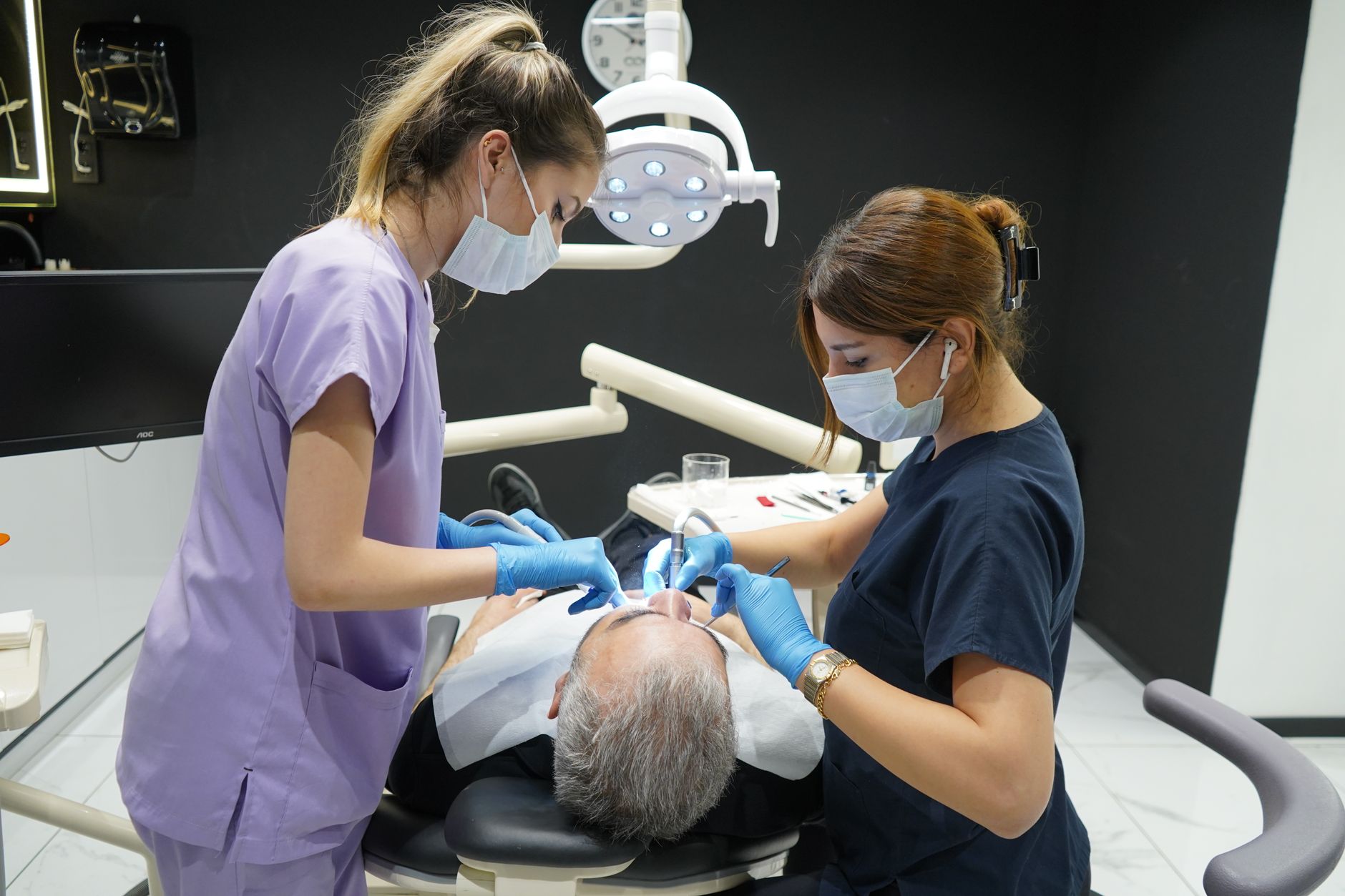
Light sedation, sometimes called anxiolysis or "twilight" sedation, takes the edge off without putting you fully to sleep. You remain responsive, you can answer questions, but you feel pleasantly detached and relaxed. It is ideal for longer dental sessions, wisdom-tooth removal, hair transplantation or minor cosmetic procedures where staying still matters.
Conscious sedation goes one step further. Delivered intravenously by an anaesthesiologist, it produces a deeper calm while protecting your airway and breathing reflexes. You may drift in and out, remember little of the procedure, and wake up feeling as though you simply had a very good nap. In Turkish hospitals, conscious sedation is administered only in properly equipped settings with continuous monitoring — never in a corridor or a converted room.
The beauty of these middle-ground options is their flexibility. Your anaesthesiologist can dial the depth up or down during the procedure, responding to your comfort in real time. For anxious patients, this is often the sweet spot: no general anaesthesia, no white-knuckle gripping of the chair, just calm and quiet.
General Anaesthesia: Full Sleep for Complex or Combined Procedures
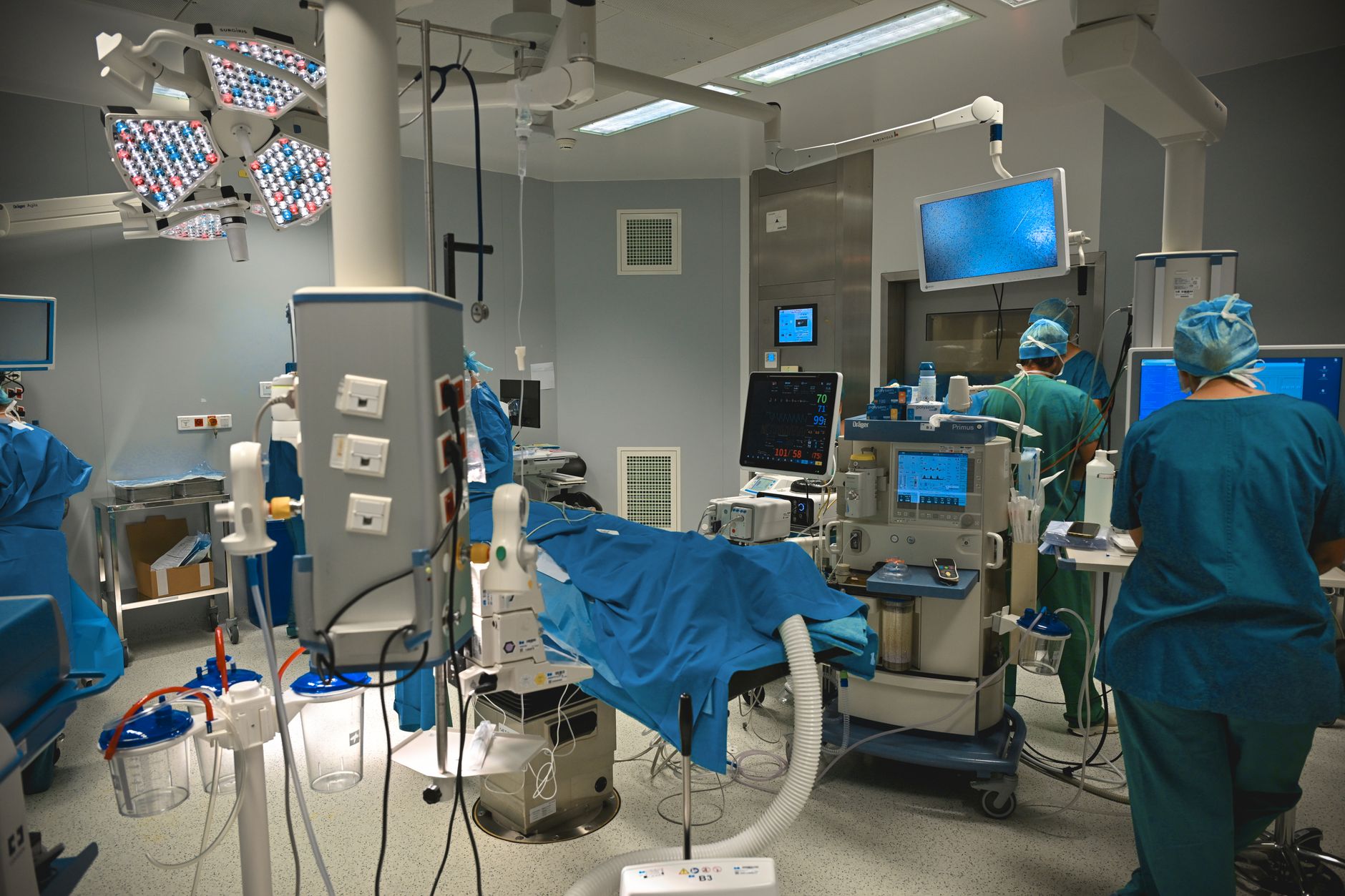
General anaesthesia places you completely unconscious and unaware, with your breathing supported and every vital sign watched by a dedicated professional. Turkish hospitals use it for major orthopaedic operations such as knee or hip replacement, complex facial surgery, extensive dental reconstruction and combined procedures where several treatments are performed in one session.
In Türkiye, general anaesthesia is delivered by physician anaesthesiologists — not technicians — supported by modern anaesthesia machines, capnography, depth-of-anaesthesia monitoring and temperature management. The goal is not simply sleep; it is a carefully controlled physiological state with smooth induction, stable maintenance and a gentle, nausea-minimised emergence.
Many international patients are surprised to learn that they can combine procedures under one general anaesthetic — for example, a rhinoplasty plus dental work — saving recovery time and avoiding multiple sedation episodes. Your surgical team will discuss whether combining treatments is medically appropriate for you.
How Anaesthesiologists Assess Your Fitness Before Treatment Day
No sedative is given in a vacuum. Before your procedure, you will meet an anaesthesiologist for a pre-operative assessment. This is a thorough, unhurried conversation and examination covering your medical history, medications, allergies, previous anaesthetic experiences, heart and lung health, kidney function, blood tests and imaging.
They will ask about snoring and sleep apnoea, asthma, diabetes, blood pressure, reflux and any family history of anaesthetic complications. If you take blood thinners, insulin or herbal supplements, they will advise exactly what to pause and when. For patients with complex histories — heart disease, obesity, previous reactions, rare conditions — Turkish hospitals routinely request additional cardiology or pulmonology input before clearing you for sedation.
This assessment is also where your anxiety is taken seriously. Tell them you are frightened, and they will adjust the plan: perhaps a pre-medication to relax you the night before, a deeper sedation level, or extra time to talk through every step. Fitness for anaesthesia is not a yes-or-no tick box in Türkiye; it is a personalised plan built around your whole self.
Monitoring Throughout: Your Safety Net in Real Time
Once sedation begins, monitoring becomes continuous. Your anaesthesiologist tracks heart rhythm, blood pressure, oxygen saturation, breathing rate, carbon dioxide levels and, where appropriate, brain-wave depth of anaesthesia. Dedicated equipment alarms at the slightest deviation, and the team responds before problems become events.
In Turkish hospitals, the ratio of anaesthesia staff to patients is deliberately generous. You are never left alone during sedation. A nurse or anaesthesiologist remains at your side, adjusting medications, keeping you warm, positioning you comfortably and documenting every change.
After the procedure, you move to a recovery area where monitoring continues until you are fully alert, comfortable and stable. Pain is managed proactively — before it escalates — using multimodal analgesia that often includes long-acting local blocks, paracetamol, anti-inflammatories and, only when needed, gentle opioids. Nausea and shivering are treated promptly, because comfort after surgery is just as important as comfort during it.
Why Anxious and Complex Patients Thrive in Turkish Clinics
Türkiye has become a global destination not only for technical excellence but for emotional intelligence in care. Clinics employ multilingual patient coordinators, offer calm pre-operative lounges, and encourage family members to stay nearby. For patients with dental phobia or needle anxiety, teams build gradual trust with pre-visits, explanatory videos and unhurried conversations.
Patients with complex medical histories are accommodated rather than turned away. Whether you have well-controlled hypertension, a history of difficult intubations, a pacemaker or a rare metabolic condition, Turkish hospital anaesthesiology departments have seen it and planned for it. They coordinate with your doctors at home when needed, and they document everything for your repatriation.
The result is a care experience where you feel held — physically safe, emotionally reassured and genuinely comfortable. Thousands of international patients each year describe their treatment day in Türkiye as surprisingly restful, even pleasant. That is not an accident. It is the product of deliberate clinical culture that places the patient's experience at the centre of every decision.
Choosing Your Pathway: A Simple Comparison
- Local anaesthesia: Awake, targeted numbing. Best for small dental work, minor skin procedures, quick biopsies. No sedation team required.
- Light sedation: Relaxed but responsive. Ideal for anxious patients, longer dental sessions, hair transplants, minor cosmetic treatments.
- Conscious sedation: Deeper calm with IV medication, still breathing independently. Suits wisdom teeth, implant batches, short cosmetic procedures.
- General anaesthesia: Fully asleep, airway supported. Used for orthopaedic surgery, rhinoplasty, combined procedures, complex reconstruction.
Your final plan will be a collaboration between you, your surgeon and your anaesthesiologist. Ask questions freely. In Türkiye, an informed patient is considered a safer, happier patient — and comfort is always the clinical priority.
Thinking about treatment in Turkey?
Share your contact details and a verified doctor will follow up with a plan built around you — free, no obligation.