

Healing Starts on the Plate: Türkiye's Patient-First Nutrition Philosophy
When international patients travel to Türkiye for medical treatment, they often expect advanced technology, skilled surgeons, and modern facilities. What they may not anticipate is the extraordinary thoughtfulness that goes into something as seemingly simple as a hospital meal. In Türkiye, food is not an afterthought in the recovery process — it is a cornerstone of holistic, patient-centered care.
Turkish hospitals have long recognized that nutrition plays a critical role in post-surgical healing, immune function, and emotional well-being. That's why many leading medical centers in Istanbul, Ankara, and Izmir employ professional chefs and clinical dietitians who work together to design menus that are not only medically appropriate but also culturally familiar, comforting, and delicious.
For international patients far from home, this approach transforms the hospital experience. A warm bowl of lentil soup, a freshly prepared vegetable stew, or a yogurt-based dessert can provide a sense of normalcy and calm during a stressful time. This is the essence of Türkiye's patient-first philosophy: treating the whole person, not just the condition.
The Science and Soul of Post-Surgical Nutrition
After surgery, the body requires specific nutrients to rebuild tissue, fight infection, and regain strength. Protein supports wound healing, vitamin C aids collagen formation, zinc boosts immunity, and fiber helps restore digestive health. Turkish hospital dietitians translate these clinical requirements into practical, appetizing meals.
But they also understand that food is emotional. Patients who are anxious, in pain, or homesick may lose their appetite. When a meal looks and smells familiar — whether it's a creamy hummus, a soothing rice pilaf, or a bowl of chicken soup with vermicelli — patients are more likely to eat, and eating well accelerates recovery.
Turkish cuisine is naturally aligned with healing principles. It emphasizes fresh vegetables, legumes, olive oil, yogurt, whole grains, and lean proteins. Dishes like mercimek çorbası (red lentil soup), sebze güveç (vegetable casserole), and cacık (yogurt with cucumber) are both nutritious and easy to digest. Dietitians often adapt these traditional recipes to meet specific dietary needs — reducing sodium, adjusting spices, or modifying textures — without sacrificing flavor.
"We don't just feed patients; we nourish them back to health. Every meal is a chance to show we care about their recovery and their comfort." — A Turkish hospital dietitian
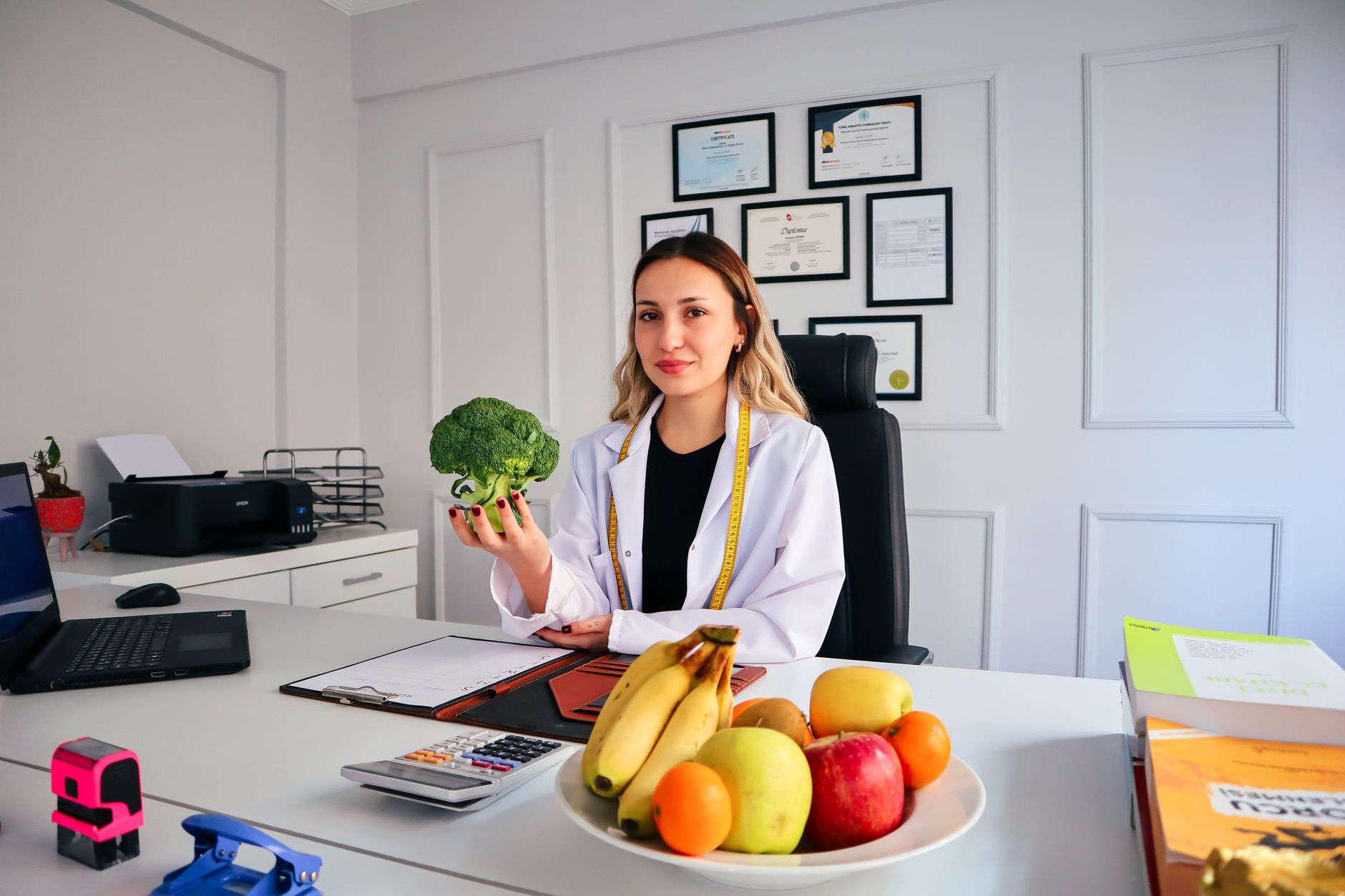
Meet the Experts: Hospital Chefs and Clinical Dietitians
In many Turkish hospitals, the kitchen is run by professional chefs trained in both classical culinary techniques and therapeutic cooking. They collaborate closely with clinical dietitians who assess each patient's nutritional status, medical history, and dietary restrictions. Together, they create individualized meal plans that may include texture-modified diets (soft, pureed, or liquid), allergen-free options, and culturally specific dishes.
This interdisciplinary teamwork is a hallmark of Türkiye's approach to medical tourism. Dietitians don't simply hand over a list of restrictions; they visit patients, learn about their food preferences, and adjust menus accordingly. Chefs then bring those plans to life, using fresh, locally sourced ingredients and traditional cooking methods.
For international patients, this means they can enjoy meals that feel like home — whether they crave a mild curry, a Mediterranean salad, or a hearty stew. Turkish hospitals often stock international ingredients and employ multilingual staff to ensure clear communication about dietary needs. The goal is to eliminate the stress of unfamiliar food, allowing patients to focus entirely on healing.
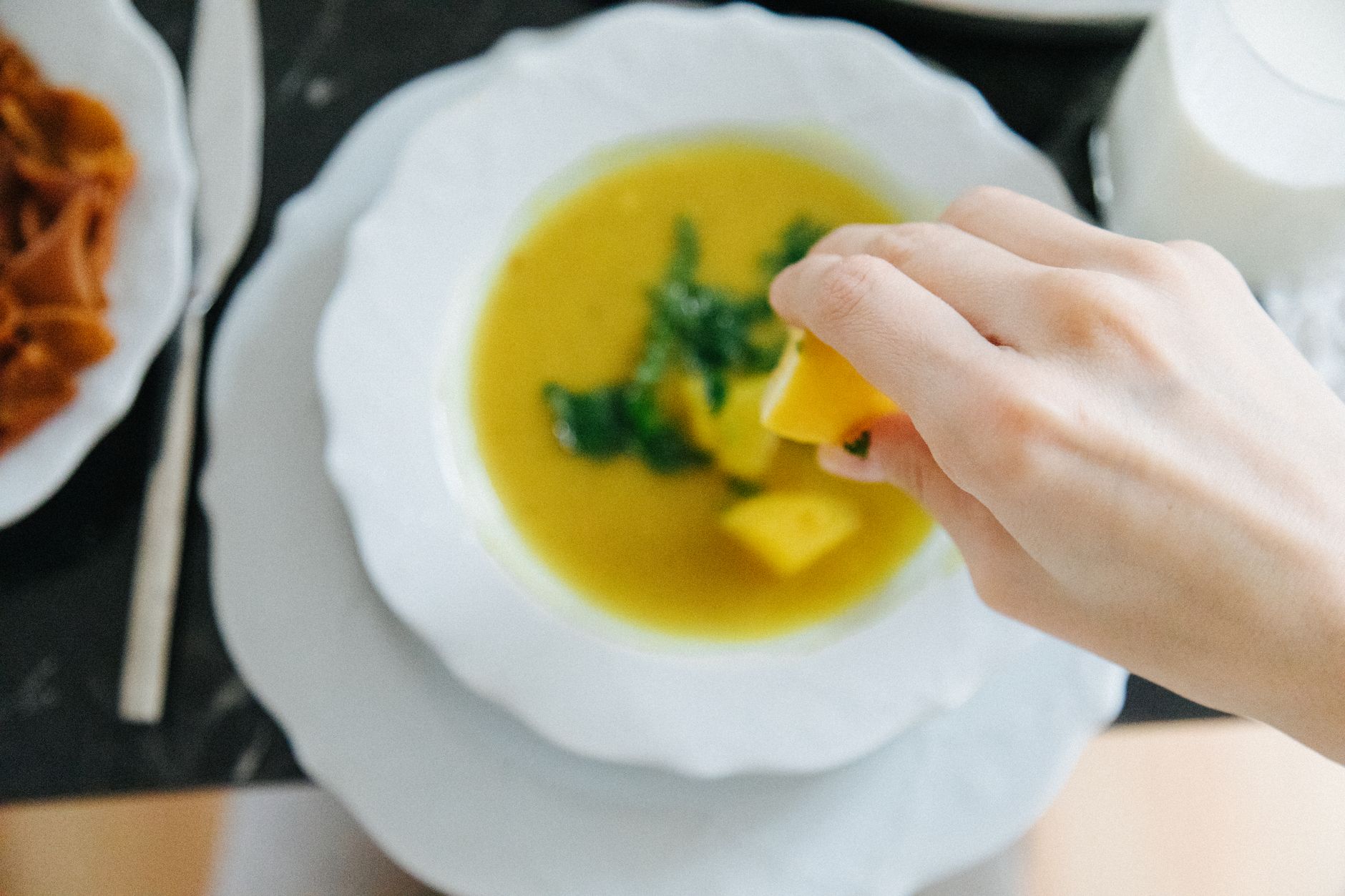
Cultural Familiarity: A Taste of Home in Every Bite
Imagine recovering from surgery in a foreign country and being served a meal that reminds you of your grandmother's kitchen. That's the level of care Turkish hospitals aim to provide. For patients from the Middle East, Central Asia, the Balkans, and beyond, Turkish cuisine often feels remarkably familiar. Shared culinary traditions — like stuffed vegetables, grilled meats, and yogurt-based sauces — create an instant sense of comfort.
For patients from other regions, hospitals go the extra mile to offer diverse cuisines. Many facilities have dedicated international menus that include Asian, European, and American dishes. Vegetarian, vegan, halal, and kosher meals are readily available. Some hospitals even provide room-service-style dining, allowing patients to order what they want when they feel hungry, rather than adhering to fixed meal times.
This cultural sensitivity is not just a nice gesture; it's a strategic part of recovery. Studies show that when patients eat familiar foods, they consume more calories and nutrients, which leads to faster healing and shorter hospital stays. Turkish hospitals have turned this insight into a competitive advantage, making them a preferred destination for medical travelers from around the world.
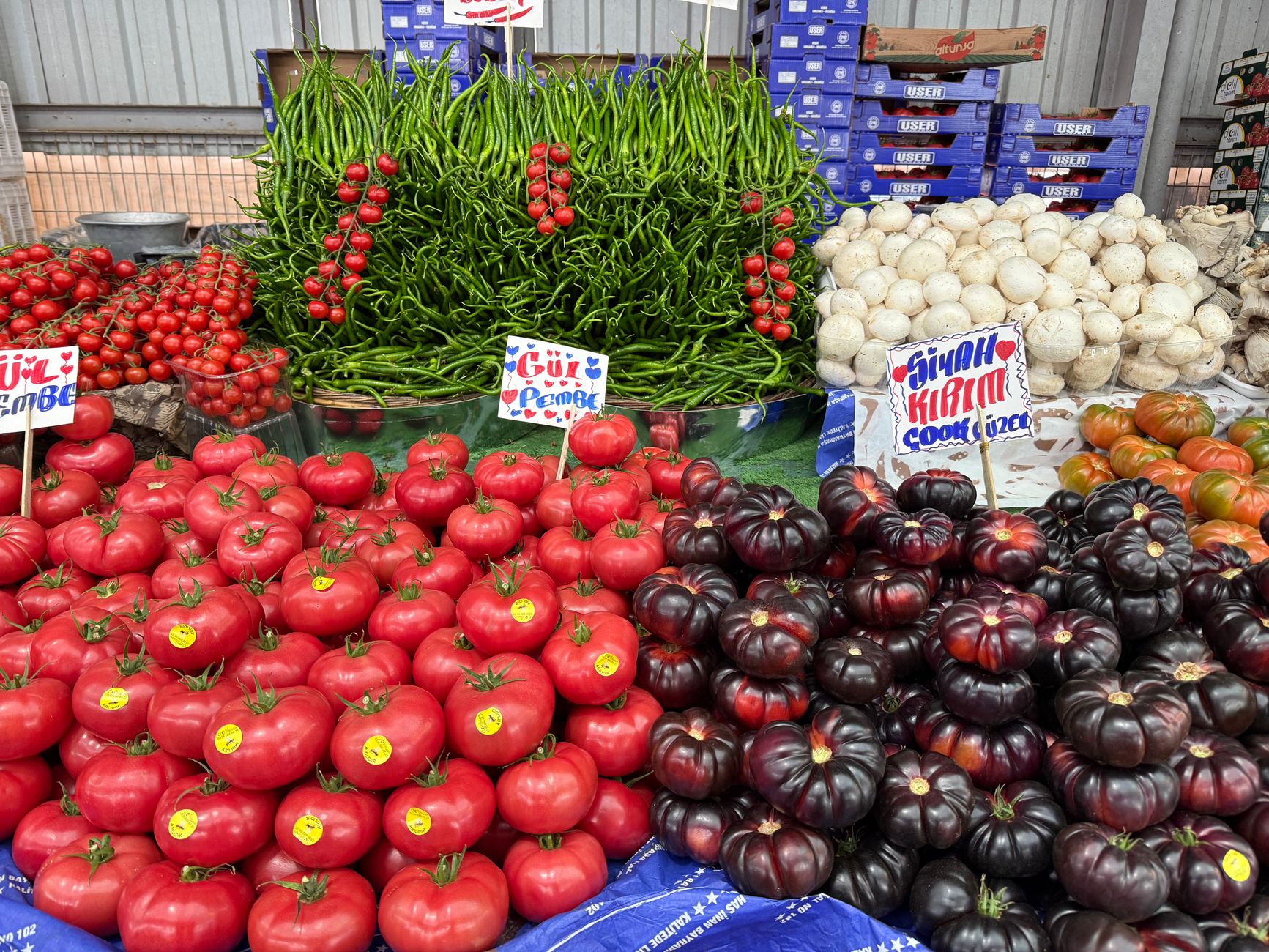
From Farm to Hospital Bed: Fresh, Local, and Seasonal
Turkish hospital chefs take pride in sourcing fresh, seasonal produce from local markets and farms. Türkiye's diverse climate allows for a year-round supply of vegetables, fruits, herbs, and legumes. Menu planners build their offerings around what's in season, ensuring maximum flavor and nutritional value.
This farm-to-bed approach also supports sustainability and local economies. Hospitals may partner with nearby organic farms or cooperatives to supply ingredients for patient meals. In some cases, hospital gardens grow herbs like mint, parsley, and dill, which are used to garnish dishes and enhance their therapeutic properties.
For patients, the result is food that tastes vibrant and wholesome, not institutional. A simple tomato and cucumber salad with olive oil and lemon becomes a refreshing source of vitamins. A bowl of yogurt and honey provides probiotics and natural energy. These small details add up to a significantly better patient experience.

Beyond the Plate: Nutrition Education for Long-Term Health
Turkish hospitals don't stop at serving healthy meals; they also empower patients with knowledge. Dietitians provide nutrition counseling before discharge, helping patients understand how to continue their recovery at home. They offer guidance on portion sizes, food combinations, and cooking methods that support ongoing healing.
International patients often receive customized discharge meal plans that incorporate their cultural preferences and local food availability. Some hospitals offer virtual follow-up consultations to monitor progress and adjust recommendations as needed. This continuity of care ensures that the benefits of hospital nutrition extend far beyond the stay.
Moreover, patients learn about the Mediterranean diet, which is rich in fruits, vegetables, whole grains, and healthy fats. Türkiye's culinary traditions are closely aligned with this globally recognized healthy eating pattern, making it easy for patients to adopt heart-healthy habits once they return home.
A Holistic Approach to Medical Tourism
Türkiye's reputation as a top medical tourism destination is built on much more than affordable prices and advanced technology. It's the holistic, patient-first approach that sets the country apart. From the moment patients arrive, they are treated with warmth, respect, and genuine care — and that care extends to every meal they eat.
By combining the expertise of chefs and dietitians, Turkish hospitals create healing menus that address both body and soul. They honor cultural traditions while meeting medical needs, proving that food can be powerful medicine. For international patients, this means a recovery experience that feels less like a hospital stay and more like a restorative retreat.
If you're considering medical treatment abroad, think about where you'll feel most cared for — not just in the operating room, but at the dining table. Türkiye offers a unique blend of clinical excellence and culinary compassion that is hard to find anywhere else. Come for the treatment; stay for the healing — one delicious, nourishing meal at a time.
Thinking about treatment in Turkey?
Share your contact details and a verified doctor will follow up with a plan built around you — free, no obligation.