

Turkey's Rise as a Health Tourism Destination
Turkey has emerged as a global leader in health tourism, attracting hundreds of thousands of international patients each year. This impressive growth is not accidental; it is built on a foundation of rigorous standards, comprehensive accreditation, and a commitment to quality that sets Turkish healthcare facilities apart.
Whether you're considering cosmetic surgery, dental work, or a complex medical procedure, understanding how Turkish health facilities are authorised and monitored is essential for making an informed decision. This article explores the robust framework that ensures safety and excellence in Turkish health tourism.
Authorisation and Monitoring by the Turkish Ministry of Health
All healthcare facilities in Turkey must be licensed and authorised by the Turkish Ministry of Health (MoH). The MoH sets stringent criteria for infrastructure, staffing, equipment, and hygiene, and conducts regular inspections to ensure compliance. Facilities that fail to meet these standards face penalties, including suspension or revocation of their operating licenses.
In addition, the MoH requires health tourism facilities to obtain a special authorisation certificate. This involves a thorough evaluation of the facility's capacity to serve international patients, including language support, international patient services, and adherence to ethical marketing practices.
The MoH also mandates that all medical procedures be performed by licensed healthcare professionals who hold recognized qualifications. Continuous medical education is encouraged, and many Turkish physicians pursue international training and board certifications.
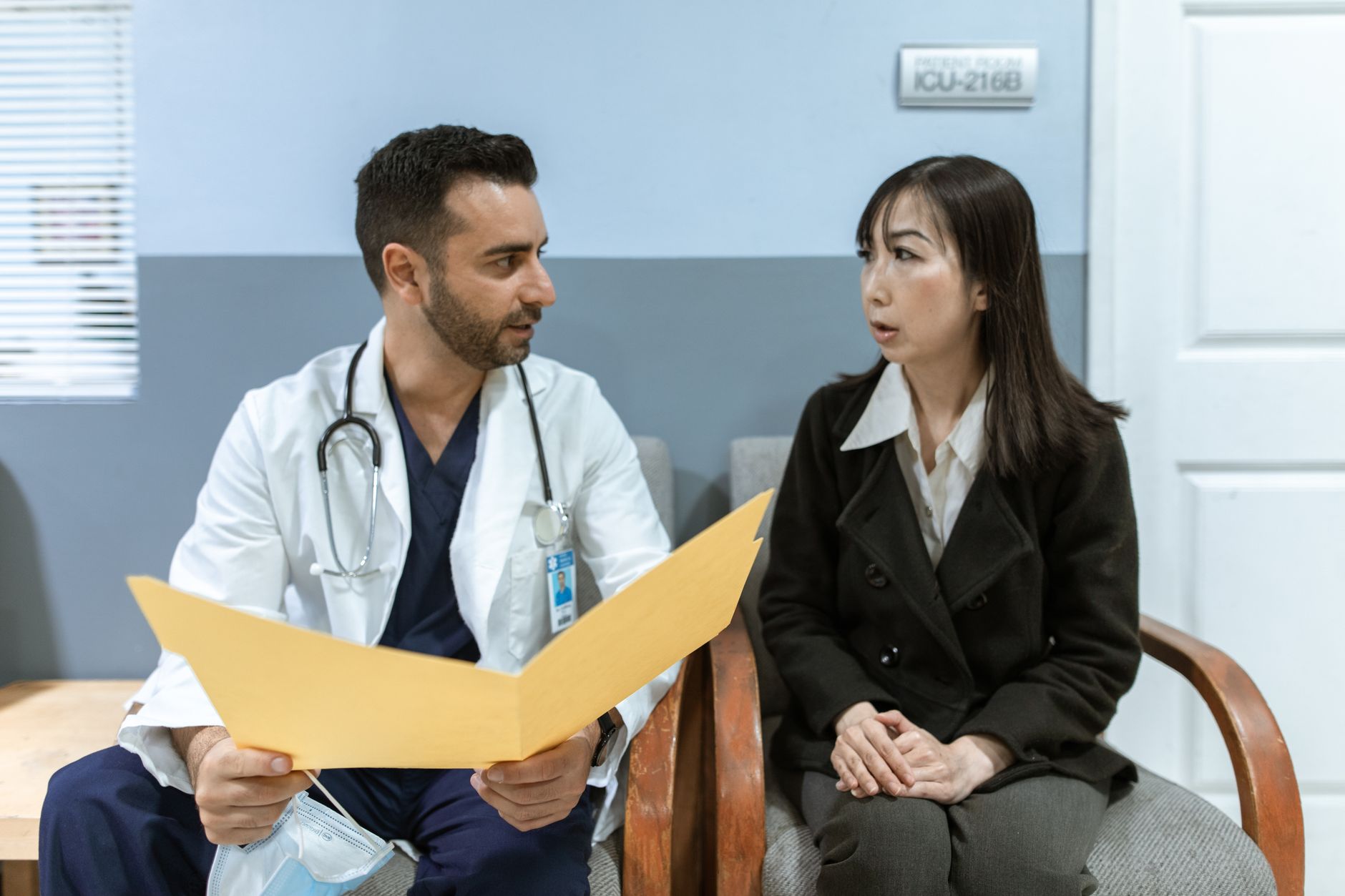
National Accreditation: The Turkish Health Care Quality and Accreditation Institute
Beyond basic licensing, many Turkish hospitals and clinics voluntarily undergo accreditation by the Turkish Health Care Quality and Accreditation Institute (TÜSKA). TÜSKA is an independent body established by the MoH to promote quality improvement in healthcare. Its accreditation process involves a comprehensive review of clinical services, patient safety, infection control, and patient rights.
Facilities accredited by TÜSKA demonstrate a commitment to excellence that goes beyond regulatory requirements. The accreditation is awarded for a limited period, with periodic re-evaluations to ensure ongoing compliance.
International Accreditation: JCI and Other Global Standards
Many leading Turkish hospitals have achieved accreditation from the Joint Commission International (JCI), the gold standard in global healthcare quality. JCI accreditation is recognized worldwide and signifies that a facility meets rigorous international patient safety and quality standards.
As of 2023, Turkey is home to one of the highest numbers of JCI-accredited hospitals in the world, a testament to the country's dedication to world-class care. Other international accreditations, such as ISO 9001 for quality management and TEMOS for medical tourism, are also common among Turkish health facilities.
"Accreditation is not just a badge; it's a promise of safety, transparency, and continuous improvement. Turkish facilities embrace this promise wholeheartedly."
Practical Steps to Verify a Clinic's Credentials
When choosing a healthcare provider in Turkey, it's important to do your due diligence. Here are practical steps to verify a clinic's credentials:
- Check Ministry of Health Licensing: Ask the facility for its MoH license number and verify it with the ministry's online database.
- Look for Accreditation: Confirm whether the facility holds TÜSKA, JCI, or other relevant accreditations. You can verify JCI accreditation on the Joint Commission International website.
- Research the Medical Team: Ensure that your surgeon or physician is board-certified and has experience in your specific procedure. Look for professional memberships and patient reviews.
- Review Transparency: Reputable clinics provide clear information about pricing, potential risks, and aftercare. Be wary of unusually low prices or guarantees that seem too good to be true.
- Seek Recommendations: Consult your local doctor or patient forums for recommendations and experiences with Turkish clinics.
What This Means for Your Peace of Mind
Turkey's robust accreditation system ensures that international patients receive care that meets global standards. Knowing that a facility is licensed, regularly inspected, and accredited by reputable organizations can significantly reduce anxiety and allow you to focus on your recovery.
Moreover, accredited facilities often provide comprehensive international patient services, including translation, travel arrangements, and post-operative follow-up, making your medical journey seamless and stress-free.
Conclusion: Trust in Verified Quality
Turkey's commitment to quality assurance in healthcare is evident at every level, from ministry oversight to international accreditation. By taking the time to verify a clinic's credentials, you can embark on your health tourism journey with confidence, knowing that you are in safe, capable hands.
Thinking about treatment in Turkey?
Send us a question about this site or about the information published on it. This is a publisher's mailbox, not a medical service and not a route to a particular provider — for clinical questions, contact your own doctor.