

More Than Medicine: Why Turkish Hospitals Feel Different
Step into a modern hospital in Istanbul and you might expect the sterile, hurried atmosphere familiar from many healthcare systems worldwide. Instead, something unexpected happens. A staff member offers you a small tulip-shaped glass of çay — Turkish tea — while you wait. Someone asks not only about your symptoms, but about your journey, your family, whether you have eaten. For international patients, this is often the first sign that Türkiye's healthcare experience is built on something deeper than clinical protocols alone.
Türkiye has invested heavily in world-class medical infrastructure, JCI-accredited hospitals, and internationally trained specialists. Yet the country's true differentiator, consistently praised in patient satisfaction surveys, is its culture of hospitality. In Turkish, this is often expressed through concepts like misafirperverlik (hospitality) and gönül (heartfelt sincerity). Patients are not treated as cases to be processed, but as guests to be honoured.
This human connection is not a soft extra. Emerging research in psychoneuroimmunology suggests that emotional support, reduced anxiety, and a sense of belonging can positively influence recovery outcomes, from lower stress hormones to better sleep and improved adherence to treatment plans. In Türkiye, that support is woven into the fabric of daily care.
The Tea Ritual: Small Gestures, Significant Calm
Few symbols of Turkish hospitality are as iconic as tea. In hospitals across Istanbul, Ankara, and Izmir, the offer of çay is a quiet ritual of welcome. It appears in waiting rooms, in patient lounges, and beside beds during consultations. The gesture is simple, but its psychological effect is profound: it signals that you are safe, valued, and not alone.
For international patients far from home, anxiety often peaks before procedures or during long waits for results. A warm glass of tea, offered with genuine eye contact and a smile, creates a moment of pause. It gives the nervous system a chance to settle. Nurses and patient coordinators frequently use these moments to check in emotionally, not just clinically.
Many medical tourism patients report that these small interactions helped them feel less like a foreigner navigating an unfamiliar system and more like a guest in someone's home. That sense of psychological safety can translate into lower blood pressure, calmer pre-operative states, and a more cooperative, hopeful mindset during rehabilitation.
Family-Inclusive Care: Healing Together, Not Alone
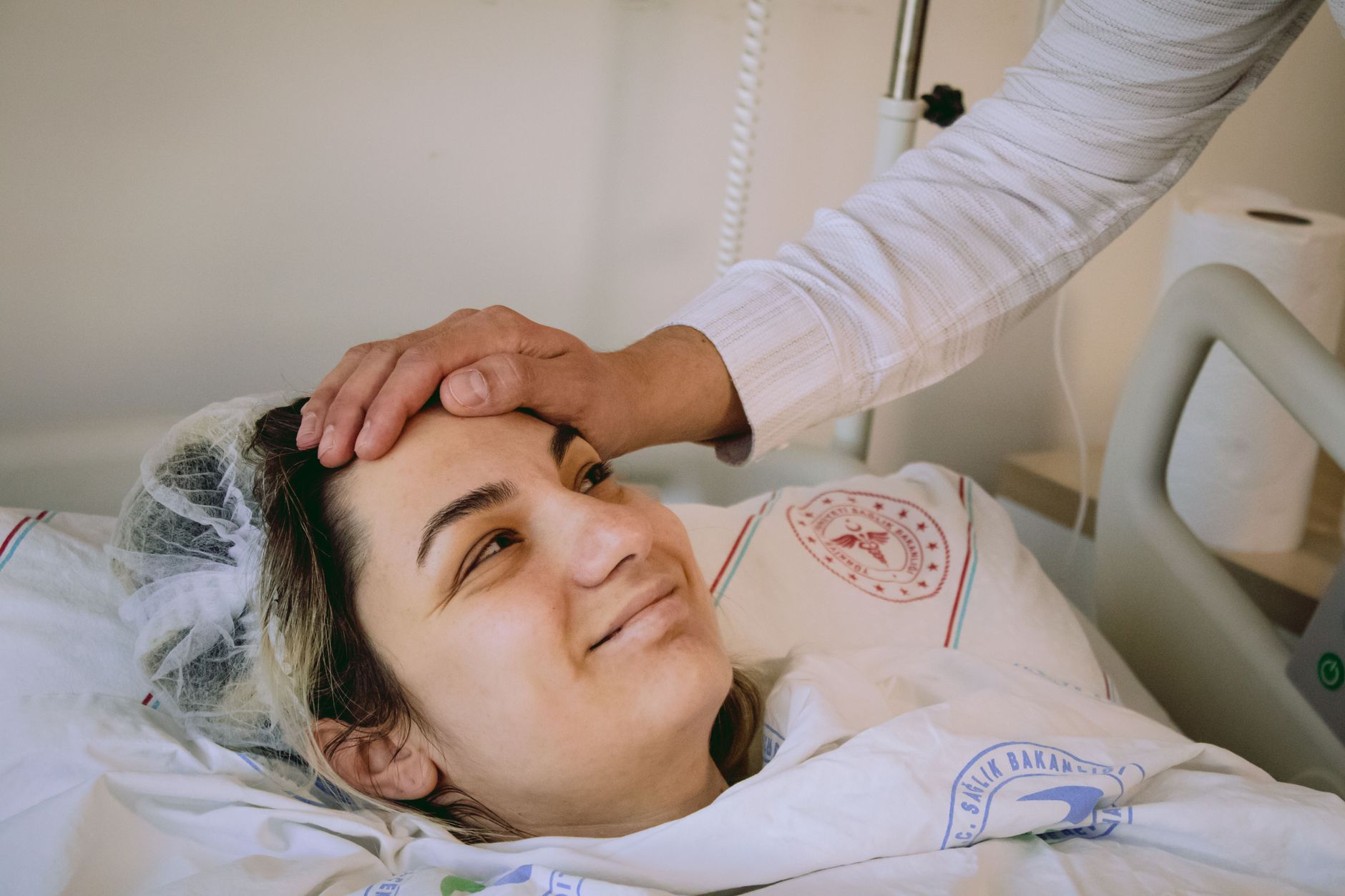
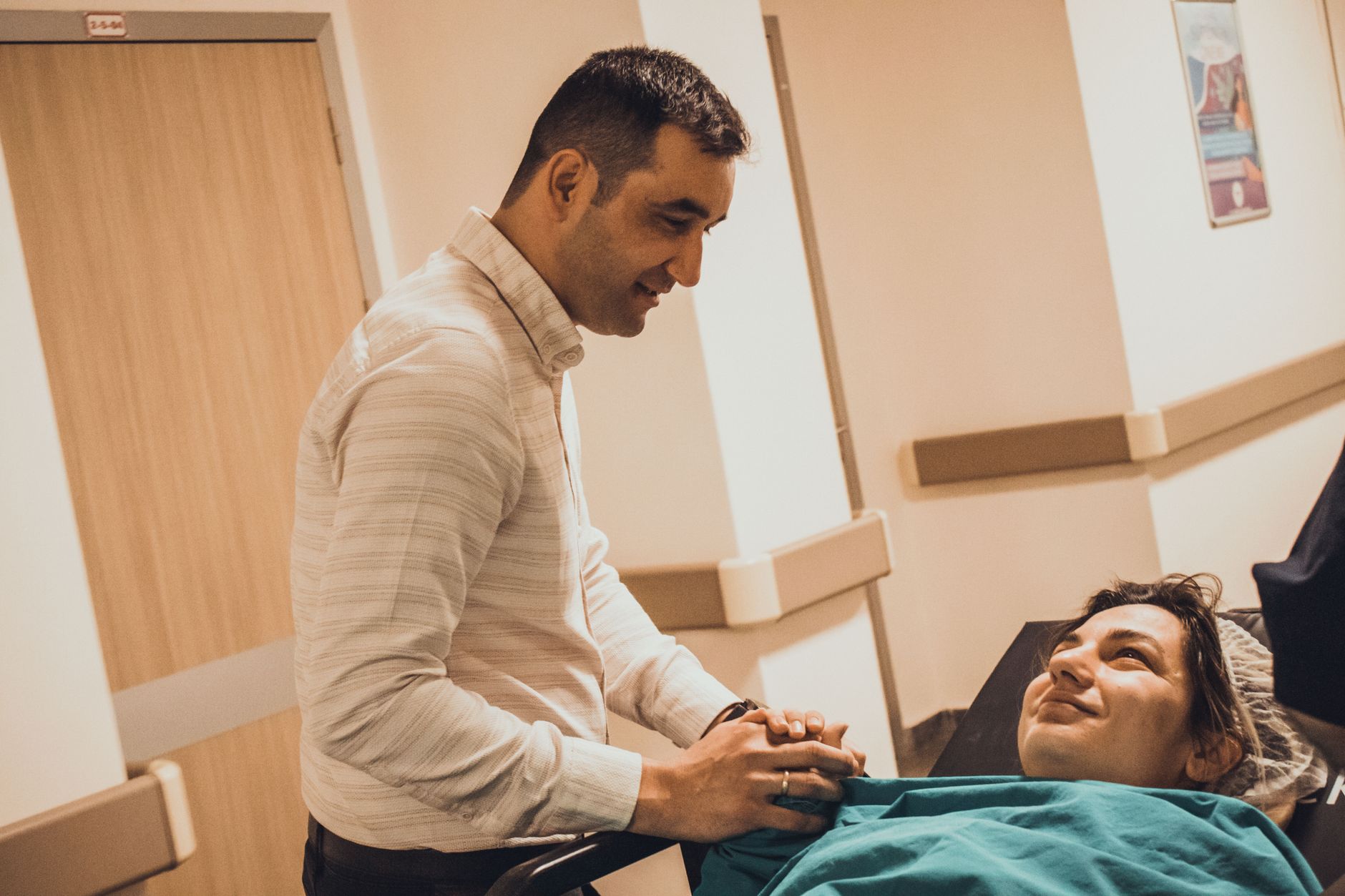
In many Western healthcare settings, family involvement is limited by visiting hours and privacy policies. In Türkiye, family is central to the care experience. Relatives are welcomed, included in conversations, and often encouraged to stay close. This reflects a cultural belief that healing is communal — that a patient's recovery is supported by the presence of loved ones.
For medical travellers, this can be transformative. Whether a spouse, adult child, or close friend accompanies the patient, Turkish hospitals often accommodate them with practical empathy: a chair by the bed, help finding nearby accommodation, advice on local food, and translations when needed. Some facilities offer family-friendly rooms or dedicated lounges where relatives can rest without leaving the hospital.
The emotional benefits are clear. Patients who feel accompanied report less loneliness, lower anxiety, and greater motivation to engage in physiotherapy, walking, and self-care. Family members, in turn, feel less helpless. They become active participants in recovery rather than anxious spectators.
"I came for surgery, but I left feeling like I had gained an extended family," one patient from the UK shared after treatment in Istanbul. "My husband was included in every step. That made all the difference."
Food as Comfort: Nourishment Beyond Nutrition
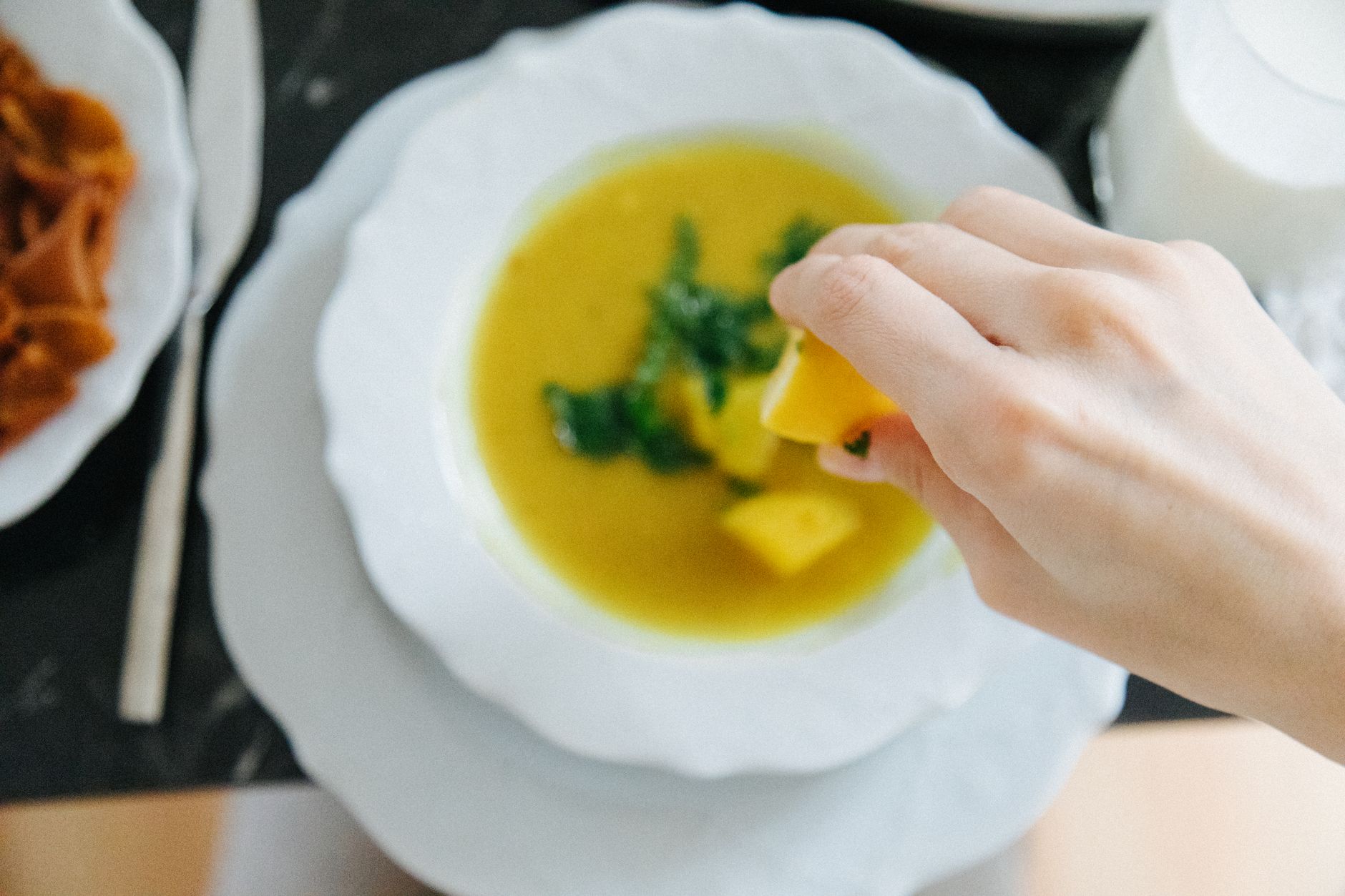
Turkish hospitality extends naturally to food. Meals in Turkish hospitals and recovery centres are often more than clinical nutrition plans. They reflect a culinary culture that prizes fresh ingredients, seasonal produce, olive oil, yoghurt, and comforting soups. Patients may be offered soothing çorba (soup), ayran, or herbal teas that feel familiar and restoring.
For international patients, this can be a gentle bridge between medical care and everyday wellbeing. Hospital staff may ask about dietary preferences, religious requirements, or home favourites. Some private hospitals in Istanbul and Antalya employ chefs who can adapt dishes to post-operative needs while still making them taste like real food — not sterile tray service.
Good nutrition is clinically essential for wound healing, immune function, and energy. But when food also feels like care, it supports appetite, mood, and a sense of normalcy. Patients often mention that being fed well — and with warmth — helped them feel human during a vulnerable time.
Emotional Wellbeing as Part of Clinical Excellence
It is important to emphasise that Turkish hospitality does not replace medical expertise — it complements it. Türkiye is home to internationally accredited hospitals, advanced surgical technologies, and specialists who train and practise globally. The warmth patients experience sits alongside rigorous clinical standards, not instead of them.
What makes the difference is integration. Patient coordinators, translators, nurses, and doctors often work as a team to address both physical and emotional needs. Questions like "How are you feeling today?" are asked sincerely. Discharge planning includes practical support: medication instructions in the patient's language, follow-up calls, and advice on when to fly home.
Satisfaction surveys of medical tourists repeatedly highlight this blend of competence and kindness. Patients describe feeling respected, informed, and emotionally held. That combination reduces the psychological burden of treatment abroad and supports a smoother, calmer recovery journey.
Recovery Beyond the Hospital: Hospitality in Everyday Türkiye
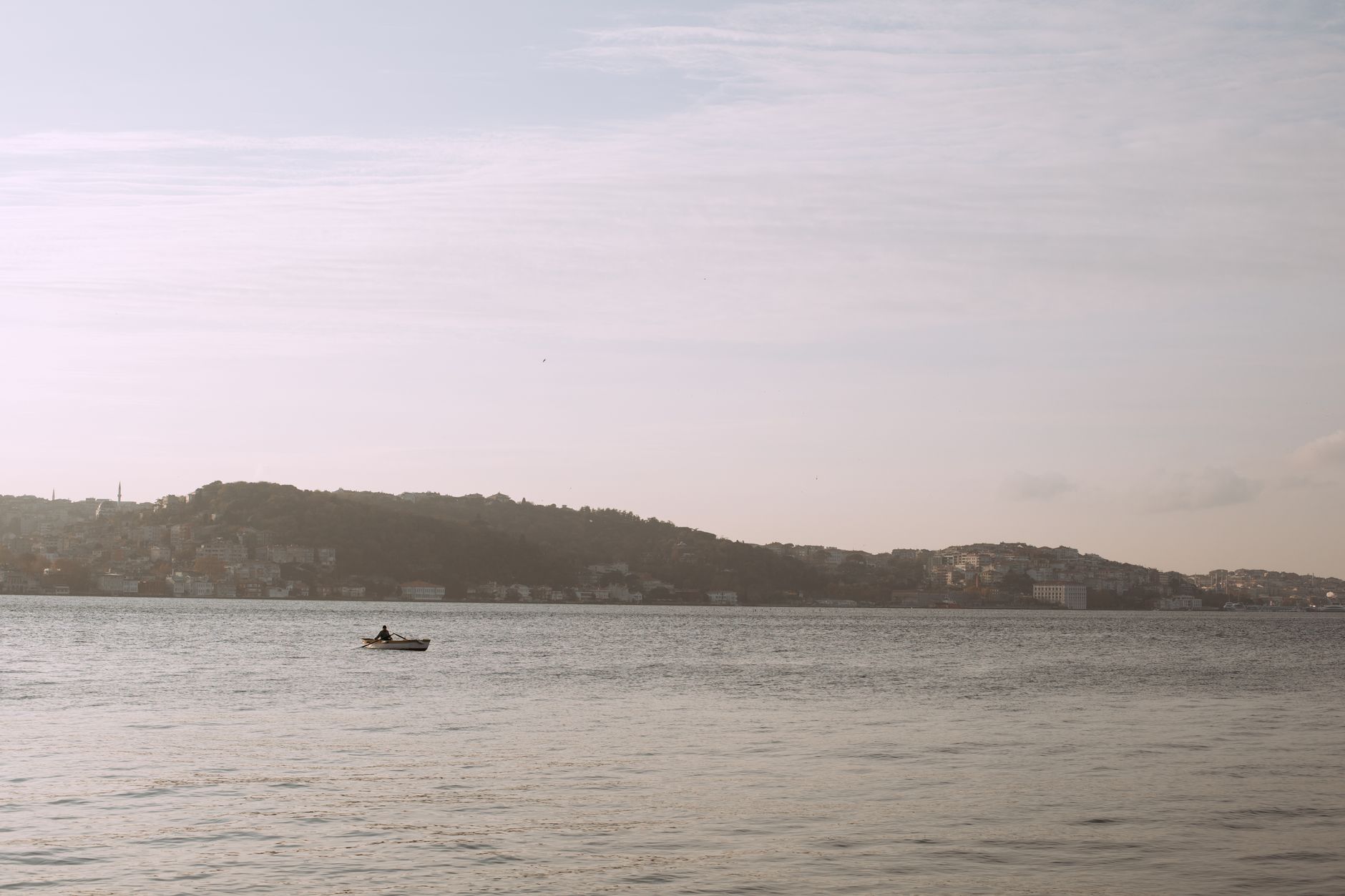
The healing power of Turkish hospitality does not end at the hospital door. Many patients spend additional days or weeks in Türkiye before flying home, and this recovery period can be restorative in its own right. A gentle walk along the Bosphorus, a quiet morning in a boutique hotel in Sultanahmet, or a cup of tea in a neighbourhood café can provide the calm that post-treatment bodies and minds need.
Turkish cities are generally welcoming to visitors, and many hotels and recovery residences near major hospitals cater specifically to medical travellers. Staff may help with everything from pharmacy runs to soft food recommendations. Taxi drivers, shopkeepers, and neighbours often offer small kindnesses that make a foreigner feel seen.
For patients who are able, light cultural experiences — a visit to a hammam for gentle relaxation (when medically approved), listening to the call to prayer from a distance, or simply sitting in a leafy tea garden — can lift mood and reduce the isolation that sometimes accompanies treatment abroad. These moments are not distractions from recovery; they are part of it.
Why International Patients Keep Mentioning the Warmth
When medical tourism patients are asked what surprised them most about Türkiye, clinical quality is often mentioned — but hospitality is what they remember. In satisfaction surveys and online reviews, words like "kind," "generous," "caring," and "like family" appear again and again. This is not accidental. It reflects a cultural orientation that values guests, relationships, and emotional sincerity.
For anyone considering treatment abroad, this matters. Recovery is not only about surgical success or test results. It is also about how safe, supported, and hopeful you feel along the way. Türkiye offers a rare combination: advanced medicine delivered with genuine human warmth.
If you are planning a medical journey, consider not only the procedure and the price, but the atmosphere of care. In Türkiye, you may find that the tea is warm, the welcome is real, and the healing extends beyond the clinical. That is the quiet power of Turkish hospitality — and it may be one of the most meaningful parts of your recovery story.
Thinking about treatment in Turkey?
Share your contact details and a verified doctor will follow up with a plan built around you — free, no obligation.