

Why Cardiac Rehabilitation Matters After a Heart Event
Cardiac rehabilitation (cardiac rehab) is a medically supervised programme designed to help you recover after a heart attack, heart surgery, or other cardiac event. It combines monitored exercise, education, and lifestyle coaching to improve your heart health, reduce the risk of future problems, and help you return to daily life with confidence.
In Türkiye, leading heart centres have developed structured cardiac rehab programmes specifically tailored for international patients. These programmes go beyond basic exercise—they provide a comprehensive support system that addresses your physical, emotional, and practical needs during recovery.
For medical travellers, the appeal is clear: you receive world-class care in a modern hospital setting, often at a fraction of the cost compared to Western Europe or North America, and you leave with a personalised plan that guides you long after you return home.
What to Expect from a Turkish Cardiac Rehab Programme
Turkish cardiac rehab programmes typically follow international guidelines but are adapted to the needs of international patients. Most programmes run for 4 to 12 weeks, depending on your condition and length of stay. If you are travelling specifically for rehab, you may complete an intensive 2- to 4-week phase in Türkiye and continue the rest at home with remote support.
The core components include:
- Medical assessment: A thorough evaluation by a cardiologist, including ECG, echocardiogram, and exercise tolerance testing, to establish a safe baseline.
- Supervised exercise sessions: Monitored workouts that may include walking on a treadmill, stationary cycling, and light resistance training, all under the watchful eye of physiotherapists and nurses.
- Education workshops: Sessions on heart-healthy nutrition, medication management, stress reduction, and recognising warning signs.
- Psychological support: Counselling to help you cope with anxiety or depression that often follows a cardiac event.
- Home plan development: A personalised exercise and lifestyle plan that you can follow safely after discharge.
Programmes are usually conducted in groups, but one-on-one sessions are available for those who prefer privacy or have specific needs. Many hospitals offer services in English, Arabic, Russian, and other languages, with interpreters available on request.
The Role of Supervised Recovery Walks
Walking is one of the safest and most effective forms of exercise after a cardiac event. In Turkish rehab centres, supervised walks are a cornerstone of the programme. These are not just strolls—they are structured sessions with specific goals for duration, intensity, and heart rate zones.
Initially, you may walk on a treadmill in a controlled environment while your heart rhythm, blood pressure, and oxygen saturation are monitored. As your fitness improves, walks may move to hospital corridors, outdoor tracks, or nearby parks, always with a healthcare professional present.
The benefits are profound: walking improves circulation, strengthens the heart muscle, helps manage weight and blood pressure, and boosts mood. The supervision ensures you exercise at a safe intensity—not too hard, not too easy—and gives you confidence to push forward gradually.
“I was nervous about exercising after my bypass, but the daily walks with the physiotherapist made me feel secure. By the end of two weeks, I was walking 30 minutes without stopping and felt stronger than I had in months.” – Ahmed, 58, from the UK
Monitoring: Your Safety Net During Recovery
Continuous monitoring is what sets a supervised programme apart from exercising on your own. Turkish heart centres use advanced telemetry to track your heart rate, blood pressure, and ECG during exercise. This allows the team to adjust your activity in real time and catch any abnormalities early.
You will also learn how to monitor yourself—checking your pulse, recognising symptoms like chest pain or unusual shortness of breath, and understanding your target heart rate zone. This self-monitoring skill is crucial for your independence at home.
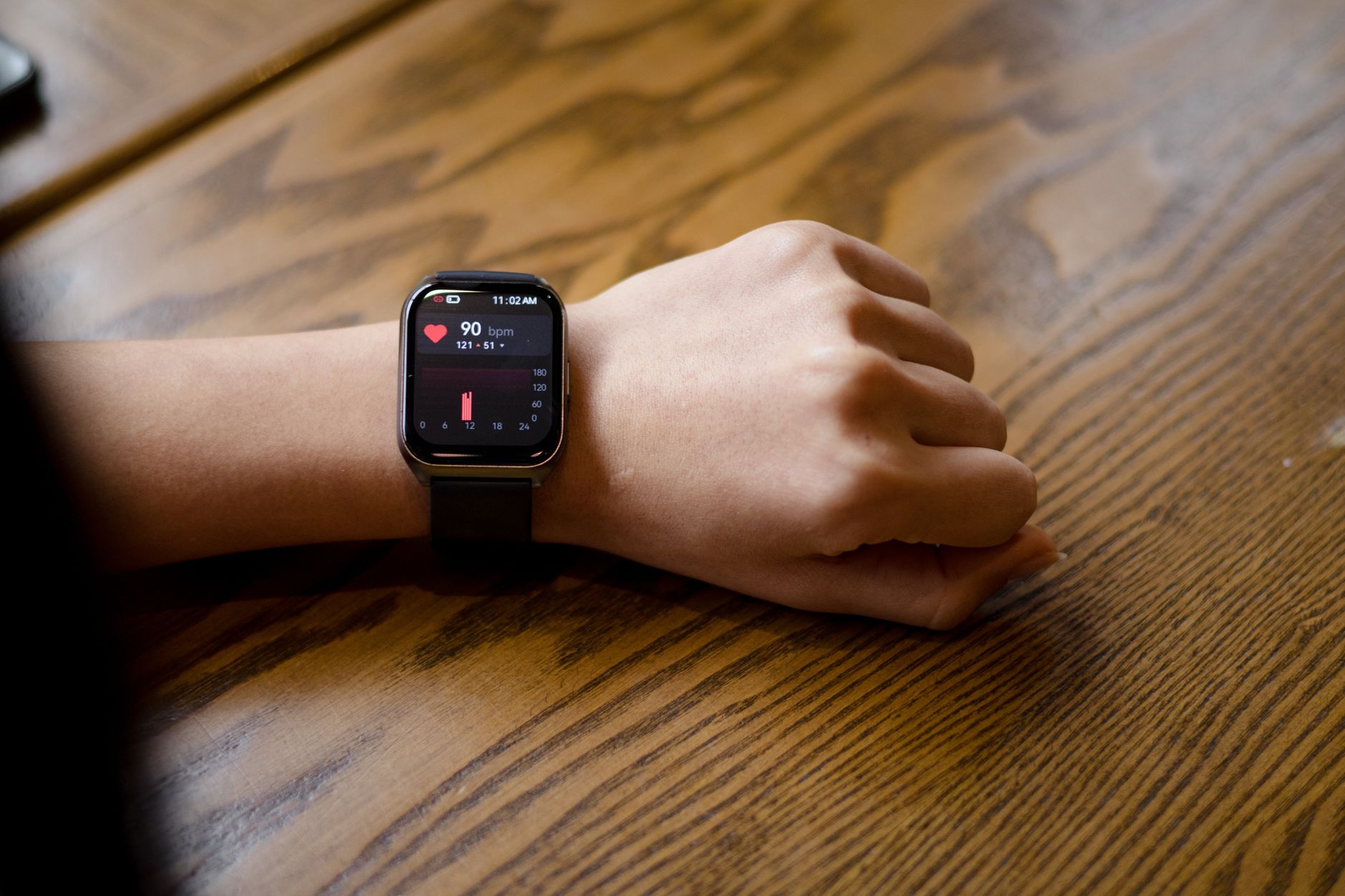
Many hospitals provide wearable devices or apps that sync with your medical record, enabling remote monitoring even after you leave. Some programmes include follow-up video calls or messaging with your rehab team, so you are never alone in your recovery.

Education: Empowering You for Life After Discharge
Education is a major pillar of cardiac rehab in Türkiye. You and your family will attend workshops on topics such as:
- Heart-healthy eating: understanding fats, fibre, sodium, and portion sizes, with practical tips for Turkish cuisine and international diets.
- Medication adherence: why each drug is prescribed, how to take it, and what to do if you miss a dose.
- Stress management: relaxation techniques, breathing exercises, and strategies for better sleep.
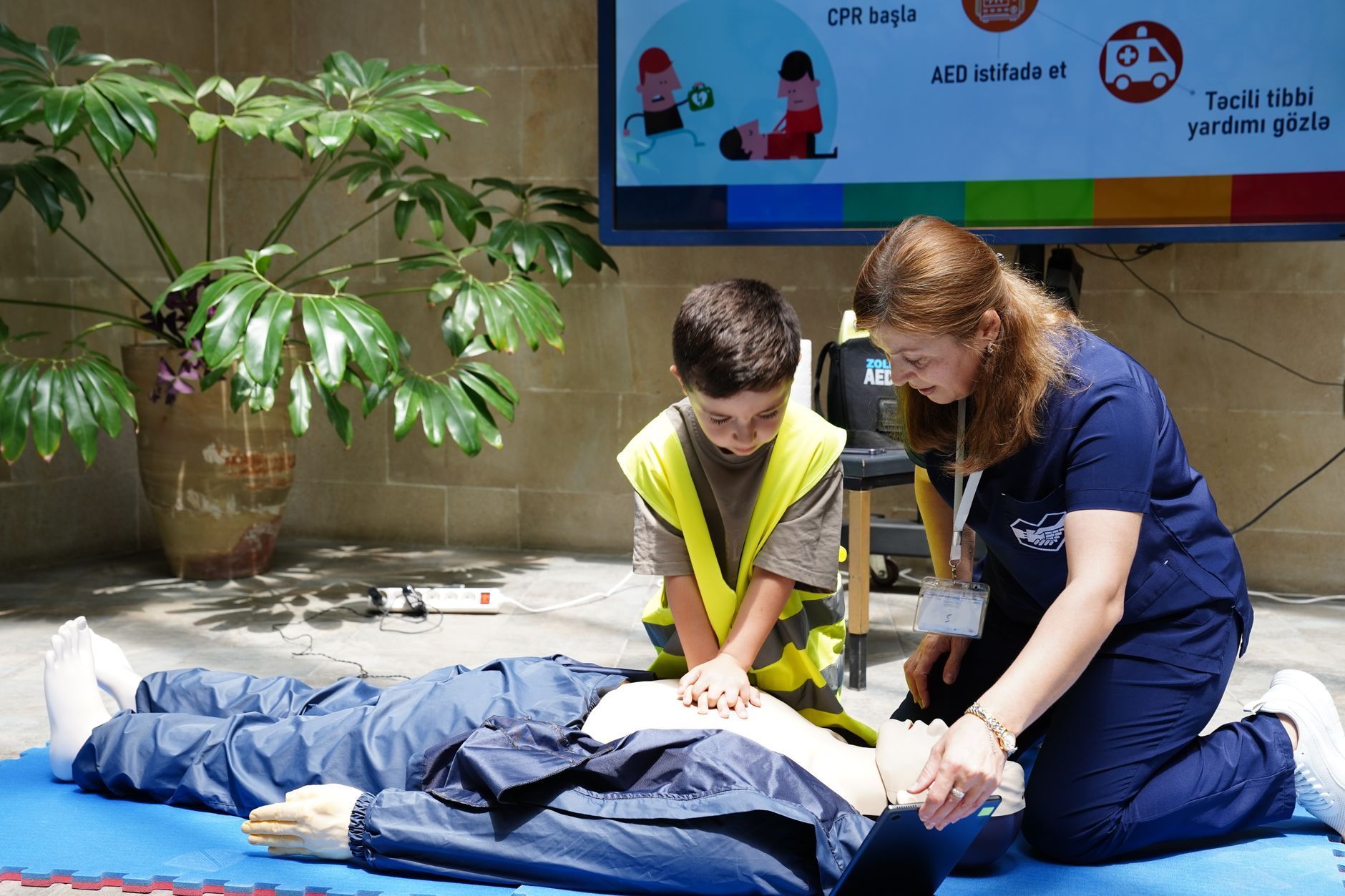
- Warning signs: when to call emergency services and how to act in case of chest pain.
- Returning to work and daily activities: guidance on driving, lifting, and sexual activity.
Sessions are interactive, with opportunities to ask questions and share experiences with other patients. Materials are provided in multiple languages, and interpreters ensure nothing is lost in translation.
Your Personalised Home Plan: The Roadmap to Confidence
Before you leave Türkiye, your rehab team will create a detailed home plan tailored to your goals, fitness level, and home environment. This is not a generic handout—it is a roadmap that includes:
- A progressive exercise schedule with specific activities, durations, and intensities.
- Target heart rate zones and safety limits.
- Guidelines for warming up and cooling down.
- Strategies for overcoming barriers like bad weather or fatigue.
- A calendar for follow-up appointments and remote check-ins.
You will also receive contact information for your rehab coordinator, so you can ask questions or report concerns after you return home. Many hospitals offer tele-rehab services, where you can join group sessions or consultations via video call.
This personalised approach ensures you leave Türkiye not just with a repaired heart, but with the knowledge and confidence to manage your health independently. As one cardiologist puts it: “Our goal is to make ourselves unnecessary—to empower patients to take charge of their recovery.”
Practical Tips for International Patients
If you are considering cardiac rehab in Türkiye, here are a few tips to make the most of your experience:
- Plan your stay: Discuss the recommended duration with your doctor. A 2- to 4-week intensive programme is common for international patients.
- Check language support: Confirm that interpretation services are available in your language.
- Bring medical records: Have your recent reports, medication list, and surgical notes translated if possible.
- Ask about remote follow-up: Inquire whether the hospital offers tele-rehab or remote monitoring after discharge.
- Embrace the journey: Recovery takes time. Be patient with yourself and celebrate small victories.
Turkish hospitals are known for their hospitality and patient-centred care. The combination of modern facilities, experienced staff, and a welcoming environment makes the rehab journey less daunting and more empowering.
Leaving with a clear, confidence-building recovery roadmap is the ultimate goal. With supervised walks, vigilant monitoring, and a personalised home plan, you can return home ready to embrace life with a stronger heart.
Thinking about treatment in Turkey?
Send us a question about this site or about the information published on it. This is a publisher's mailbox, not a medical service and not a route to a particular provider — for clinical questions, contact your own doctor.