

A Warmer Welcome for International Patients
Hospitals in Istanbul, Ankara and Izmir are steadily expanding their multilingual care teams, adding interpreters, patient liaisons and bilingual coordinators to accompany international patients from their first enquiry through to follow-up care. The move reflects a simple but powerful idea: that feeling understood is part of feeling cared for.
For medical travellers, a hospital can be an unfamiliar and intimidating place even before language enters the picture. By placing language support at the heart of the patient journey, Turkish hospitals are turning a source of anxiety into an opportunity for reassurance — an expression of the hospitality for which Türkiye is already known.
The expansion is not about marketing brochures in more languages. It is about real people, present at the bedside and on the phone, who can explain a diagnosis, translate a consent form or simply offer a calm word before a procedure.
Language Support That Reduces Stress and Builds Trust
Research and everyday clinical experience point in the same direction: when patients understand what is happening to them, stress levels fall and cooperation with treatment improves. Language barriers, by contrast, can turn a routine consultation into a confusing and frightening experience.
Multilingual teams help patients describe symptoms accurately, ask the questions that matter to them and understand instructions for medication and recovery. Clear communication also allows clinicians to gather a fuller medical history, which supports safer decision-making.
"When a patient can speak in their own language, you see the relief immediately — shoulders relax, questions flow, and trust begins," one hospital coordinator explained.
This is the human side of Turkish care: professional standards delivered with patience, warmth and a genuine wish to make strangers feel like guests.
How Multilingual Care Teams Work in Practice
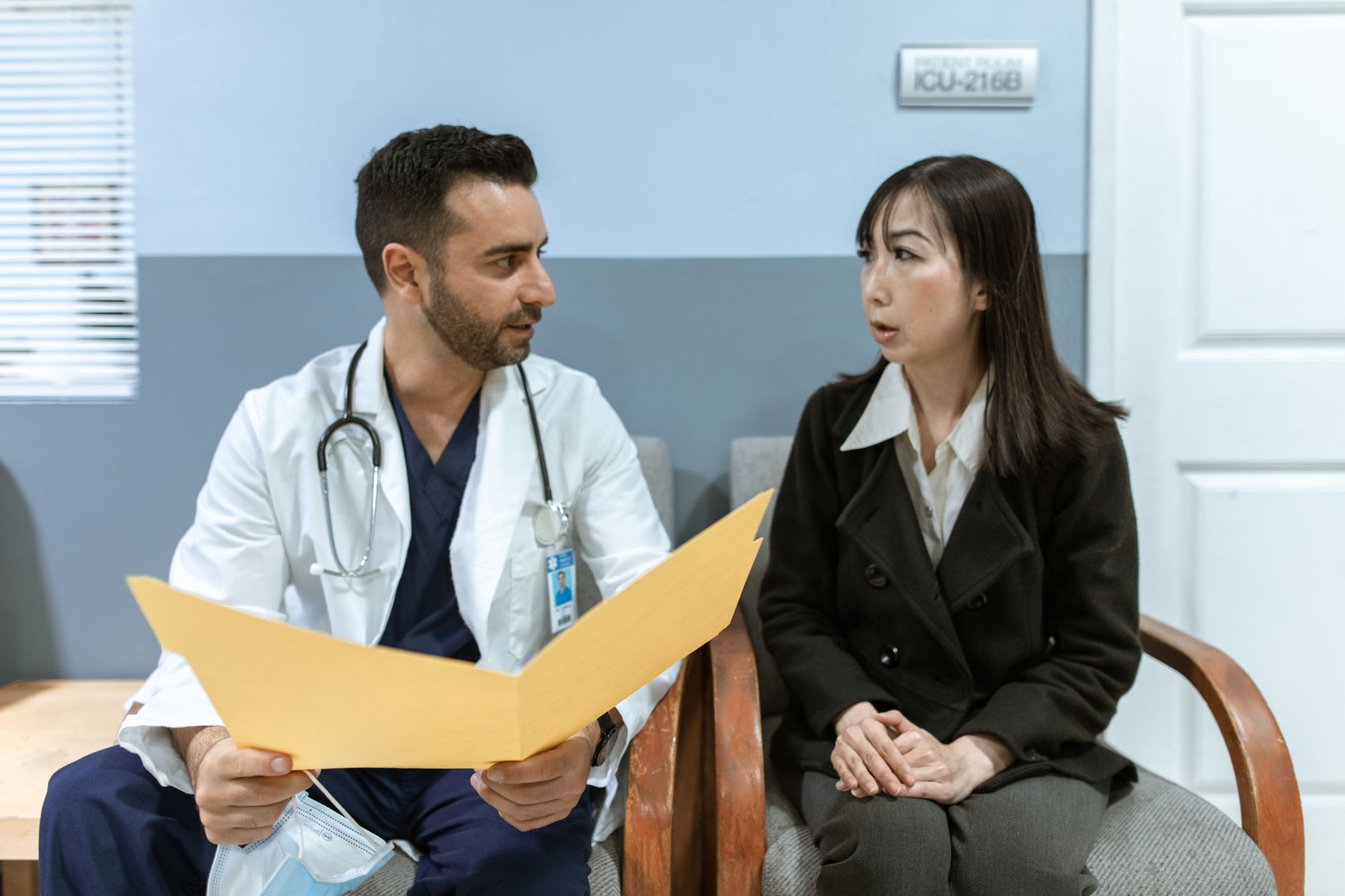
Multilingual care teams are typically built around a dedicated international patient unit, staffed by coordinators who speak a range of languages including English, Arabic, Russian, German and others. These coordinators act as a bridge between the patient, the medical team and the family waiting at home.
- Interpreters join consultations, pre-operative briefings and discharge discussions.
- Written materials, consent forms and aftercare instructions are provided in the patient's language.
- Coordinators assist with appointments, accommodation and airport transfers.
- Follow-up calls after the patient returns home are conducted in the same language.
The result is a continuum of communication rather than a series of disconnected translations — a consistent voice that patients can rely on throughout their stay.
Hospitality as Part of the Healing Environment
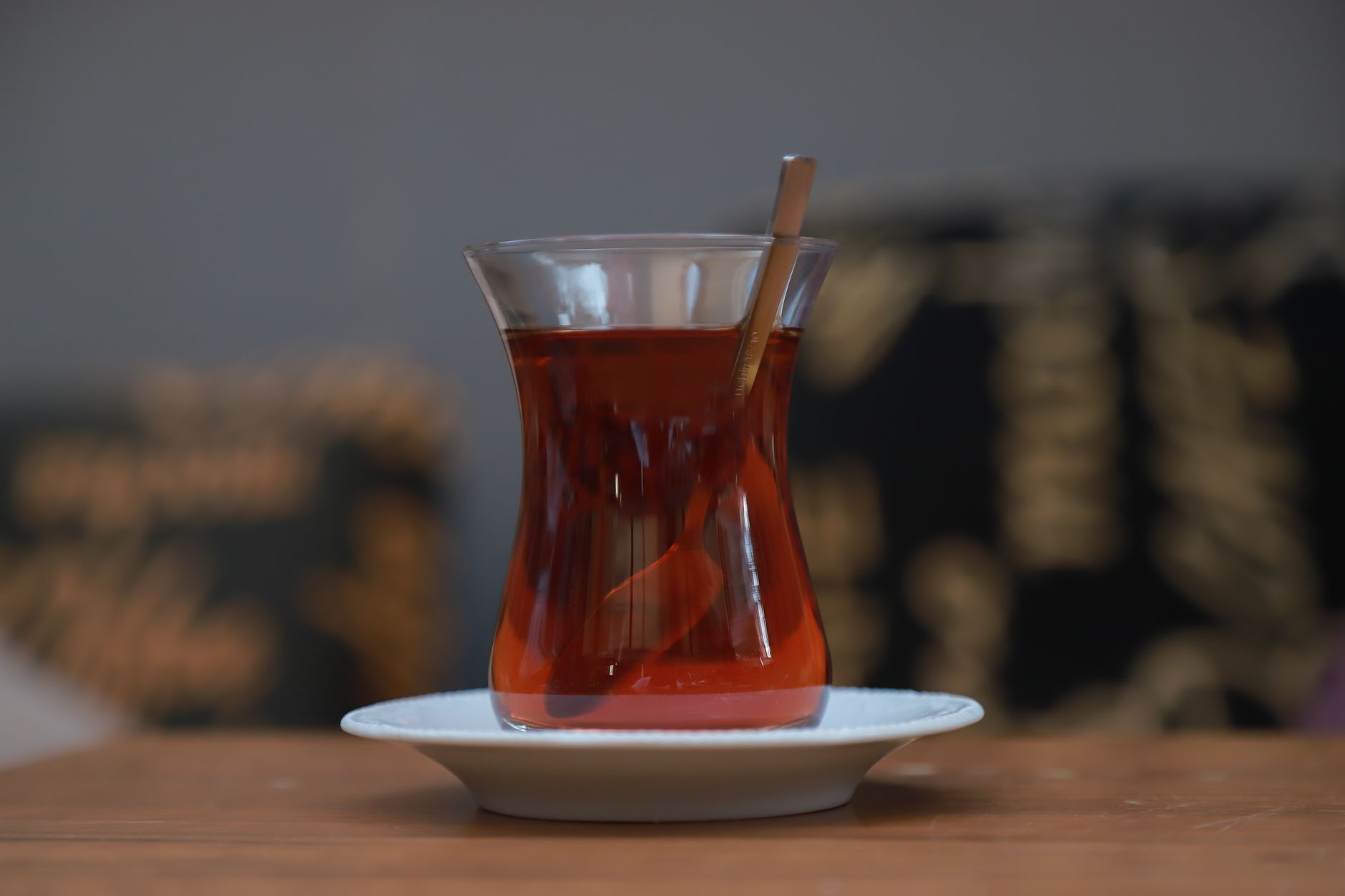
Türkiye's tradition of hospitality is often noted by visitors, but in healthcare it takes on a deeper meaning. A cup of tea offered while waiting, a staff member who remembers a patient's name, a quiet explanation of what tomorrow's procedure will involve — these gestures complement clinical excellence.
Hospital administrators describe multilingual staffing as an extension of that culture rather than a separate service. International patients are treated as guests whose comfort and dignity matter alongside their medical outcomes.
For families, the reassurance is especially important. Relatives who can speak directly with a care coordinator feel included in the patient's journey, even when distance separates them.

Professional Standards Behind the Human Touch
Compassion and competence are not alternatives. Turkish hospitals accredited by international bodies maintain rigorous protocols for patient safety, infection control and clinical quality, and language support is being integrated into those systems rather than added on top.
Trained medical interpreters are expected to respect confidentiality, avoid giving medical advice and work closely with clinicians. Their role is to ensure that the patient's voice is heard accurately, not to replace the medical team.
Hospitals are also investing in staff training so that doctors and nurses can work effectively alongside interpreters and communicate clearly across languages. This two-way preparation strengthens safety and consistency of care.
What This Means for Medical Travellers
For anyone considering treatment in Türkiye, expanded multilingual care means fewer misunderstandings and more confidence. Patients can ask about risks, recovery timelines and aftercare in their own language, and they can expect written guidance they actually understand.
Prospective patients are encouraged to ask which languages are available, whether qualified interpreters will be present during consultations and how follow-up communication will be handled after returning home. Clear answers to these questions are a good sign of a well-organised international patient service.
As Turkish hospitals continue to widen their multilingual teams, the message to international patients is a reassuring one: you will be understood, you will be informed, and you will be cared for — in a language that feels like home.
Thinking about treatment in Turkey?
Send us a question about this site or about the information published on it. This is a publisher's mailbox, not a medical service and not a route to a particular provider — for clinical questions, contact your own doctor.