

Breaking Down Language Barriers in Healthcare
Imagine arriving at a hospital in a foreign country, surrounded by unfamiliar faces and sounds, unsure if you can effectively communicate your concerns. For many medical travelers, this is a real fear. Türkiye understands that language should never be a barrier to quality healthcare. That's why Turkish hospitals have invested heavily in professional medical interpreter services and cultural liaison staff, covering major languages like Arabic, Russian, English, French, and more.
This commitment to communication ensures that international patients feel understood, respected, and safe throughout their medical journey. From the moment you inquire about a procedure to your final follow-up, a team of skilled interpreters and liaisons is by your side, bridging linguistic and cultural gaps with empathy and expertise.
In this post, we explore how these services work, what they mean for your care, and why they make Türkiye a leading destination for medical tourism.
Professional Interpreters: More Than Just Translators
Medical interpretation is a specialized field. It's not enough to speak two languages; an interpreter must understand medical terminology, procedures, and ethical considerations. Turkish hospitals employ interpreters who are trained specifically for healthcare settings, often with backgrounds in medicine, nursing, or health sciences.
These professionals facilitate accurate discussions between you and your medical team. They interpret during consultations, pre-operative briefings, informed consent discussions, and aftercare instructions. Their presence ensures that every detail is conveyed precisely, eliminating misunderstandings that could compromise your care.
Moreover, interpreters in Turkish hospitals adhere to strict confidentiality protocols, so you can discuss sensitive health matters with confidence. They are also cultural insiders, able to explain nuances and help you navigate the local healthcare system.

Cultural Liaison Staff: A Bridge Between Worlds
Beyond language, culture shapes how we understand health, illness, and treatment. Cultural liaison staff are dedicated professionals who help international patients adapt to the Turkish healthcare environment. They provide guidance on local customs, hospital routines, and even practical matters like accommodation and transportation.
For patients from the Middle East, Russia, Europe, and beyond, these liaisons offer a familiar point of contact. They can explain cultural differences in medical practice, dietary considerations, and communication styles, ensuring that you feel at home.
Cultural liaisons also support families, helping them cope with the stress of having a loved one undergo treatment abroad. They organize orientation sessions, accompany patients to appointments, and are available 24/7 for urgent needs.
Accurate Consent Discussions: Your Right to Understand
Informed consent is a cornerstone of ethical medical practice. It requires that you fully understand the risks, benefits, and alternatives of any procedure before agreeing to it. Language barriers can undermine this process, but Turkish hospitals have implemented robust systems to ensure consent is truly informed.
Interpreters are present during consent discussions, translating complex medical information into clear, understandable language. They encourage questions and ensure you have ample time to consider your options. Written consent forms are available in multiple languages, and interpreters review them with you to confirm comprehension.
This rigorous approach not only protects your rights but also builds trust. You can proceed with treatment knowing that you are fully informed and in control.
Clear Aftercare Instructions: Healing at Home
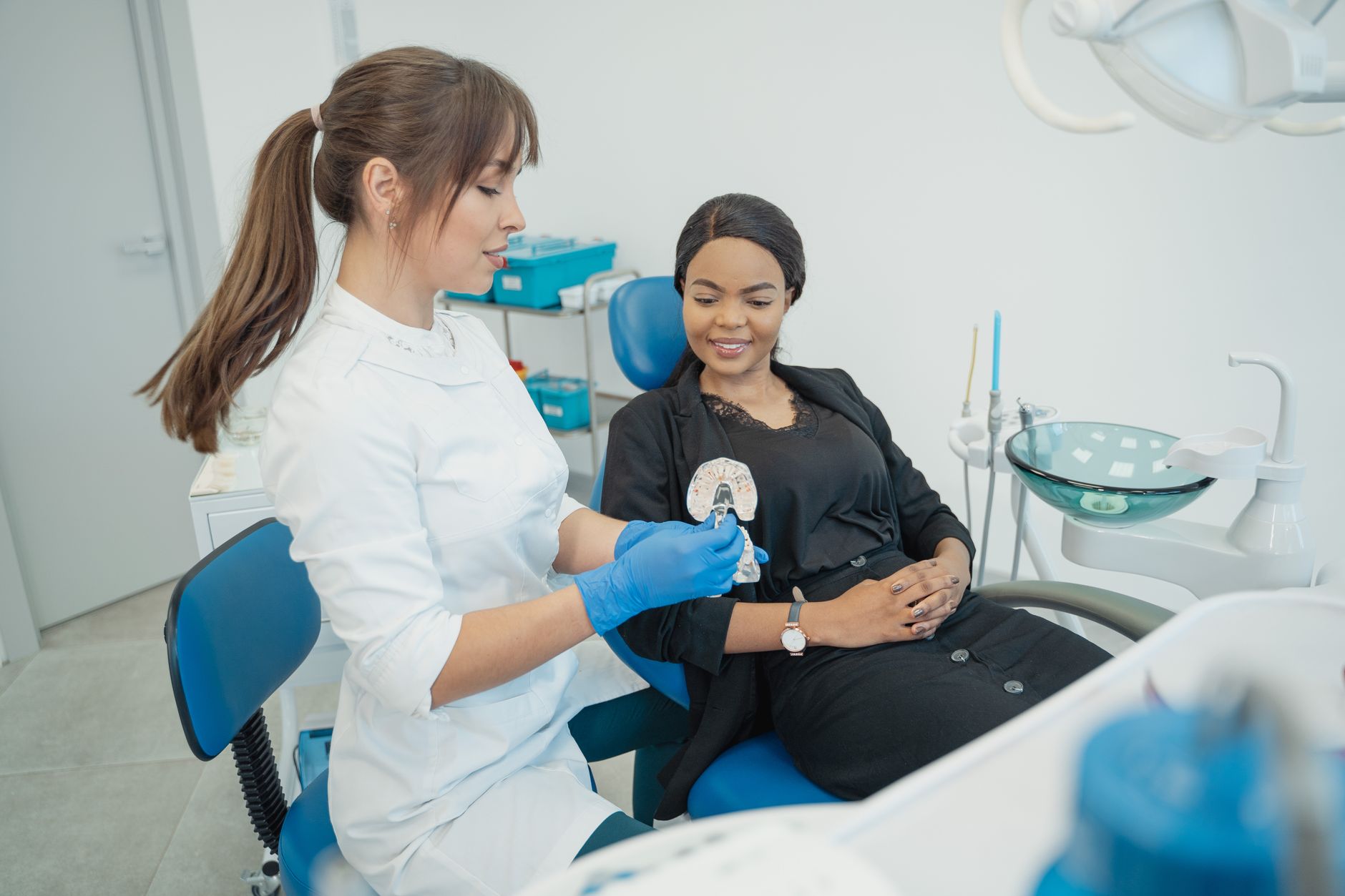
After your procedure, clear aftercare instructions are vital for a smooth recovery. Turkish hospitals provide these instructions in your preferred language, both verbally and in writing. Interpreters go over medication schedules, wound care, dietary restrictions, and warning signs to watch for.
Before discharge, you'll have the opportunity to ask questions and practice any necessary self-care under supervision. Cultural liaisons can also help you arrange follow-up appointments, either in Türkiye or with healthcare providers in your home country.
Many hospitals offer telemedicine follow-ups with interpreter support, so you can stay connected with your medical team even after you return home. This continuity of care ensures that you never feel abandoned during your recovery.
Reducing Anxiety and Enhancing Patient Experience
Undergoing medical treatment in a foreign country can be daunting. The presence of interpreters and cultural liaisons significantly reduces anxiety by providing a constant source of support and clarity. Patients report feeling more relaxed, confident, and satisfied with their care when language and cultural needs are met.
These services also extend to practical assistance: interpreters help with filling out forms, understanding bills, and communicating with hotel or airline staff. Cultural liaisons organize social activities and city tours for patients who are able, adding a touch of tourism to the medical journey.
By prioritizing communication, Turkish hospitals create an environment where patients from around the world can focus on healing, knowing they are understood and cared for.
Türkiye's Investment in World-Class Communication
Türkiye has made significant investments in language services as part of its strategy to become a global healthcare hub. The Ministry of Health mandates that hospitals serving international patients employ qualified interpreters and provide cultural competency training for staff.
Many hospitals have dedicated international patient departments with multilingual teams, including Arabic, Russian, English, French, German, and Persian speakers. They use advanced technology, such as video remote interpreting, to offer immediate language support for less common languages.
This investment reflects Türkiye's commitment to welcoming patients from all over the world with open arms and ensuring they receive care that is not only medically excellent but also culturally sensitive and linguistically accessible.
Türkiye's hospitals are not just treating conditions; they are building bridges of trust through communication.
Conclusion: Communication Without Barriers
In medical tourism, communication is as critical as clinical expertise. Türkiye's hospitals have recognized this and responded with comprehensive interpreter and cultural liaison services that set a new standard for patient-centered care. Whether you speak Arabic, Russian, English, French, or another language, you can expect to be understood and respected.
For international patients, this means accurate consent discussions, clear aftercare instructions, and reduced anxiety. It means a healthcare experience where you are not just a patient, but a valued guest. Discover the difference for yourself—Türkiye welcomes you with open arms and open communication.
Thinking about treatment in Turkey?
Send us a question about this site or about the information published on it. This is a publisher's mailbox, not a medical service and not a route to a particular provider — for clinical questions, contact your own doctor.