

Your Language, Your Decision: How Turkish Hospitals Put Patients First
Imagine sitting in a hospital room in a foreign country, about to make one of the most important decisions of your life. The surgeon is explaining the procedure, the risks, and the alternatives—but it's all in a language you don't fully understand. For many international patients, this is a real fear. In Türkiye, however, leading hospitals have transformed this scenario into a reassuring, patient-centered experience thanks to interpreter-led consent conversations.
Turkish clinics have long been celebrated for their medical expertise and state-of-the-art facilities. But what truly sets them apart is their commitment to patient-first care. At the heart of this approach is a simple yet powerful idea: informed consent should never be lost in translation. That's why hospitals across Istanbul, Ankara, Izmir, and Antalya employ multilingual support teams who guide international patients through every step of the consent process in their own language.
This blog explores how these interpreter-led conversations work, why they matter, and how they empower you to make confident, informed decisions about your health.
The Challenge of Informed Consent Across Languages
Informed consent is more than a signature on a form. It's a process of understanding—knowing the details of your procedure, its benefits, risks, and alternatives, and having the opportunity to ask questions. When language barriers exist, this process can become stressful and even unsafe. Patients may nod along without truly grasping critical information, or they may hesitate to ask for clarification for fear of seeming uninformed.
In many countries, international patients rely on ad-hoc translation from bilingual staff or even family members. While well-intentioned, this approach often falls short. Medical terminology is complex, and nuances can be easily lost. A family member may not have the medical knowledge to translate accurately, and a busy nurse may not have the time to explain every detail.
Turkish hospitals recognized this gap and decided to do things differently. By integrating professional medical interpreters into the consent process, they ensure that every patient receives clear, accurate, and culturally sensitive information. This isn't just about translation; it's about education, empathy, and respect.
How Interpreter-Led Consent Conversations Work
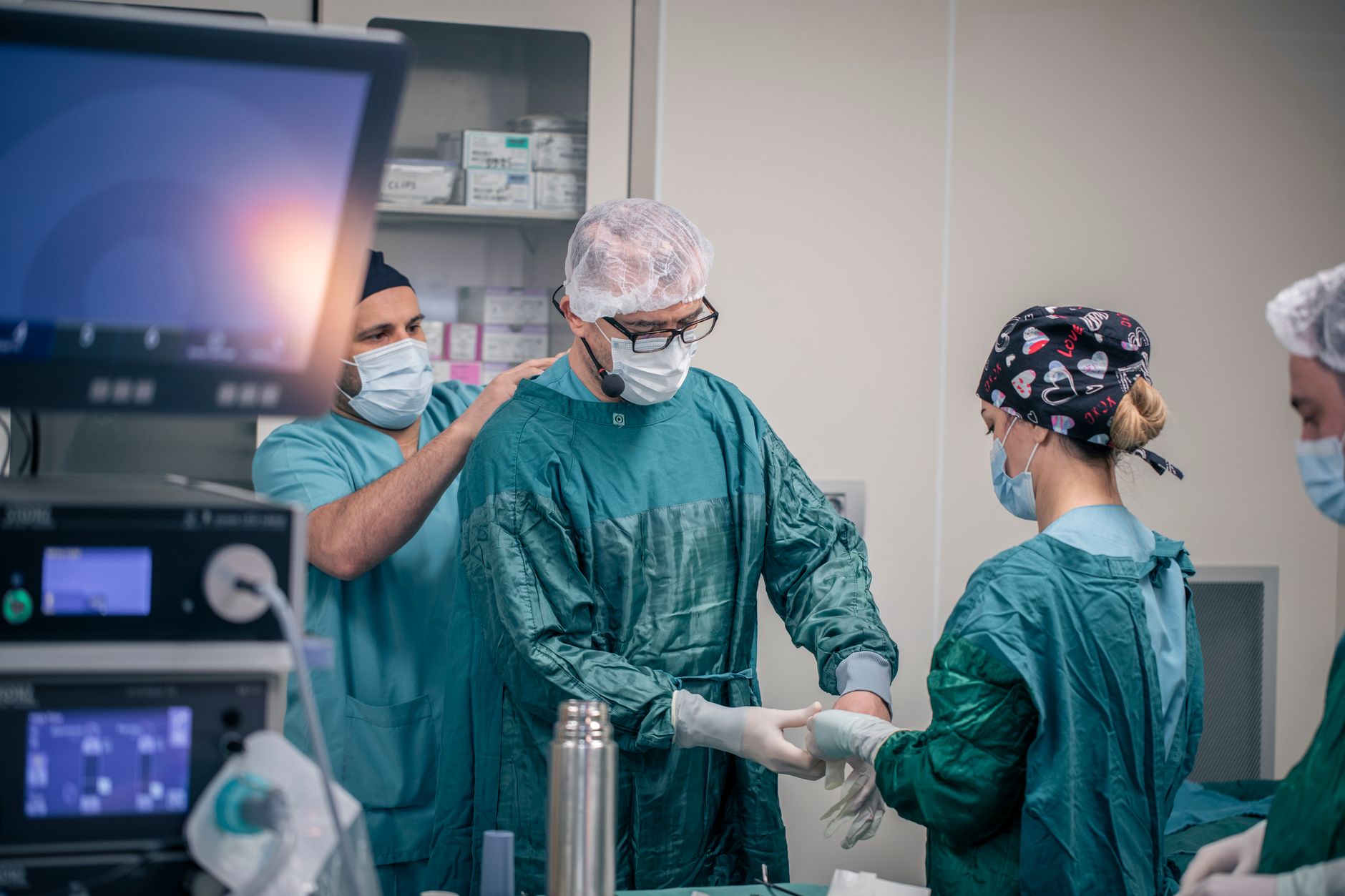
At hospitals like those in Istanbul's medical tourism districts, the consent process begins with a dedicated interpreter—often a native speaker of your language with training in medical terminology. The interpreter is not just a translator but a communication facilitator. They sit with you and the medical team, ensuring that every question is asked and every answer is understood.
The conversation typically starts with the doctor explaining the diagnosis, the proposed surgery, and the expected outcomes. The interpreter relays this information in real-time, pausing to check for understanding. You are encouraged to interrupt and ask questions at any point. The interpreter then conveys your questions to the doctor and translates the responses back to you. This back-and-forth continues until you feel fully informed.
Importantly, the interpreter also explains the consent form itself. These documents are often dense with legal and medical jargon. The interpreter walks you through each section, clarifying terms and ensuring you know exactly what you are signing. You'll also receive a copy of the consent form in your language for your records.
This process is repeated for any additional procedures or changes in the treatment plan. No detail is too small, and no question is dismissed. The goal is to make you an active partner in your care, not a passive recipient.
The Practical Value: Clarity, Confidence, and Dignity
What does this mean for you as a patient? First and foremost, clarity. You can ask questions freely without worrying about language barriers. Whether you want to know about the recovery time, the type of anesthesia, or the qualifications of the surgical team, your interpreter ensures you get a clear answer.
Second, confidence. When you understand the procedure and its risks, you can make a decision that aligns with your values and expectations. You're not signing a form you don't understand; you're making an informed choice. This confidence extends to your recovery, as you'll know what to expect and how to care for yourself.
Third, dignity. Being able to communicate in your own language preserves your autonomy and self-respect. You're not reduced to a medical case; you're a person with unique needs and concerns. The interpreter-led consent conversation honors that by giving you a voice.
Moreover, these conversations often uncover cultural considerations that might otherwise be missed. For example, dietary restrictions, religious practices, or family involvement in decision-making can be discussed openly, allowing the medical team to tailor your care accordingly.

Languages Supported and Cultural Sensitivity
Turkish hospitals cater to a global patient base, and their language support reflects that. You'll find interpreters fluent in Arabic, Russian, English, German, French, Spanish, Persian, and many other languages. Some hospitals even offer support in less common languages upon request. The interpreters are not only linguistically skilled but also trained in cultural competence, understanding the nuances of communication styles and health beliefs from different regions.
This cultural sensitivity is crucial. For instance, in some cultures, family members play a central role in medical decisions. The interpreter can facilitate a conversation that includes family while respecting the patient's autonomy. In others, direct eye contact or questioning a doctor's authority may be uncomfortable. The interpreter navigates these dynamics with empathy, ensuring the patient feels respected and heard.
Hospitals also provide written materials—brochures, consent forms, and post-operative instructions—in multiple languages. This complements the verbal communication and gives you something to refer back to. Some facilities use tablet-based translation apps for instant access to information, but these are always backed by human interpreters for critical discussions like consent.
Beyond Consent: Continuous Support Throughout Your Journey
The interpreter's role doesn't end with the consent form. Multilingual support teams are available throughout your hospital stay, from admission to discharge. They help with scheduling, explaining test results, and coordinating with your home doctors. This continuity of support ensures that you're never left confused or isolated.
Many hospitals assign a dedicated patient coordinator who speaks your language and serves as your point of contact. This coordinator can help with practical matters like airport transfers, accommodation, and visa assistance, allowing you to focus on your health. They also act as your advocate, ensuring your preferences are communicated to the medical team.
After discharge, you may receive follow-up calls or emails in your language, checking on your recovery and answering any lingering questions. Some hospitals offer telemedicine consultations with interpreters, so you can continue to receive support after you return home.
Türkiye's Patient-First Approach to Medical Tourism
Türkiye has become a global leader in medical tourism, attracting hundreds of thousands of international patients each year. While competitive pricing and advanced technology are part of the appeal, the country's emphasis on patient experience is what keeps patients coming back and recommending it to others.
The interpreter-led consent conversation is a shining example of this patient-first philosophy. It reflects a broader commitment to transparency, ethical practice, and compassionate care. Turkish hospitals understand that trust is built on communication, and they invest in the resources needed to communicate effectively with every patient.
This approach also aligns with international healthcare standards. Accredited hospitals in Türkiye follow guidelines that mandate informed consent in a language the patient understands. By exceeding these requirements, they set a benchmark for others to follow.
For patients, this means peace of mind. You can undergo surgery in a foreign country with the confidence that you fully understand what's happening and why. You're not just a medical tourist; you're a valued guest in a healthcare system that respects your rights and dignity.
Conclusion: Making Informed Decisions with Confidence
Choosing to have surgery abroad is a big decision, and it's natural to have concerns about communication. In Türkiye, those concerns are addressed head-on by dedicated interpreter teams who guide you through every step of the consent process in your own language. From the first consultation to the final signature, you'll have the clarity, confidence, and dignity you deserve.
So if you're considering medical treatment in Türkiye, rest assured that your voice will be heard—literally and figuratively. The multilingual support teams at Turkish clinics are there to ensure that your surgical decisions are made with full understanding and peace of mind. After all, informed consent is not just a legal requirement; it's a fundamental right, and in Türkiye, it's delivered with care.
Thinking about treatment in Turkey?
Send us a question about this site or about the information published on it. This is a publisher's mailbox, not a medical service and not a route to a particular provider — for clinical questions, contact your own doctor.