

For decades, international patients seeking advanced medical care in Türkiye looked first to Istanbul and Ankara. Today, that map has expanded dramatically. Cities across Anatolia—from Gaziantep in the southeast to Konya in the heart of the steppe—have invested heavily in hospital infrastructure, specialized clinics, and internationally accredited programs. The result is a nationwide network of advanced medicine that rivals capital-city care, often with shorter waiting times and more personal attention.
This is the story of how Anatolian cities became centres of medical excellence, and what that means for you as a health traveler: more choices, competitive pricing, and outcomes that meet global standards.
A National Vision for Health Transformation
Türkiye's health transformation journey began in the early 2000s with a simple but ambitious goal: make quality healthcare accessible to every citizen, no matter where they live. The government invested in new public hospitals, trained thousands of specialists, and encouraged private investment in modern medical facilities. Cities that once sent patients to Istanbul for complex surgeries now perform them locally.
This wasn't just about buildings. It was about creating complete ecosystems: medical schools, research centers, specialized training programs, and supply chains for pharmaceuticals and medical devices. Anatolian cities like Gaziantep, Konya, Kayseri, and Antalya developed their own medical hubs, each with distinct strengths.
Today, Türkiye ranks among the top destinations for medical tourism globally, and much of that growth comes from regional cities. International patients benefit from a healthcare system that is both high-quality and spread across the country, reducing bottlenecks and offering more appointment availability.
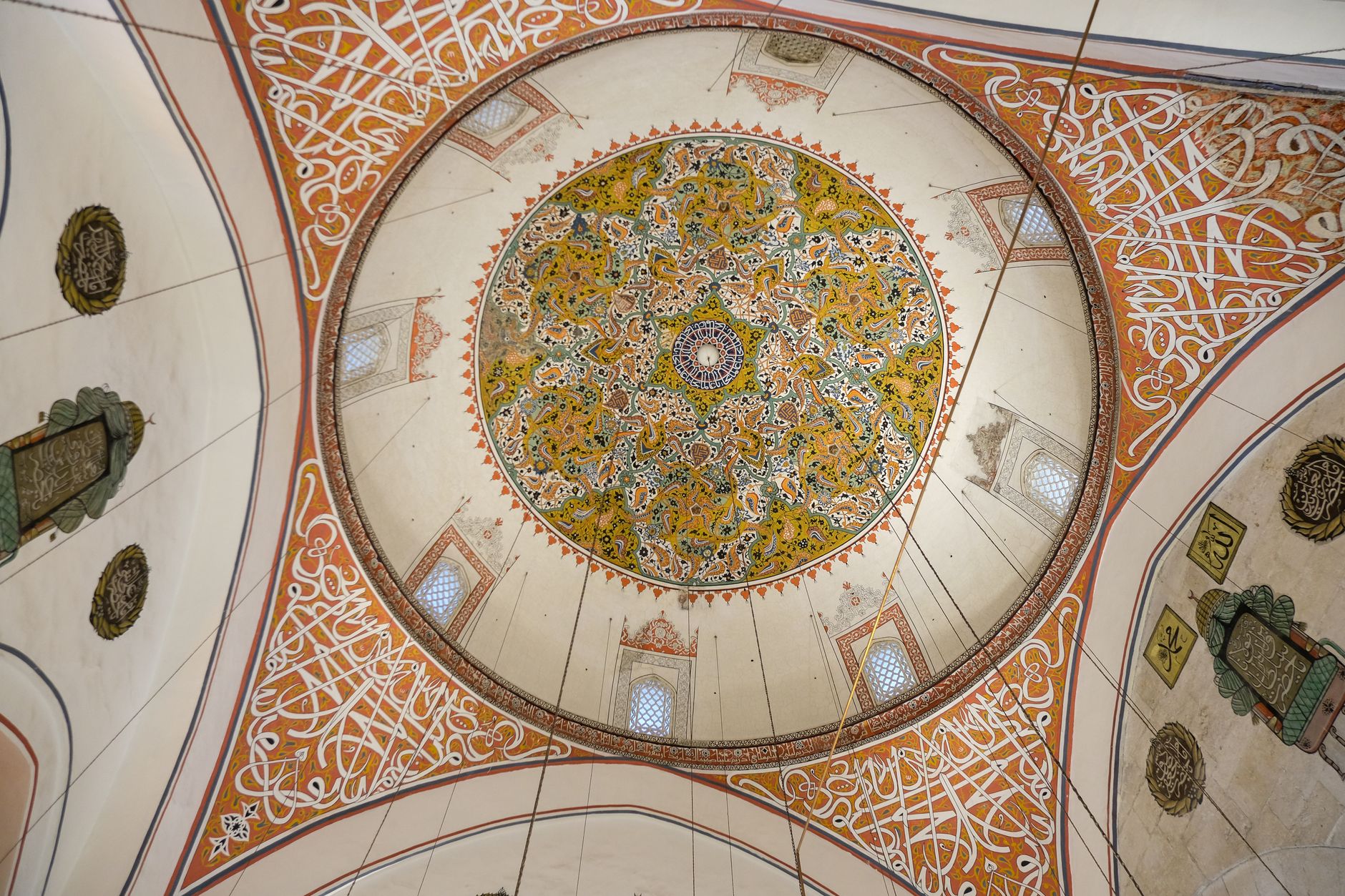
Gaziantep: A Southeastern Powerhouse in Transplant and Oncology
Gaziantep, known for its culinary heritage, has also become a serious medical destination. The city's hospitals—both public and private—have developed advanced programs in organ transplantation, oncology, and cardiovascular surgery. The Gaziantep City Hospital, one of the largest in the region, serves patients from across southeastern Anatolia and neighboring countries.
What makes Gaziantep stand out is its combination of modern infrastructure and cultural warmth. Patients from Iraq, Syria, and other parts of the Middle East often find it easier to travel here than to Istanbul, and they appreciate the familiar climate and cuisine. The city's medical teams are experienced in treating complex cases, and waiting times for procedures like kidney transplants are often shorter than in major metropolises.
For international patients, Gaziantep offers a chance to combine treatment with a rich cultural experience—from the Zeugma Mosaic Museum to the bustling markets. It's a reminder that excellent medicine can thrive outside capital cities.
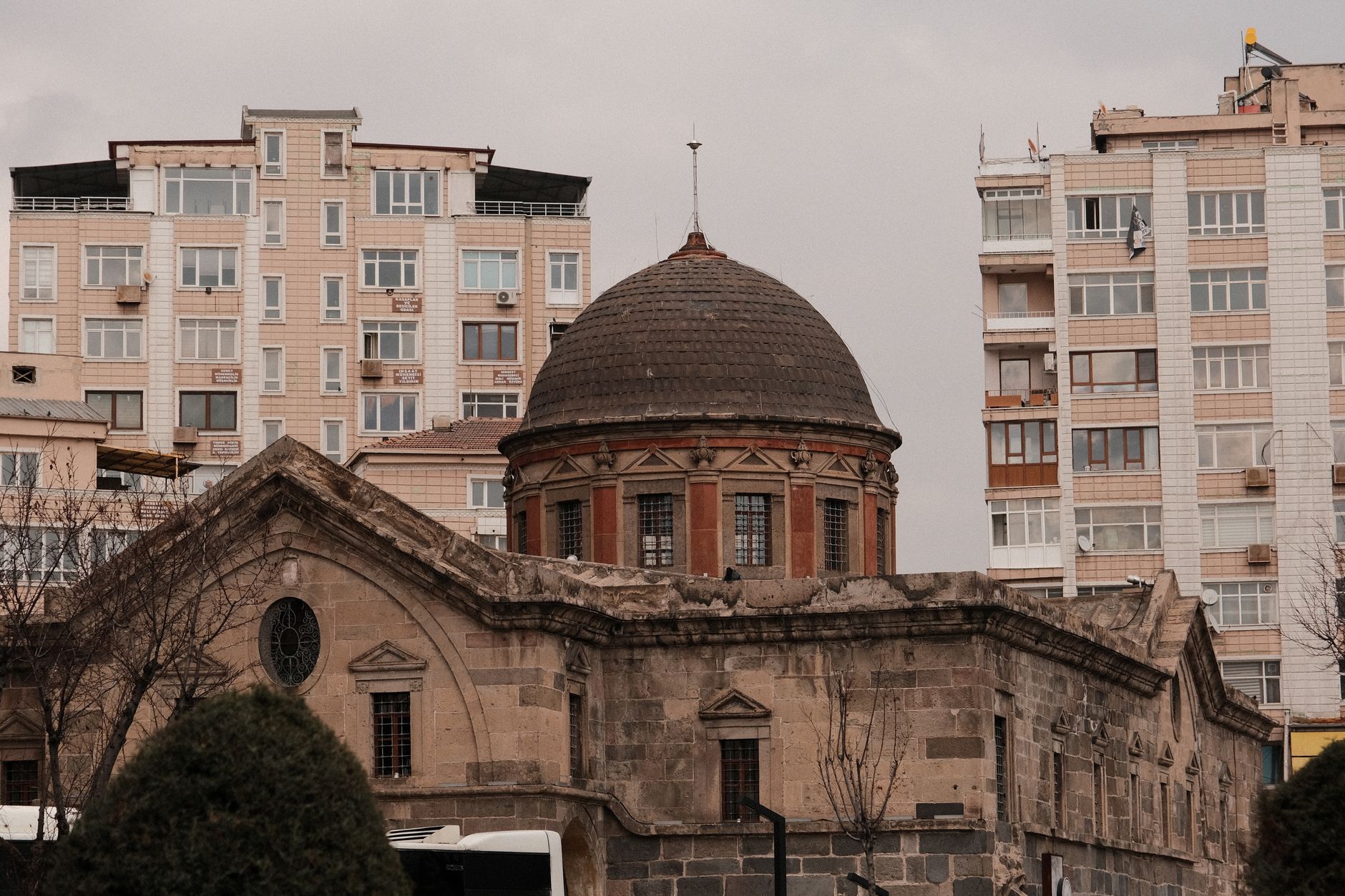
Konya: Central Anatolia's Rising Star in Cardiology and Neurology
Konya, famous for its Sufi heritage and the whirling dervishes, has quietly built one of the most advanced medical infrastructures in central Anatolia. The city's hospitals are equipped with state-of-the-art imaging, robotic surgery systems, and dedicated heart and brain centers. Konya's medical faculty trains specialists who stay in the region, creating a sustainable pool of expertise.
Cardiology and neurology are particular strengths. Patients travel from across Türkiye and abroad for procedures such as coronary bypass, angioplasty, and epilepsy surgery. The Konya City Hospital, opened in 2020, is one of the largest in Europe, with over 1,200 beds and a helipad for emergency transfers.
Beyond clinical care, Konya offers a serene environment for recovery. The city's green spaces, low traffic, and peaceful atmosphere can be a welcome change for patients used to the hustle of larger cities. And with direct flights from many international destinations, access is easier than ever.
Kayseri and Antalya: Complementary Centres of Excellence
Kayseri, an industrial hub in central Anatolia, has leveraged its manufacturing strengths to become a leader in medical device production and orthopedic care. The city's hospitals are known for joint replacements, spine surgery, and sports medicine. Many patients from Europe and the Middle East choose Kayseri for these procedures, attracted by competitive pricing and high success rates.
Antalya, on the Mediterranean coast, combines medical care with resort-style recovery. The city's private hospitals cater to international patients seeking cosmetic surgery, dental work, and fertility treatments. After a procedure, patients can relax on the beach or in a luxury hotel—a unique advantage that few medical destinations can match. Antalya also has a strong reputation in ophthalmology, with several clinics performing thousands of LASIK and cataract surgeries each year.
Together, these cities illustrate the diversity of Anatolian medicine: from high-tech orthopedics to sun-soaked recovery.
Why Regional Excellence Matters for International Patients
When you choose a hospital in an Anatolian city, you're not settling for less—you're often getting more. Here's why:
- Shorter waiting times: Capital-city hospitals can be overwhelmed. Regional centres often have more availability for consultations and surgeries, so you can start treatment sooner.
- Competitive pricing: Lower operating costs in Anatolian cities translate into significant savings for patients, without compromising quality. Many procedures cost 30–50% less than in Western Europe or North America.
- Personalized care: Smaller patient volumes mean more time with doctors and nurses. Many international patients report feeling like family rather than a number.
- Accreditation and standards: Many regional hospitals hold JCI accreditation or ISO certifications, and their specialists are trained in Europe and the US.
- Cultural hospitality: Anatolian cities are famous for their warmth. From home-cooked meals to help with logistics, the human touch is part of the healing process.
In short, regional excellence translates into personal value: better access, lower costs, and a supportive environment.
How to Choose the Right Anatolian City for Your Treatment
With so many options, how do you decide? Start with your medical needs. If you require a complex transplant or oncology care, Gaziantep might be ideal. For heart or brain surgery, Konya's specialized centres are strong contenders. Orthopedic patients often find excellent care in Kayseri, while those seeking cosmetic or dental work may prefer Antalya's international clinics.
Next, consider logistics. All these cities have airports with domestic and international connections, but flight frequencies vary. Istanbul remains the main gateway, and from there, domestic flights take 1–2 hours. Some cities, like Antalya, have direct flights from many European cities.
Finally, think about your recovery environment. Do you prefer a quiet, contemplative setting like Konya, or a coastal resort like Antalya? Your comfort matters as much as the procedure itself.
At Istanbul Medical Tourism, we help you navigate these choices. Our network includes top hospitals in Anatolian cities, and we provide end-to-end support: from medical records translation to visa assistance and accommodation.
The Future of Anatolian Medicine
The journey is far from over. Anatolian cities continue to invest in robotic surgery, telemedicine, and precision medicine. New hospitals are opening, and international partnerships are expanding. As global healthcare becomes more connected, these cities are poised to play an even bigger role.
For international patients, this means more choices and better value. It also means that world-class care is no longer confined to a few major cities—it's available across Türkiye, delivered with skill and warmth.
Whether you're seeking a second opinion, a complex surgery, or a fresh start, consider what Anatolia has to offer. The hospitals are ready, the doctors are experienced, and the welcome is genuine. Your journey to health can begin in a place that feels both advanced and authentically Turkish.
Thinking about treatment in Turkey?
Share your contact details and a verified doctor will follow up with a plan built around you — free, no obligation.