

A New Kind of Hospital Welcome: The App Store Before the Arrival Hall
Not long ago, planning medical treatment abroad began with a folder of printouts, a stack of email threads and a certain amount of hopeful improvisation. Today, for a growing number of international patients heading to Türkiye, the journey starts with a QR code and a download. Türkiye's leading private hospital groups — many of them JCI-accredited and clustered around Istanbul's medical tourism corridors — now hand arriving patients access to a multilingual patient app that travels with them from the first inquiry to the final follow-up.
This is not a novelty add-on. Türkiye has spent the past decade building one of the region's most digitized healthcare ecosystems, from nationwide e-prescription infrastructure to hospital groups running integrated electronic medical records across dozens of campuses. The patient-facing app is the visible tip of that investment, and it happens to be one of the most reassuring things an international patient can hold in their hand.
For anyone comparing destinations for treatment, the practical question is simple: when something changes, how quickly will I know, and how easily can I reach someone who understands me? Türkiye's digital-first hospitals have built convincing answers to both, and they deserve a place in your decision alongside cost, clinical outcomes and travel logistics.
Appointment Reminders That Actually Respect Your Itinerary
Scheduling in a foreign city is where anxiety usually peaks. You have a hotel to check into, a translator to coordinate, maybe a companion navigating the metro for the first time. Turkish hospital apps handle this with reminders that arrive in your chosen language, at intervals you set, often with the department, floor and physician name clearly listed so you know exactly where to go.
The better platforms go further: they push a notification when a physician's schedule shifts, let you confirm or request a reschedule in two taps, and sync appointments to your phone's calendar so they sit alongside your flight and hotel bookings. Some hospitals tie reminders to a digital check-in flow, meaning you can complete paperwork from the lobby café rather than a crowded reception desk.
For patients traveling with a companion or family member, many apps allow a caregiver to receive the same reminders, which turns a solo logistical scramble into a shared plan. For anyone managing a multi-stage treatment — consultations, imaging, a procedure, then follow-ups — this kind of structured nudging is quietly transformative. You stop holding the schedule in your head and start trusting the system to hold it for you.

Test Results Without the Waiting-Room Pacing
Perhaps the single most appreciated feature among international patients is secure in-app access to laboratory and imaging results. Instead of waiting for a phone call at an inconvenient hour — or wondering whether an email landed in a spam folder — results appear in your patient portal as soon as they are released by the clinician, often accompanied by reference ranges and plain-language notes.
What matters most here is not raw access but interpretation. Turkish hospitals increasingly attach physician commentary, translated summaries and next-step guidance to results, so a blood panel is not just a grid of numbers but a message that says, in effect, here is what this means and here is what happens next. For patients who return home mid-treatment, this continuity is invaluable: your Turkish care team's read on your results travels with you, ready to share with your local physician.
There is a practical comfort in this that is easy to underestimate. Waiting for information is its own kind of stress, and it multiplies when you are far from home and relying on intermediaries. A results feed that updates in real time restores a sense of agency — you are informed, not suspended.
Digital transparency does not replace the doctor's explanation. It simply ensures you are never the last person to know what is happening in your own care.
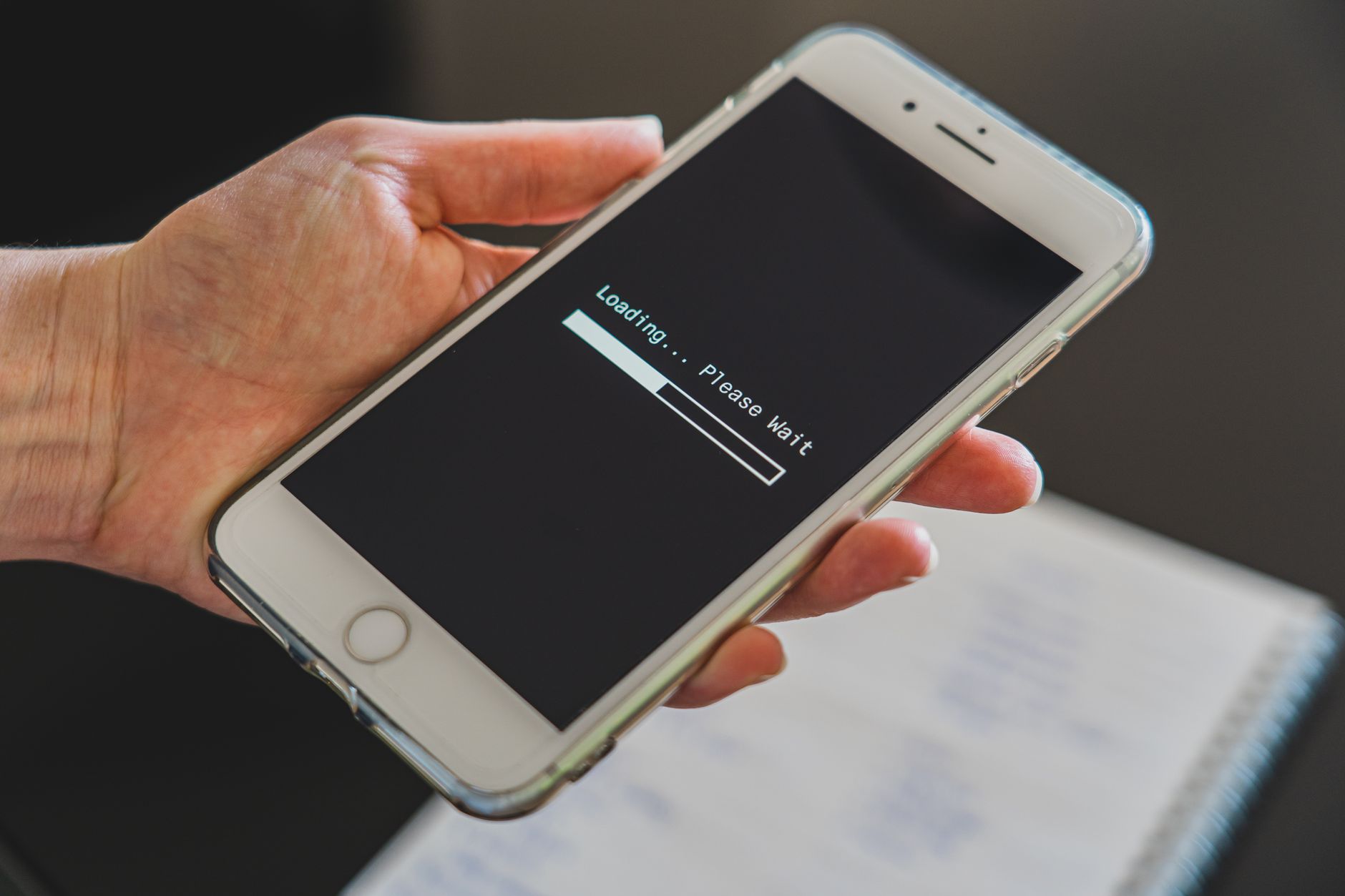
Direct Messaging With Your Care Team, Minus the Guesswork
Direct messaging features have quietly become the workhorse of the modern patient app. Through secure, encrypted channels, international patients can ask a nurse coordinator about medication timing, send a photo of a healing incision, confirm whether a fasting instruction applies to a specific scan, or ask the international patient office to arrange an airport transfer — all within a documented thread rather than scattered across WhatsApp, email and phone calls.
The multilingual layer is what makes this genuinely useful. Türkiye's international patient departments routinely staff Arabic, English, Russian, German and Persian speakers, and the leading apps build translation and language selection into the messaging itself. You write in your language; the record captures the exchange cleanly for the clinical team.
Response expectations are usually stated up front — for example, routine queries answered within a working day, urgent concerns routed to a 24-hour line. That clarity matters. It tells you when to message and when to call, and it removes the low-grade uncertainty of wondering whether anyone has seen your question.

The Practical Comfort of a Treatment Plan You Can See
Treatment planning abroad has traditionally involved a lot of mental bookkeeping: which document was sent, which deposit was paid, which pre-operative instruction applied to which day. Turkish hospitals' apps increasingly consolidate this into a single itinerary view — an estimated care timeline, document upload requests, consent forms, payment confirmations and pre-admission checklists, all in your chosen language.
The result is a measurable reduction in the friction that surrounds care rather than the care itself. Patients arrive having already completed forms, having already met their coordinator by message, having already seen the schedule that awaits them. Anxiety that used to be spent on logistics gets redirected toward recovery.
This is where Türkiye's healthcare technology story is genuinely optimistic. These are not pilot projects or marketing brochures; they are everyday infrastructure in high-volume international departments, refined by thousands of patient journeys each year. The direction of travel is clear: more transparency, more languages, more continuity between Türkiye and home.
From Istanbul to Home: Continuity After You Fly Back
The most common worry voiced by international patients is what happens after departure. Türkiye's digital-first hospitals address it directly. Post-discharge follow-up messages, wound-care photo check-ins, teleconsultation slots and e-prescription access keep the relationship alive across borders. Your discharge summary, imaging and lab history live in the app, ready to hand to your physician at home.
Several groups now also schedule structured remote follow-ups at defined intervals — a week, a month, three months — with reminders that appear automatically. For patients who traveled for surgery or complex treatment, this transforms aftercare from a hopeful promise into a documented plan.
It also strengthens Türkiye's position as a long-term healthcare partner rather than a one-off destination. Patients who feel supported after they leave are the ones who return, and who recommend the experience to others.
Getting the Most From Your Hospital App: A Short Practical Guide
Before you travel, ask your chosen hospital whether it offers a patient app or portal, whether it supports your language, and whether a companion can be added to your account. Download and register early so you have time to complete forms and upload documents without pressure.
Once you arrive, enable notifications, confirm your preferred language and check the messaging response-time policy so you know when to write and when to call. Save the international patient office number as a backup, and ask how results are released so you know what to expect and when.
Türkiye's hospitals are betting confidently on a simple idea: that transparency and communication are forms of care. On the evidence of their multilingual apps, that bet is paying off — for the patients holding the phone, and for the country's reputation as a healthcare destination that treats the whole journey, not just the procedure.
Thinking about treatment in Turkey?
Send us a question about this site or about the information published on it. This is a publisher's mailbox, not a medical service and not a route to a particular provider — for clinical questions, contact your own doctor.