

New Reaccreditations Put Türkiye's Hospitals in the Global Spotlight
Turkish hospitals are celebrating a new round of reaccreditations from Joint Commission International (JCI), the gold-standard evaluator of healthcare quality and patient safety worldwide. These renewals confirm that some of Türkiye's leading medical institutions continue to meet the most demanding international benchmarks year after year.
For international patients, the news is more than a badge of honor. It is a tangible signal that the hospitals they travel to are held to rigorous, transparent, and internationally recognized standards — from the operating room to the recovery ward.
“Reaccreditation is never automatic. It is earned through continuous, measurable improvement,” noted one hospital quality director. “Every renewal demonstrates that our protocols are not just written down — they are lived every day.”
What JCI Reaccreditation Actually Means for Patients
JCI accreditation involves an intensive, on-site evaluation of hundreds of standards covering patient rights, infection control, medication safety, surgical practice, and emergency preparedness. Reaccreditation means a hospital has passed that evaluation again, after a multi-year cycle of inspections and operational reviews.
The practical benefits for international patients are concrete. Standardized clinical protocols mean treatment follows evidence-based pathways regardless of department or shift. Rigorous hygiene and sterilization practices reduce the risk of hospital-acquired infections. And continuous improvement requirements mean hospitals must systematically review outcomes, learn from incidents, and upgrade processes.
In short, JCI reaccreditation is a promise of consistency — the same standard of care on every visit, for every patient, from anywhere in the world.
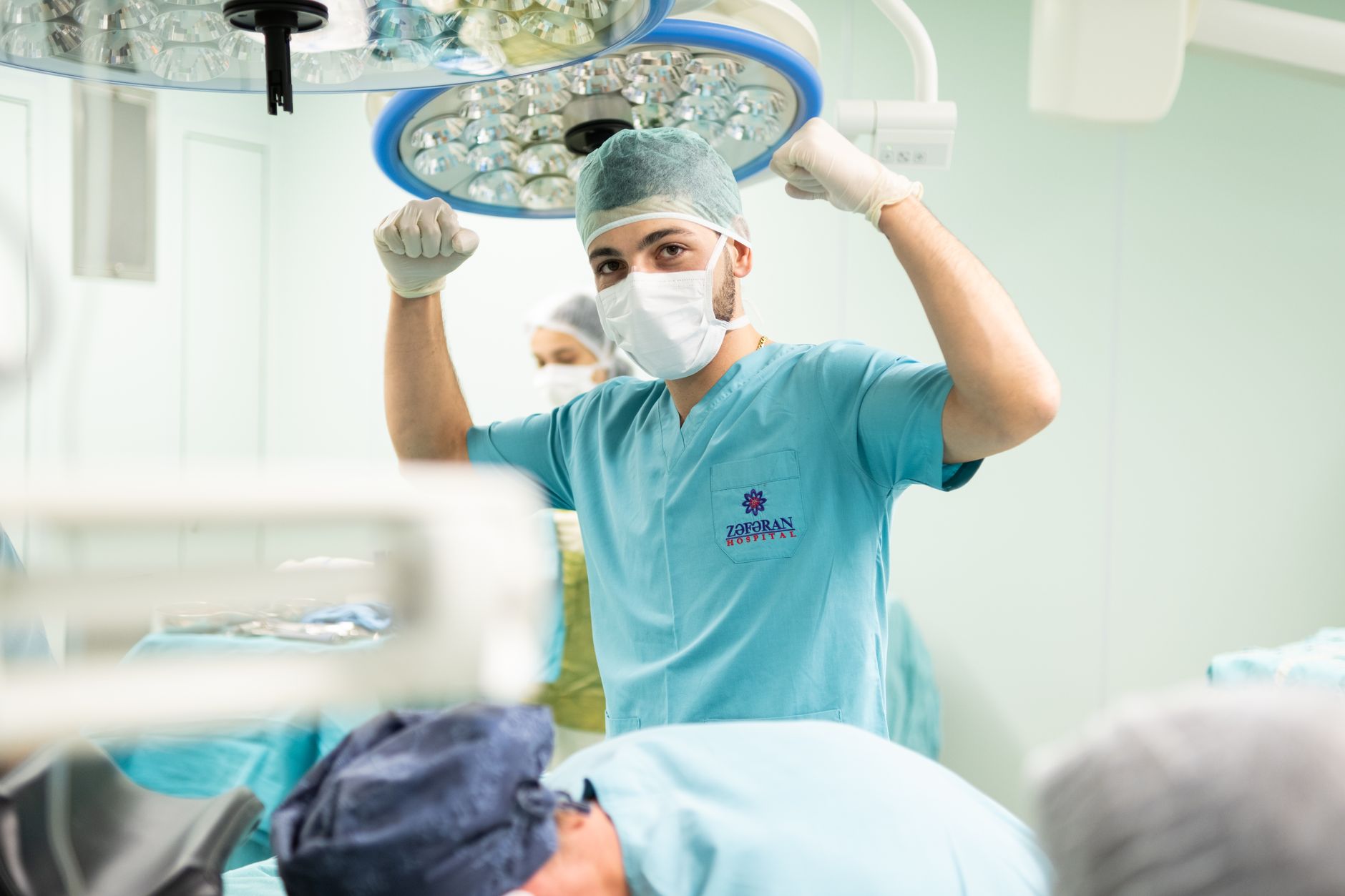
Standardized Protocols That Travel With You
International patients often worry about how care will be coordinated across borders, languages, and time zones. Accredited Turkish hospitals address this through standardized intake, diagnosis, treatment, and discharge protocols that are documented and auditable.
These protocols extend to international patient departments, where multilingual coordinators, clear informed-consent processes, and structured follow-up plans make the journey smoother. Patients can expect transparent communication about procedures, risks, and aftercare — not as a courtesy, but as an accredited requirement.
The result is care that feels predictable and safe, even in an unfamiliar country. That predictability is exactly what accreditation is designed to deliver.
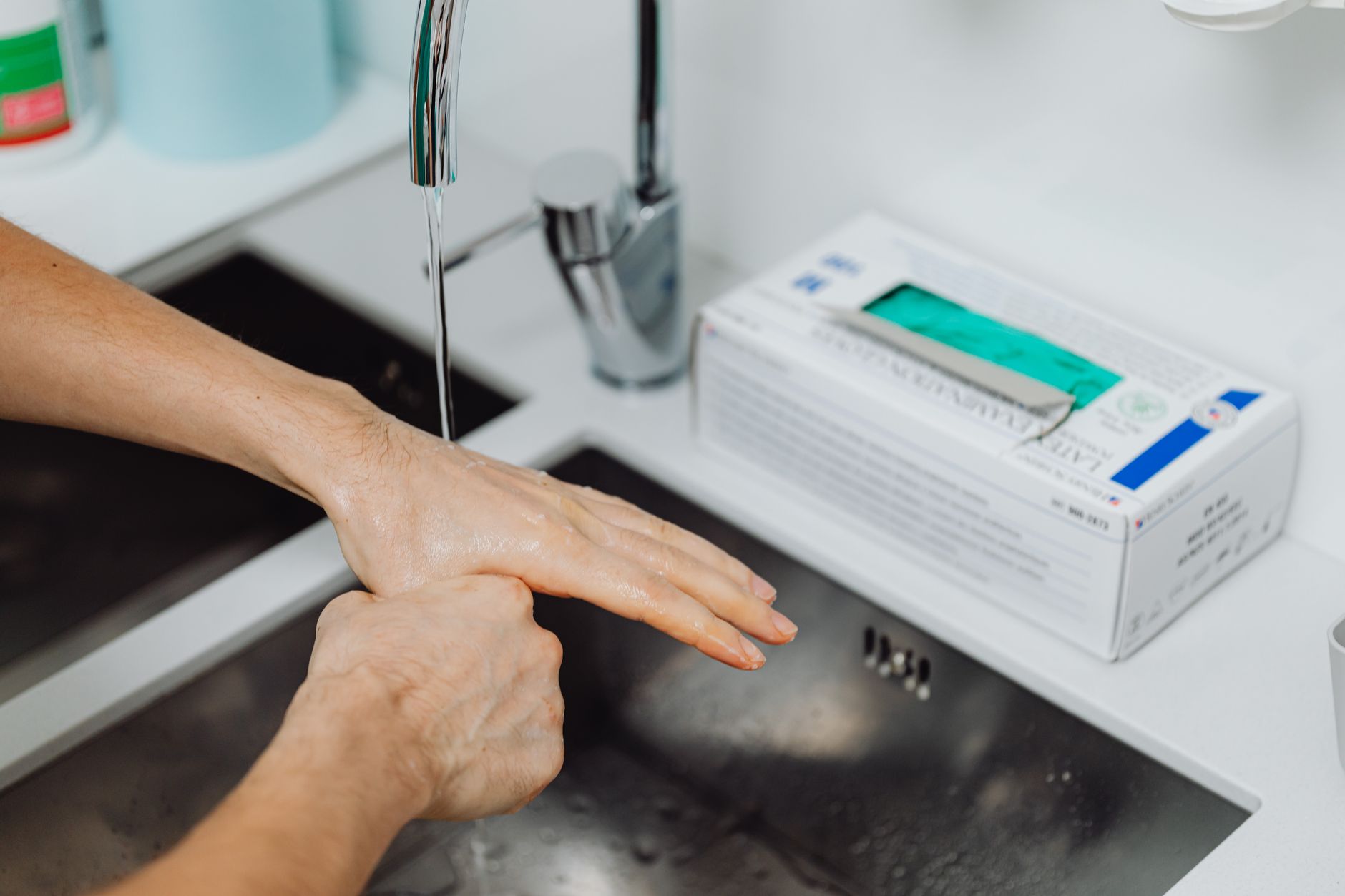
Rigorous Hygiene and Infection Control Front and Center
Among JCI's most closely watched standards are those covering infection prevention and control. Reaccredited Turkish hospitals maintain dedicated infection-control teams, regular hand-hygiene audits, sterilization tracking, and strict isolation procedures when needed.
These measures are especially important for surgical and oncology patients, who may be more vulnerable to infection. Hospitals must demonstrate not only that policies exist, but that staff follow them consistently — verified through observation, records, and interviews during the accreditation survey.
For patients and their families, this translates into greater peace of mind: the hospital environment has been independently assessed for cleanliness, safety, and adherence to best practice.

Continuous Improvement: The Engine Behind the Renewal
Accreditation is a cycle, not a finish line. Reaccreditation requires hospitals to show how they collect data on quality indicators, respond to adverse events, and implement improvements. Turkish hospitals have increasingly invested in digital quality dashboards, patient feedback systems, and staff training programs to sustain these efforts.
This culture of continuous improvement benefits international patients directly. When a hospital systematically measures outcomes and acts on what it learns, care gets safer and more effective over time. Reaccreditation is the public evidence of that internal discipline.
It also creates a ripple effect across the sector: as flagship hospitals raise the bar, peers follow, lifting standards for patients nationwide.
Why This Matters When Choosing Care Abroad
Choosing a hospital abroad is a decision built on trust. JCI reaccreditation gives international patients an independent, internationally recognized reference point — a way to compare hospitals on safety and quality rather than marketing claims alone.
Türkiye's growing roster of accredited institutions, combined with competitive pricing and modern facilities, makes it an increasingly confident choice for medical travelers. The latest reaccreditations reinforce that reputation and offer reassurance to patients planning procedures from cosmetic surgery to complex cardiac and oncological care.
For anyone considering treatment in Türkiye, the message is clear: accredited hospitals are committed to measurable excellence — and they are proving it, cycle after cycle.
Thinking about treatment in Turkey?
Send us a question about this site or about the information published on it. This is a publisher's mailbox, not a medical service and not a route to a particular provider — for clinical questions, contact your own doctor.