

Smart Wristbands Arrive in Turkish Hospitals
Leading hospitals across Istanbul and Antalya have begun rolling out smart patient wristbands designed specifically for international patients. The lightweight, waterproof devices combine secure identification with real-time communication features that connect directly to the hospital's patient management system.
Unlike standard hospital ID bands, these wearables can display and speak information in multiple languages. They alert patients to upcoming appointments, remind them to take medication, and allow them to request an interpreter with a single tap — all without needing to find a nurse or navigate a language barrier.
The technology is already being piloted at several JCI-accredited facilities that serve a high volume of medical tourists from Europe, the Middle East, and Central Asia. Early feedback suggests the bands significantly reduce confusion and anxiety for patients travelling alone.
How the Wristbands Work for International Patients
Each wristband pairs with a patient's hospital record and preferred language. When a doctor schedules a test or consultation, the band vibrates gently and shows a translated notification: for example, "MRI at 14:30, Radiology Department, Floor 2." The same message can be heard through a built-in speaker or read on a small display.
For medication, the band reminds patients at prescribed times with a soft chime and a text prompt such as "Take 1 tablet with water." If a dose is missed, the system can notify nursing staff so they can follow up — always with a human check, never an automated decision.
Interpreters can be requested instantly: a patient taps the language icon, selects their language, and a coordinator is alerted. The band then shows the estimated wait time and the interpreter's name, reducing the uncertainty that often accompanies a request in an unfamiliar setting.
Supporting Human Care, Not Replacing It
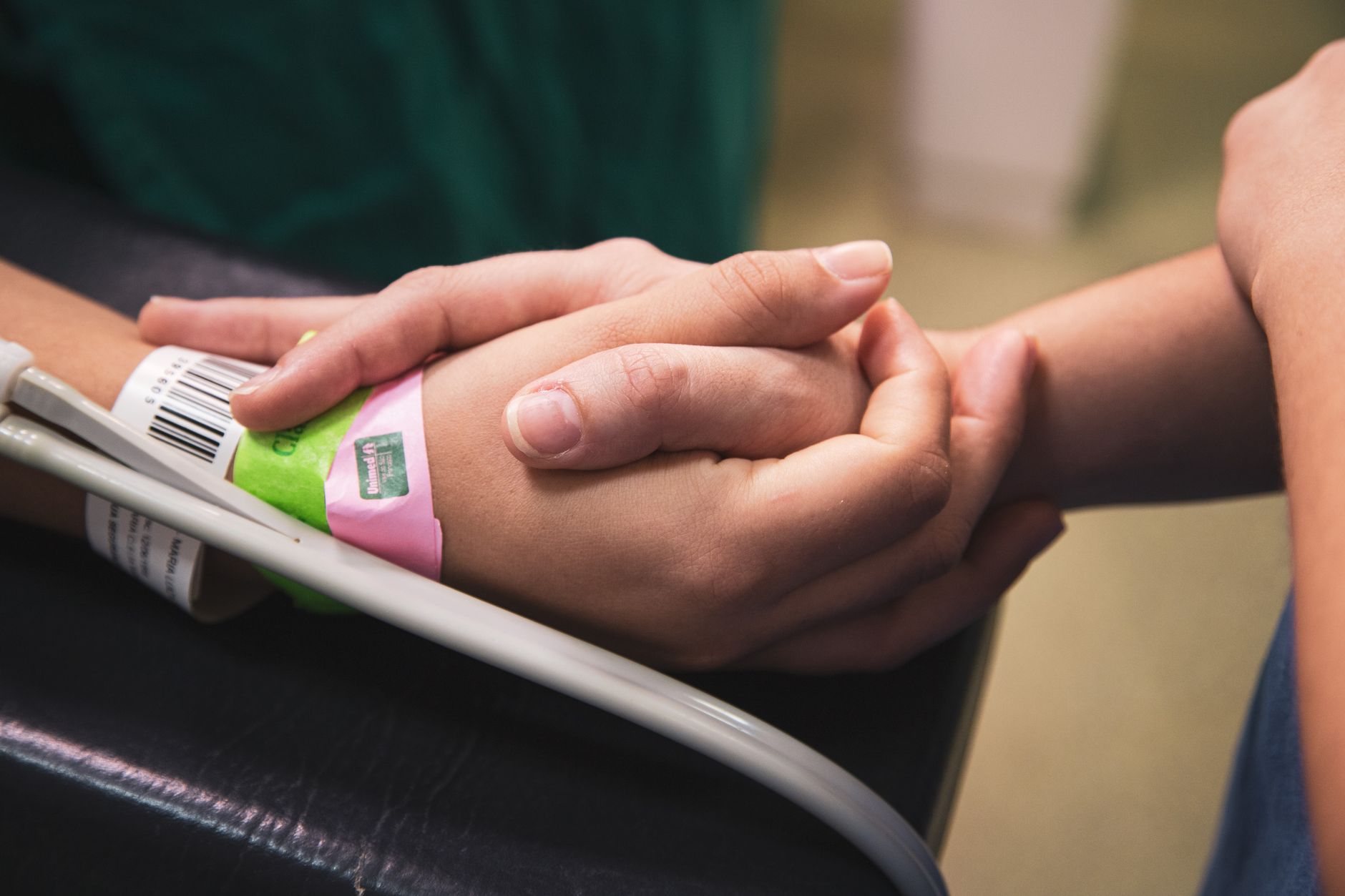
Hospital administrators emphasise that the wristbands are designed to augment — not substitute — the work of nurses, doctors, and interpreters. "Technology should remove friction, not remove people," says Dr. Elif Kaya, an international patient coordinator in Istanbul. "The band handles routine reminders so our staff can focus on empathy, explanation, and clinical care."
In practice, this means the wristband never delivers a diagnosis or adjusts treatment. It simply ensures that patients receive timely information in a language they understand. All alerts are reviewed and configured by clinical teams, and patients can always speak to a human by pressing a dedicated call button.
Interpreters remain central to complex conversations, such as informed consent or post-operative instructions. The wristband merely accelerates the request process, allowing professional interpreters to be deployed faster and more efficiently.

Easing Anxiety for Patients Travelling Alone
Many medical tourists arrive without companions, which can heighten stress in an unfamiliar hospital environment. The wristband offers a constant, quiet source of reassurance: it knows the schedule, remembers the medication, and speaks the patient's language.
Patients report that the device reduces the fear of missing an appointment or misunderstanding a instruction. "I came alone from London for a hair transplant and was nervous about communication," says Mark R., a recent patient in Istanbul. "The band told me when to be where, and I could call an interpreter instantly. It felt like having a personal assistant."
Hospitals also use the bands to share practical information, such as meal times, discharge procedures, and local emergency contacts, all translated and delivered at the right moment. This proactive communication helps patients feel oriented and cared for.

Privacy, Security and Language Coverage
The wristbands use encrypted short-range wireless communication and do not store personal data on the device itself. Access is limited to the patient's care team, and all data transmission complies with Turkey's KVKK regulations and international privacy standards.
Currently, the system supports more than 20 languages, including Arabic, Russian, German, French, Persian, and English. Hospitals plan to add more languages based on patient demographics, with Turkish sign language support under development.
Patients can opt out of non-essential alerts if they prefer, and the band can be easily sanitised between uses. The focus remains on patient choice and dignity.

The Future of Smart Patient Support in Turkey
Turkey's medical tourism sector continues to innovate, and smart wristbands represent a broader trend toward personalised, technology-enabled care. Similar devices are being tested for post-discharge follow-up, allowing patients to receive reminders and check-in prompts after returning home.
For now, the wristbands are available at selected hospitals in Istanbul, Ankara, and Antalya, with expansion planned throughout 2026. International patient departments report higher satisfaction scores and fewer missed appointments among users.
As one nurse put it: "The band doesn't replace my job — it helps me do it better. My patients understand more, worry less, and we can focus on healing." That balance of innovation and human touch is what defines the best of Turkish medical tourism.

Thinking about treatment in Turkey?
Share your contact details and a verified doctor will follow up with a plan built around you — free, no obligation.