

Why Genetic Screening Matters in IVF
For many couples struggling with infertility, in vitro fertilization (IVF) offers hope. But not all embryos are created equal. Some may carry chromosomal abnormalities that can lead to implantation failure, miscarriage, or serious health conditions. Preimplantation genetic testing (PGT) allows embryologists to screen embryos for such issues before transfer, significantly improving the chances of a healthy pregnancy.
Turkey has emerged as a leading destination for advanced reproductive care, with clinics that combine state-of-the-art laboratories, highly experienced embryologists, and comprehensive genetic screening options. In this article, we'll explain what PGT-A and related tests can offer, and how to have an informed conversation with a Turkish fertility specialist.
Understanding PGT-A and Related Tests
PGT-A (Preimplantation Genetic Testing for Aneuploidy) is a screening test that checks embryos for abnormal numbers of chromosomes (e.g., an extra or missing chromosome). Chromosomal abnormalities are a common cause of IVF failure and miscarriage, especially in women over 35. By identifying euploid (chromosomally normal) embryos, PGT-A helps select the best embryo for transfer, increasing the likelihood of a successful pregnancy.
Other types of PGT include:
- PGT-M (Monogenic/Single Gene Defects): for couples at risk of passing on specific genetic disorders like cystic fibrosis or sickle cell anemia.
- PGT-SR (Structural Rearrangements): for couples with balanced translocations or other chromosomal structural issues.
- PGT-HLA: to select embryos that are tissue-compatible with an existing sibling in need of a stem cell transplant.
These tests are performed on a few cells biopsied from the embryo at the blastocyst stage (day 5 or 6), without affecting the embryo's development. The biopsied cells are then analyzed in a genetics laboratory, and the results guide the embryologist in choosing the healthiest embryo for transfer.
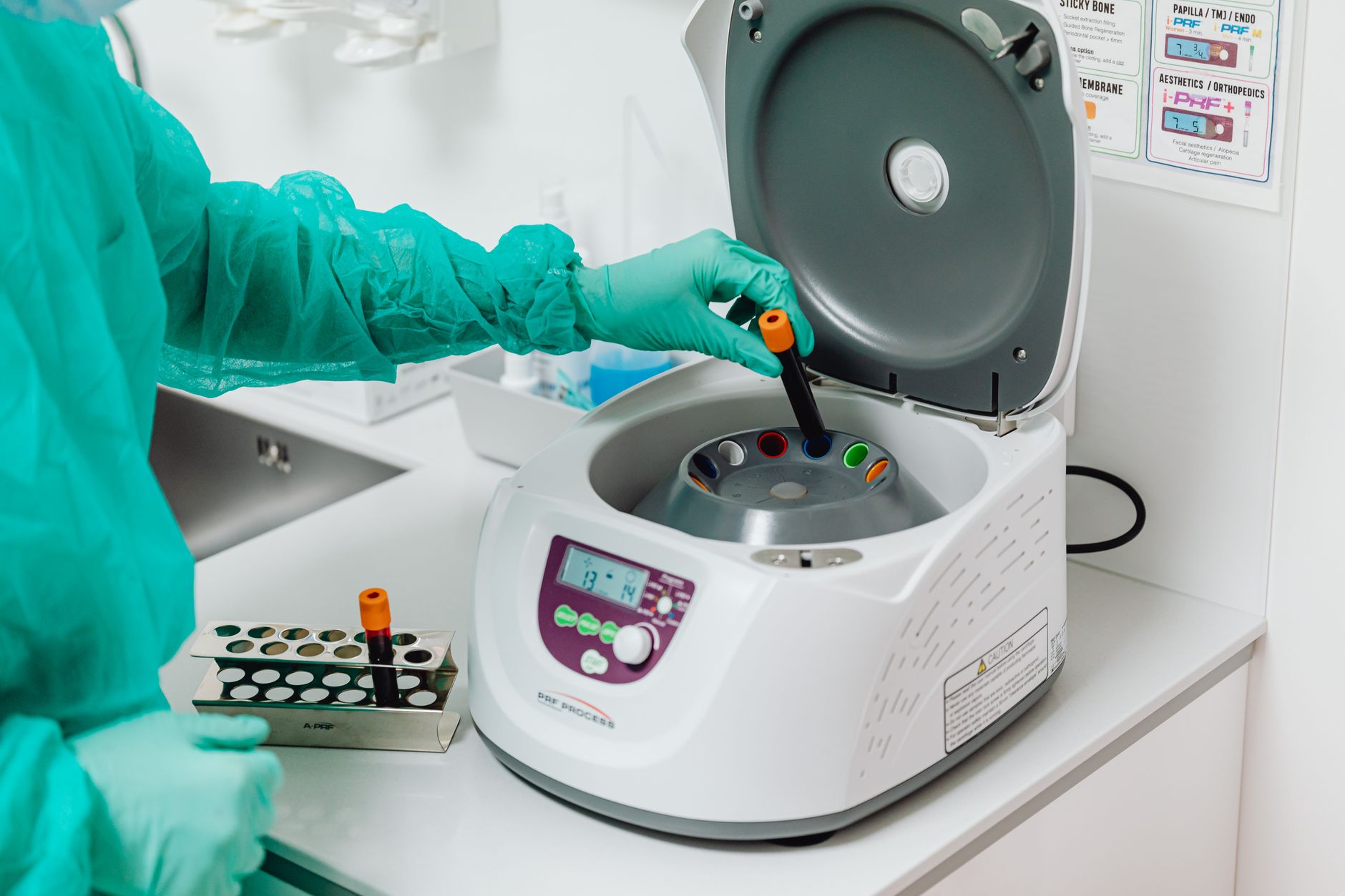
Turkey's Advanced Reproductive Centres
Turkish IVF clinics are renowned for their high success rates, often comparable to or even exceeding those in many Western countries. This is largely due to their investment in cutting-edge technology and skilled personnel. Many centres are equipped with accredited genetics laboratories that follow strict international standards, ensuring accurate and reliable PGT results.
Experienced embryologists in Turkey are trained in the latest biopsy techniques, such as trophectoderm biopsy, which minimizes risk to the embryo. They work closely with geneticists to interpret complex results and tailor treatment plans. Moreover, clinics often offer comprehensive genetic counseling, helping patients understand the implications of PGT results and make informed decisions.
Accreditation from organizations like the European Society of Human Reproduction and Embryology (ESHRE) or the Joint Commission International (JCI) is common among top Turkish fertility centres, reflecting their commitment to quality and safety.
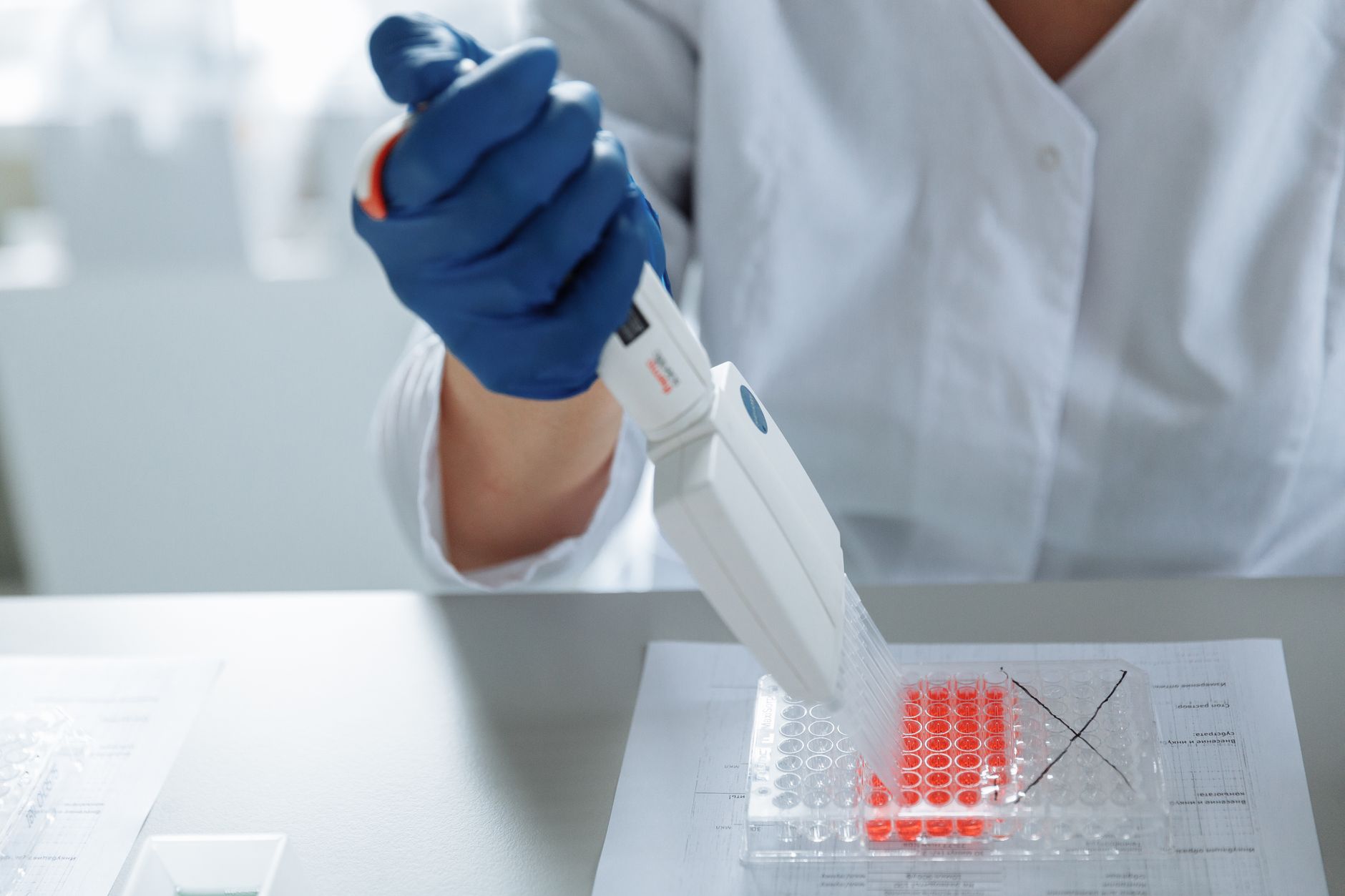
What PGT-A Can Offer You
PGT-A can be a game-changer for many patients. By screening embryos for chromosomal normality, it can:
- Increase implantation rates per transfer.
- Reduce the risk of miscarriage due to chromosomal abnormalities.
- Decrease the number of IVF cycles needed to achieve a pregnancy.
- Provide peace of mind for couples who have experienced recurrent pregnancy loss.
It's important to note that PGT-A is not a guarantee of a healthy baby, and it does not detect all genetic conditions. However, when used appropriately, it can significantly enhance IVF outcomes. Turkish clinics often use advanced platforms like next-generation sequencing (NGS) for comprehensive chromosomal analysis, which offers higher resolution and accuracy than older methods.

Discussing Genetic Screening with Your Turkish Fertility Specialist
If you're considering PGT, an open and honest conversation with your fertility specialist is crucial. Here are key points to discuss:
- Your medical history: Age, previous IVF attempts, history of miscarriages, and family history of genetic disorders.
- Indications for PGT: Whether PGT-A, PGT-M, or PGT-SR is appropriate for your situation.
- Risks and limitations: The possibility of false results (though rare), the risk of embryo damage from biopsy (minimal), and the chance that no normal embryos are found.
- Cost and logistics: PGT adds to the overall cost of IVF; ask about pricing and whether genetic counseling is included.
- Ethical and emotional aspects: What will you do with embryos that are abnormal? How will you handle the wait for results?
Turkish specialists are known for their patient-centered approach and often speak English, making communication easier for international patients. They can provide detailed explanations and personalized recommendations.
The Future of Embryo Health in Turkey
As reproductive genetics continues to evolve, Turkish clinics are at the forefront of adopting new technologies. Research into non-invasive PGT (using spent embryo culture media) and artificial intelligence for embryo selection is ongoing. These advancements promise to make IVF safer and more successful in the future.
For now, PGT remains a powerful tool in the hands of skilled professionals. By choosing a reputable Turkish clinic with accredited laboratories and experienced embryologists, you can access some of the best genetic screening options available worldwide.
In conclusion, genetic screening in IVF is a complex but valuable option. Turkish reproductive centres offer advanced, reliable PGT services that can improve your chances of a healthy baby. If you're considering IVF abroad, Turkey should be on your list. Schedule a consultation with a Turkish fertility specialist to explore how PGT can be tailored to your unique needs.
Thinking about treatment in Turkey?
Send us a question about this site or about the information published on it. This is a publisher's mailbox, not a medical service and not a route to a particular provider — for clinical questions, contact your own doctor.