

Turkish Oncology Teams Step onto the World Stage
Across recent international cancer meetings, Turkish oncologists have been increasingly visible — presenting research, chairing sessions and joining expert panels alongside colleagues from Europe, North America and Asia. From medical oncology and radiation oncology to surgical oncology and pathology, the breadth of Turkish participation reflects a health system that has invested seriously in cancer care infrastructure over the past two decades.
This visibility is not new, but it is accelerating. Comprehensive cancer centres in Istanbul, Ankara and Izmir now routinely send multidisciplinary delegations to global congresses, and their contributions are being cited and discussed in international guideline conversations.
For patients considering treatment in Türkiye, this international presence is more than a matter of prestige. It signals that the physicians caring for them are working from the same evidence base, the same staging systems and the same outcome benchmarks as leading centres worldwide.
A Collaborative Culture Rooted in the Tumour Board
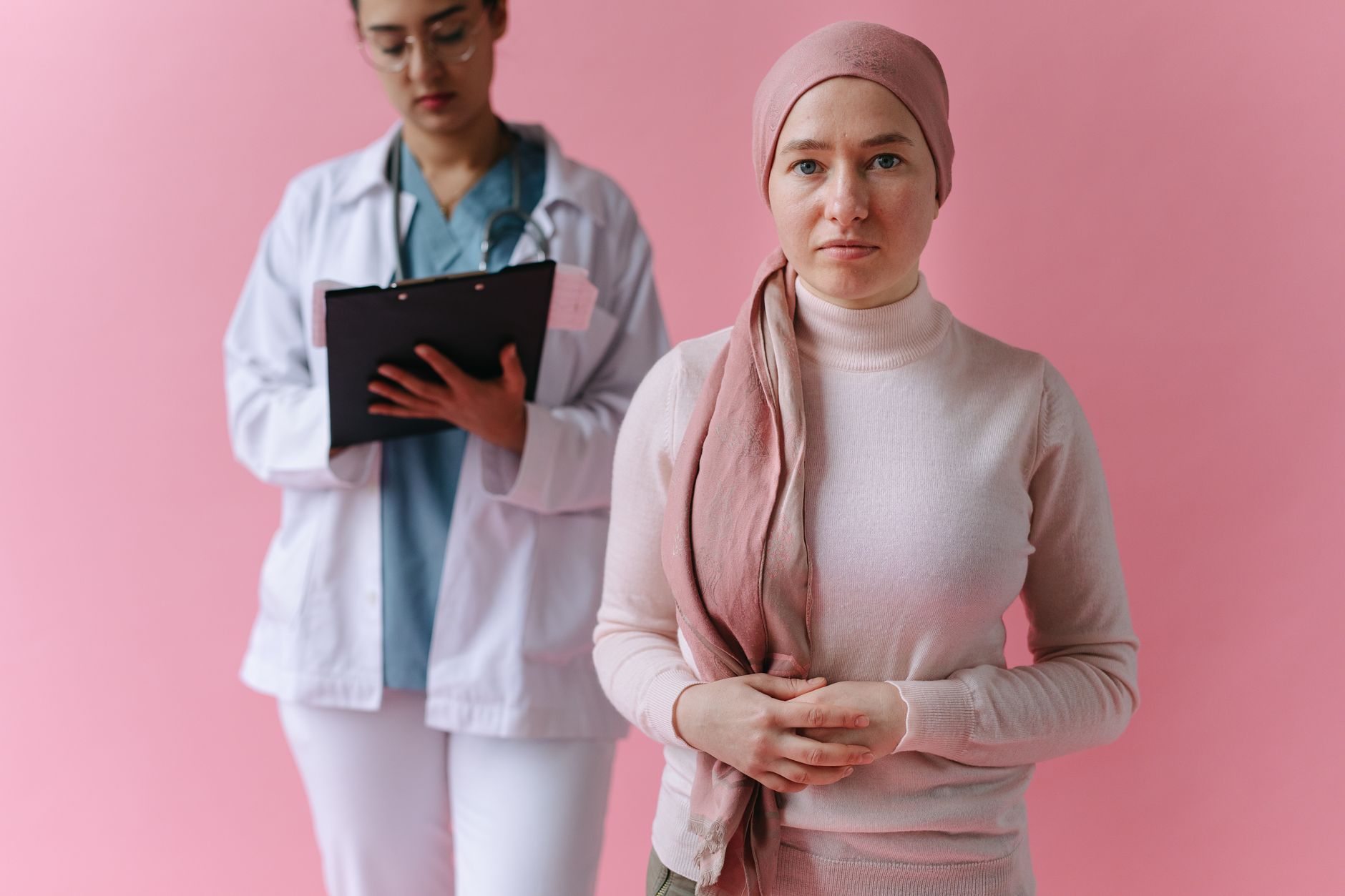
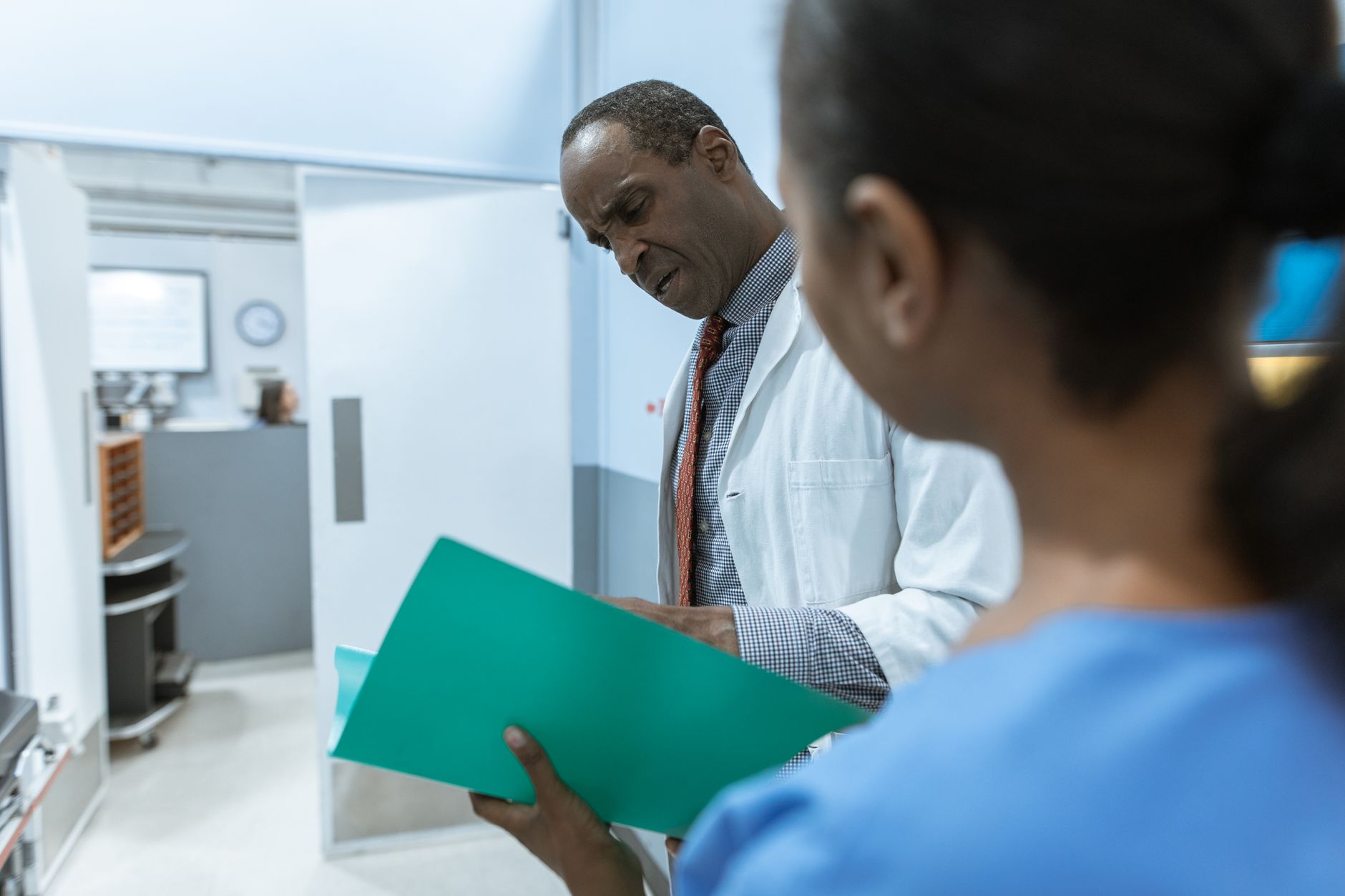
The defining feature of Turkish cancer care is the tumour board — a structured meeting where medical oncologists, surgeons, radiation oncologists, radiologists, pathologists and specialist nurses review each complex case together. This multidisciplinary model is standard practice in Türkiye's major oncology centres, not an occasional courtesy.
At international meetings, Turkish clinicians frequently present cases that illustrate this approach: how a radiological nuance changed a surgical plan, how molecular pathology redirected a systemic therapy choice, or how a radiation dose decision was refined after multidisciplinary discussion. These presentations resonate because they mirror how high-performing cancer programmes everywhere operate.
What this means for patients is tangible. Decisions about surgery, chemotherapy, targeted therapy and radiotherapy are made collectively rather than in isolation, reducing the risk that a single perspective overlooks an important option.
The Practical Value: Internationally Aligned Protocols
Turkish oncology centres follow internationally recognised protocols — including ESMO, NCCN and ASCO-aligned frameworks — while adapting them to local resources and individual patient circumstances. Participation in international meetings is part of how that alignment is maintained and refreshed.
For international patients, this translates into several concrete benefits:
- Consistency of standards: staging, pathology reporting and treatment sequencing follow globally accepted norms.
- Access to modern therapies: targeted treatments, immunotherapy and advanced radiotherapy techniques are available in major centres.
- Second-opinion strength: multidisciplinary review provides a robust basis for confirming or revising a treatment plan.
- Transparent communication: clinicians accustomed to international forums are practised at explaining complex decisions clearly.
Patients often arrive in Türkiye having already received a diagnosis elsewhere. The tumour-board model allows their case to be re-examined comprehensively — imaging, pathology and clinical history together — before any new treatment begins.
Why Sharing Expertise Raises the Bar at Home
International engagement is a two-way street. Turkish oncologists bring home insights from global debates — new trial data, evolving surgical techniques, refined radiotherapy dosing — and feed them back into their own tumour boards and departmental protocols.
"When our physicians present and debate on international platforms, the first beneficiaries are the patients in our own clinics," is how specialists at leading Turkish cancer centres describe the dynamic.
This cycle of exchange also supports quality improvement: participation in international audits, registries and collaborative studies helps centres benchmark their outcomes against global standards and identify areas for refinement.
The result is a cancer care ecosystem that is both locally grounded and globally connected — a combination that matters when patients are making consequential decisions about where to be treated.
What This Means for International Patients
For patients travelling to Türkiye for oncology care, the multidisciplinary and internationally aligned model offers reassurance at several stages. Pre-treatment, it means a thorough re-evaluation of diagnosis and staging. During treatment, it means coordinated decision-making across specialties. After treatment, it means structured follow-up informed by international survivorship guidance.
Major centres also provide coordination services for international patients, including translation support, assistance with medical records and scheduling of consultations across departments — practical logistics that make a complex journey manageable.
It is worth emphasising that not every case requires travel; many patients benefit simply from a structured second opinion. Turkish oncology centres increasingly offer remote review of imaging and pathology as a first step, with in-person evaluation arranged when appropriate.
A Message of Confidence and Continuity
The growing presence of Turkish oncologists at international cancer meetings reflects a mature, collaborative and evidence-driven approach to cancer care. It is a story of physicians who are comfortable being scrutinised by peers, who value collective decision-making, and who measure their work against global benchmarks.
For patients and families navigating a cancer diagnosis, that combination — multidisciplinary depth, international alignment and a culture of open exchange — is genuinely reassuring. Türkiye's oncology community is not simply attending the global conversation; it is helping to shape it, and patients are the beneficiaries.
Thinking about treatment in Turkey?
Send us a question about this site or about the information published on it. This is a publisher's mailbox, not a medical service and not a route to a particular provider — for clinical questions, contact your own doctor.