

A Landmark Achieved: 100,000 Robotic Procedures
Türkiye's network of robotic surgery programmes has officially surpassed 100,000 completed procedures, a milestone announced this week by the country's leading hospital groups and academic medical centres. The figure places Türkiye among the most experienced robotic surgery nations in Europe and the wider region, and it represents far more than a number: it is the accumulated product of nearly twenty years of continuous investment in surgical technology, training and clinical governance.
Robotic-assisted surgery first arrived in Türkiye in the mid-2000s, initially at major university hospitals in Istanbul and Ankara. What began as a small number of pioneering centres has grown into a coordinated network spanning public and private institutions across the country, with da Vinci, Hugo and other advanced robotic platforms now installed in dozens of hospitals.
For international patients, the milestone carries a practical message. A programme that has performed 100,000 operations is not learning on its patients — it is refining techniques, shortening operating times and standardising outcomes. That depth of experience is exactly what medical travellers should look for when evaluating a destination for surgery.
What Minimally Invasive Robotics Actually Means for Patients
Robotic-assisted surgery is a form of minimally invasive surgery. Rather than a large open incision, surgeons operate through several small ports — typically between five and twelve millimetres — using wristed instruments that translate the surgeon's hand movements with high precision and tremor filtration. A magnified, three-dimensional high-definition view gives the operating team visual detail that open surgery cannot match.
The consequences for patients are concrete. Smaller incisions mean less blood loss, less post-operative pain and a substantially reduced risk of wound infection. Many patients are walking within hours of surgery and are discharged in a fraction of the time required after conventional open procedures.
Because the incisions are small, scarring is minimal — a meaningful consideration for patients undergoing abdominal, urological, gynaecological or thoracic procedures. And because recovery is faster, international patients can often plan shorter trips to Türkiye, combining a shorter hospital stay with less time needed in a hotel before flying home.
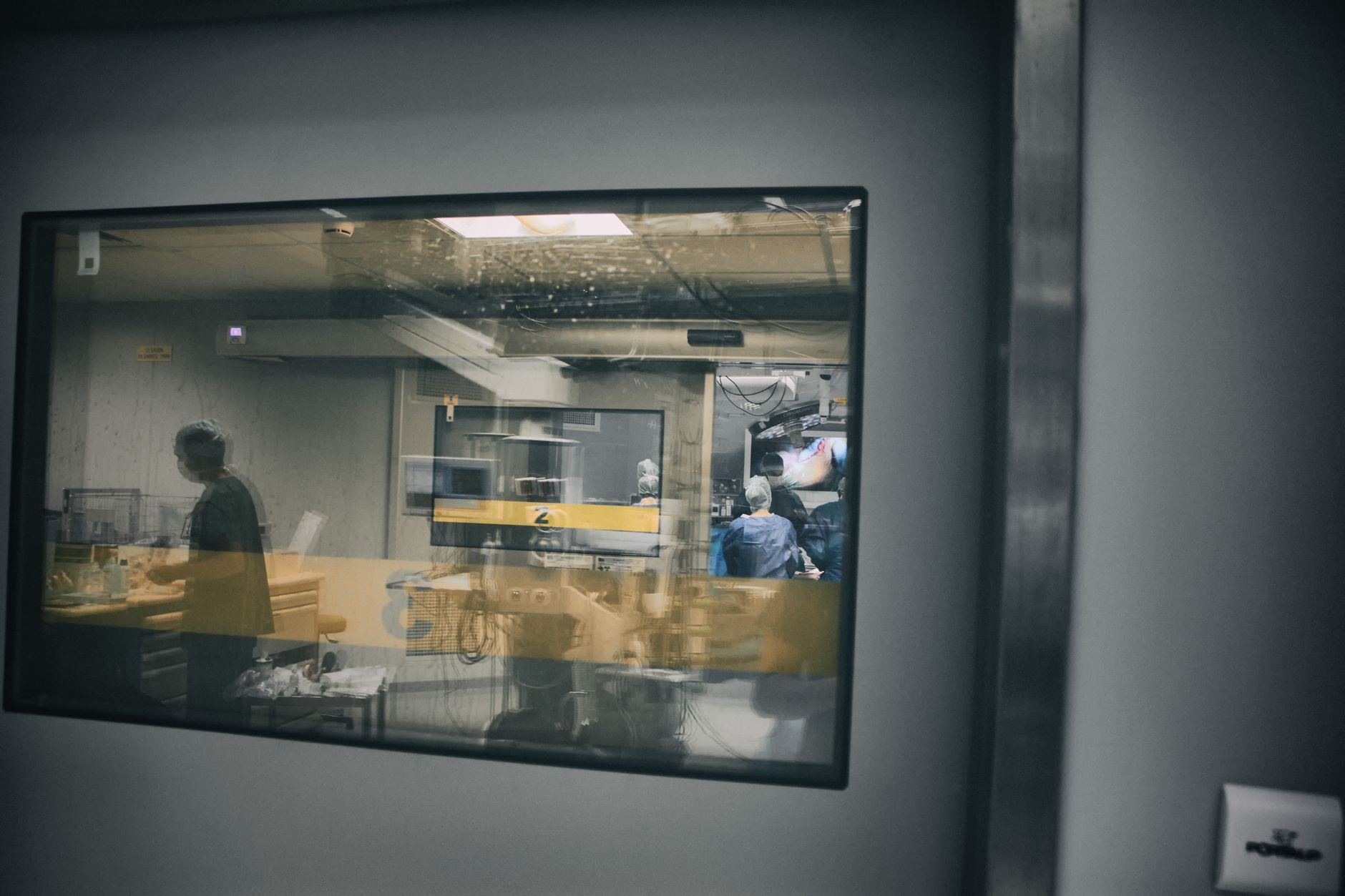
Shorter Stays, Faster Recovery: The Travel Advantages
The practical benefits of minimally invasive techniques are especially relevant for medical travellers, whose journey involves flights, accommodation and time away from work and family. Turkish hospitals performing high-volume robotic surgery report typical hospital stays that are markedly shorter than those associated with open equivalents for many procedures.
For procedures such as robotic prostatectomy, hysterectomy, gallbladder removal, colorectal surgery and bariatric operations, patients frequently spend only one to three nights in hospital and are advised to remain in the city for a short observation period before returning home. This compresses the overall travel window and reduces total trip costs in accommodation and time off work.
Faster recovery also means less disruption on the return journey. With appropriate medical clearance and airline fitness-to-fly guidance, many robotic surgery patients are able to travel comfortably within one to two weeks, compared with the longer recovery timelines historically associated with open surgery.

Two Decades of Accumulated Surgical Expertise
The 100,000-procedure milestone reflects an accumulation of skill that cannot be purchased quickly. Turkish surgical teams now include high-volume robotic operators who have personally performed hundreds or thousands of cases across urology, general surgery, gynaecology, thoracic surgery, colorectal surgery and head and neck surgery.
This expertise is reinforced by structured training pathways. Turkish centres host robotic surgery training programmes, proctoring relationships with international experts, and simulation-based curricula for surgeons and operating room teams. Many hospitals also maintain outcome registries and multidisciplinary tumour boards, in which surgeons, oncologists, radiologists and pathologists review complex cases together before treatment begins.
Volume matters in surgery. International research consistently associates higher case volumes with better outcomes, shorter operating times and fewer complications. At 100,000 procedures nationally, Türkiye's network now sits in a category where that volume advantage is meaningful for patients seeking complex or technically demanding operations.
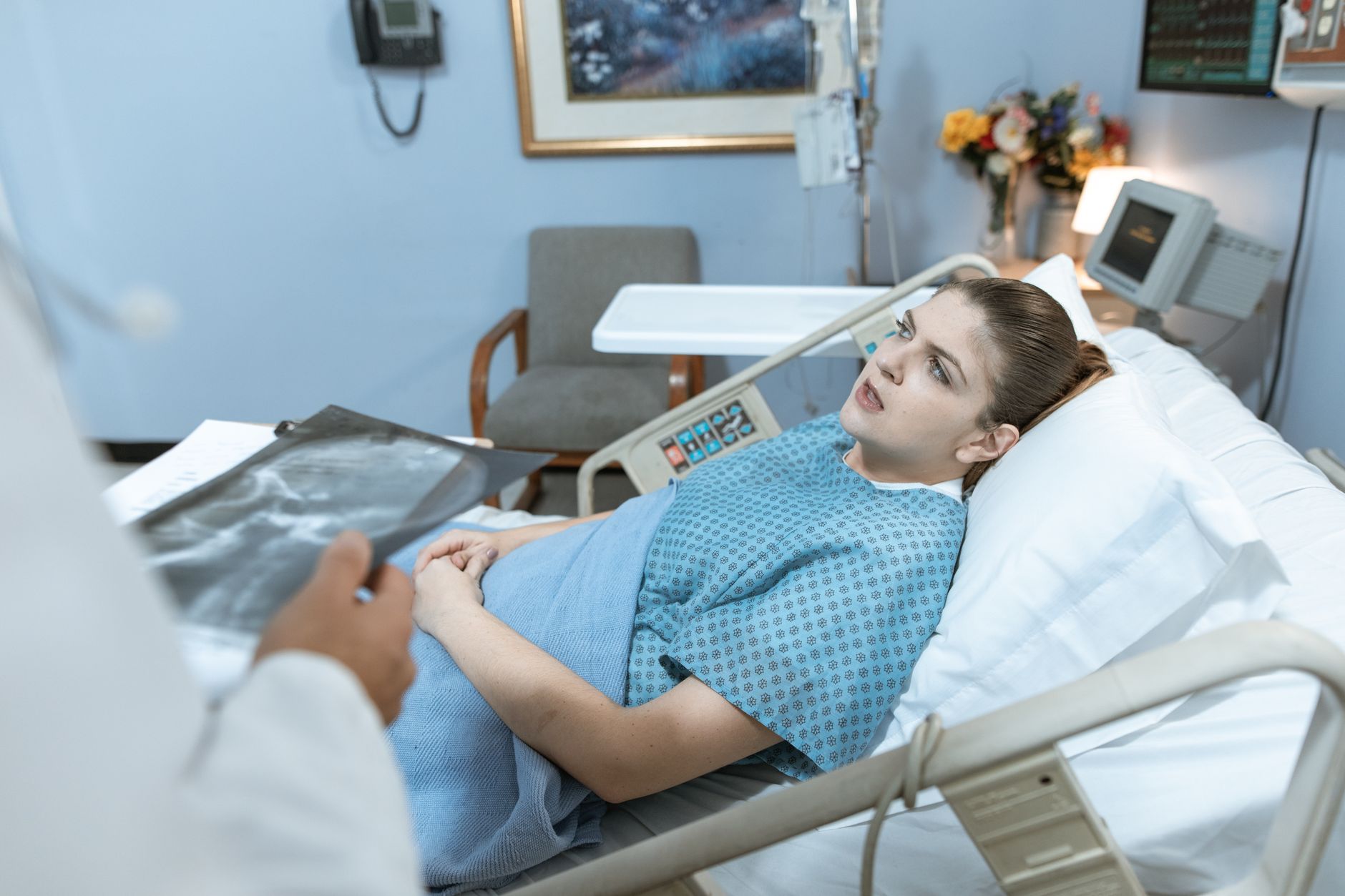
Technological Leadership Across the Network
Türkiye's hospitals have steadily adopted each successive generation of robotic platforms, alongside complementary technologies such as intraoperative imaging, fluorescence-guided surgery, 3D modelling for preoperative planning and enhanced recovery after surgery (ERAS) protocols. Several centres have established dedicated robotic surgery suites with integrated imaging and tele-mentoring capabilities.
The country's position as a regional technology hub is also reflected in its wider healthcare infrastructure: internationally accredited laboratories, advanced imaging centres and modern intensive care units support complex surgical programmes. Accreditation by bodies such as JCI and TEMOS at many hospitals provides additional assurance for patients comparing providers internationally.
This technological depth is paired with an approachable cost profile. Turkish hospitals deliver robotic surgery at a fraction of the cost of comparable programmes in Western Europe and North America, without the infrastructure compromises that sometimes accompany lower prices elsewhere.
What International Patients Should Know Before Booking
Patients considering robotic surgery in Türkiye should begin by confirming that the surgeon and hospital regularly perform their specific procedure robotically, and should ask how many cases of that type have been performed. International patient departments at major Turkish hospitals typically provide this information, along with copies of the surgeon's credentials and outcome data.
Preparation matters. Most centres request recent imaging, laboratory results and a medical history review before confirming a surgical plan. A video consultation with the operating surgeon is now standard practice and allows patients to discuss technique, expected hospital stay and recovery timelines before travelling.
Finally, patients should plan realistically. Although robotic surgery shortens recovery for many procedures, it is still surgery: a short stay in Türkiye after discharge, a follow-up review before flying, and clear communication with the home physician are essential parts of a safe medical journey. Türkiye's 100,000-procedure milestone is meaningful precisely because it makes those conversations easier — backed by experience, technology and measurable results.
Thinking about treatment in Turkey?
Send us a question about this site or about the information published on it. This is a publisher's mailbox, not a medical service and not a route to a particular provider — for clinical questions, contact your own doctor.