

Türkiye Sets Its Sights on Another Record Year in 2027
Türkiye's health authorities are approaching 2027 with an ambitious forecast: another record year for international patients. According to official projections from the Ministry of Health, the country expects to build on the momentum that has made it one of the world's most-visited destinations for medical care, with international patient volumes forecast to climb once again.
These figures are best understood as official forecasts rather than confirmed outcomes. They reflect targets set by policymakers and industry bodies, not audited results. Yet the direction of travel is clear, and it says something important: Türkiye's healthcare system keeps raising its own bar, year after year.
For patients considering treatment abroad, the forecast is more than a headline number. Behind it sits a network of JCI-accredited clinics, internationally recognised hospitals and a health workforce that has turned Istanbul and other Turkish cities into genuine medical hubs.
What Is Driving the 2027 Forecast
The Ministry's targets rest on several foundations. Türkiye has invested heavily in hospital infrastructure, from large city hospitals to specialised private clinics, and continues to expand capacity in fields such as oncology, cardiology, orthopaedics, aesthetics and assisted reproduction.
Cost competitiveness remains part of the story, but it is no longer the whole story. Patients increasingly cite quality accreditation, access to modern technology and the breadth of treatment options as reasons for choosing Türkiye. Many facilities hold Joint Commission International (JCI) accreditation, a globally recognised benchmark for patient safety and care quality.
Language support and streamlined patient pathways have also matured. International patient departments, multilingual coordinators and dedicated arrival-to-recovery services are now standard at leading institutions, making the journey smoother for patients travelling from Europe, the Middle East, Central Asia and beyond.
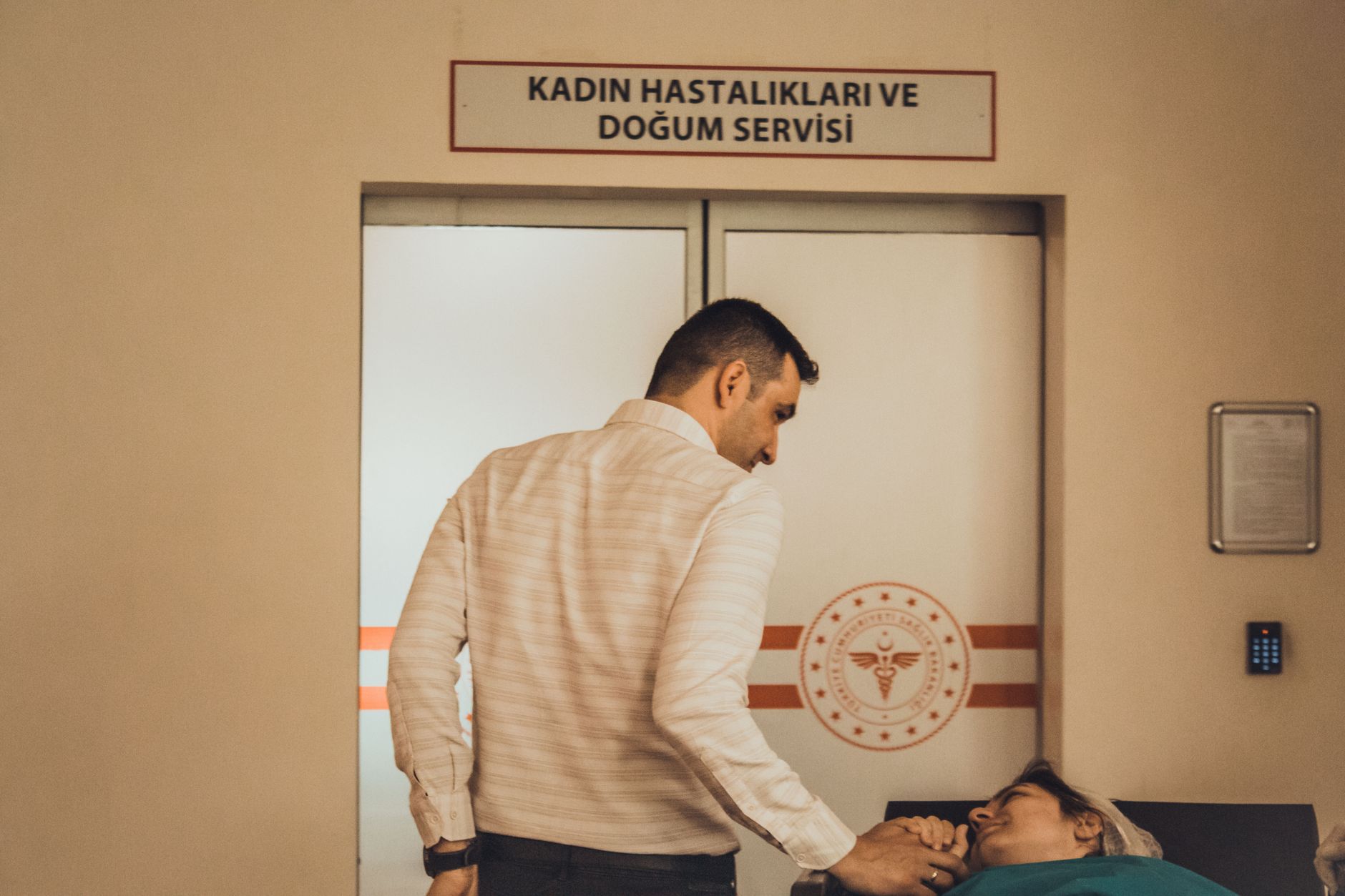
World-Class Hospitals and JCI-Accredited Clinics Behind the Numbers
A forecast is only as credible as the system that supports it. Türkiye's reputation rests on hospitals that combine high surgical volumes with modern equipment, and on clinics that submit to independent accreditation and inspection. JCI accreditation, in particular, signals that a facility has met rigorous international standards.
That matters for patients weighing risk. Accreditation is not a marketing badge, it is a framework for infection control, patient rights, clinical governance and continuous improvement. For someone researching a procedure from abroad, it offers a verifiable anchor in a crowded marketplace.
The presence of these institutions is precisely why the Ministry can set ambitious targets for 2027. Growth in international patient numbers is, in effect, a vote of confidence in the quality of the facilities receiving them.

What Continued Investment Means for Patients
Continued investment translates into practical benefits. Expanded hospital capacity and new specialist units are designed to reduce waiting times for consultations, diagnostics and elective procedures, a key concern for patients who travel long distances.
Investment also funds people, not just buildings. More international patient coordinators, multilingual support staff and dedicated patient-relations teams mean clearer communication before, during and after treatment. For patients navigating a foreign health system, that human layer can be as reassuring as the technology.
Finally, a growing system widens treatment choice. As more hospitals add specialities and sub-specialities, patients gain options across surgical techniques, implant technologies and rehabilitation pathways, allowing care to be matched more precisely to individual needs rather than a one-size-fits-all package.
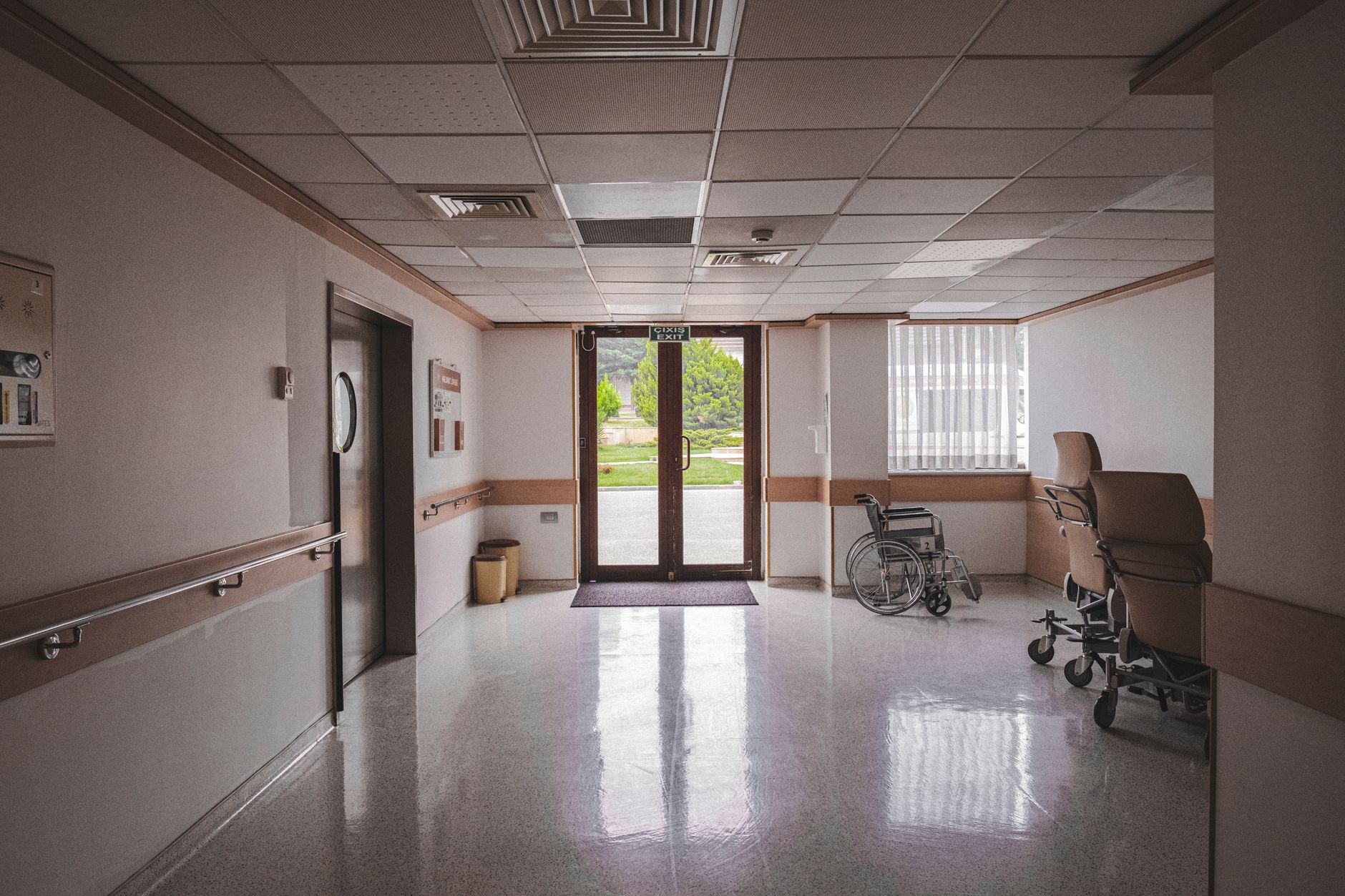
Reading the Forecast Sensibly
Patients should treat the 2027 targets as signals of intent and trajectory. Official forecasts describe where the Ministry and the sector aim to go; they are not guarantees of individual outcomes or of specific waiting times at any single hospital.
A sensible approach is to verify accreditation status directly, ask about consultant qualifications and surgical volumes, request transparent pricing and confirm what aftercare and follow-up are included. Reputable coordinators welcome these questions.
The strongest reassurance for any patient is not a national forecast, but a specific hospital, a named surgeon and a clear, documented care plan.
The Bigger Picture: A System That Keeps Raising Its Bar
Türkiye's 2027 forecast is ultimately a story about self-improvement. Each target prompts investment in facilities, accreditation and patient services, which in turn supports the next round of growth. That cycle is what has made the country a serious contender in global healthcare, not simply a low-cost alternative.
For international patients, the practical payoff is a market with more accredited hospitals, more support staff and more treatment options to compare. Whether the final 2027 numbers meet the forecast will be known only in time, but the direction, toward higher standards and broader choice, is already visible.
Thinking about treatment in Turkey?
Send us a question about this site or about the information published on it. This is a publisher's mailbox, not a medical service and not a route to a particular provider — for clinical questions, contact your own doctor.