

A National Ambition With Direct Consequences for Patients
Türkiye's tourism strategy now sets its sights on a $70 billion annual revenue target by 2027, and health tourism is one of the pillars expected to carry a substantial share of that growth. For medical travellers, this is not an abstract economic statistic. National targets translate into budget lines, accreditation programmes, hospital expansions and transport upgrades — the practical infrastructure that shapes a patient's experience from landing at Istanbul Airport to the final follow-up consultation.
The message for international patients is one of continuity. A country that plans its tourism economy years ahead has a structural incentive to keep clinics accredited, keep airports and transfers efficient, and keep patient-facing services competitive with rivals in Europe and Asia.
In other words, the 2027 target functions as a public commitment: the investment curve in Turkish health tourism is designed to keep rising, not plateau.
What the Target Means in Practice
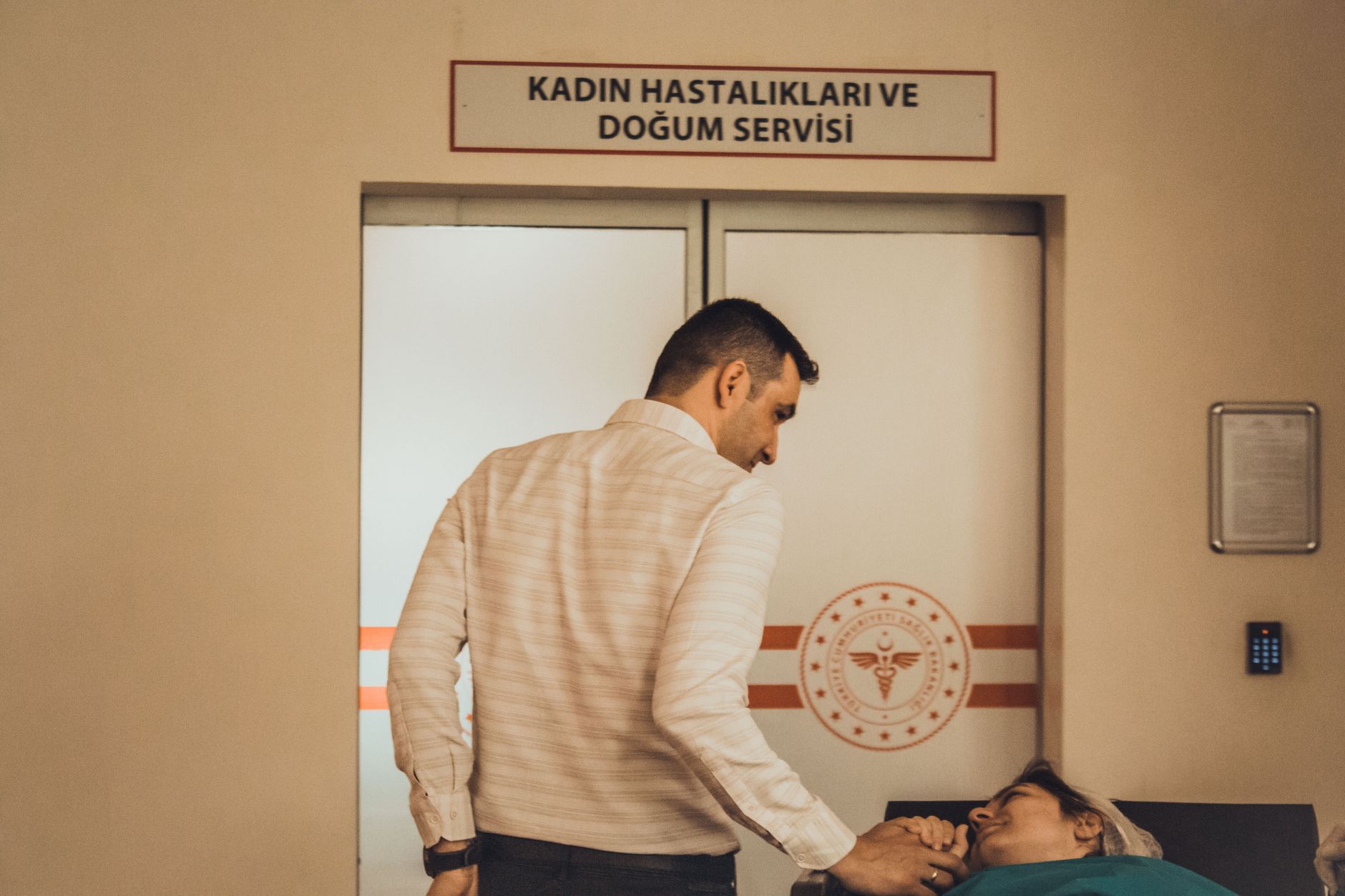
Health tourism revenue in Türkiye has grown steadily over the past decade, driven largely by private hospital groups in Istanbul, Antalya, Ankara and İzmir. The national tourism framework supporting the 2027 goal channels that momentum into measurable upgrades: new and expanded hospital wings, dedicated international patient departments, multilingual coordination teams and investment in advanced diagnostic and surgical technology.
The ambition also reinforces accreditation. Turkish public and private providers increasingly pursue internationally recognised quality seals, and the competitive pressure created by a high national revenue goal encourages facilities to maintain and document standards rather than rest on past success.
- Continued capital investment in private hospital infrastructure
- Growth in multilingual international patient services
- Expanded air routes and faster airport-to-clinic transfers
- Stronger quality assurance and accreditation incentives
Transport and Access: The Underrated Half of Care
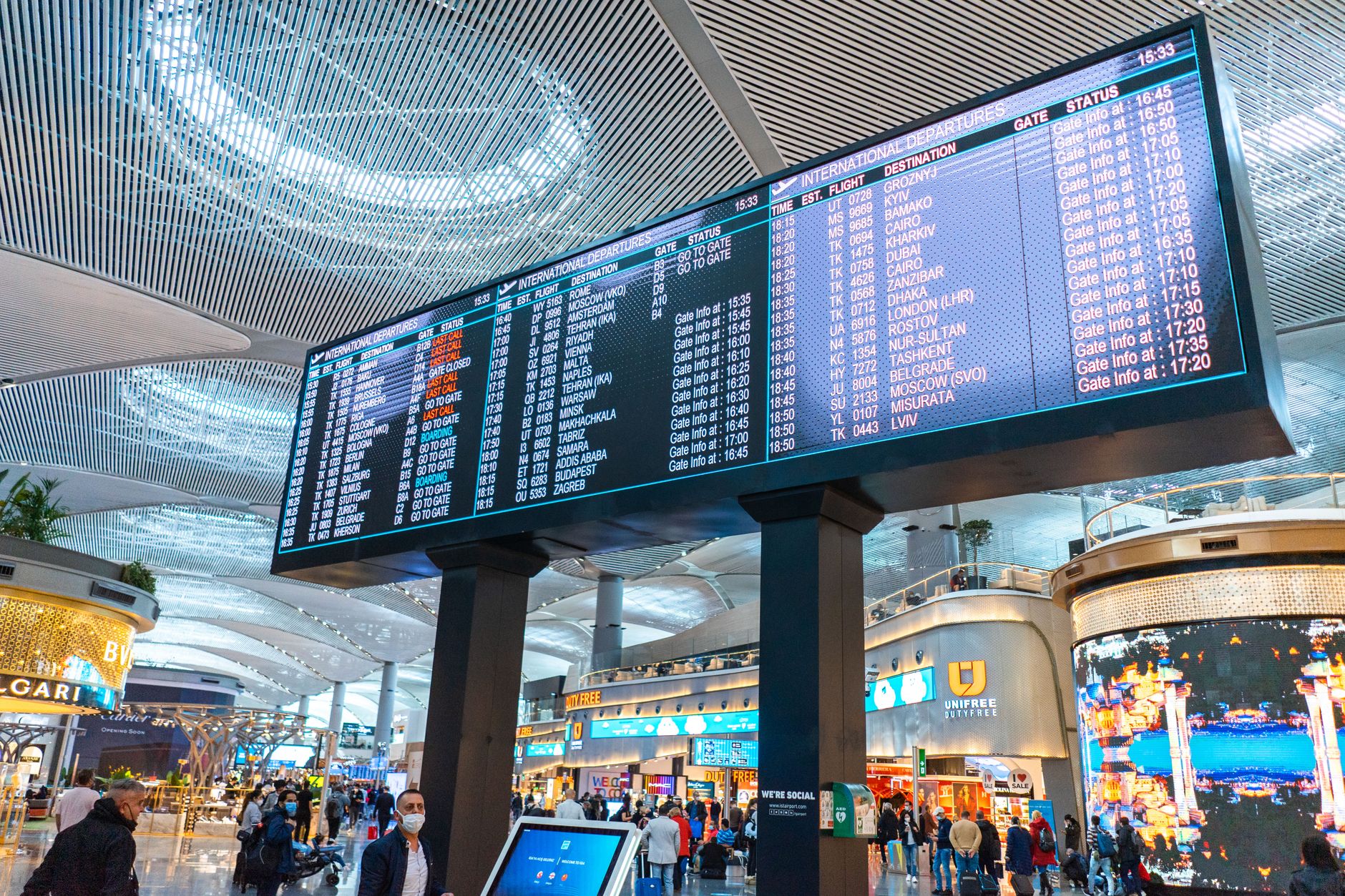
Medical travel succeeds or fails on logistics as much as on the operating theatre. Türkiye's tourism investment strategy explicitly links revenue growth to connectivity, and that has practical benefits for patients. Istanbul Airport's role as a global hub means more direct flights from more cities, shorter layovers and greater scheduling flexibility for procedures and follow-ups.
Within cities, investment in transfers, hospital accessibility and patient accommodation continues to mature. For a patient travelling for a hair transplant, dental work, bariatric surgery or an orthopaedic procedure, the difference between a good and a great experience often comes down to the seamlessness of these connections — arriving, being met, being treated and returning home without friction.
A national commitment sustained through 2027 and beyond gives operators the confidence to invest in exactly these patient-facing layers of service.
Standards of Care Set to Keep Rising
The revenue target is paired with a policy emphasis on higher-value, higher-quality tourism rather than volume alone. For medical travellers, that shift matters. It favours facilities that can demonstrate outcomes, transparent pricing, qualified specialists and robust aftercare, because those are the attributes that sustain repeat and referral business.
International patients can therefore expect continued improvement in areas such as pre-operative consultation, coordination in multiple languages, post-treatment communication and documented clinical protocols. Competition among Turkish providers for a share of a growing market tends to raise the floor for everyone.
Sustained national investment is the clearest signal a medical traveller can receive: the destination is building for the long term, not for a single season.
Why Long-Term Commitment Matters to Medical Travellers
Patients considering treatment abroad reasonably ask whether a destination's quality will hold. Türkiye's multi-year tourism revenue strategy answers that question structurally. Hospitals planned and financed today, transport links improved under a 2027 roadmap and accreditation programmes encouraged by national policy all remain in place for patients travelling now and in the years ahead.
That continuity is especially valuable for treatments requiring follow-up — transplant procedures, dental restorations, aesthetic surgery and chronic-care management — where a stable, well-invested medical ecosystem makes return visits easier and safer.
The practical upside is straightforward: continued investment means ever-higher standards of care and convenience for international patients choosing Türkiye.
Thinking about treatment in Turkey?
Send us a question about this site or about the information published on it. This is a publisher's mailbox, not a medical service and not a route to a particular provider — for clinical questions, contact your own doctor.