

Record International Demand Across Türkiye's Accredited Fertility Network
Türkiye's accredited IVF centres are reporting their strongest year yet for international patients, with clinics in Istanbul, Ankara and Izmir describing sustained growth in enquiries from Europe, the Gulf, Central Asia and North Africa through 2026. The trend builds on more than a decade of investment in embryology laboratories, quality accreditation and patient coordination services.
Clinics credit the increase to a combination of steadily improving, well-documented results and a treatment experience designed around people who are travelling abroad during an emotionally demanding period of their lives. Rather than a single breakthrough, the growth reflects consistent refinement of laboratory protocols, staff training and post-treatment follow-up.
For prospective patients, the practical shift is that Turkish fertility care is now easier to research and compare. Accredited centres publish clearer information about their laboratory standards, treatment pathways and pricing structures, which reduces the uncertainty that often accompanies cross-border medical decisions.
What Accreditation Means for Patients Choosing a Clinic
Accreditation in Turkish reproductive medicine typically involves independent review of laboratory conditions, equipment calibration, staff qualifications and documented clinical protocols. For international patients, these credentials offer a structured way to shortlist centres before making contact.
Many accredited centres also participate in international quality schemes and maintain traceable records of laboratory performance. This documentation matters because success rates in IVF depend heavily on factors such as patient age, ovarian reserve and previous treatment history — variables that no clinic can fully control.
Responsible centres are careful not to promise outcomes. Instead, they present results by age group and treatment type, explain the limits of comparison between clinics, and encourage patients to discuss realistic expectations during an initial consultation, often conducted remotely before any travel is booked.
Advanced Embryology Laboratories Behind Improving Results
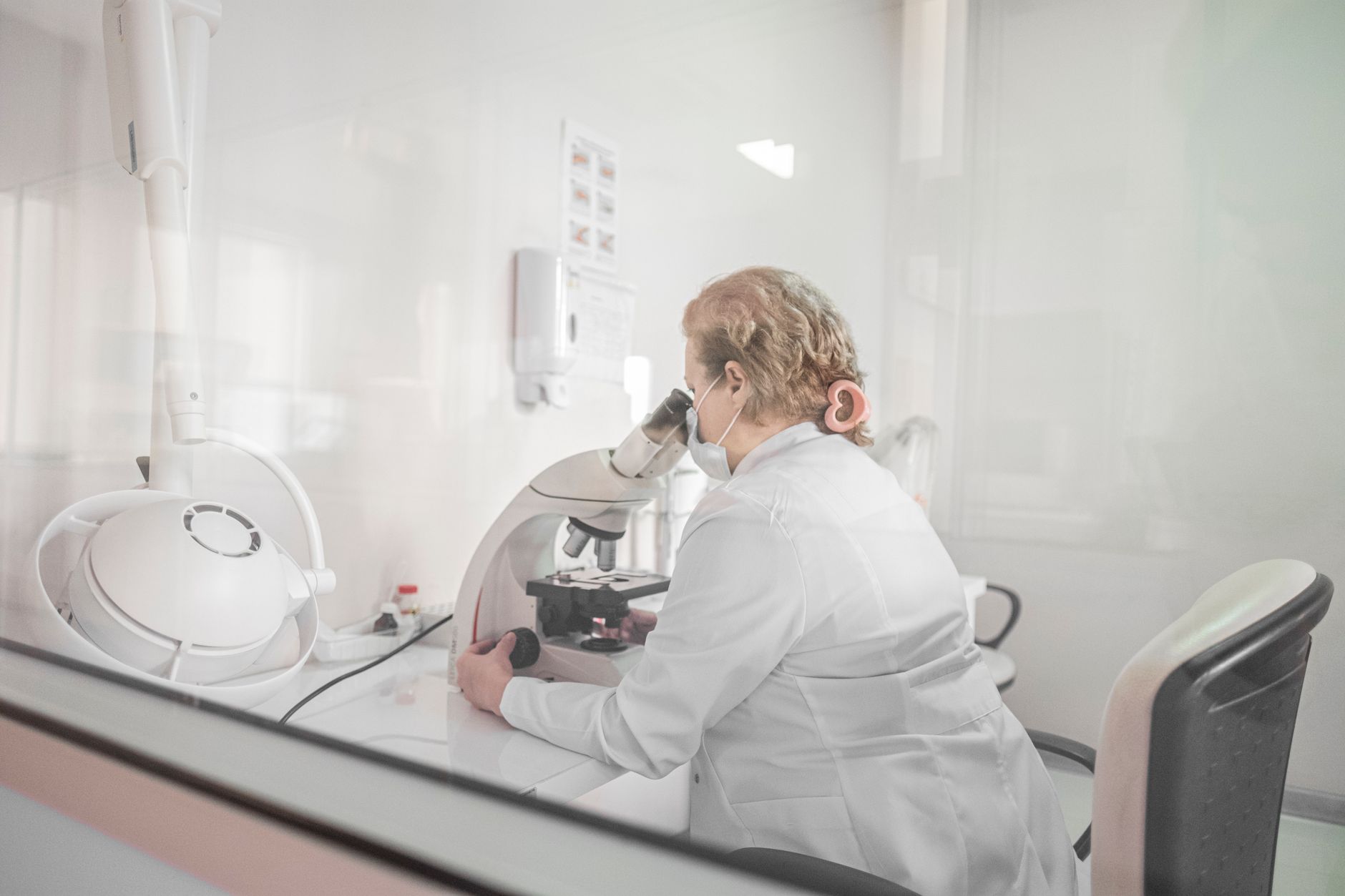
Behind the rising demand is steady investment in embryology infrastructure: time-lapse incubation, vitrification for embryo and egg freezing, genetic screening where clinically indicated, and strict air-quality control in culture rooms. These technologies help embryologists select and maintain embryos under more stable conditions.
Turkish centres increasingly employ multilingual embryologists and laboratory coordinators, so patients can ask detailed questions about fertilisation rates, embryo grading and freezing survival in their own language. This transparency helps set expectations and reduces the anxiety of navigating unfamiliar terminology abroad.
Improvements in results have been incremental rather than dramatic, and clinics generally frame them as the product of consistent laboratory discipline, careful patient selection and honest counselling. Patients are encouraged to request age-specific data and to understand that a single cycle is not a guarantee of a live birth.

Transparent Pricing and Remote Monitoring Between Cycles
One of the most frequently cited reasons international patients choose Türkiye is transparent pricing. Accredited centres commonly provide itemised quotations covering consultations, monitoring scans, laboratory work, medication guidance and embryo storage, so patients can see what is included before committing.
Remote monitoring has also changed the treatment journey. Many patients complete initial consultations, blood tests and ultrasound scans near home, sharing results with their Turkish clinic between cycles. Only the key stages — typically egg collection and embryo transfer — require travel, which shortens stays and lowers overall costs.
This hybrid model suits patients who cannot take extended leave from work or family. Clinics coordinate with local doctors where possible, and provide written protocols so that monitoring is consistent. Prices remain a fraction of those in many Western European and North American centres, though patients are advised to confirm what aftercare and follow-up are included.

Multilingual Counselling Eases the Emotional Side of Treatment
Fertility treatment abroad carries an emotional weight that goes beyond logistics. Recognising this, accredited Turkish centres employ patient coordinators and counsellors who speak Arabic, English, Russian, German, French and other languages, guiding patients through each stage from first enquiry to post-transfer support.
Multilingual counselling extends to consent forms, medication instructions and emotional support sessions. Some centres offer psychological counselling before and after treatment, acknowledging that failed cycles are part of the reality of assisted reproduction and that patients need clear, compassionate communication.
Patient testimonials frequently highlight feeling personally looked after — a contrast to the more impersonal experiences some report elsewhere. This warm, personal care, combined with rigorous laboratory standards, is a distinctive feature of Türkiye's fertility sector as it welcomes more international visitors each year.

Practical Considerations for Patients Travelling to Türkiye
Patients planning treatment in Türkiye should allow time for initial remote consultations, gather previous medical records, and confirm the clinic's accreditation and laboratory credentials. Istanbul offers the widest choice of centres, while Ankara and Izmir provide strong alternatives with shorter waiting times.
Travel logistics are generally straightforward: direct flights connect major Turkish cities with Europe, the Gulf and beyond, and many clinics assist with accommodation near their facilities. Visa requirements vary by nationality, and clinics often provide invitation letters for medical travel where needed.
Above all, patients are encouraged to ask questions, request age-specific success data and avoid clinics that promise guaranteed outcomes. Türkiye's accredited centres are earning their international reputation not by overpromising, but by combining advanced embryology, transparent pricing and genuinely personal, multilingual care.
Thinking about treatment in Turkey?
Share your contact details and a verified doctor will follow up with a plan built around you — free, no obligation.