

Why Türkiye for Allergy and Immunology Care?
If you suffer from unexplained allergies, chronic sinus issues, food intolerances, or drug reactions, finding the root cause can feel like an endless puzzle. Türkiye's hospital-based allergy and immunology clinics offer a refreshing alternative: comprehensive diagnostics and treatment, often completed within a single coordinated visit. With modern outpatient facilities, internationally trained specialists, and a patient-first approach, Türkiye has become a compelling destination for travellers who want answers quickly — and a management plan they can continue at home.
Unlike fragmented care pathways that stretch over months, Turkish clinics are designed for efficiency. Many international patients arrive on a Monday, undergo skin-prick tests, blood panels, and provocation challenges by midweek, and leave with a personalised immunotherapy strategy by Friday. This streamlined model is especially valuable if you're travelling from abroad and want to minimise time away from work or family.
Beyond speed, Türkiye offers remarkable value. Diagnostic packages and specialist consultations are often a fraction of Western European or North American prices, without compromising on quality. Accredited hospitals in Istanbul, Ankara, and Izmir invest in the latest immunoassay analysers, spirometry equipment, and allergen extract libraries.
What to Expect from Hospital-Based Allergy Clinics
Hospital-based clinics differ from standalone practices in one key way: they bring together multiple specialities under one roof. An allergist can consult a dermatologist, pulmonologist, or gastroenterologist in real time, which is invaluable when symptoms overlap. This multidisciplinary setup means you're not shuttled between buildings or waiting weeks for a referral.
On your first visit, you'll typically undergo a detailed history and physical exam. The allergist will ask about triggers, seasonal patterns, medication use, and family history. Expect a thorough review — bring any previous test results, a symptom diary, and a list of medications. Translation support is usually available in English, Arabic, Russian, and other languages, so language is rarely a barrier.
Facilities are modern and comfortable. Examination rooms are spacious, waiting areas are calm, and paediatric-friendly zones help younger patients feel at ease. Many clinics offer Wi-Fi, refreshments, and private consultation rooms where you can discuss results without feeling rushed.
Importantly, the focus is not just diagnosis but management. You'll leave with a written plan covering avoidance strategies, medication protocols, and immunotherapy schedules that your local doctor can oversee. This continuity of care is a hallmark of Türkiye's approach.
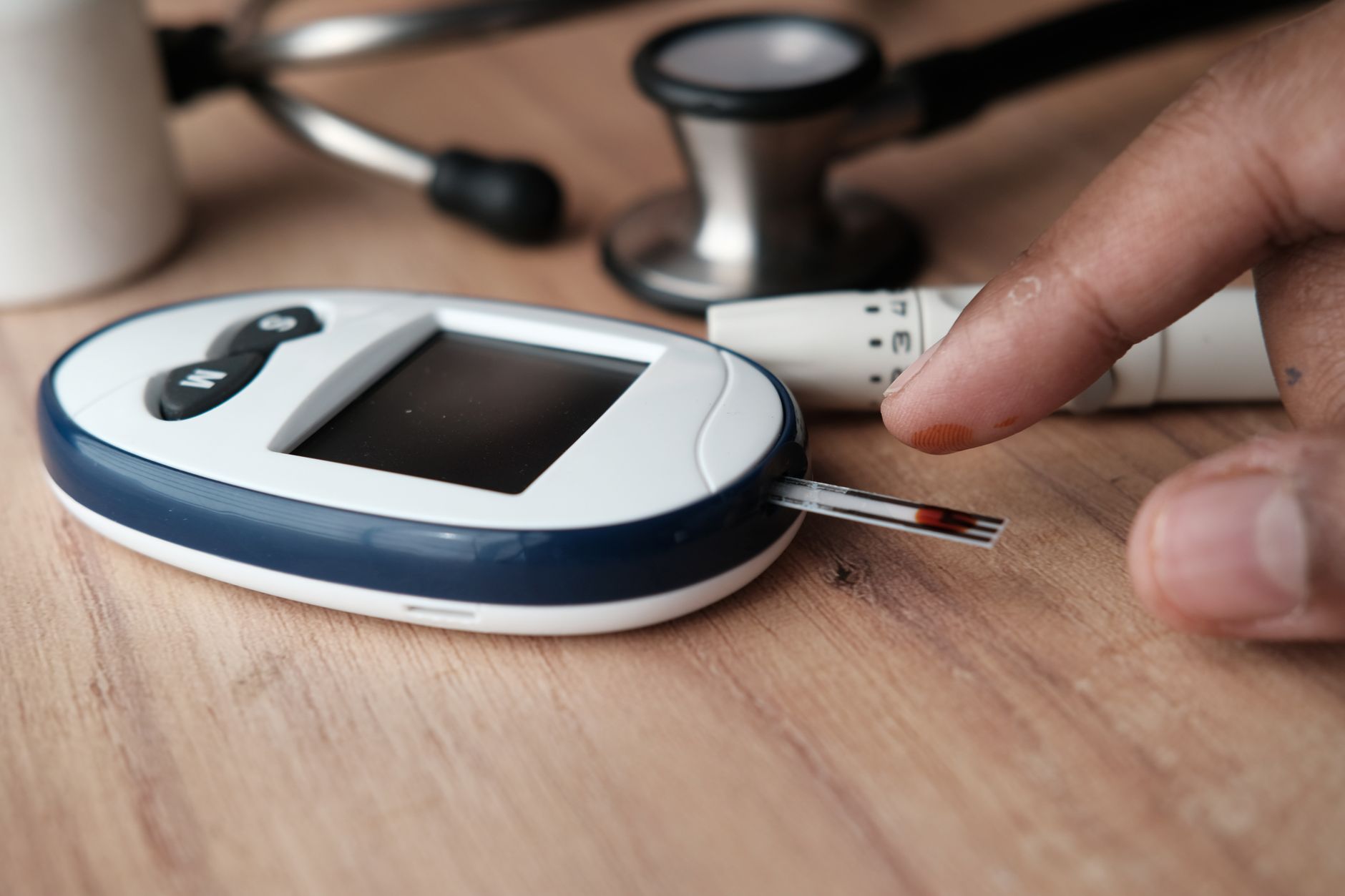
Comprehensive Testing: Skin-Prick and Blood Panels
Skin-prick testing is the cornerstone of allergy diagnosis. A tiny drop of allergen extract — pollen, dust mite, pet dander, mould, or food — is placed on your forearm or back, and a lancet lightly pricks the skin. Results appear within 15–20 minutes. Turkish clinics use standardised extracts from reputable manufacturers, ensuring reliable, reproducible results.
Blood panels complement skin testing, especially when skin conditions or medications make prick tests impractical. Specific IgE tests measure antibodies to individual allergens, and component-resolved diagnostics can pinpoint the exact protein responsible for a reaction. This precision matters for food allergies, where distinguishing between a true allergy and cross-reactivity can transform your diet and lifestyle.
Patch testing is another option for contact dermatitis. If you react to cosmetics, metals, or fragrances, a 48-hour patch test can identify the culprit. Clinics often schedule this early in your visit so results are ready before you fly home.
For respiratory allergies, spirometry and exhaled nitric oxide testing assess lung function and airway inflammation. These objective measures help tailor asthma or rhinitis treatment and track improvement over time.
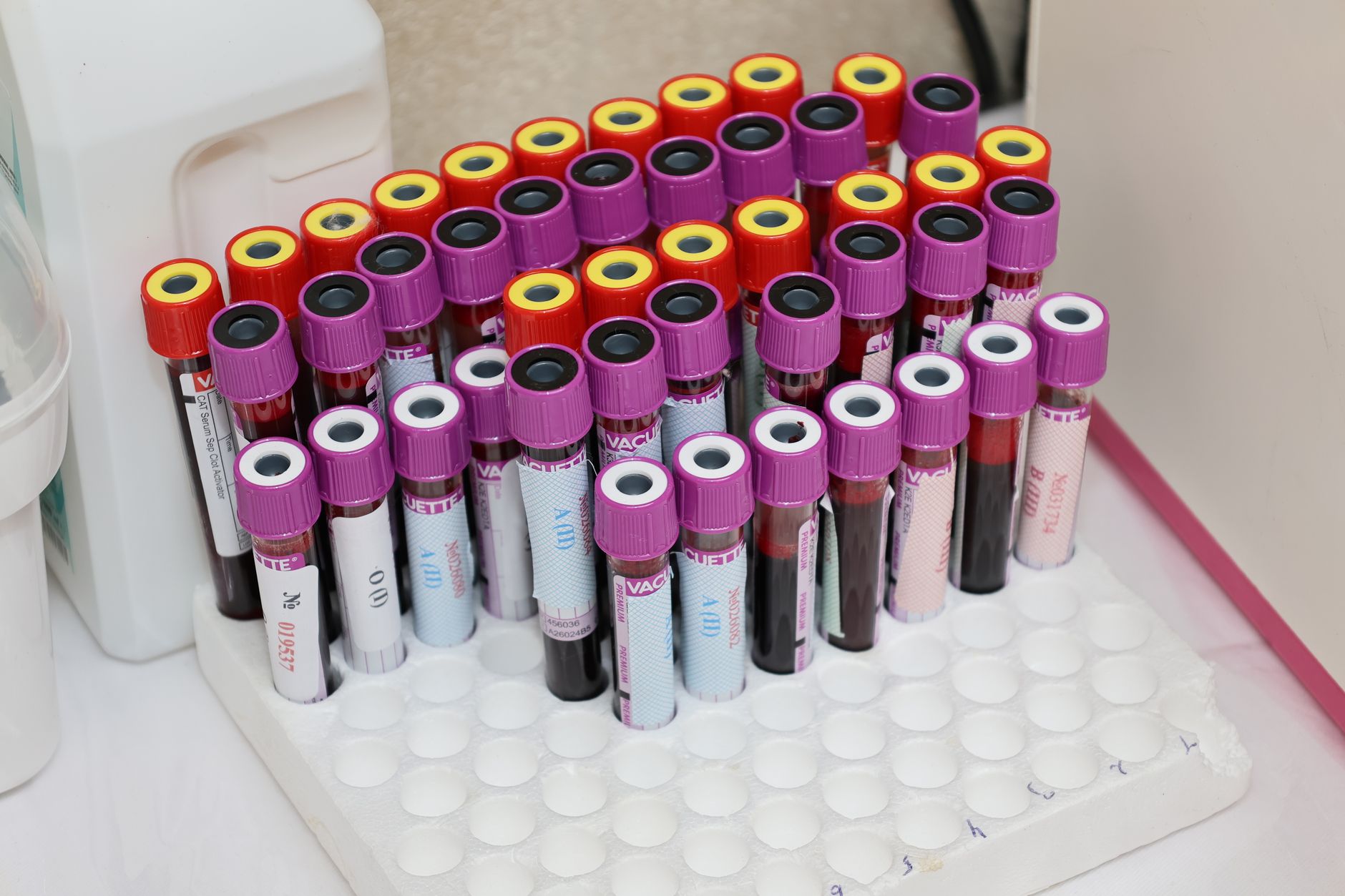
Drug and Food Challenge Testing: Gold-Standard Answers
When history and tests are inconclusive, challenge testing provides definitive answers. Drug challenges are conducted under strict supervision in a controlled hospital environment. You'll receive gradually increasing doses of the suspect medication — often an antibiotic or analgesic — while medical staff monitor vital signs. If a reaction occurs, it's managed immediately with resuscitation equipment on hand.
Food challenges follow a similar protocol. Common suspects include milk, egg, peanut, tree nuts, wheat, soy, fish, and shellfish. The allergist may use a blinded design (hiding the food in a capsule or masked vehicle) to eliminate psychological bias. A negative challenge can liberate you from unnecessary dietary restrictions; a positive one confirms the allergy and informs your emergency plan.
These procedures require expertise and vigilance. Turkish clinics perform them routinely, with dedicated nurses and anaesthetists available. The peace of mind that comes from a definitive diagnosis is often the highlight of a patient's visit.
Before any challenge, you'll have a consultation to discuss risks, benefits, and alternatives. Informed consent is standard, and you'll never be pressured into a test you don't want. The goal is shared decision-making.
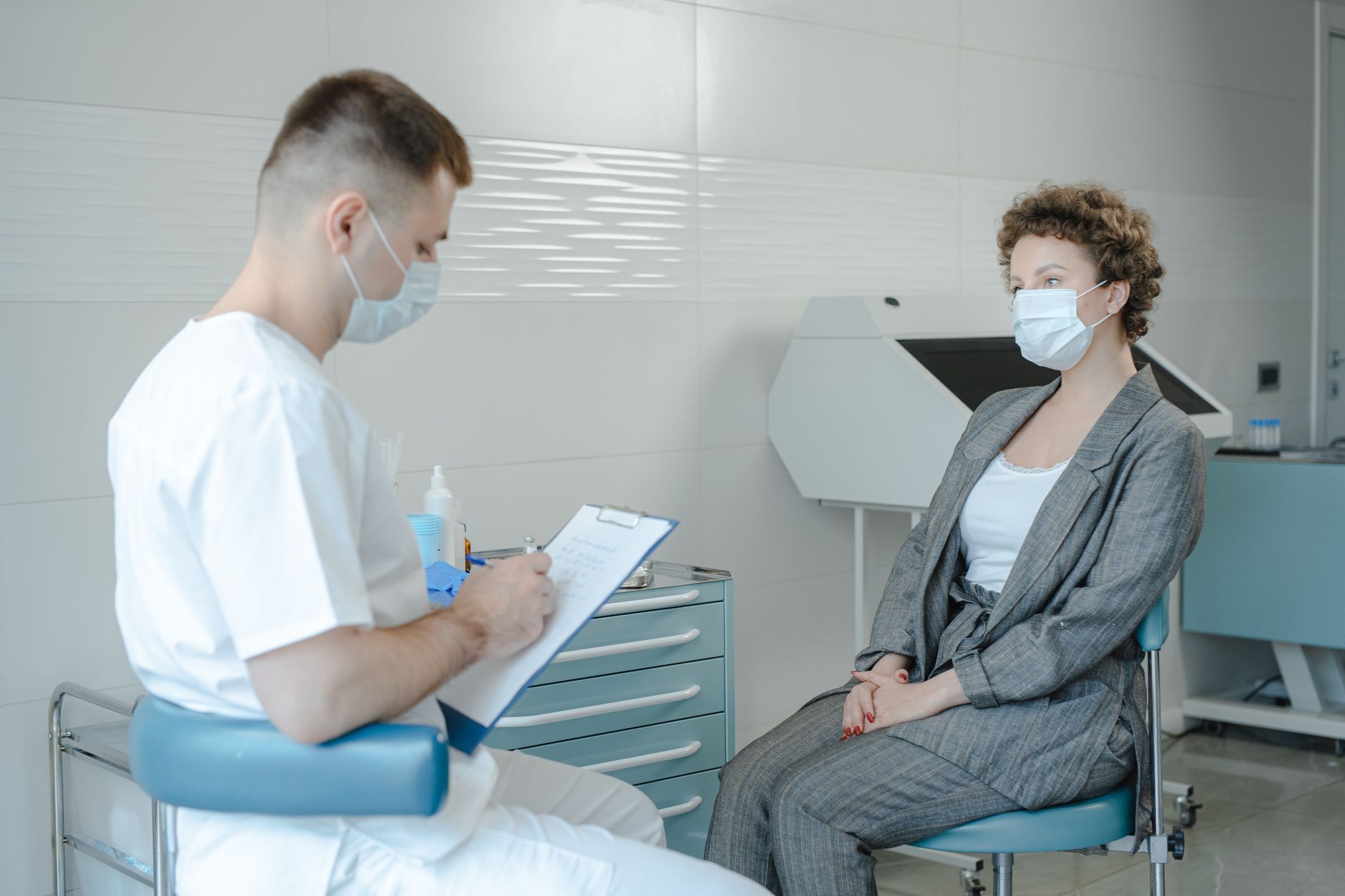
Immunotherapy Planning: A Long-Term Solution
Allergen immunotherapy — allergy shots or sublingual tablets — can modify the immune system over time, reducing symptoms and the need for medication. Turkish clinics design personalised immunotherapy plans based on your specific sensitisation profile.
During your visit, the allergist will review your test results and discuss whether subcutaneous immunotherapy (SCIT) or sublingual immunotherapy (SLIT) is appropriate. SCIT involves regular injections, usually weekly for a buildup phase, then monthly maintenance. SLIT is taken as a tablet or drop under the tongue daily. Both are used for allergic rhinitis, asthma, and insect venom allergy.
The clinic will prepare a detailed schedule and prescription you can take home. They'll also liaise with your local physician to ensure seamless continuation. Many patients start their first dose in Türkiye, then continue maintenance abroad — a practical hybrid model.
For food allergies, oral immunotherapy (OIT) is increasingly available. This involves eating tiny, gradually increasing amounts of the allergen to build tolerance. It's not suitable for everyone, but for selected patients it can be life-changing. Turkish centres follow rigorous safety protocols and provide clear action plans for home management.
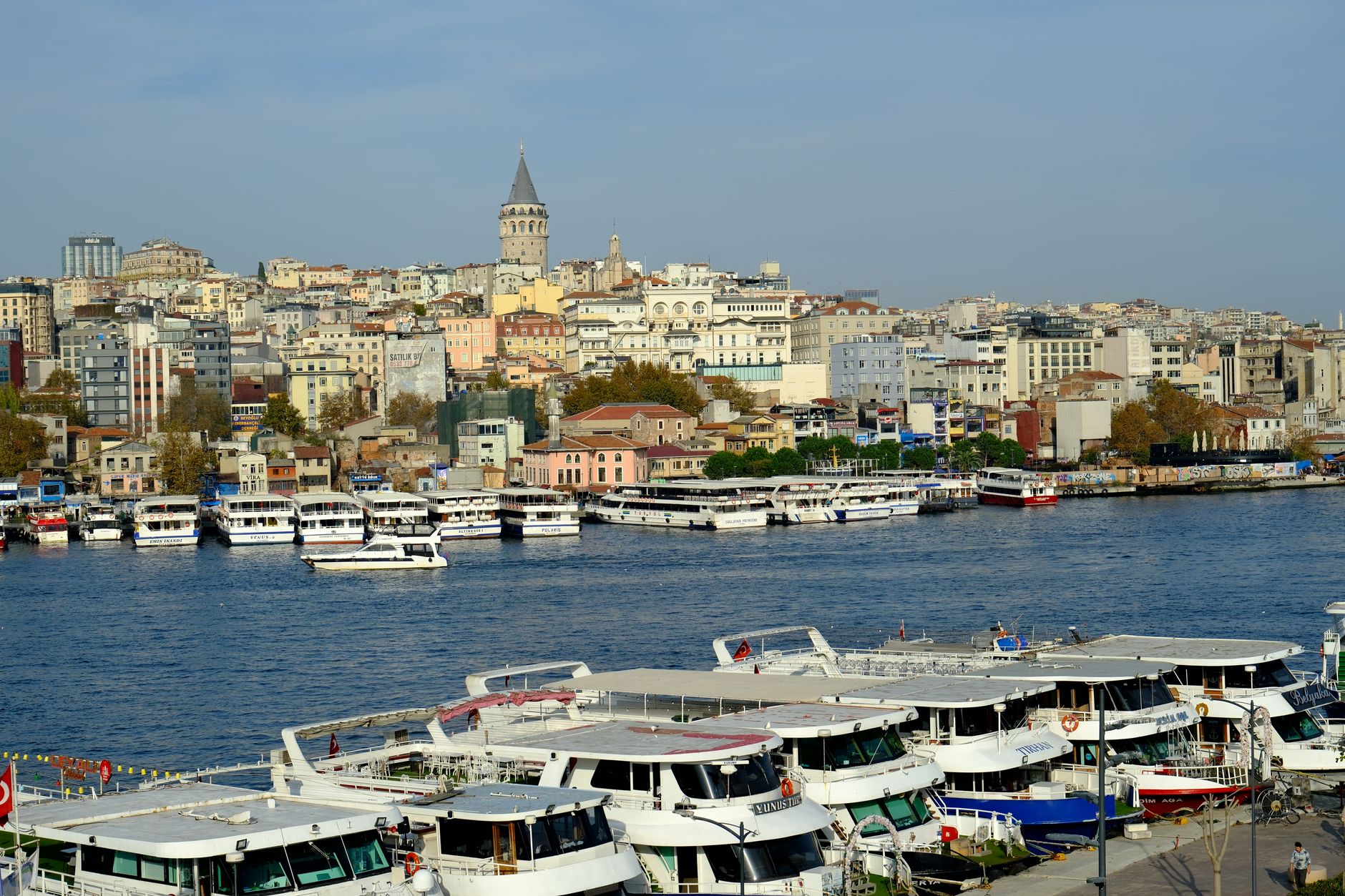
Multilingual Support and Comfortable Facilities
International patient departments are staffed with multilingual coordinators who assist with appointment scheduling, interpretation, and paperwork. Whether you speak English, Arabic, Russian, German, or French, you can communicate your concerns clearly. Consultations can be arranged with interpreters present, and written reports are provided in your preferred language.
The clinics themselves are designed for comfort. Private waiting lounges, quiet recovery areas, and child-friendly play zones reduce anxiety. Some hospitals offer valet parking, on-site cafés, and prayer rooms. If you're travelling with family, they can wait comfortably while you undergo tests.
Accommodation near major hospitals ranges from budget hotels to luxury suites. Many clinics have partnerships with nearby hotels offering discounted rates for medical travellers. Istanbul's public transport and taxi services make getting to appointments easy.
After your visit, you'll receive a comprehensive digital file containing test results, diagnoses, treatment plans, and emergency instructions. This documentation is accepted by doctors worldwide and ensures continuity of care.
Practical Tips for Your Medical Visit to Türkiye
Plan your trip around your appointment dates. Most clinics can arrange a preliminary online consultation to review your history and outline a testing schedule. This helps you estimate how many days to stay — typically 5 to 7 days for a full workup.
Check visa requirements for Türkiye; many nationalities can enter visa-free or obtain an e-visa easily. Travel insurance that covers medical treatment is recommended, though it's not mandatory. Keep a folder with your passport, previous medical records, and a list of current medications.
Be mindful of medication withdrawal before testing. Antihistamines can interfere with skin-prick results and may need to be stopped 3–7 days prior. Your clinic will provide specific instructions. Don't stop any prescription medication without consulting your doctor.
Finally, embrace the experience. Türkiye is a country of warm hospitality, rich history, and delicious food. Between appointments, explore Istanbul's bazaars, mosques, and waterfronts. A little relaxation can do wonders for your wellbeing — and your immune system.
به فکر سفر به ترکیه هستید؟
پرسش خود را درباره این سایت یا اطلاعات منتشرشده در آن برای ما بفرستید. این صندوق پستی یک ناشر است، نه یک خدمت پزشکی و نه مسیری به سوی ارائهدهنده خاصی — برای پرسشهای بالینی با پزشک خودتان تماس بگیرید.