

Türkiye Puts Language at the Heart of Patient Care
Türkiye has taken a concrete new step in making its world-class public hospitals even more welcoming to international patients. Dedicated health-tourism service desks offering Arabic and French language support are now being rolled out at major public hospitals across the country.
The desks are designed to be the first point of contact for overseas patients, guiding them from their arrival at the hospital through to the moment they head home. Rather than navigating a complex system alone, patients are met by staff who can speak with them directly in Arabic or French.
The move reflects Türkiye's broader patient-first approach to health tourism, in which international visitors are treated not simply as medical cases but as guests who deserve clarity, dignity and comfort at every stage of their journey.
What the New Service Desks Actually Do
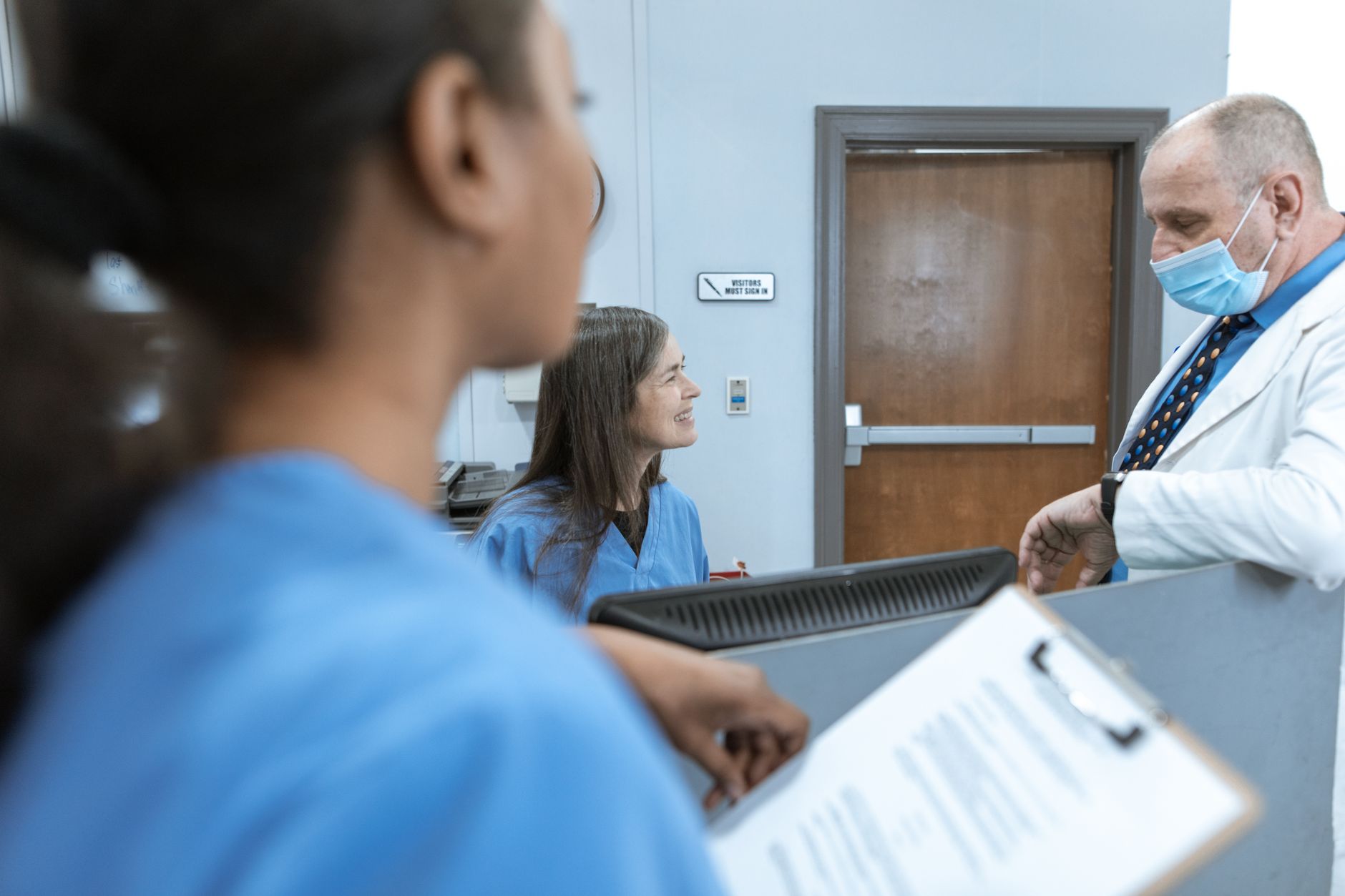
The health-tourism service desks handle the practical questions that can otherwise cause stress and confusion for patients far from home. Staff assist with booking and rescheduling appointments, explaining hospital procedures, and answering billing questions in the patient's own language.
Just as importantly, the desks support patients at discharge. When a doctor gives instructions on medication, wound care, follow-up tests or dietary rules, understanding every detail matters enormously. Interpretation at this stage helps ensure patients leave the hospital with a correct and complete picture of what to do next.
Coordinators also help connect patients with transport, accommodation advice and further appointments, so that language is never the reason a patient misses a critical step in their care.
Why Language Access Improves Safety and Comfort
Healthcare is one of the most language-sensitive services in the world. A misunderstood dosage, an unclear fasting instruction before a procedure, or a missed billing deadline can all have real consequences for a patient's health and finances.
By providing Arabic and French support on site, the new desks reduce the risk of miscommunication between patients, doctors and administrative staff. Patients can ask questions freely, repeat information they did not understand, and confirm they have grasped their treatment plan.
Beyond safety, there is comfort. Speaking in one's own language in a hospital setting lowers anxiety, builds trust and allows patients to participate more actively in decisions about their own care.

Arabic- and French-Speaking Patients Are a Priority
Türkiye welcomes a large share of its international patients from Arabic-speaking countries and from French-speaking regions in North and West Africa, as well as from Europe. These communities represent some of the most important sources of health-tourism demand for Turkish hospitals.
By placing Arabic- and French-speaking staff at the front desk, Türkiye is responding directly to the needs of these patients. The choice of languages is not accidental; it mirrors the real profile of the people who travel to Türkiye for treatment.
This targeted approach also strengthens Türkiye's reputation as a destination that understands its international patients rather than offering a one-size-fits-all service.
When a patient understands every word about their treatment, they heal with greater confidence — and that is what patient-first care truly means.
Building on Türkiye's Health-Tourism Strengths
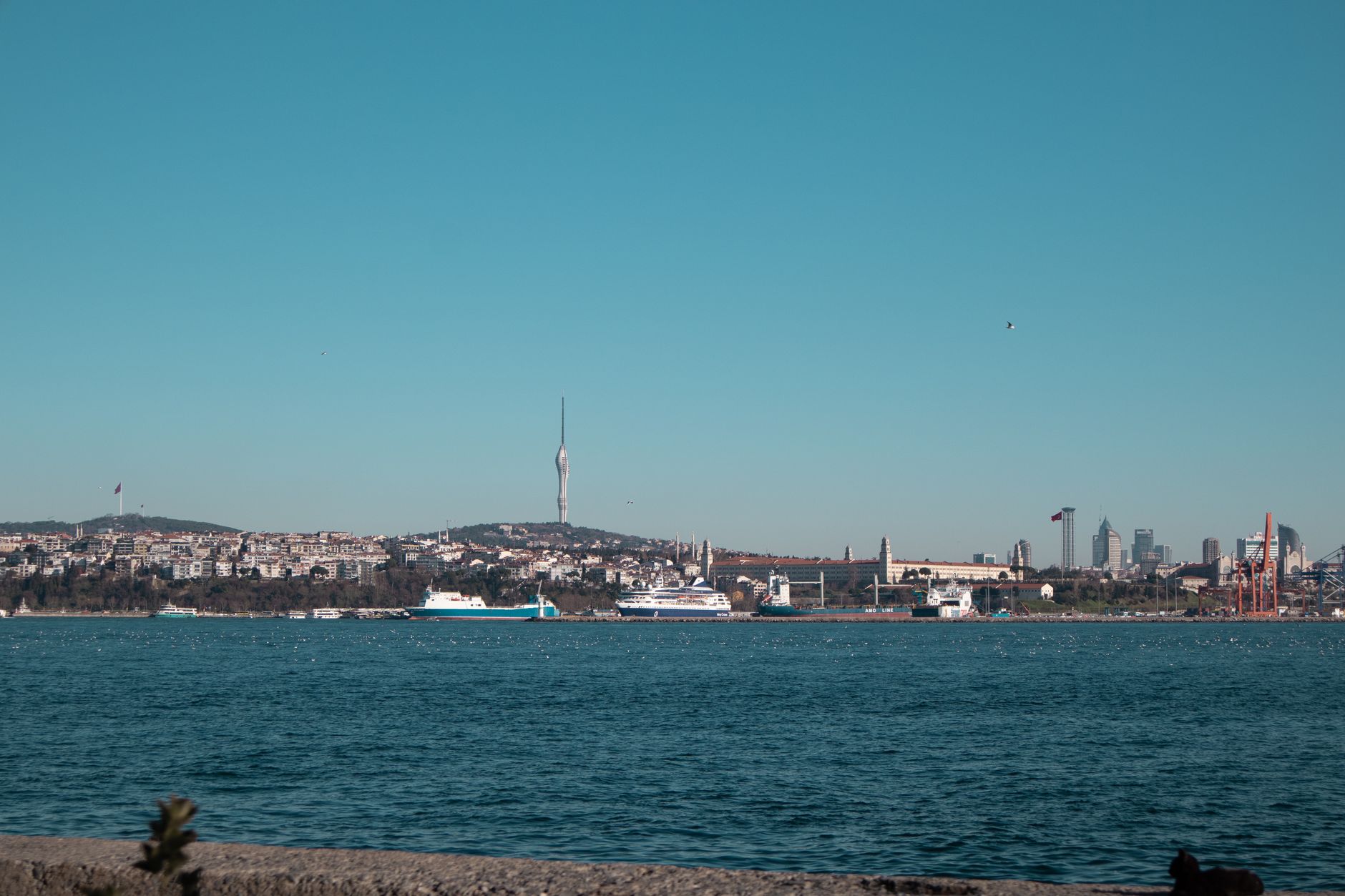
Türkiye is already one of the world's leading destinations for medical and health tourism, known for modern hospital infrastructure, experienced specialists and competitive pricing. Public hospitals play a central role in this ecosystem, offering high standards of care to both citizens and international visitors.
The new language desks build on those strengths by removing one of the most persistent barriers patients face abroad: communication. They complement existing services such as international patient units and translated medical documents.
For prospective patients researching treatment abroad, this development sends a reassuring signal: Türkiye is investing not only in medical technology, but also in the human experience of care.
What This Means for International Patients
If you are considering treatment in Türkiye, you can now expect to find Arabic- or French-speaking support at many major public hospitals. From your first appointment request to your final discharge conversation, key information can be delivered in a language you fully understand.
For patients and their families, this reduces dependence on informal translation by relatives and lowers the risk of errors. It also makes it easier to ask about costs, insurance and payment options before treatment begins.
Türkiye's continued investment in language-friendly, patient-first services is one more reason why international patients increasingly choose the country for safe, high-quality and genuinely welcoming healthcare.
Thinking about treatment in Turkey?
Send us a question about this site or about the information published on it. This is a publisher's mailbox, not a medical service and not a route to a particular provider — for clinical questions, contact your own doctor.