

Why Türkiye Leads in Audiology and Balance Care
Türkiye has quietly become a global hub for ear, nose, and throat (ENT) sub-specialties, and its audiology and balance clinics are among the most advanced in Europe and the Middle East. International patients arrive seeking relief from debilitating dizziness, vertigo, and tinnitus—conditions that are often misunderstood and under-treated elsewhere. In Türkiye, they find a healthcare system that treats these symptoms with the same seriousness as cardiac or orthopedic issues.
The country's investment in medical technology is impressive. University hospitals and private clinics in Istanbul, Ankara, and Izmir are equipped with videonystagmography (VNG), rotational chair systems, vestibular-evoked myogenic potentials (VEMP), and high-resolution temporal bone imaging. These tools allow clinicians to pinpoint the exact cause of imbalance rather than offering guesswork. For patients who have spent years bouncing between specialists, this thoroughness is a revelation.
Beyond technology, Türkiye's audiology clinics are notable for their multidisciplinary teams. Neurotologists, audiologists, physiotherapists, and psychologists often collaborate under one roof. This integrated approach means a patient's care plan addresses not just the inner ear but also the anxiety and sleep disruption that frequently accompany chronic dizziness and tinnitus.
Comprehensive Diagnostics in a Single Trip
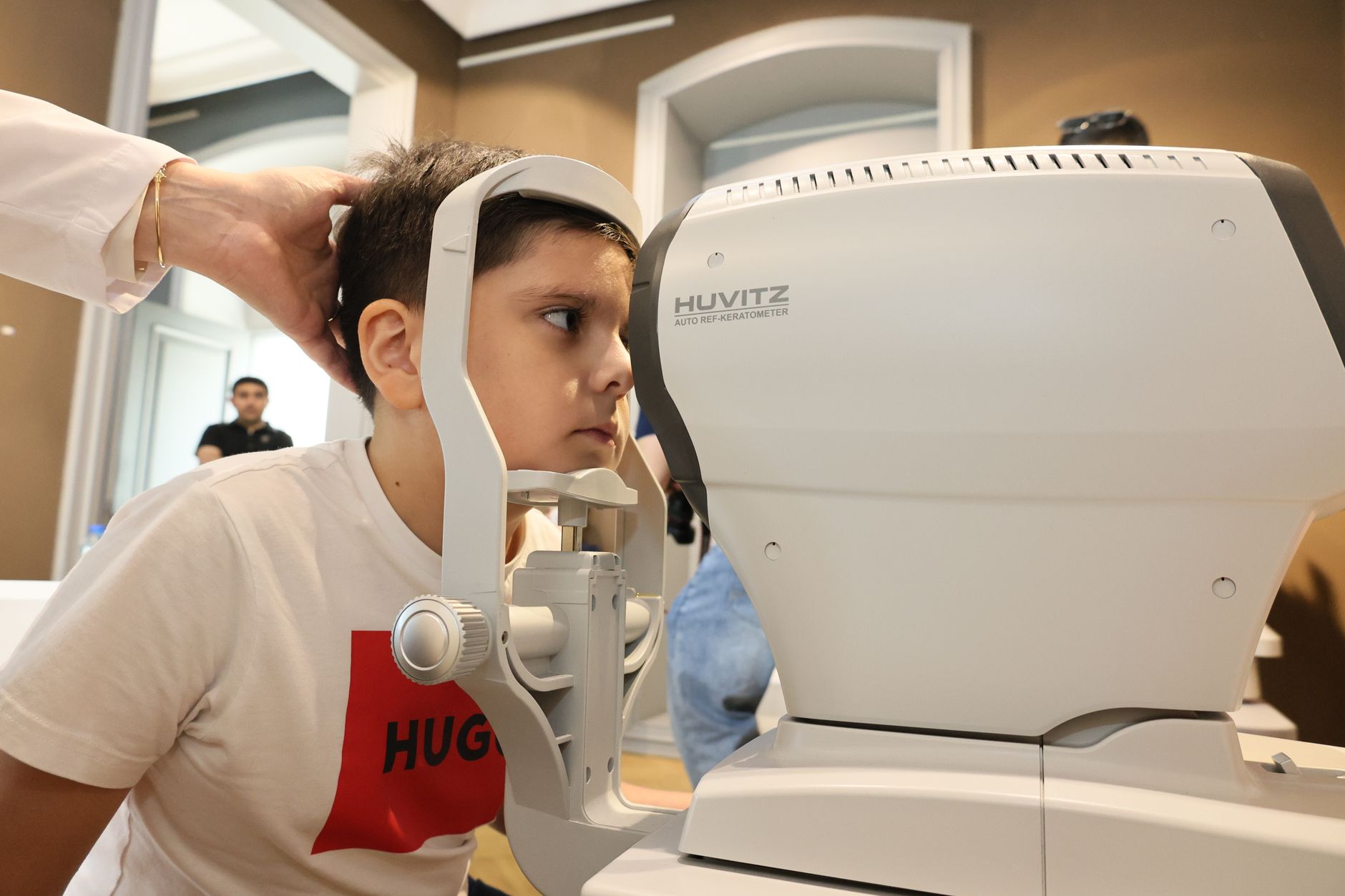
One of the most practical advantages for international patients is the efficiency of the diagnostic process. In many countries, waiting lists for vestibular testing stretch for months, and patients must coordinate referrals across multiple facilities. In Türkiye, a full battery of tests can be completed within two to three days, often during a single trip.
A typical evaluation begins with a detailed history and physical examination, followed by audiometry to assess hearing thresholds and tympanometry to check middle-ear function. Vestibular testing may include caloric irrigation, which measures the response of the inner ear to temperature changes, and video head impulse testing (vHIT), a quick and well-tolerated method for assessing the vestibulo-ocular reflex. For suspected benign paroxysmal positional vertigo (BPPV), a Dix-Hallpike maneuver is performed, sometimes with infrared video goggles to record eye movements.
Advanced imaging, such as MRI of the internal auditory canals, is readily available and often scheduled on the same day. Blood tests rule out autoimmune and metabolic causes. The result is a comprehensive picture that enables an accurate diagnosis—whether it's Meniere's disease, vestibular migraine, superior canal dehiscence, or tinnitus related to noise exposure or temporomandibular joint disorder.
"After years of unexplained vertigo, I finally got answers in Istanbul within 48 hours. The team was kind, thorough, and never rushed me." — Maria, 54, from Spain
A Welcoming, Multilingual Patient Experience
Turkish clinics have refined the art of hosting international patients. From the moment you inquire, you're assigned a patient coordinator who speaks your language—English, Arabic, Russian, German, French, and Spanish are commonly available. These coordinators help with appointment scheduling, airport transfers, hotel bookings, and even translation during consultations.
The warmth of Turkish hospitality extends to the clinical setting. Staff are patient with questions, and appointments are longer than the typical 15-minute slot found in many Western systems. This unhurried atmosphere reduces the anxiety that often worsens dizziness and tinnitus symptoms. Family members are welcome to accompany patients, and private rooms provide a calm environment for testing.
Many clinics also offer telemedicine follow-ups, so patients can continue their rehabilitation at home with guidance from their Turkish specialists. This blend of in-person diagnostics and remote support creates a seamless continuity of care that international patients deeply appreciate.

Personalised Relief Plans: Beyond the Diagnosis
Diagnosis is only the beginning. Türkiye's audiology centres excel at creating individualised management plans that address the root cause of symptoms and improve daily quality of life. For BPPV, canalith repositioning maneuvers—such as the Epley or Semont maneuver—are performed in the clinic, often resolving vertigo in one or two sessions. Patients receive clear instructions for self-administered exercises should symptoms recur.
For chronic conditions like vestibular migraine or Meniere's disease, treatment may combine dietary modifications, medication, and vestibular rehabilitation therapy (VRT). VRT is a structured exercise program that retrains the brain to compensate for inner-ear deficits. Turkish physiotherapists design progressive routines that patients can continue at home, with video demonstrations and written guides provided.
Tinnitus management follows a similarly holistic path. Sound therapy, cognitive behavioural therapy (CBT), and hearing aids with masking capabilities are tailored to each patient's needs. The goal is not just to reduce the volume of tinnitus but to change the patient's emotional response to it, making it less intrusive. Many clinics offer tinnitus retraining therapy (TRT) led by certified audiologists.

What to Expect During Your Visit
Planning a medical trip to Türkiye for audiology or balance issues is straightforward. Most patients begin with an online consultation, sharing medical records and describing symptoms. The clinic then proposes a diagnostic package and a tentative schedule, typically lasting three to seven days depending on the complexity of the case.
Upon arrival, you'll have a comprehensive evaluation, usually within 24 hours of landing. Testing is spread across one or two days, followed by a feedback session where the team explains findings and outlines the treatment plan. If immediate interventions like repositioning maneuvers or intratympanic injections are needed, they can be performed during the same trip.
Before departure, you'll receive a detailed report in your language, along with home exercises, dietary advice, and a follow-up schedule. The clinic's coordinator remains your point of contact for any questions that arise after you return home.
Combining Care with a Memorable Turkish Stay
Türkiye's appeal goes beyond medicine. While in Istanbul, patients and their companions can explore the historic Sultanahmet district, take a relaxing Bosphorus cruise, or enjoy the healing waters of a traditional hammam. The country's mild climate, delicious cuisine, and affordable accommodations make recovery a pleasant experience.
Many clinics are located near green spaces and quiet neighbourhoods, ideal for the gentle walks that vestibular rehabilitation encourages. Others are close to shopping and cultural attractions, allowing families to make the most of their trip. Whether you're in Istanbul, Ankara, or Izmir, you'll find a supportive environment that prioritises your comfort.
For those who have long suffered from dizziness or tinnitus, Türkiye offers more than a medical solution—it offers a renewed sense of hope and a pathway to reclaiming daily life. With its deep sub-specialty expertise, compassionate multilingual teams, and efficient diagnostics, it's no wonder patients from around the world are choosing Türkiye for their ear and balance care.
Thinking about treatment in Turkey?
Share your contact details and a verified doctor will follow up with a plan built around you — free, no obligation.