

A Sector That Keeps Growing — Year After Year
Health tourism in Türkiye is no longer an emerging story. It is an established economic cornerstone, and that distinction matters enormously for anyone considering treatment abroad. When a sector grows in a single burst, it can fade just as quickly. When it grows steadily across years and through global disruptions, it signals something far more valuable: long-term stability.
Türkiye has become one of the world's most visited destinations for medical care, welcoming patients from Europe, the Middle East, Central Asia, Africa and beyond. The numbers are impressive on their own, but the more meaningful story lies beneath them. Hospitals are reinvesting. Universities are training more specialists. Regulators are tightening standards. Insurers and facilitators are building durable international partnerships.
For a patient planning a procedure this year — or even several years from now — that trajectory is the real headline. A thriving health tourism sector does not just generate revenue. It builds the infrastructure, expertise and safeguards that make treatment safer, more transparent and more reliable for visitors.
Why Sustained Growth Beats a Boom
Boom-and-bust cycles are common in medical tourism. A country gains attention for low prices, attracts a wave of patients, then struggles to maintain quality as demand outpaces capacity. Türkiye's story has been different. Growth has been steady enough to fund expansion rather than strain it.
That stability produces a virtuous cycle. Revenue from international patients flows back into hospital construction, diagnostic technology, staff training and patient services. Each year of growth adds capacity that benefits the next wave of visitors. The result is not a market that peaks and stalls, but one that compounds its advantages.
For patients, this translates into something concrete: the hospital you research today will likely be even better equipped when you arrive, and the institutions you choose for follow-up care in the future will still be there. Reliability matters when your health is the investment.
Sustained growth is not just an economic statistic — it is a sign that the quality of care you choose today will still be standing, and improving, tomorrow.
New Hospitals, Smarter Technology
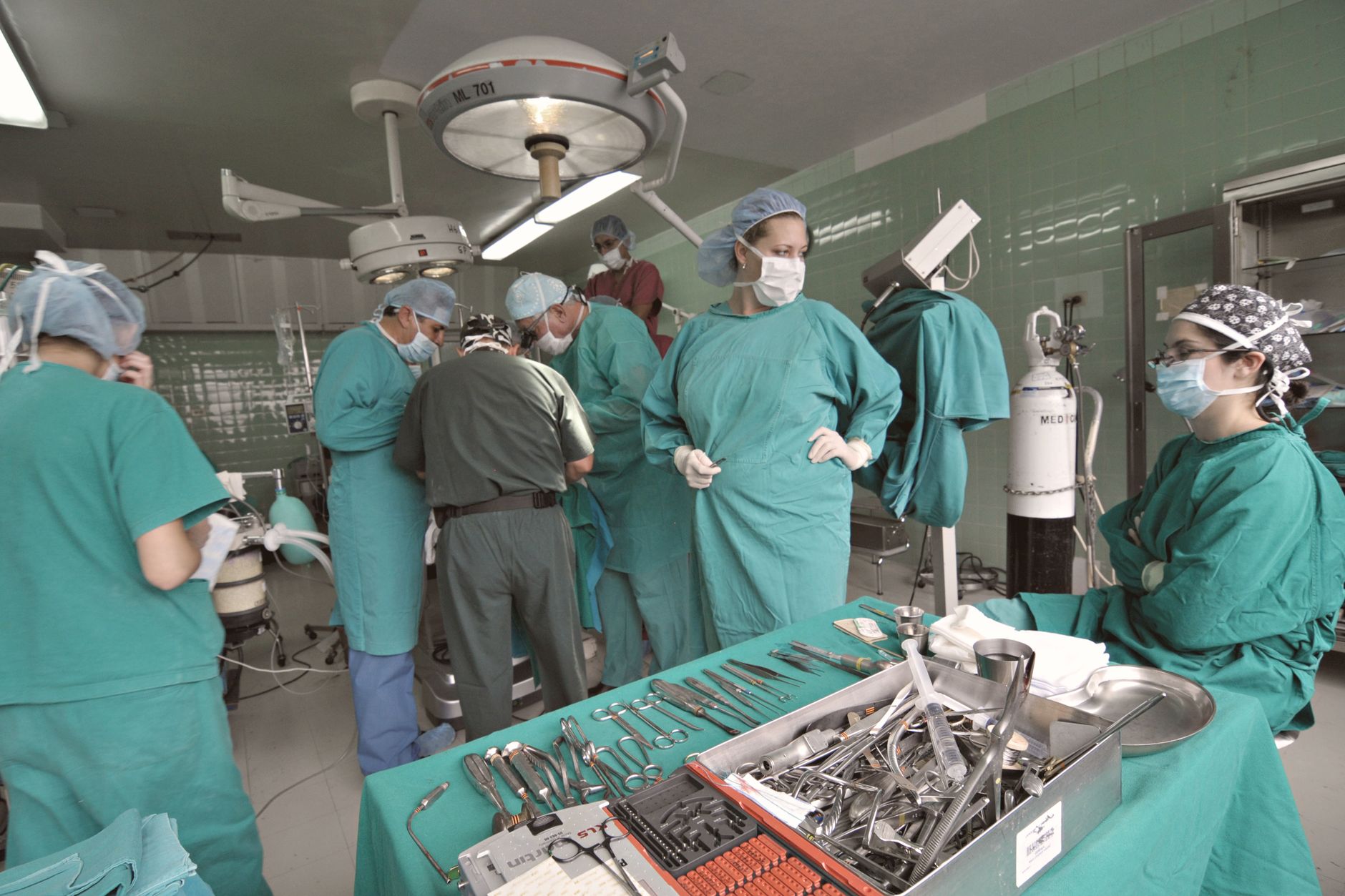
One of the most visible outcomes of Türkiye's health tourism success is the sheer scale of reinvestment in facilities. Cities like Istanbul, Ankara, Izmir and Antalya have seen the rise of large, modern hospital campuses designed with international patients in mind — from multilingual signage to dedicated international patient departments.
These are not cosmetic upgrades. They include advanced imaging systems, robotic surgery platforms, hybrid operating theatres and intensive care units built to international accreditation standards. Many private and university hospitals pursue JCI accreditation and other global benchmarks, precisely because international patients expect verifiable quality.
Technology also improves the patient journey during travel. Digital consultation, remote second opinions, electronic medical records shared securely across borders and telemedicine follow-ups are becoming standard. A patient in Germany or the Gulf can now begin a treatment plan with a Turkish specialist weeks before boarding a flight.
Crucially, this technological investment is funded by a sector that expects to keep growing. Hospitals are not building for a single season of demand — they are building for a decade of it. That long-term outlook is exactly what patients planning major procedures want to see.
More Specialists, Better Training
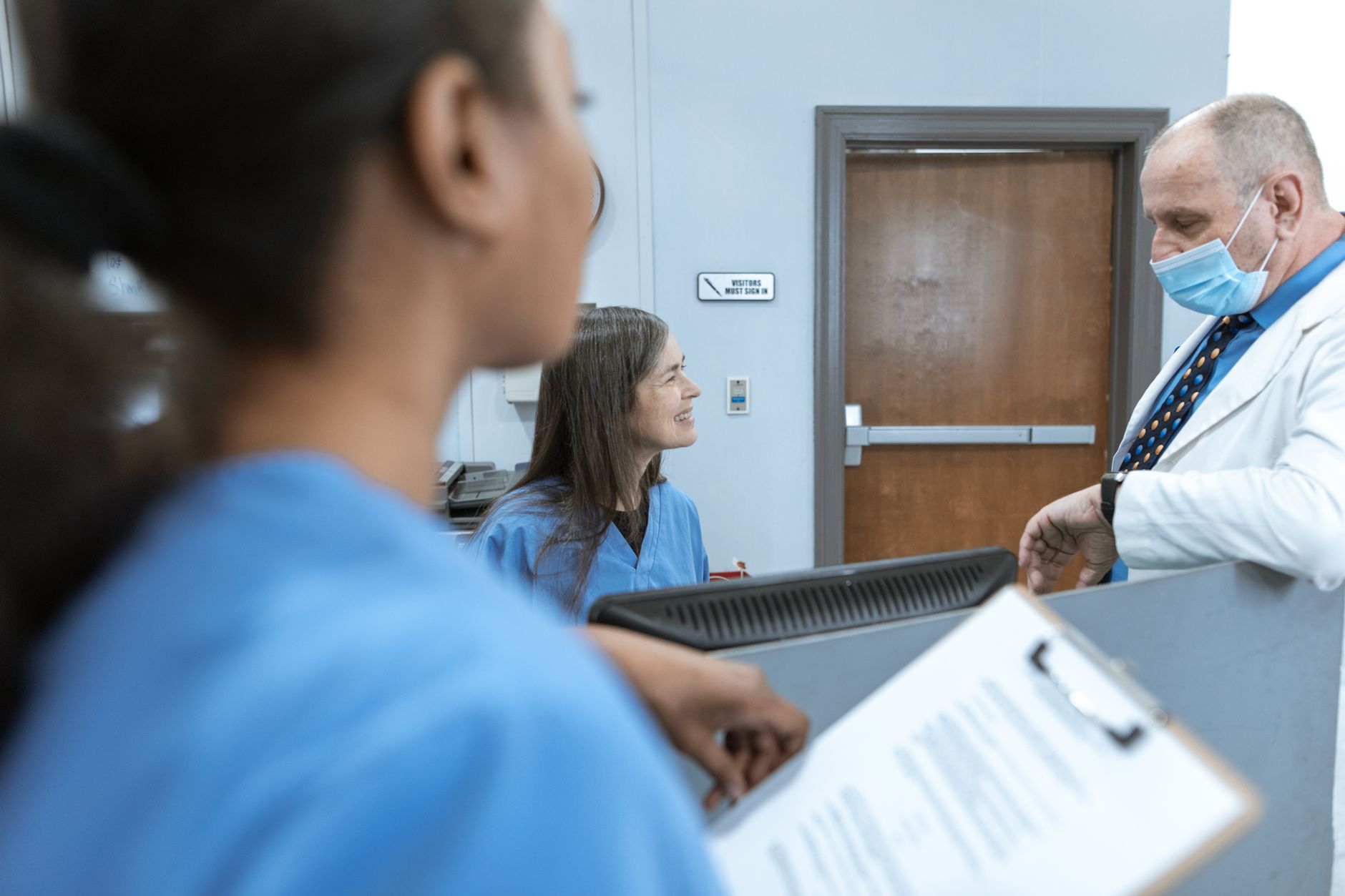
Facilities alone do not deliver good outcomes — people do. Türkiye's sustained health tourism growth has fueled parallel investment in human capital. Medical faculties are expanding, residency programs are attracting strong candidates, and experienced surgeons increasingly train in international fellowships before returning home.
Subspecialisation is deepening across fields that matter most to international patients: cardiology, oncology, orthopaedics, bariatric surgery, in vitro fertilisation, hair transplantation, ophthalmology and aesthetic surgery. Rather than a handful of generalists handling everything, patients can now find clinicians who focus narrowly on their condition and perform high volumes of the procedure they need.
Volume matters in medicine. Surgeons and clinical teams who perform a procedure frequently tend to produce more consistent results. Türkiye's steady patient flow supports that kind of focused expertise in a way that smaller, volatile markets cannot.
For patients, the practical takeaway is simple: the specialist pool is widening, the training is deepening and the experience is compounding. Choosing Türkiye is increasingly a decision about depth of expertise, not just cost.
Stronger Protections for International Patients
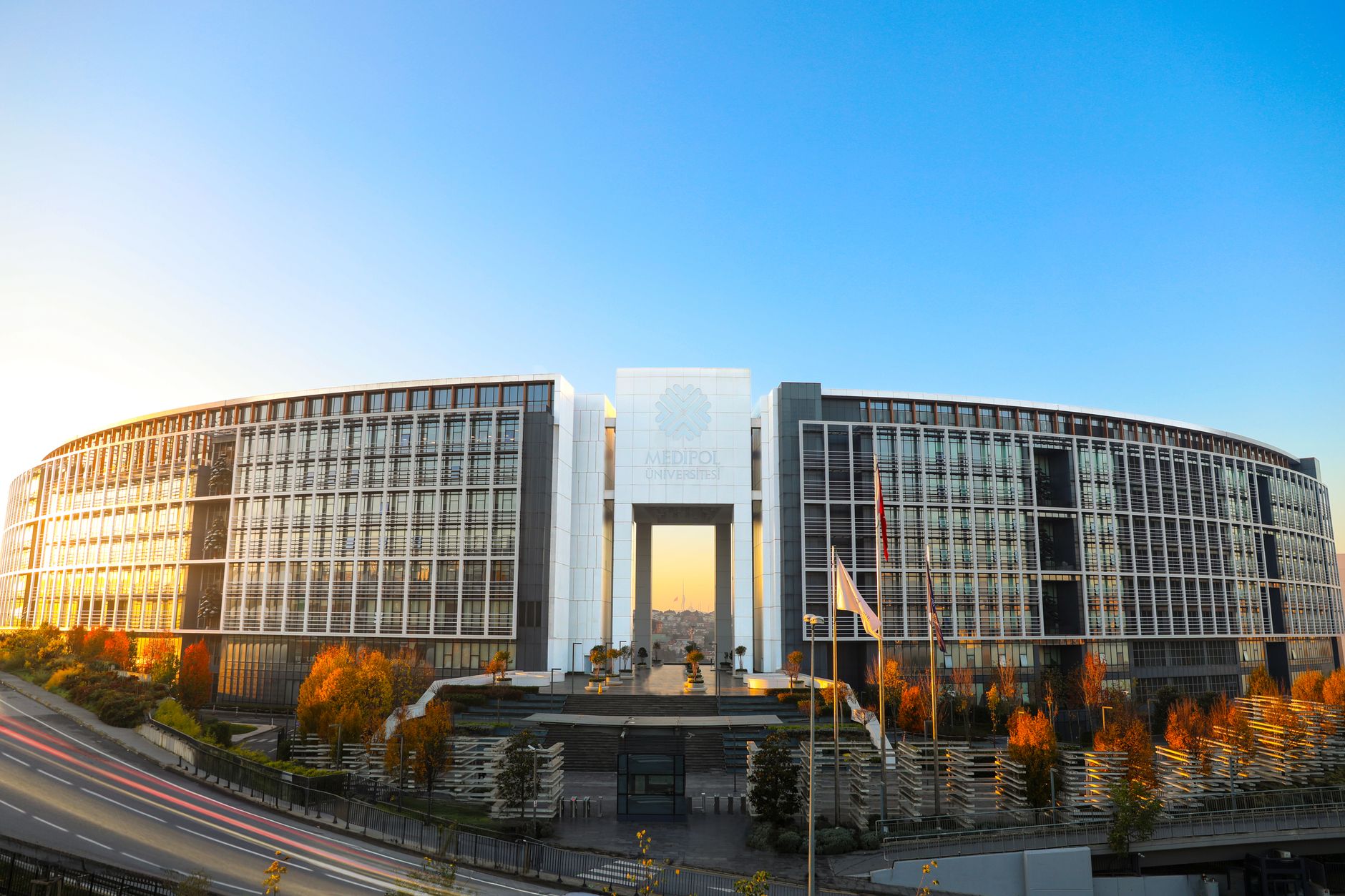
As the sector matures, so do the rules that govern it. Türkiye has developed a structured framework for health tourism, including authorisation requirements for facilities serving international patients, standards for translation and coordination services, and clearer pathways for complaints and dispute resolution.
International patient departments have become the norm rather than the exception at major hospitals. These units handle visa invitation letters, airport transfers, accommodation, interpretation and post-operative communication. They also create accountability — a named team responsible for your experience from first enquiry to final follow-up.
Transparency is improving too. More hospitals publish accreditation status, surgeon credentials and outcome data. Written treatment plans and itemised cost estimates are increasingly standard, reducing the risk of unpleasant surprises. Reputable facilitators and clinics now compete on clarity, because informed patients demand it.
None of this means patients should stop doing due diligence. It means the environment now rewards careful research with reliable information — a marked shift from the early, less regulated days of medical travel.
What This Means If You Are Planning Treatment Years Ahead
If you are considering treatment in Türkiye not this month, but next year or three years from now, the sector's stability is directly relevant to you. Healthcare decisions made in advance depend on the assumption that institutions will endure, standards will hold and follow-up care will be available.
Türkiye's position as an economic cornerstone of health tourism supports exactly that assumption. Hospitals are not temporary ventures; they are long-term institutions with reputations to protect. Specialist teams are not transient; they are building careers and practices. Regulatory frameworks are not ad hoc; they are evolving deliberately.
That said, planning ahead still benefits from good habits. Research hospitals with verifiable accreditation. Ask for detailed credentials and outcome information. Request written treatment plans and cost breakdowns. Confirm what follow-up looks like once you return home.
- Verify the hospital's international accreditation and authorisation status.
- Confirm your surgeon's specific experience with your procedure.
- Request a written, itemised treatment and cost plan.
- Ask how complications and follow-up care are handled across borders.
- Use a reputable international patient department or facilitator.
Do these things, and the sector's maturity works in your favour: you are choosing from a market that has already survived its growing pains.
A Destination Built for the Long Term
Türkiye's health tourism growth is not a fleeting trend driven by price alone. It reflects decades of investment in hospitals, education, technology and regulation — and it is reinforced by the country's broader strengths as a destination. Direct flights connect Istanbul to most major cities worldwide. Recovery time can be spent in comfortable, well-established medical hospitality environments, and companions can enjoy a country rich in culture, cuisine and coastline.
For international patients, the most reassuring aspect is durability. A sector that keeps growing steadily is a sector that keeps improving steadily. The hospital you choose today has a clear incentive to be better tomorrow, because its future patients are watching.
Health tourism has become an economic cornerstone of modern Türkiye. For patients, that cornerstone translates into something far more personal: better facilities, deeper expertise, stronger protections and the confidence to plan treatment with a long view. When you are making decisions about your health, reliability over time is not a luxury — it is the foundation everything else is built on.
Thinking about treatment in Turkey?
Send us a question about this site or about the information published on it. This is a publisher's mailbox, not a medical service and not a route to a particular provider — for clinical questions, contact your own doctor.