

Prehabilitation: The Game-Changer in Surgical Care
Imagine arriving for surgery not just prepared mentally, but physically primed to heal. That's the promise of prehabilitation—a proactive, whole-person approach that Türkiye's leading hospitals have embraced to help international patients achieve better outcomes. Unlike traditional surgical preparation, which often focuses solely on fasting and medication adjustments, prehabilitation begins weeks or even months before the operation. It combines targeted exercise, nutritional optimization, and breathing techniques to strengthen the body's resilience. For patients traveling from abroad, this means landing in Istanbul not just with a surgery date, but with a personalized plan that sets the stage for a smoother procedure and a quicker return to daily life.
Türkiye has long been a top destination for medical tourism, renowned for its advanced technology, skilled surgeons, and affordable care. Now, with prehabilitation programmes, Turkish clinics are elevating the standard even further. These initiatives reflect a broader shift in healthcare: treating the patient as a whole person, not just a condition. By addressing physical fitness, nutrition, and mental readiness, prehabilitation reduces complications, shortens hospital stays, and empowers patients with confidence. In this post, we'll explore how these programmes work, why they matter, and how you can benefit from Türkiye's proactive approach.
What Exactly Is Prehabilitation?
Prehabilitation, often shortened to "prehab," is a structured programme designed to improve a patient's physical and psychological condition before surgery. It typically spans four to eight weeks and involves three core pillars: exercise, nutrition, and breathing training. Exercise focuses on building strength, endurance, and flexibility—key factors that help the body cope with the stress of surgery and anaesthesia. Nutrition aims to optimize protein intake, manage weight, and correct deficiencies that could impair healing. Breathing techniques enhance lung capacity and reduce the risk of respiratory complications, especially after chest or abdominal procedures.
In Türkiye, prehabilitation is not a one-size-fits-all regimen. Hospitals like Acıbadem, Memorial, and Medicana offer tailored programmes based on the patient's age, medical history, and type of surgery. For example, a patient undergoing joint replacement might focus on strengthening surrounding muscles, while someone scheduled for cardiac bypass would prioritize cardiovascular conditioning and respiratory exercises. International patients often receive a remote prehab plan before travel, with video consultations and digital monitoring to ensure they stay on track. This continuity of care from home to hospital is a hallmark of the Turkish approach.
The concept is backed by a growing body of research. Studies show that prehabilitation can reduce postoperative complications by up to 50%, shorten hospital stays by several days, and improve long-term recovery. For medical travellers, these benefits are amplified: being in optimal shape before a long flight and a foreign healthcare system can make the entire experience less daunting.
The Turkish Model: Proactive, Personalised, and Patient-Centred
What sets Türkiye's prehabilitation programmes apart is their integration into the entire medical tourism journey. From the moment a patient inquires about surgery, they are assigned a multidisciplinary team—including surgeons, physiotherapists, dietitians, and nurses—who design a prehab plan tailored to their needs. This team remains in contact via telemedicine, offering guidance and motivation. Upon arrival, patients undergo a comprehensive assessment to fine-tune the plan, ensuring it aligns with their current condition.
Turkish hospitals are also investing in state-of-the-art rehabilitation facilities. Many feature hydrotherapy pools, specialised gyms, and respiratory training labs. These resources are not just for post-op recovery; they are used preoperatively to simulate and prepare for the physical demands of surgery. For instance, a patient awaiting lung surgery might use inspiratory muscle trainers to strengthen breathing muscles, while someone facing orthopaedic surgery could practise walking with crutches beforehand. This hands-on preparation reduces anxiety and builds muscle memory for post-surgical movements.
Moreover, the cultural emphasis on hospitality means international patients are treated with exceptional care. Language barriers are minimized with translators and multilingual staff, and accommodations often include healthy meal options that support prehab nutrition goals. This holistic environment transforms what could be a stressful ordeal into a confidence-building experience.
Exercise: Building Strength for the Operating Table
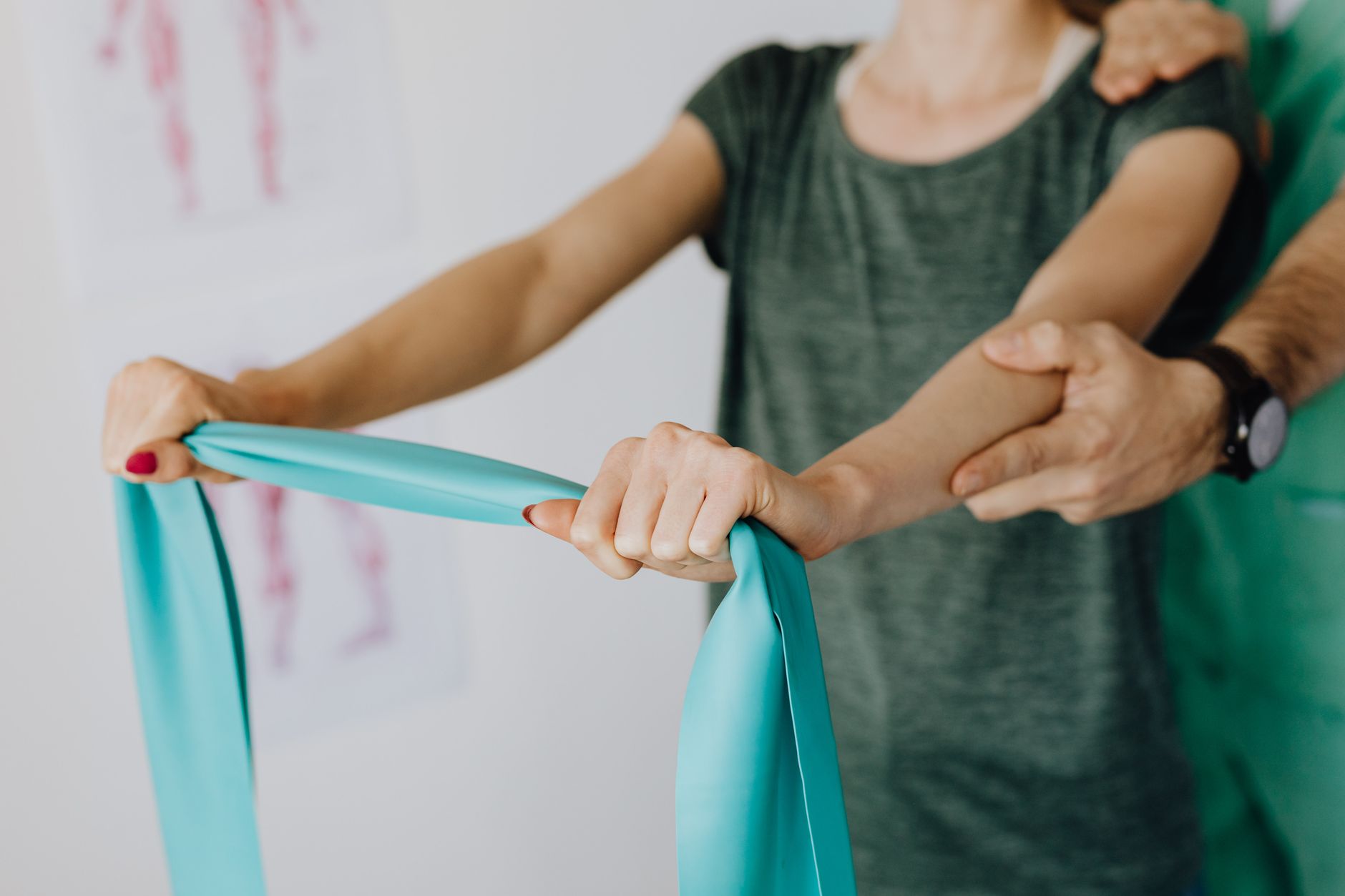
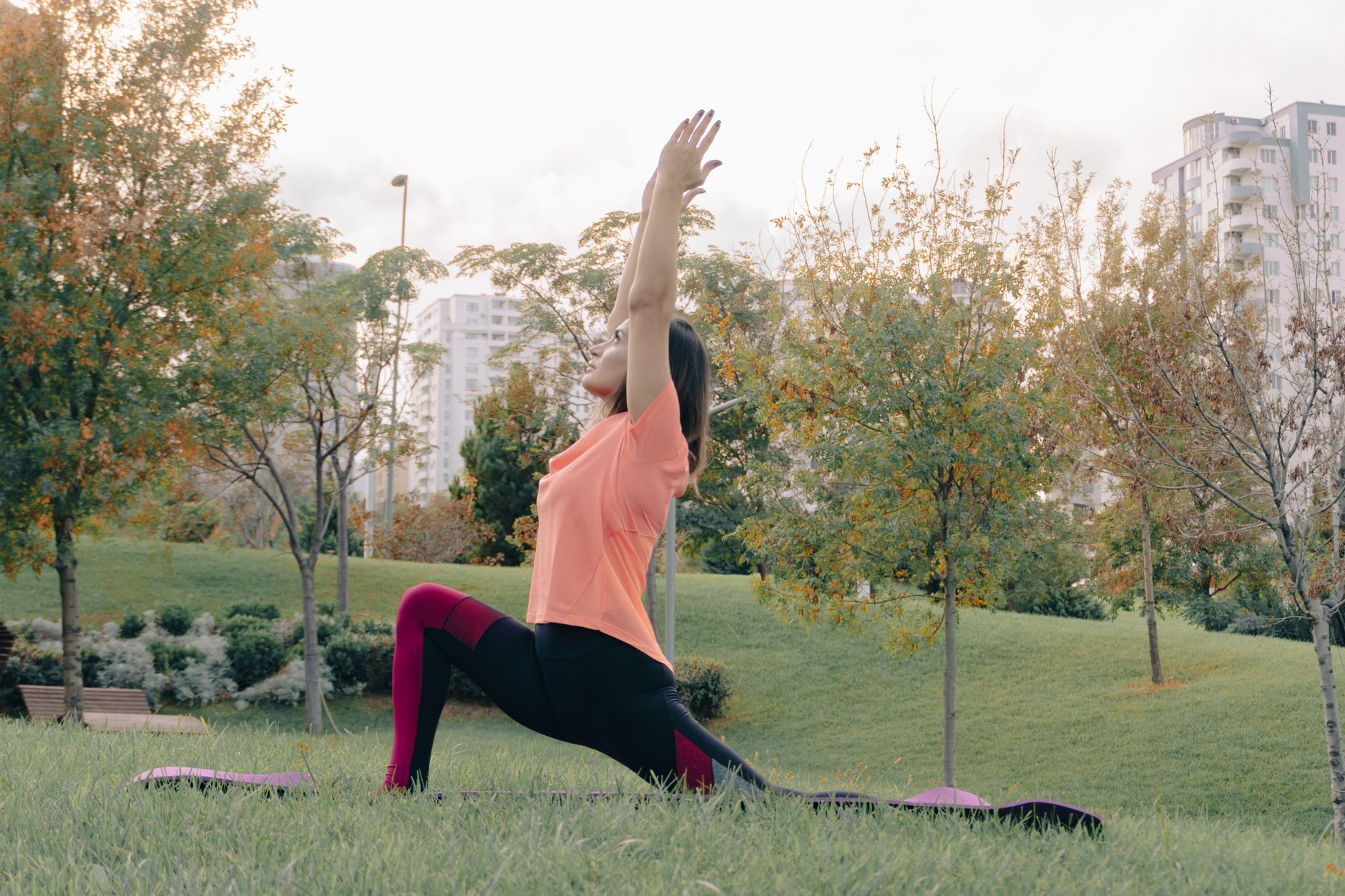
Exercise is the cornerstone of prehabilitation. In Turkish clinics, patients receive personalised workout plans that target cardiovascular health, muscle strength, and flexibility. Aerobic activities like walking, swimming, or cycling improve heart and lung function, which is crucial for tolerating anaesthesia and reducing complications. Strength training, using resistance bands or light weights, helps maintain muscle mass—especially important for older adults or those with chronic conditions. Flexibility exercises, such as yoga or stretching, enhance range of motion and reduce injury risk.
For international patients, these plans are often adapted to available equipment and space at home. A physiotherapist might prescribe a daily routine of brisk walks, chair squats, and deep breathing exercises, all monitored through a mobile app. Some hospitals even lend portable pedometers or resistance bands to ensure compliance. The goal is not to become an athlete, but to arrive at the hospital with a body that is primed for recovery.
The benefits are tangible. A 2023 study from a leading Istanbul hospital found that patients who completed a prehab exercise programme had 30% fewer postoperative complications and were discharged an average of 2.5 days earlier than those who did not. For medical travellers, fewer complications mean less time away from home and lower overall costs. Plus, the psychological boost of feeling physically prepared cannot be overstated—it turns apprehension into empowerment.
Nutrition: Fueling Healing from Within
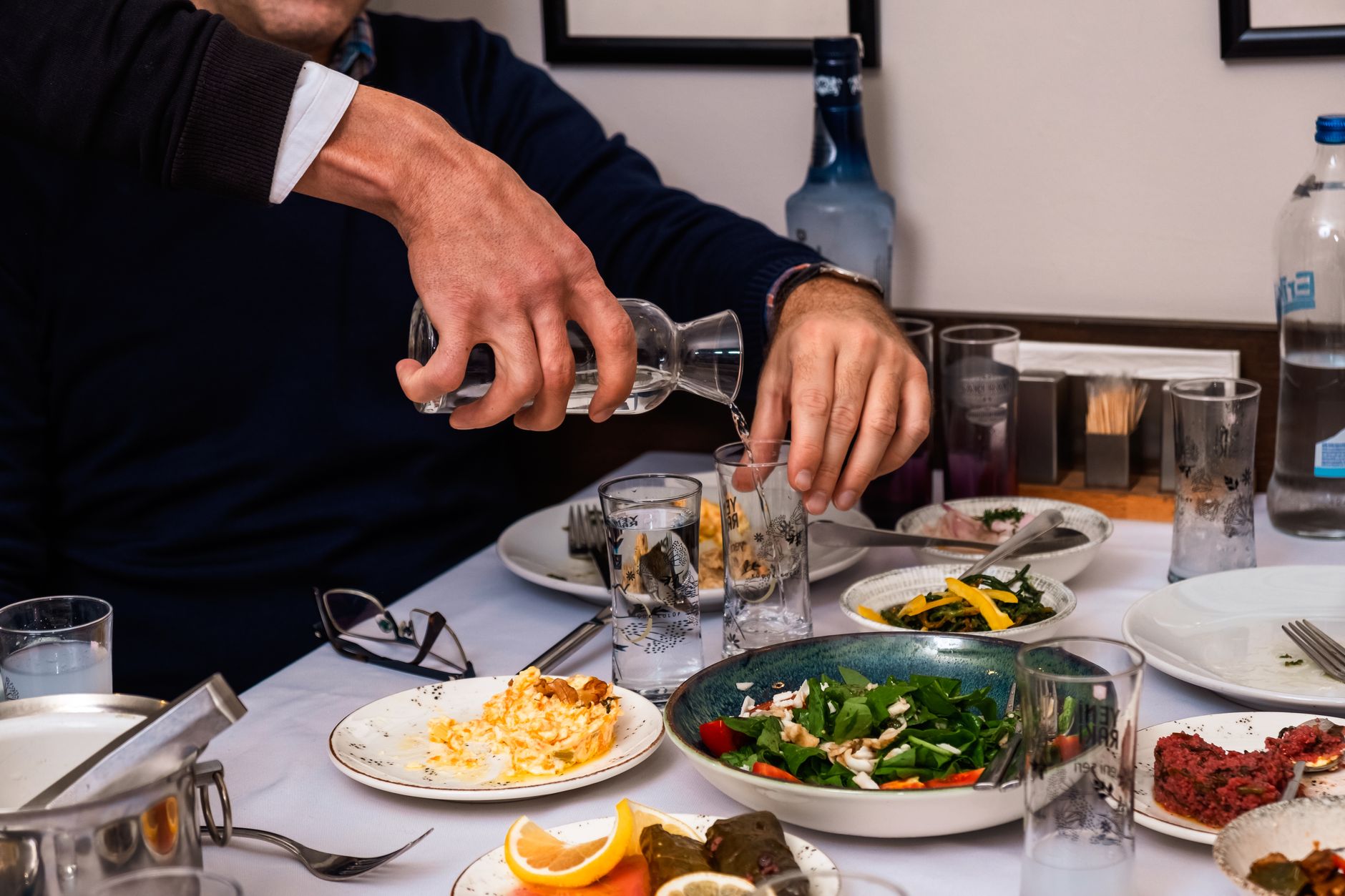
Proper nutrition is vital before surgery. Turkish prehabilitation programmes emphasize a balanced diet rich in protein, vitamins, and minerals to support immune function and tissue repair. Patients work with dietitians to assess their nutritional status and address any deficiencies. For example, low iron levels can impair oxygen delivery and delay healing, so supplements or iron-rich foods are recommended. Protein intake is increased to preserve muscle mass, while processed foods and excess sugar are limited to reduce inflammation.
For international patients, dietary advice is tailored to cultural preferences and local food availability. A patient from the UK might be guided to incorporate more fish and legumes, while someone from the Middle East could focus on lean meats and whole grains. Turkish cuisine itself is a treasure trove of healthy options: think fresh vegetables, olive oil, yogurt, and grilled fish. Many hospitals provide sample meal plans featuring local dishes, making it easy to eat well while enjoying the flavours of Türkiye.
Hydration is another key focus. Staying well-hydrated improves circulation and helps medications work effectively. Patients are encouraged to drink water throughout the day and limit caffeine and alcohol. In some cases, immunonutrition—diets enriched with arginine, omega-3 fatty acids, and nucleotides—is prescribed to enhance immune response and reduce infection risk. These evidence-based strategies are a testament to Türkiye's commitment to comprehensive care.
Breathing Techniques: The Overlooked Superpower
Breathing exercises are a secret weapon in prehabilitation. Surgery, especially involving the chest or abdomen, can compromise lung function and lead to complications like pneumonia. Turkish clinics teach patients techniques such as diaphragmatic breathing, pursed-lip breathing, and incentive spirometry to expand lung capacity and clear airways. These exercises are practised daily before surgery, often with the aid of devices that provide visual feedback.
For international patients, breathing training can be started at home via video tutorials. A respiratory therapist might guide a patient through a session, ensuring proper technique. The goal is to strengthen the diaphragm and intercostal muscles, making it easier to breathe deeply after surgery. This not only reduces respiratory risks but also accelerates recovery by improving oxygen delivery to healing tissues.
Beyond the physical benefits, breathing exercises are a powerful tool for relaxation. Anxiety before surgery is common, and controlled breathing activates the parasympathetic nervous system, reducing stress hormones. Many Turkish hospitals incorporate mindfulness and meditation into their prehab programmes, helping patients cultivate a calm, focused mindset. This mind-body connection is integral to the Turkish model of care.
Better Outcomes, Shorter Stays, More Confidence
The ultimate goal of prehabilitation is to improve surgical outcomes and patient experience. By arriving stronger, patients are better equipped to handle the procedure and recover faster. Shorter hospital stays mean lower costs, less exposure to hospital-acquired infections, and a quicker return to normal life. For medical travellers, this translates to fewer days away from family and work, and a reduced overall financial burden.
Confidence is another invaluable benefit. Knowing that you have actively prepared your body for surgery can alleviate fear and uncertainty. Turkish clinics report that prehab patients are more engaged in their recovery, adhere better to post-op instructions, and report higher satisfaction. This psychological edge is particularly important for international patients, who may feel vulnerable in an unfamiliar environment.
Furthermore, prehabilitation fosters a sense of partnership between patient and provider. It signals that the hospital values your well-being beyond the operating room. This patient-centred philosophy is why Türkiye continues to attract thousands of medical tourists each year—and why prehabilitation is becoming a standard of care.
How to Access Prehabilitation Programmes in Türkiye
If you're considering surgery in Türkiye, ask your chosen hospital about prehabilitation options. Many leading institutions, such as those in Istanbul and Ankara, offer comprehensive programmes for international patients. The process typically begins with an online consultation, where a team assesses your health and creates a personalised plan. You'll receive exercise routines, dietary guidelines, and breathing exercises to follow before travel. Some hospitals also provide remote monitoring through apps or wearable devices.
Upon arrival, you'll undergo a final evaluation to adjust the plan as needed. After surgery, the same team supports your rehabilitation, ensuring a seamless transition. Costs for prehabilitation are often included in the surgical package or offered at a modest fee, making it an accessible enhancement to your care.
As medical tourism evolves, Türkiye's proactive approach sets a new benchmark. By investing in prehabilitation, you're not just preparing for surgery—you're investing in a better, faster, and more confident recovery. So why wait? Embrace the power of preparation and discover why Türkiye is the smart choice for your health journey.
Thinking about treatment in Turkey?
Share your contact details and a verified doctor will follow up with a plan built around you — free, no obligation.