

When Serious Injury Meets World-Class Expertise
For patients facing complex fractures, bone loss, or limb-threatening injuries, the journey to recovery can feel overwhelming. Türkiye has emerged as a global leader in orthopaedic trauma and limb reconstruction, offering rapid access to advanced surgical techniques and comprehensive rehabilitation. With a determined and optimistic approach, Turkish centres are restoring function and hope for thousands of international patients each year.
Whether due to traffic accidents, industrial injuries, or complications from previous surgeries, complex orthopaedic trauma requires specialized care that combines cutting-edge technology with surgical artistry. Türkiye's centres excel in this niche, leveraging decades of experience in external fixation, bone transport, and microsurgery to achieve outcomes that rival the world's best.
The Pillars of Complex Limb Reconstruction
External Fixation: Stabilizing the Impossible
External fixation is a cornerstone of complex trauma care. This technique involves attaching a rigid frame outside the limb, connected to pins or wires that stabilize fractured bones. It is indispensable when soft tissues are severely damaged, allowing for wound care and gradual adjustment. Turkish surgeons are masters at applying external fixators, using them not only for stabilization but also for gradual deformity correction and bone lengthening.
Modern external fixation systems, such as the Ilizarov apparatus and hexapod frames, enable precise control over bone alignment. In Türkiye, these devices are often paired with computer-assisted planning, ensuring that even the most challenging fractures can be anatomically restored. Patients benefit from faster mobilization and reduced risk of infection, as the external frame bypasses the need for large incisions at the fracture site.
Bone Transport: Regrowing Lost Bone
When a segment of bone is missing due to trauma or infection, bone transport offers a remarkable solution. This technique, pioneered by Ilizarov, involves cutting a healthy segment of bone and gradually moving it to fill the defect. The bone regenerates as it is transported, a process called distraction osteogenesis. Turkish centres have refined this method, using it to treat large bone defects that would otherwise require amputation.
The procedure requires meticulous planning and regular follow-up. Patients typically wear an external fixator for several months, during which the bone is slowly transported—about 1 mm per day. Despite the commitment, the results are life-changing: patients regain a functional limb and avoid the alternative of amputation. Türkiye's expertise in bone transport has made it a destination for patients with complex non-unions, infections, and congenital deformities.
Microsurgery: Reconnecting Life
Microsurgery involves operating under a microscope to reconnect tiny blood vessels, nerves, and other structures. In limb salvage, microsurgical techniques are used for free tissue transfer, where healthy tissue—skin, muscle, and bone—is harvested from one part of the body and transplanted to the injured limb. This restores blood supply and covers exposed bones, preventing infection and promoting healing.
Turkish microsurgeons are highly skilled in free flaps, such as the latissimus dorsi or fibula flap, to reconstruct complex defects. These procedures demand extraordinary precision and experience. By combining microsurgery with external fixation and bone transport, Turkish teams can salvage limbs that might otherwise be amputated. For international patients, this means access to a level of care that is often unavailable or delayed in their home countries.
Why International Patients Choose Türkiye
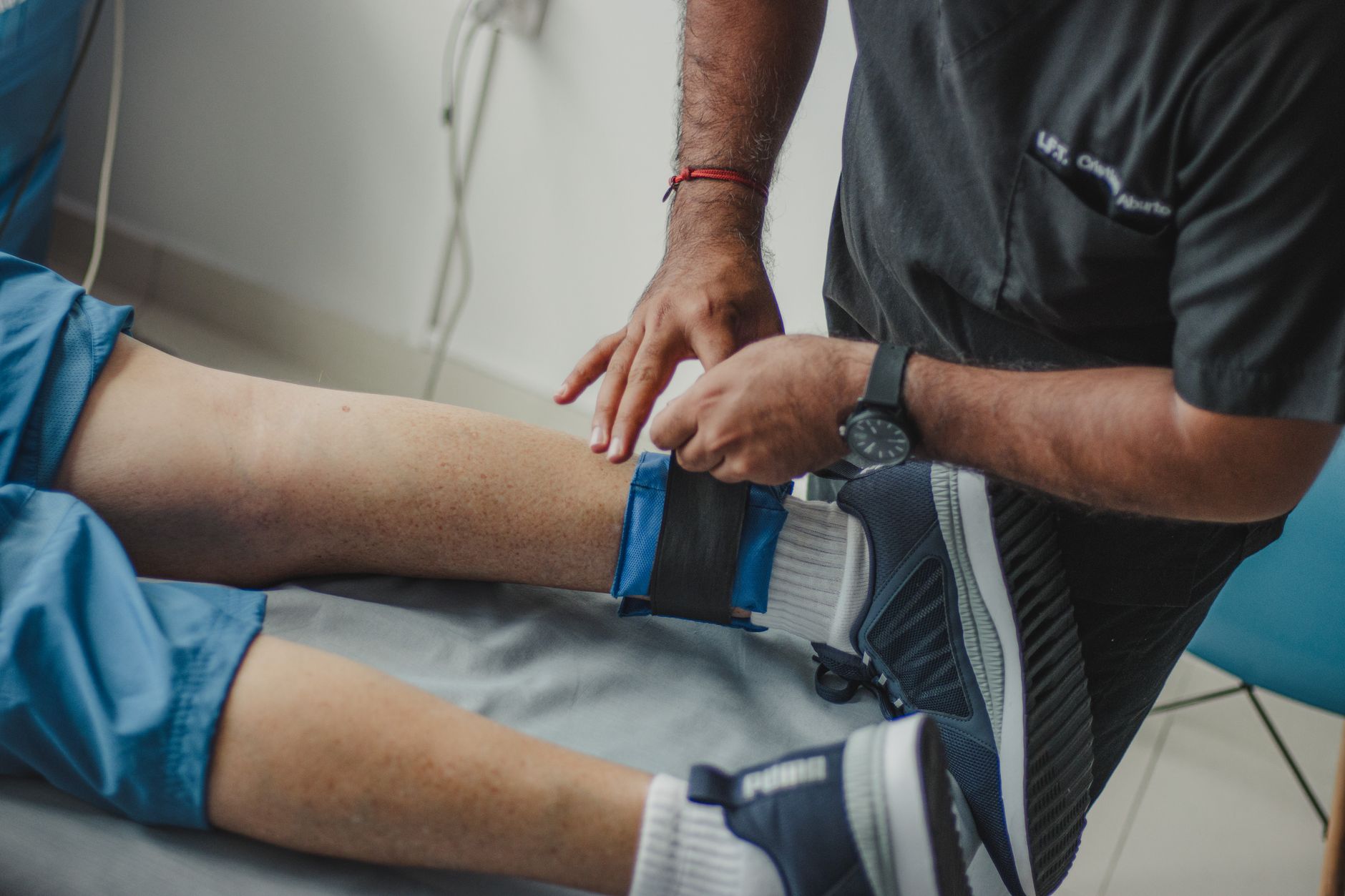
Speed is critical in orthopaedic trauma. Delays in surgery can lead to infection, non-union, or even amputation. Türkiye offers rapid access to specialized care, often within days of arrival. This is in stark contrast to many healthcare systems where waiting times for complex trauma surgery can stretch for weeks or months. The efficiency of Turkish hospitals, combined with their willingness to accept international patients, makes them a beacon of hope.
Moreover, Turkish centres are renowned for their comprehensive approach. From the moment of admission, patients are evaluated by a multidisciplinary team of orthopaedic surgeons, plastic surgeons, infectious disease specialists, and physiotherapists. This integrated model ensures that every aspect of the patient's recovery is addressed, from eradicating infection to restoring function. International patient departments provide language support, travel assistance, and accommodation, making the journey seamless.
Comprehensive Rehabilitation: The Path to Function
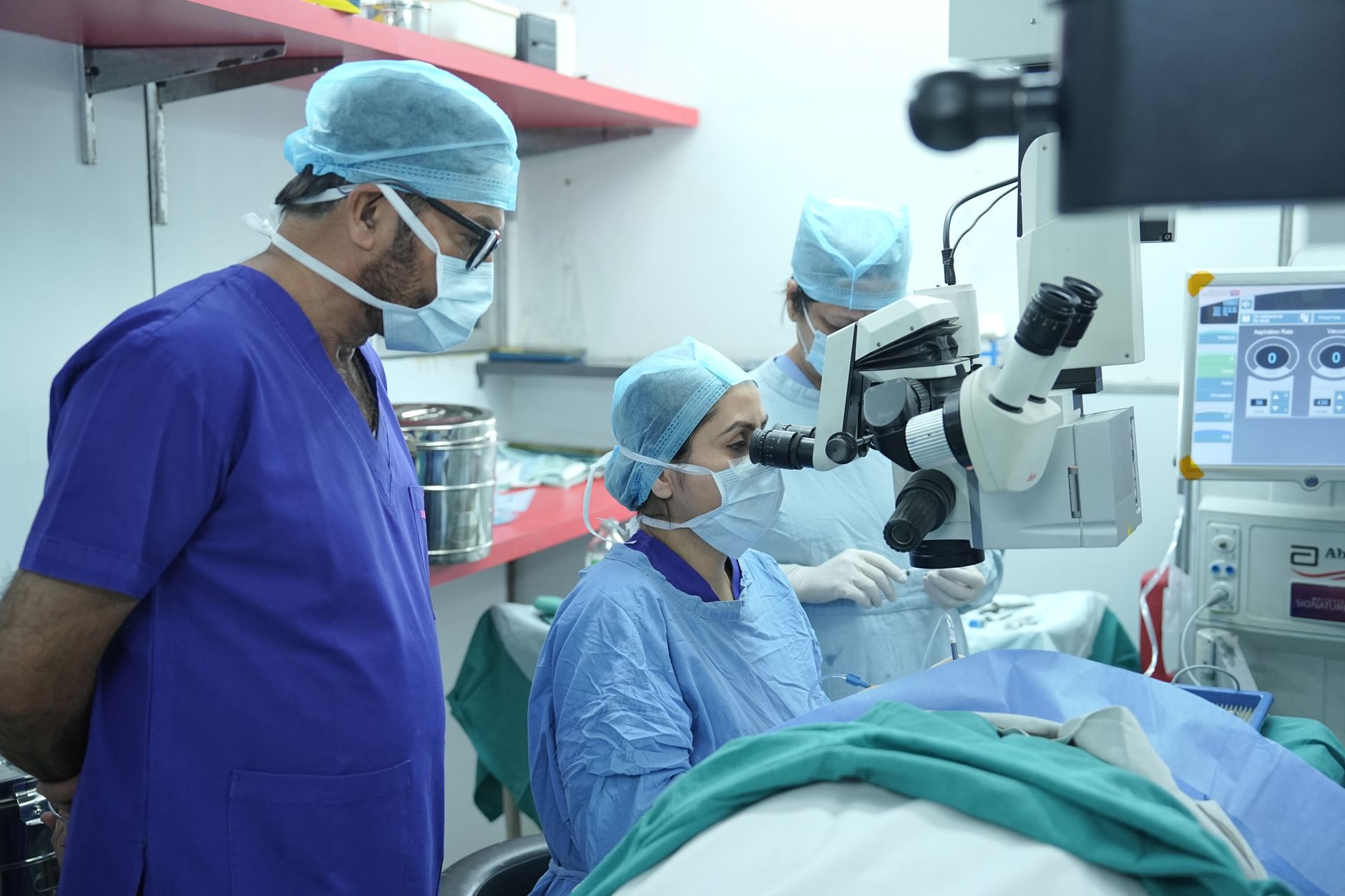
Surgery is only the beginning. Rehabilitation is where mobility is truly rebuilt. Turkish centres place immense emphasis on post-operative physiotherapy, often starting within days of surgery. Patients work with dedicated physiotherapists who specialize in trauma recovery, using state-of-the-art equipment and personalized exercise regimens.
For those with external fixators, rehabilitation focuses on maintaining joint mobility, muscle strength, and gait training. As bone transport progresses, therapy adapts to ensure optimal function. The goal is not just a healed bone, but a limb that works. Turkish rehabilitation facilities are integrated with surgical units, allowing for seamless communication between therapists and surgeons. This continuity of care is a key factor in the excellent outcomes achieved.
International patients often stay for several weeks or months to complete their rehabilitation. Many hospitals offer on-site housing or partner with nearby hotels to accommodate long-term stays. The supportive environment, combined with Türkiye's rich culture and hospitality, makes the recovery journey more bearable. Patients can focus on healing while enjoying the vibrant surroundings.
Success Stories: From Despair to Determination
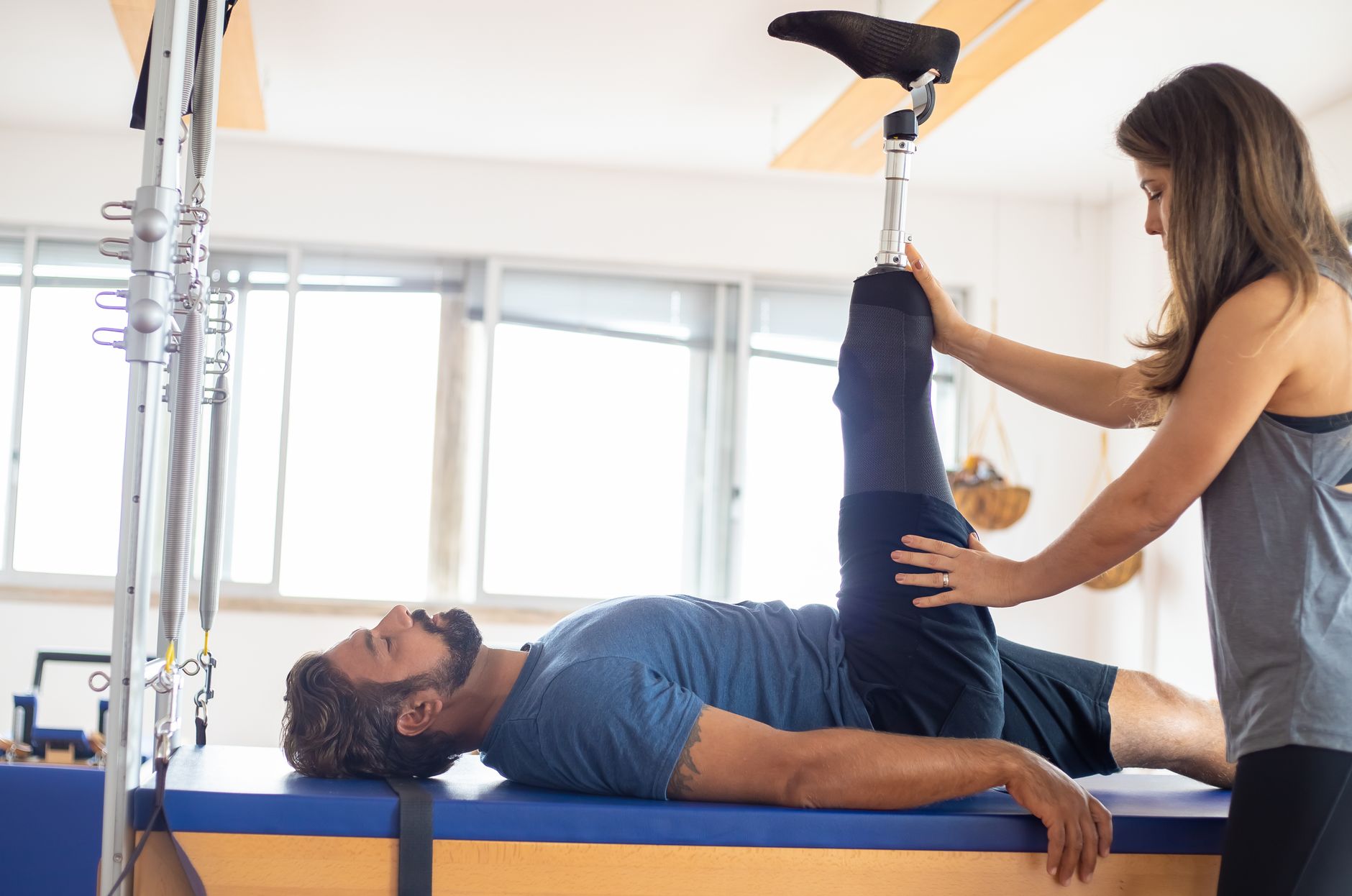
Consider the case of Ahmed, a young man from the Middle East who suffered a severe motorcycle accident that left his tibia shattered and infected. After multiple failed surgeries in his home country, he was told amputation was his only option. Refusing to give up, he sought help in Istanbul. There, surgeons performed radical debridement, applied an Ilizarov external fixator, and initiated bone transport. Over eight months, Ahmed's bone regenerated, and he gradually regained the ability to walk. Today, he is back to work and enjoying life with his family.
Stories like Ahmed's are common in Turkish trauma centres. The combination of surgical expertise, advanced technology, and unwavering patient support creates an environment where the impossible becomes possible. Each success reinforces Türkiye's reputation as a global hub for limb reconstruction.
Planning Your Journey: What to Expect
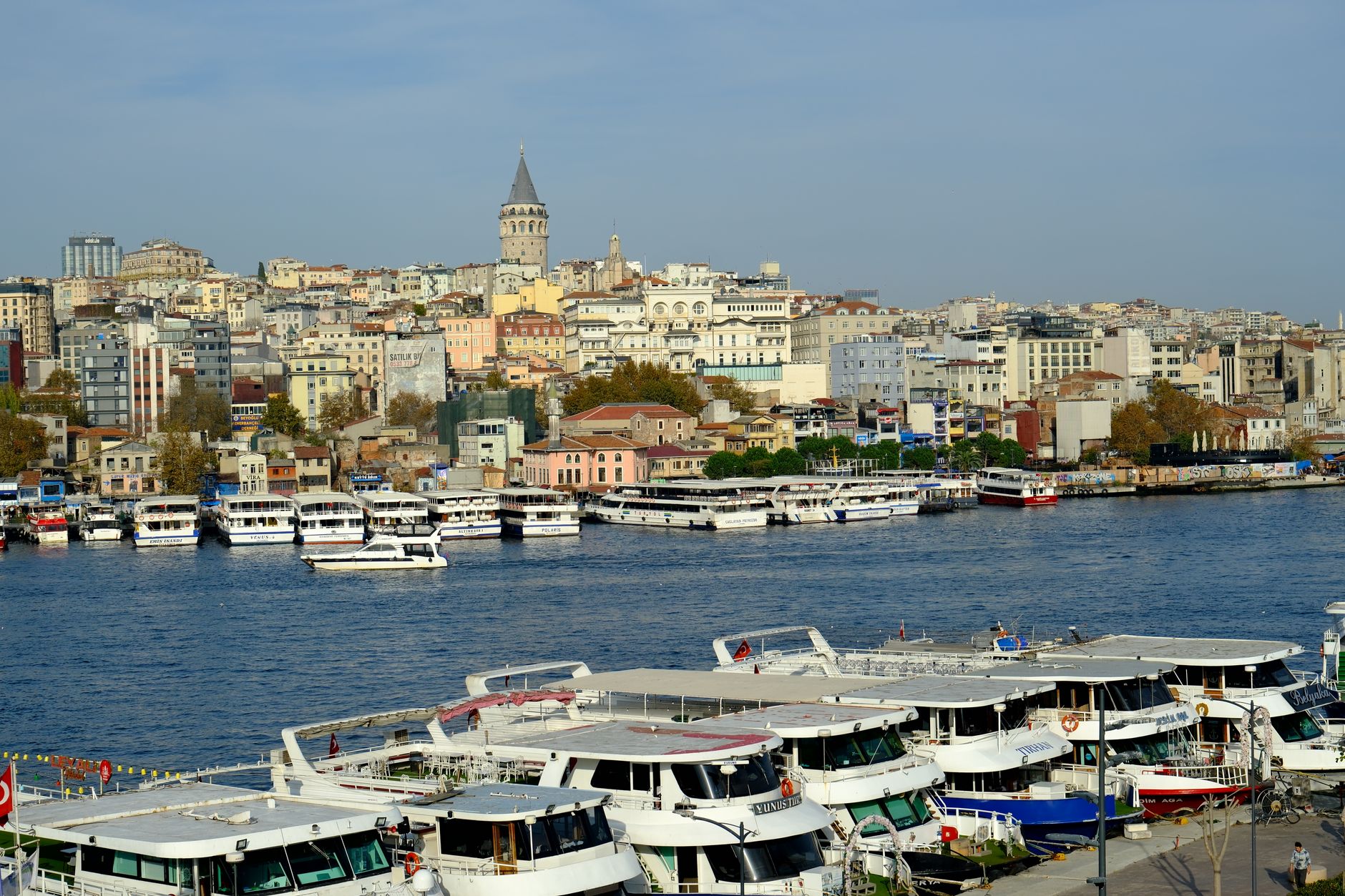
If you are considering treatment in Türkiye, the first step is to contact a reputable hospital's international patient department. They will request your medical records, imaging, and a detailed history. A preliminary assessment is usually provided within 24-48 hours, along with a treatment plan and cost estimate. Visa assistance and travel arrangements can be coordinated. Upon arrival, you will undergo a comprehensive evaluation, and surgery is typically scheduled promptly.
It is important to plan for an extended stay. Depending on the complexity, you may need to remain in Türkiye for several weeks to months, especially if undergoing bone transport. The hospital's international team will guide you through each phase, ensuring you understand the process and are prepared for the journey ahead. Financial considerations should be discussed upfront; Türkiye offers highly competitive pricing compared to Western Europe or North America, often with superior access.
A Future of Mobility and Hope
Türkiye's complex orthopaedic trauma and limb reconstruction centres represent the pinnacle of modern musculoskeletal care. Through external fixation, bone transport, and microsurgery, they offer a path to recovery for patients who might otherwise face lifelong disability. The determined and optimistic spirit of Turkish surgeons and therapists is palpable, and it is this spirit that drives remarkable outcomes.
For international patients, Türkiye is not just a destination for treatment; it is a place where mobility is rebuilt, and hope is restored. With rapid access to surgery, comprehensive rehabilitation, and a patient-centered approach, these centres are transforming lives one limb at a time. If you or a loved one is facing a complex orthopaedic injury, consider Türkiye—a beacon of excellence in limb salvage and reconstruction.
Thinking about treatment in Turkey?
Share your contact details and a verified doctor will follow up with a plan built around you — free, no obligation.