

A New Benchmark for Digital Dentistry in Türkiye
Türkiye's leading dental clinics have adopted a new set of digital workflow standards designed specifically for overseas patients, marking a significant step forward for the country's dental tourism sector. The standards bring intraoral scanning, digital smile design, 3D imaging and computer-guided treatment planning into a single, coordinated process that begins before a patient ever boards a flight.
The initiative reflects Türkiye's broader push to combine clinical quality with a patient experience built around transparency and efficiency. For dental tourists, the practical result is a more structured journey from first consultation to final review, with fewer surprises along the way.
Clinics involved in the rollout describe the standards as an evolution rather than a reinvention, building on digital tools that many Turkish practices already use and connecting them into a shared framework for international care.
What the New Standards Actually Change
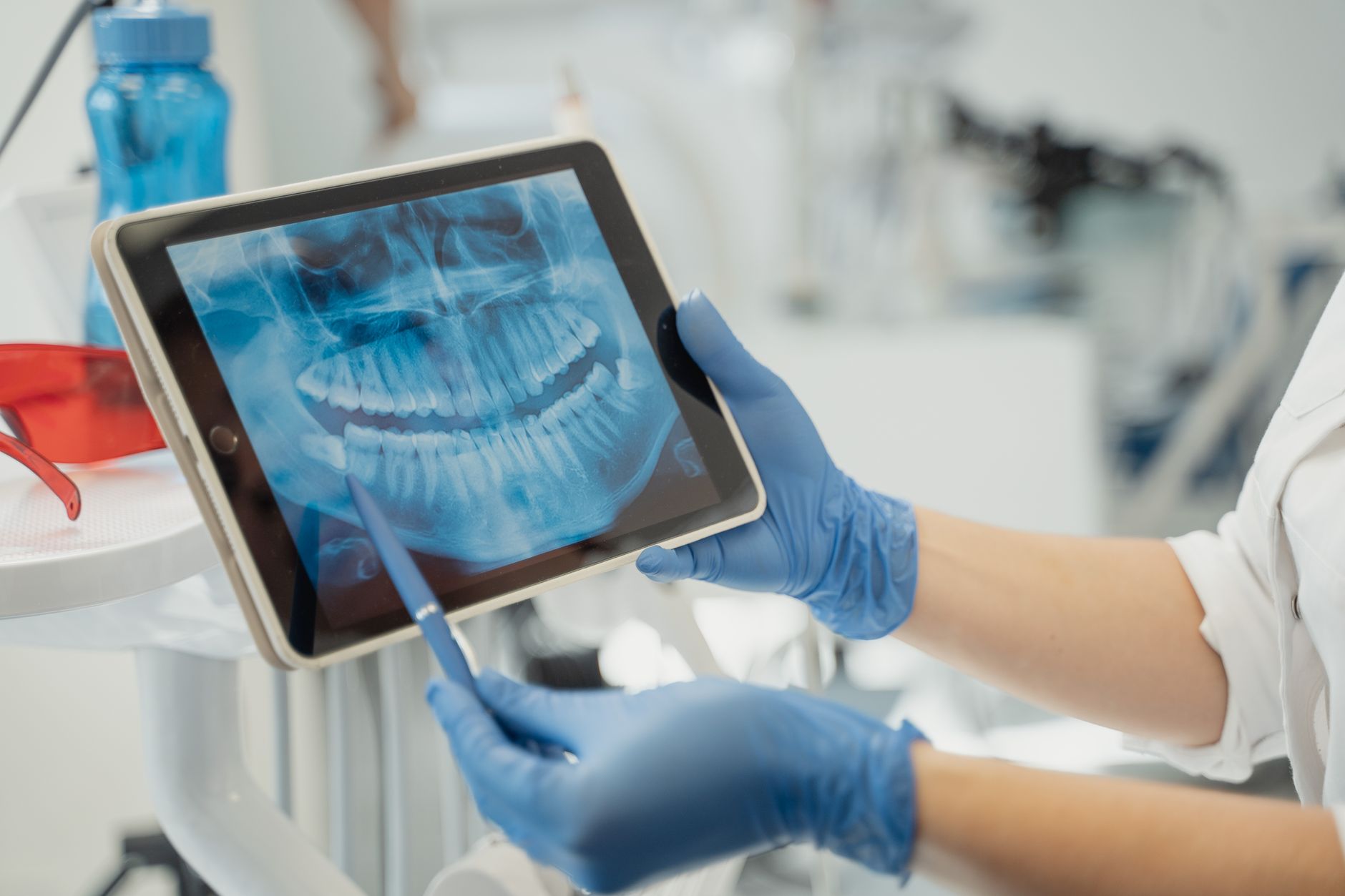
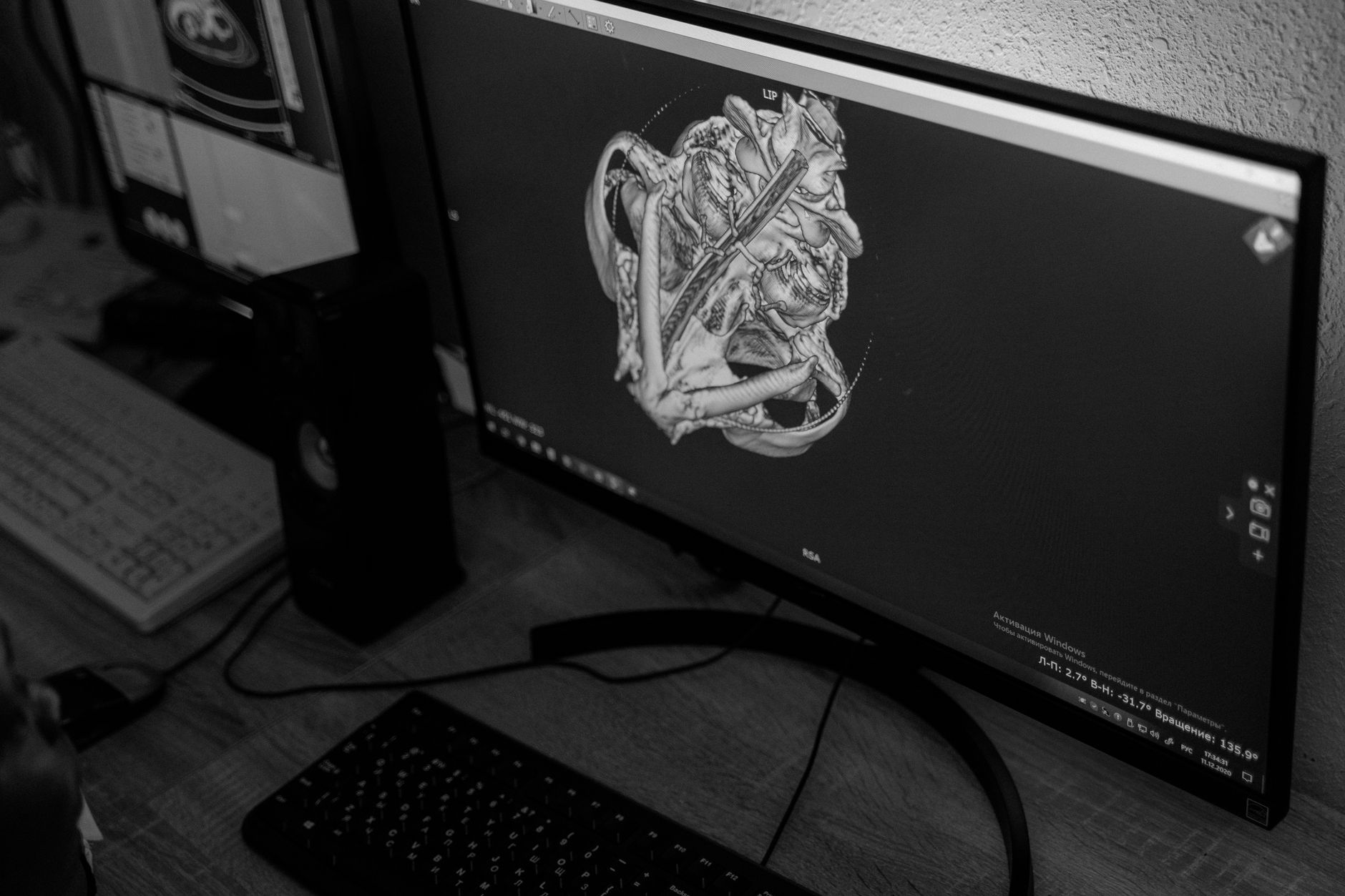
Under the new approach, a patient's first contact with a clinic typically involves a remote consultation supported by photographs, video calls and, where appropriate, records shared by the patient's local dentist. Clinics then use intraoral scanners and 3D imaging to build a digital model of the mouth, which replaces traditional impression materials for many procedures.
Digital smile design software allows clinicians and patients to review proposed outcomes together before treatment begins. Computer-guided planning is then used to prepare implants, crowns and other restorations with a level of precision that is difficult to achieve with conventional methods alone.
The standards also cover documentation, communication and follow-up, ensuring that records travel with the patient and that the treating team can coordinate with the patient's home dentist after they return.
Fewer Visits and More Predictable Timelines
One of the most tangible benefits for overseas patients is a reduction in the number of in-clinic appointments. Because planning, scanning and design work can be completed remotely or during a single consolidated session, many treatment plans that once required multiple trips can now be completed within a shorter stay.
Predictability is equally important. Digital planning gives patients a clearer picture of how many days their treatment will take, what stages are involved and when they can expect to travel home. Clinics can share a treatment calendar in advance, allowing travellers to book flights and accommodation with greater confidence.
For complex cases such as full-arch restorations or multiple implants, the workflow allows laboratories to prepare restorations in parallel with clinical work, further compressing timelines without compromising quality.
Precision That Patients Can See
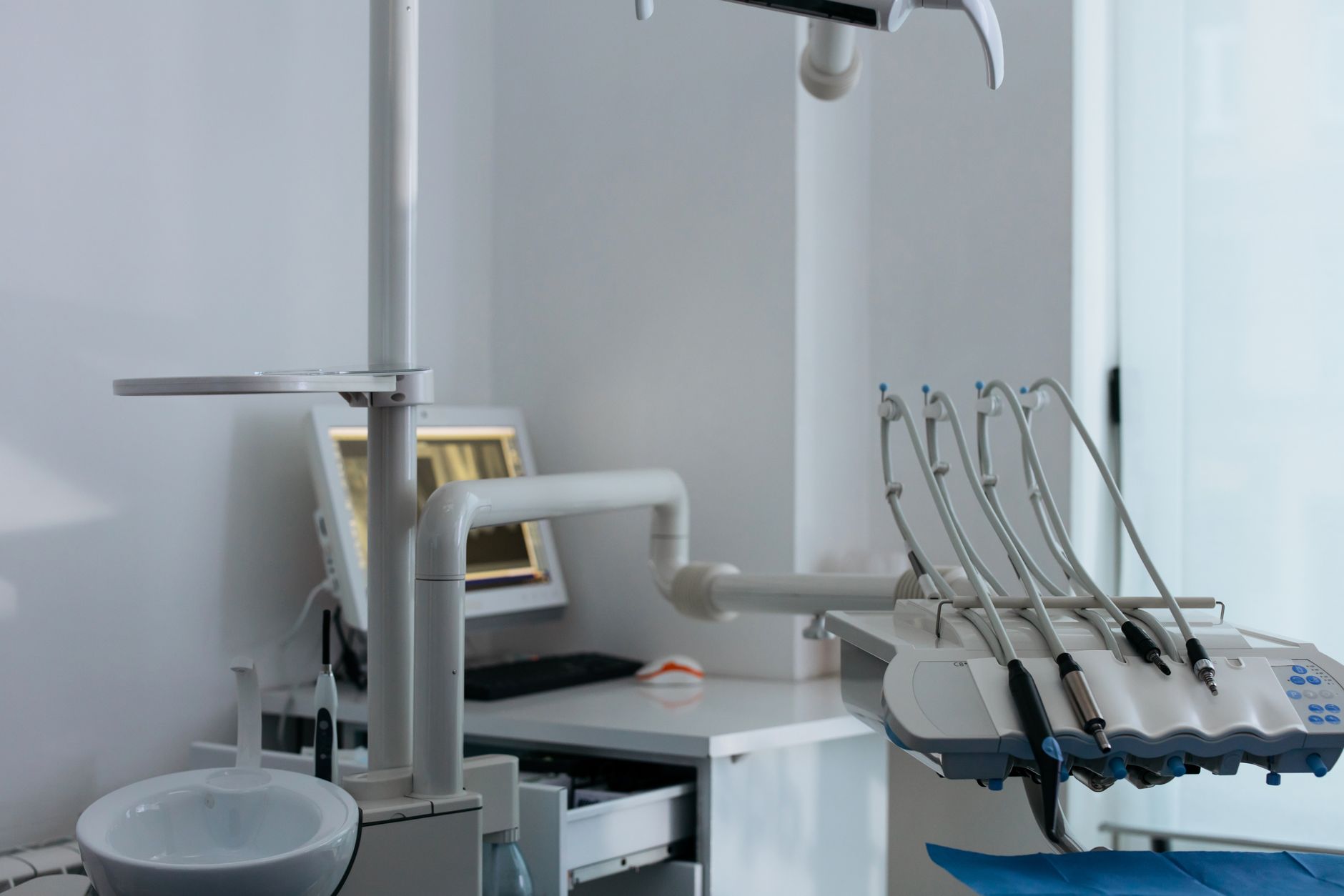
Digital workflows are not only about speed. Intraoral scanners capture details that traditional impressions can miss, and computer-guided placement helps ensure that implants and restorations fit as planned. This precision can translate into fewer adjustments, greater comfort and more durable results.
Patients also benefit from visual communication. Seeing a digital preview of a proposed smile design before treatment begins helps set realistic expectations and supports informed decision-making, an important consideration for anyone travelling abroad for care.
Turkish clinics have invested heavily in scanner technology, in-house laboratories and trained digital dentistry teams, positioning the country as a leader in adopting these methods at scale.
Türkiye's Innovation Ecosystem in Dental Care
The adoption of shared workflow standards reflects the wider innovation culture within Türkiye's dental sector. Clinics in Istanbul, Antalya and Izmir have increasingly combined advanced technology with multilingual patient support, transparent pricing and coordinated travel logistics.
Professional organisations and clinic networks have supported the transition by developing training programmes and quality guidelines, helping ensure that digital tools are used consistently across practices that serve international patients.
This combination of clinical investment and patient-centred service design is a key reason Türkiye remains one of the world's most visited destinations for dental treatment.

What Dental Tourists Should Expect
Patients considering treatment in Türkiye can expect clinics to request records in advance, offer a remote consultation and provide a digital treatment plan before confirming travel. It is worth asking whether a clinic uses intraoral scanning, how many visits the plan requires and what follow-up support is available after returning home.
The new standards aim to make these questions easier to answer. By aligning processes across clinics, they give international patients a clearer, more comparable picture of what treatment in Türkiye involves.
For those planning dental care abroad, the message is one of confidence: Türkiye's clinics are continuing to raise the bar on precision, efficiency and predictability, making the journey from consultation to confident smile smoother than ever.
Thinking about treatment in Turkey?
Send us a question about this site or about the information published on it. This is a publisher's mailbox, not a medical service and not a route to a particular provider — for clinical questions, contact your own doctor.