

Why Türkiye Has Become a Dermatology Destination
Over the past two decades, Türkiye has quietly built one of the most sophisticated dermatology sectors in Europe and the wider region. From university hospitals in Ankara to private skin institutes along the Bosphorus, Turkish clinics now combine high-volume clinical experience with the latest diagnostic technology — and international patients are taking notice.
The appeal is not only about affordability, though treatment costs are often significantly lower than in Western Europe or North America. What truly sets Turkish dermatology apart is the depth of the assessment process. Consultations are long, imaging is thorough, and surgical teams are accustomed to complex, international case loads.
Whether you are worried about a changing mole, seeking Mohs micrographic surgery for a facial skin cancer, or simply want expert guidance on aesthetic skin health, Türkiye's clinics are increasingly framed as thorough and reassuring places to start.
Advanced Screening Tools: Digital Dermoscopy and Mole Mapping
Skin cancer outcomes depend heavily on early detection, and Turkish dermatology clinics have invested seriously in screening infrastructure. Digital dermoscopy — high-magnification imaging of pigmented lesions — is standard in most accredited centres, allowing dermatologists to see structures far below the skin surface that the naked eye cannot detect.
Full-body mole mapping takes this a step further. Using specialised cameras, clinics create a photographic baseline of your entire skin surface, with each mole documented and measured. On follow-up visits, software overlays new images against the baseline to flag even subtle changes in size, shape or colour. This is particularly valuable for patients with many moles, a family history of melanoma, or years of sun exposure.
Many Turkish clinics also use sequential digital dermoscopy, in which suspicious lesions are imaged repeatedly over weeks or months to detect evolution. Some centres supplement this with reflectance confocal microscopy, a non-invasive technique that visualises cellular-level structures in real time and can reduce unnecessary biopsies.
For international patients, this means arriving with a clear, documented picture of your skin health — not just a quick visual check.
Mohs Micrographic Surgery: Precision for Skin Cancer
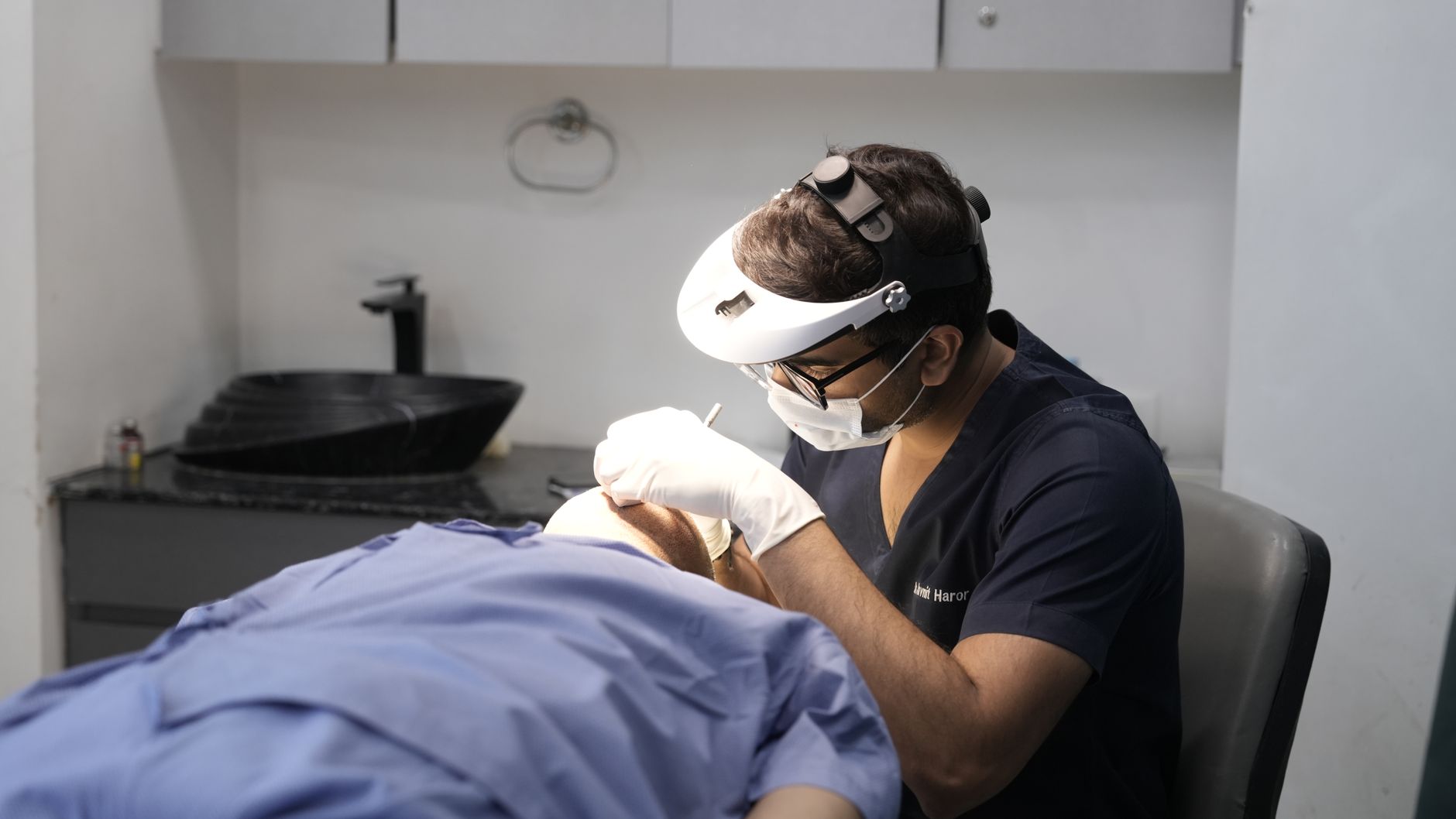
For basal cell carcinoma, squamous cell carcinoma and certain melanomas — especially on the face, ears, nose and lips — Mohs micrographic surgery is the gold standard. The technique removes cancer layer by layer, examining 100% of the tissue margins under a microscope during the procedure itself.
Turkish surgical dermatology teams perform high volumes of Mohs procedures, often in dedicated units with on-site histopathology laboratories. This setup matters: the surgeon can confirm clear margins before closing the wound, meaning same-day completion in most cases and the smallest possible defect.
The aesthetic result is a major advantage. Because Mohs preserves healthy tissue, reconstruction is often simpler and scarring is minimised — a critical consideration on visible areas. Many clinics pair the procedure with plastic surgery or oculoplastic colleagues for complex reconstructions, ensuring both oncological safety and cosmetic quality.
International patients typically undergo a thorough pre-operative assessment, including biopsy review and imaging where needed, followed by clear written aftercare guidance covering wound care, sun protection and follow-up scheduling.
Aesthetic Skin Health: Beyond Skin Cancer
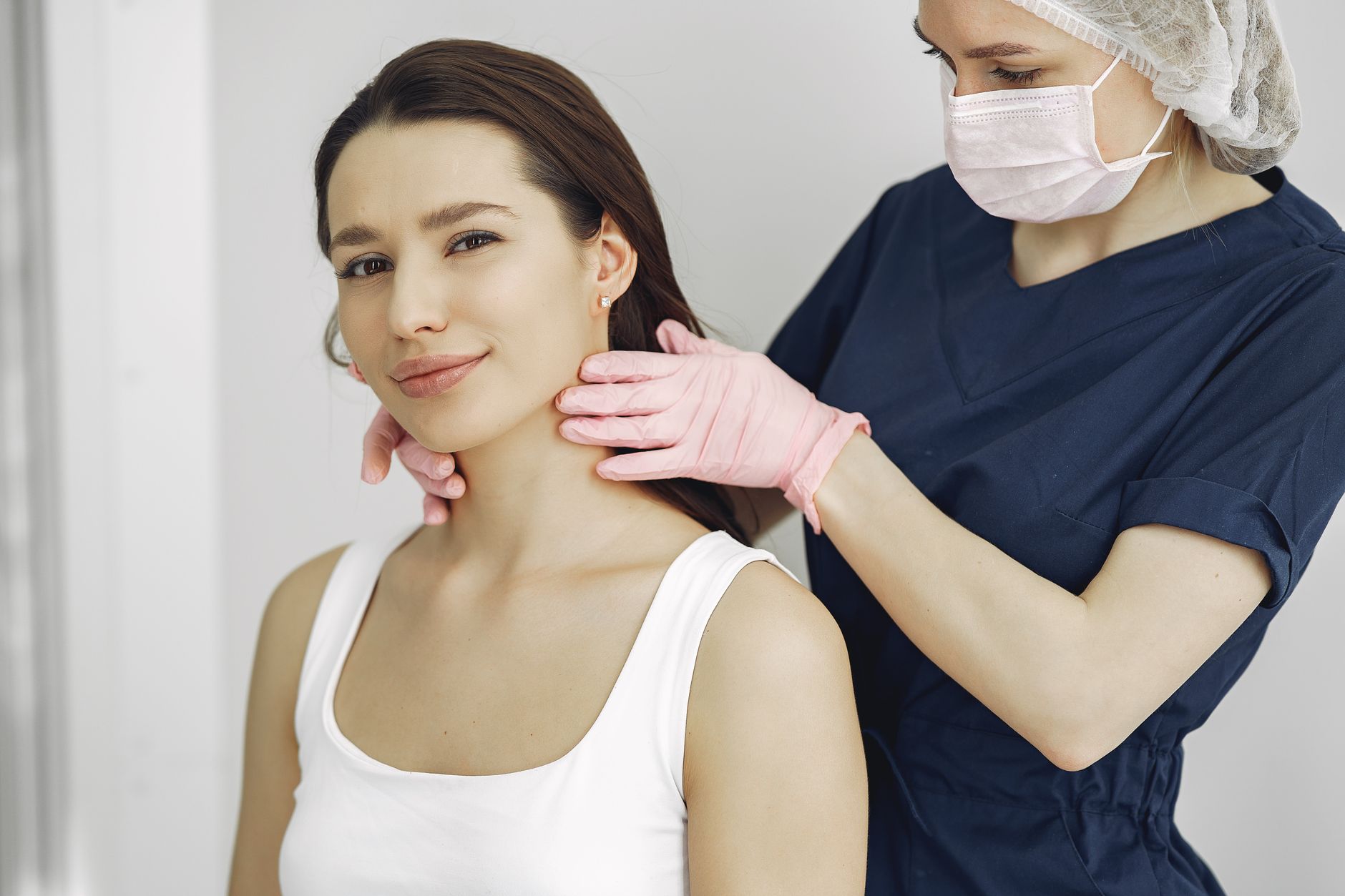
Türkiye's dermatology clinics are equally strong in medical aesthetics. Treatments range from laser resurfacing, pigmentation correction and acne scar revision to botulinum toxin, dermal fillers, thread lifts and advanced chemical peels. The emphasis is on medical supervision: procedures are performed by dermatologists rather than technicians, with skin analysis guiding the plan.
Chronic skin conditions — acne, rosacea, eczema, psoriasis and vitiligo — are also a core focus. Clinics offer phototherapy, biologics and personalised topical regimens, often with structured follow-up programmes for patients who travel home between visits.
Many centres combine aesthetic and oncological expertise, which is reassuring: the same team that screens your moles can advise on sun-safe rejuvenation, scar management and skin barrier health.
What International Patients Can Expect
The patient journey in a Turkish dermatology clinic is typically structured and transparent. Most international departments offer pre-arrival consultations via secure messaging, with medical records and photographs reviewed in advance. On arrival, you can expect a comprehensive skin examination, digital imaging, and a written treatment plan with clear pricing.
Language support is common, with English-speaking coordinators and translated consent forms. Appointments are usually longer than in many Western systems, allowing time for questions — a detail patients frequently highlight in reviews.
Aftercare is taken seriously. Clinics provide detailed written instructions, direct contact lines for post-procedure questions, and, where relevant, coordination with your home physician. Follow-up photographs and virtual check-ins are increasingly standard.
Planning Your Visit: Practical Tips
Istanbul is the most common entry point, with direct flights from across Europe, the Middle East, Asia and North America. Many clinics are located in districts such as Nişantaşı, Levent and Kadıköy, close to hotels and public transport. Ankara and İzmir also host excellent university-affiliated dermatology departments.
Plan for a consultation day plus procedure days if surgery is involved; Mohs typically requires one to two days on site, with a follow-up before departure. Bring previous biopsy reports, imaging and a list of medications. Avoid sun exposure before mole mapping, and pause self-tanners for two weeks.
Finally, build in recovery time. Most patients combine treatment with a few quiet days in the city — and leave with a documented skin baseline, a clear plan, and the reassurance that their care has been thorough from screening to aftercare.
Thinking about treatment in Turkey?
Send us a question about this site or about the information published on it. This is a publisher's mailbox, not a medical service and not a route to a particular provider — for clinical questions, contact your own doctor.