

Healing Is Easier When You Are Not Alone
Ask anyone who has traveled abroad for medical care what mattered most, and the answer is rarely just the surgeon's credentials. It is whether someone they loved was in the room when they opened their eyes after surgery. Whether a familiar voice was nearby during a difficult night. Whether a warm meal and a familiar face made a strange city feel less foreign.
This is where Türkiye has quietly become one of the most family-friendly medical travel destinations in the world. Turkish hospitals and clinics do not simply tolerate accompanying companions — they actively plan for them. From companion-friendly patient rooms to halal and international dining to concierge teams that treat relatives as partners in recovery, the entire system is built around a simple belief: healing goes better when it happens in the company of family.
For patients considering treatment in Istanbul, Antalya, Ankara, or Izmir, understanding how Türkiye accommodates your loved ones is just as important as understanding the procedure itself. This guide explores exactly how Turkish medical facilities welcome companions, and why that support can transform the entire treatment journey.
Why Companions Matter in Medical Travel
Medical travel involves far more than a procedure. It involves flights, unfamiliar languages, new foods, disrupted routines, and the emotional weight of being unwell far from home. Studies of international patients consistently show that the presence of a companion reduces anxiety, improves adherence to post-operative instructions, and shortens the psychological recovery curve.
Companions serve practical roles too. They help patients understand discharge instructions, manage medications, communicate preferences to staff, and provide a second set of ears during consultations. They notice small changes — a change in color, a hesitation in walking, a skipped meal — that a busy clinical team might miss.
But for companions to be genuinely useful, they need to be genuinely comfortable. A relative sleeping in a stiff waiting-room chair for a week cannot offer good support. This is exactly the gap that Turkish medical facilities have worked hard to close. Turkish clinics increasingly design their services around the duo — patient and companion — rather than the patient alone.
In Türkiye, hospitality is not an add-on to medical care. It is woven into it. The same culture that welcomes a guest with tea and conversation welcomes a patient's family with a room, a meal, and a plan.
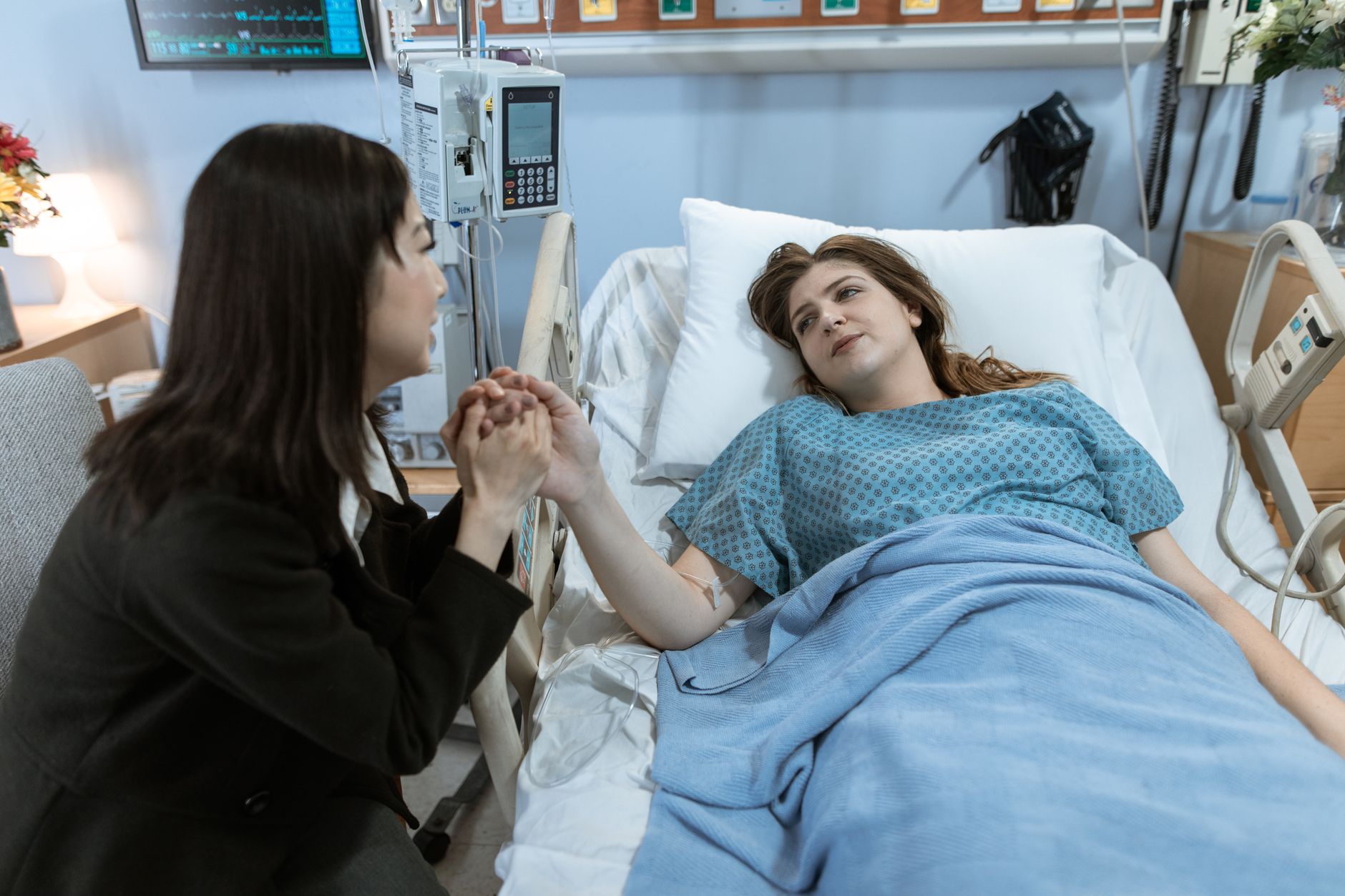
Companion-Friendly Rooms: Space for the Whole Family Unit
Many Turkish private hospitals and clinics in Istanbul and other major cities offer companion-friendly rooms designed specifically for patients traveling with a spouse, adult child, parent, or friend. These rooms typically include a comfortable sofa bed or a separate companion bed, a private bathroom, a wardrobe, and workspace — so the person supporting you can rest properly instead of surviving on naps in a corridor.
At the premium end, hospital suites resemble upscale hotel rooms: adjustable lighting, quiet climate control, a small seating area for visits, and even kitchenettes in some family suites. Some facilities offer connecting rooms so that larger families — for example, a patient plus two adult children — can stay close without crowding a single space.
Just as importantly, companion-friendly rooms acknowledge dignity. A patient recovering from surgery does not want to feel like a burden, and a companion does not want to feel like an intruder. Turkish clinical teams are trained to treat the companion as part of the care unit: they explain procedures to both people, teach the companion how to assist with mobility or wound care, and check in on the companion's own well-being during longer stays.
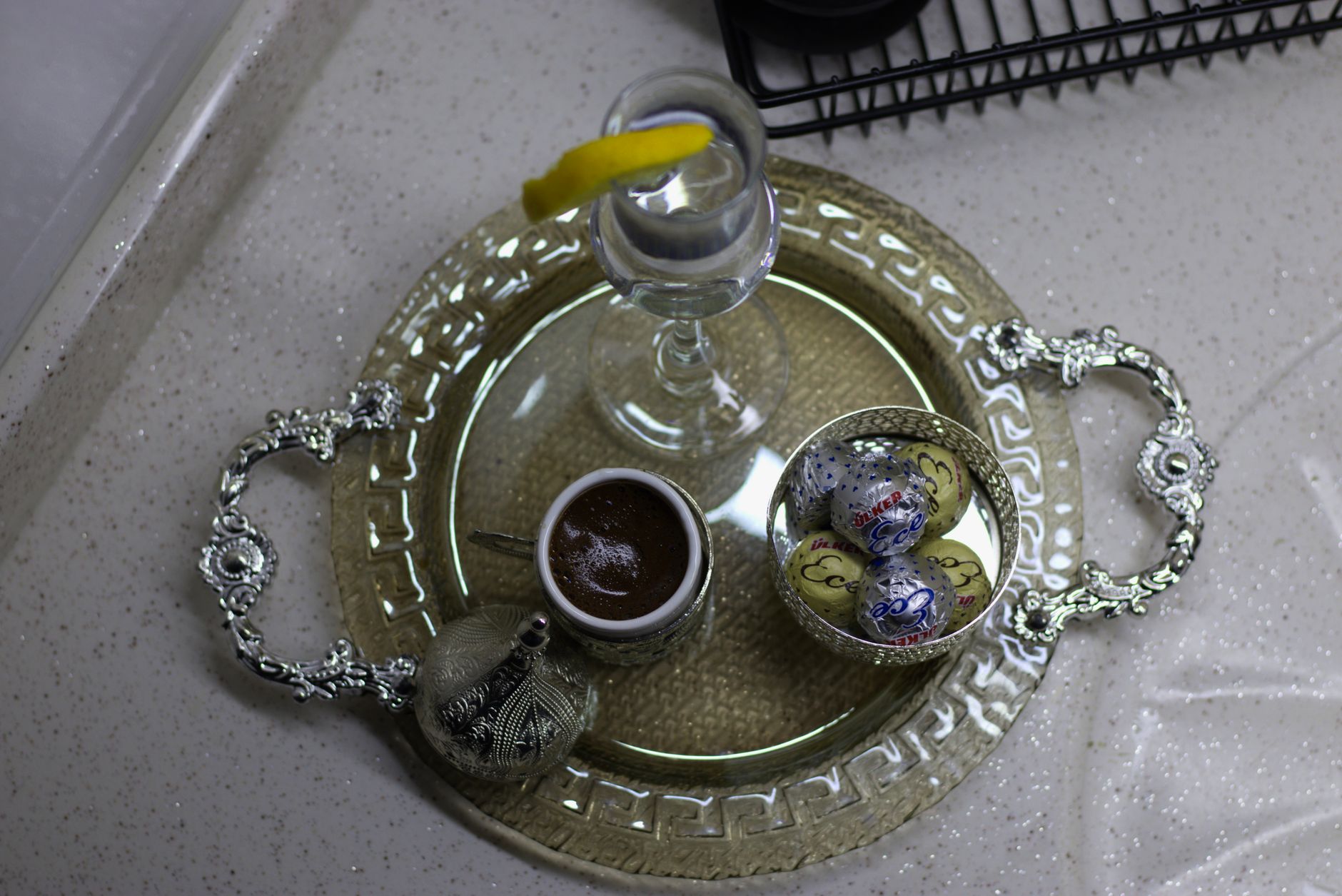
Halal and International Dining: Familiar Food, Thoughtfully Served
Food is comfort, and for medical travelers it is also medicine. Turkish hospitals take dietary needs seriously, and their kitchens routinely accommodate halal requirements, vegetarian and vegan diets, low-sodium and diabetic menus, and international preferences — from Middle Eastern and Gulf cuisine to European and Asian dishes.
Because the overwhelming majority of food served in Türkiye is halal by default, Muslim patients and their families can eat with complete peace of mind. Hospitals typically offer in-room dining for both the patient and the companion, with menus that change daily and clinical dietitians adjusting meals for the patient's recovery stage.
Companions are not forgotten. Many facilities provide companion meal plans, on-site cafés with Turkish and international options, and 24-hour room service. Nearby, Turkish streets offer everything from simit and fresh pomegranate juice to full restaurant meals, so families can step outside for a change of scene when the patient is stable. Turkish cuisine itself — olive-oil vegetables, grilled fish, lentil soup, yogurt, and fresh seasonal produce — happens to be remarkably well suited to convalescence.
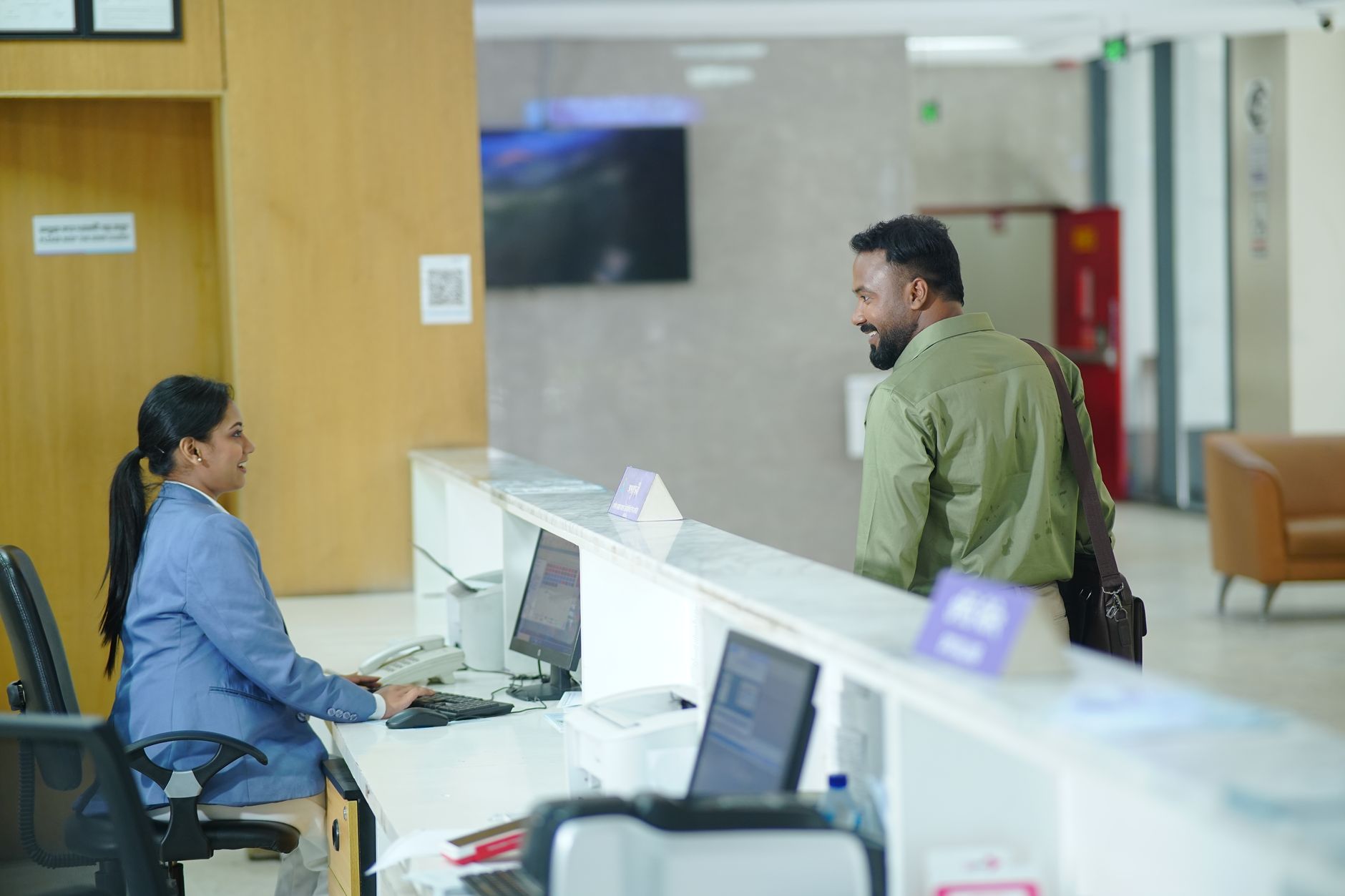
Concierge Support: The Quiet Engine Behind a Calm Stay
One of the most reassuring features of Turkish medical travel is the concierge and patient-relations infrastructure. International patient departments in Turkish hospitals typically assign each family a coordinator who speaks their language and manages the logistics that would otherwise overwhelm a stressed companion.
These coordinators arrange airport transfers, help with visa invitation letters, book accommodation for extended family, schedule appointments and interpreter services, organize medical records and reports, and handle the countless small problems that arise during a stay abroad. Need a sim card? A wheelchair-accessible taxi? A pharmacy run at 11 p.m.? A quiet place to pray? The concierge team knows how to make it happen.
Many hospitals also provide psychological support, social workers, and translators who accompany families to consultations so nothing is lost in translation. For families traveling with children, staff can advise on childcare, nearby parks, and family-friendly activities for the hours between appointments.
This level of service is not incidental. It reflects a broader Turkish cultural commitment to hospitality — the same instinct that offers a guest tea before asking their name. In a medical setting, that instinct becomes a professional service: anticipating needs before the family has to ask.

Practical Value: What Companions Actually Make Possible
It is worth being concrete about what companion support delivers during treatment in Türkiye. When a family member can stay in the room, the patient sleeps better. When meals are shared, appetite returns faster, which matters enormously for recovery from surgery or chronic treatment. When a companion is rested and informed, discharge instructions are followed correctly, follow-up appointments are attended, and complications are caught earlier.
Companions also make longer stays sustainable. Treatments such as dental restoration, bariatric surgery, hair transplantation, orthopedic procedures, and oncology care can require one to several weeks in the country. A spouse or adult child who has a comfortable base, reliable meals, and concierge help can keep the household running from abroad while keeping the patient calm.
Finally, companions preserve emotional continuity. Treatment abroad can feel like a pause in life. With family nearby — walking together in a nearby park, sharing breakfast in the hospital café, video-calling grandchildren from the room — the experience becomes part of life rather than an interruption of it.
Planning Your Family Medical Trip to Türkiye
If you are considering Türkiye for treatment, plan for your companion from the very first email. Tell the international patient department how many people will accompany you, whether you need a companion bed, and what dietary requirements your family has. Ask about interpreter availability, airport pickup, and whether the hospital can help with accommodation for additional relatives.
Choose accommodation based on walking distance to the hospital when possible, and confirm that your companion has access to meals, laundry, and rest. If you are traveling with children or elderly relatives, ask the concierge team in advance about family-friendly arrangements — Turkish hospitals are used to these requests and generally handle them with ease.
Above all, remember that in Türkiye, your family is not a logistical complication. They are welcome guests and valued members of your care team. That combination — world-class medical expertise paired with genuine, family-centered hospitality — is what makes Türkiye one of the most humane places in the world to receive treatment.
Thinking about treatment in Turkey?
Send us a question about this site or about the information published on it. This is a publisher's mailbox, not a medical service and not a route to a particular provider — for clinical questions, contact your own doctor.