

Why Türkiye Has Become a Destination for Digestive Health Check-Ups
Türkiye has quietly become one of the most trusted places in the world for medical check-ups — and gastroenterology is a big part of that story. Cities like Istanbul, Ankara and Izmir are home to modern, JCI-accredited hospitals with dedicated endoscopy units, digital imaging suites and laboratories that run around the clock. For visitors, this means a health screening doesn't have to disrupt a holiday; it can be planned around it.
The appeal is simple. Appointments are usually available within days rather than months, English-speaking coordinators guide you through every step, and the combination of well-equipped facilities and experienced gastroenterologists makes the process smooth and reassuring. Many international patients combine a gastroscopy or colonoscopy screening with a few days of sightseeing, turning a routine health check into a productive city break.
Another factor is value. Even when you account for flights and a hotel stay, a comprehensive digestive health package in Türkiye is often very competitive compared with private screening packages in Western Europe or North America. Transparency matters too: reputable hospitals quote package prices up front, so you know what's included before you book.
What a Digestive Health Package Can Include
Digestive health packages vary by hospital and by your medical history, but most are built around a core set of consultations and tests. A typical starting point is a gastroenterology consultation, where a specialist reviews your symptoms, family history and previous reports. From there, the package is tailored.
Common components include:
- Specialist consultation with a gastroenterologist, plus an anaesthesiology assessment before any sedation.
- Upper endoscopy (gastroscopy) to examine the oesophagus, stomach and duodenum — useful for reflux, ulcers, Helicobacter pylori testing and coeliac screening.
- Colonoscopy for colorectal cancer screening, polyp removal and investigation of bowel symptoms.
- Abdominal ultrasound and, where indicated, liver or elastography scans.
- Laboratory panels covering liver and kidney function, full blood count, coeliac markers, thyroid tests and stool analysis.
- Breath tests for H. pylori or lactose intolerance, and food-intolerance panels on request.
- Follow-up consultation to explain findings and agree on a treatment or monitoring plan.
Some hospitals offer separate men's, women's and over-50 screening packages, while others create fully bespoke programmes. If you have a family history of colon cancer, coeliac disease or inflammatory bowel disease, tell the coordinator in advance so the package can include the right tests.
It's worth noting that not every test is necessary for every visitor. A good gastroenterology team will recommend only what is clinically justified — this is the mark of a quality programme.
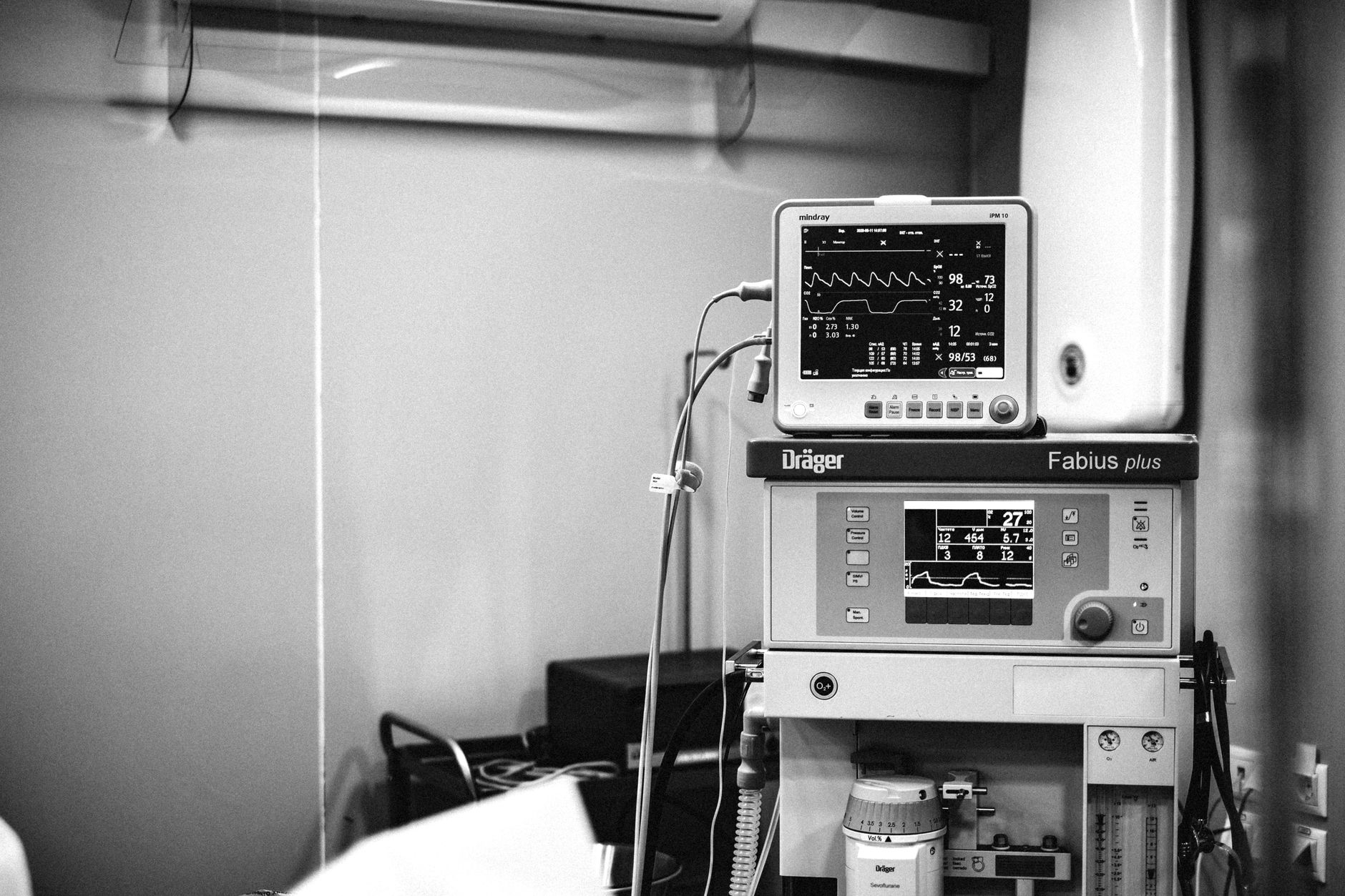
Modern Endoscopy Units and Experienced Gastroenterologists
Türkiye's leading hospitals invest heavily in their endoscopy suites. Expect high-definition video endoscopes, narrow-band imaging for better detection of subtle lesions, carbon-dioxide insufflation for greater comfort after colonoscopy and strict single-use instrument protocols. Dedicated recovery areas and monitoring equipment mean sedation is managed safely from start to finish.
Behind the technology are experienced gastroenterologists, many of whom have trained or worked abroad and are fluent in English. They are used to international patients and understand the concerns that come with having a procedure away from home. Don't hesitate to ask about their experience with your specific symptoms, or to request a second opinion on previous reports.
Hygiene and accreditation are taken seriously. JCI-accredited hospitals follow international infection-control standards, and you can ask to see documentation or read accreditation certificates before booking. For many visitors, this combination of modern equipment and clear protocols is what turns a medical errand into a genuinely reassuring experience.
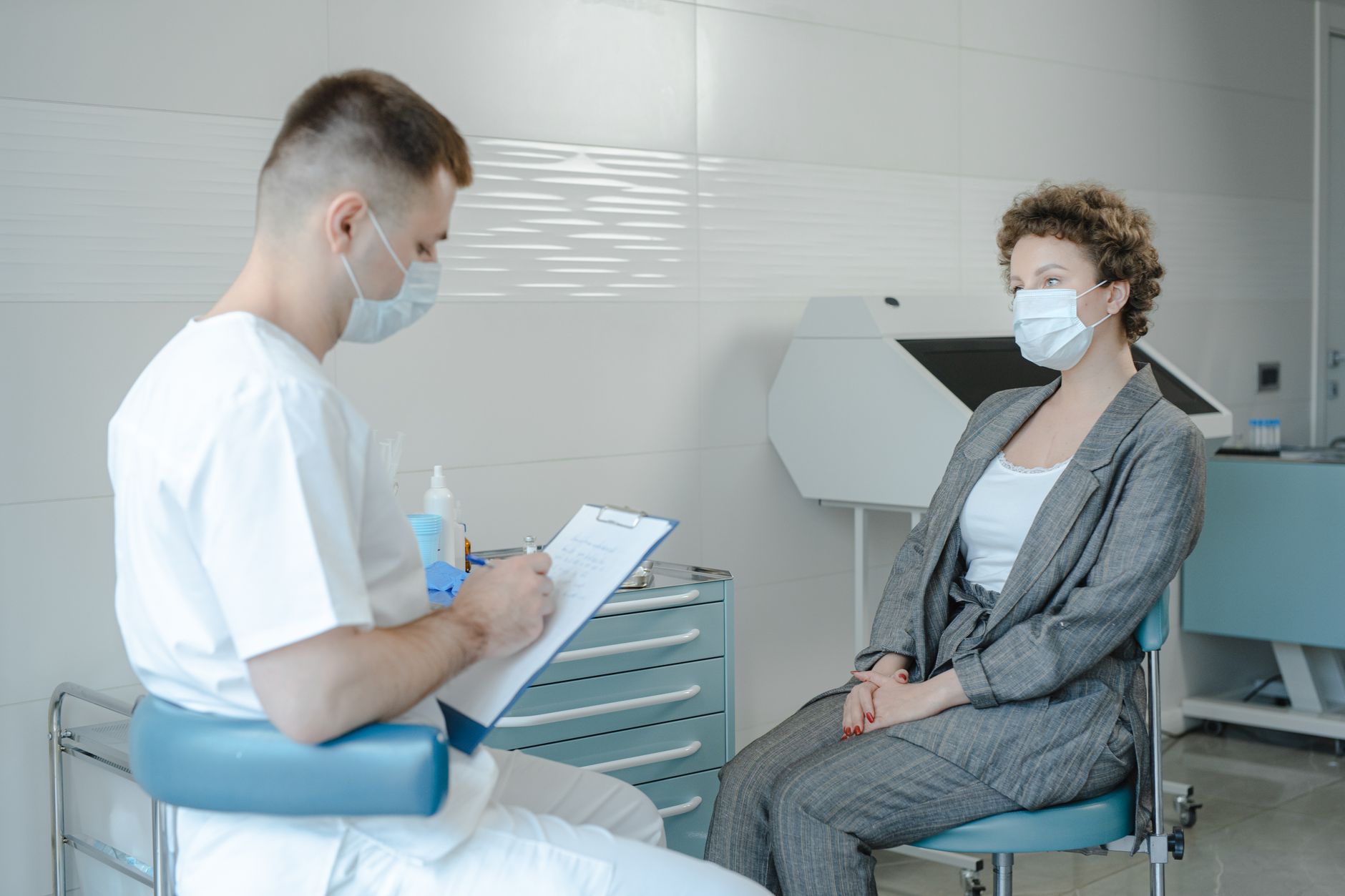
Efficient Same-Day Screening: What to Expect
One of the biggest practical advantages of screening in Türkiye is speed. Many hospitals offer same-day or next-day endoscopy, provided you have completed the necessary preparation. A typical schedule for an upper endoscopy looks like this: arrive in the morning for admission and paperwork, meet your gastroenterologist and anaesthesiologist, undergo the procedure in a dedicated suite, rest in recovery for an hour or two, then speak with your doctor before discharge — often by early afternoon.
Colonoscopy requires more preparation. You'll receive a clear bowel-preparation schedule, usually starting the day before with a low-fibre diet and a split-dose laxative. Many hospitals use low-volume preparations and provide detailed, translated instructions so nothing is lost in communication. If you are travelling, aim to schedule the colonoscopy early in your trip so you have time for results and any follow-up before flying home.
Most screening packages are completed over one to two days, including consultations, procedures and lab work. Reports are typically ready within 24 to 72 hours — and for endoscopy with biopsy, histopathology results may take a few days longer. Coordinators can send digital copies to you and your home doctor.

Sedation, Safety and Comfort for International Patients
If the idea of sedation in a foreign country worries you, you're not alone — but the process is well established. Most gastroscopies and colonoscopies in Türkiye are performed under sedation or monitored anaesthesia care, administered by anaesthesiologists or trained sedation nurses. You'll be assessed beforehand for allergies, medications and conditions such as sleep apnoea, and monitored throughout.
What you should know:
- You cannot drive after sedation. Arrange a taxi, hospital transfer or hotel shuttle — many packages include this.
- Bring a companion if possible, especially if you have limited English or prefer extra support.
- Fast as instructed. For gastroscopy, this usually means no food for six to eight hours and no clear fluids for two hours beforehand.
- Share your medication list, particularly blood thinners, diabetes medication and any supplements. Your gastroenterologist will advise on adjustments.
- Mention pregnancy or breastfeeding, as this affects sedation and imaging choices.
Recovery areas are comfortable and staffed by nurses who monitor you until you're ready to leave. You'll receive written aftercare instructions in English, including what to eat, what symptoms to watch for and who to call if something feels wrong.
Results, Reports and Follow-Up After You Fly Home
Getting your results shouldn't end when you leave the country. Reputable hospitals provide a written endoscopy report, often with images, in English, along with pathology results when biopsies are taken. Digital copies can be emailed to you and to your GP or specialist at home, ensuring continuity of care.
A follow-up consultation — in person or by video — is usually included or available for a modest fee. Your gastroenterologist will explain findings in plain language, recommend treatment for conditions such as reflux, gastritis, H. pylori infection or polyps, and advise on when your next screening is due. If further treatment is needed, the coordinator can discuss options, timelines and costs before you commit to anything.
Keep copies of all reports, images and pathology results in your own records. If you are due for a repeat colonoscopy, note the interval your doctor recommends so your next check-up is timed correctly — wherever in the world you choose to have it.
Planning Your Medical Visit Around a Türkiye Trip
Combining a health check with travel is easier than it sounds. Choose a hospital near your hotel, allow at least three to four days between your procedure and your flight home, and keep the first day or two after sedation light. Istanbul's hospitals are well connected to the airport and central districts, making it simple to pair an endoscopy appointment with a Bosphorus ferry ride or a walk through Sultanahmet once you've recovered.
Book your package several weeks ahead, send any previous medical reports in advance and confirm what's included: consultations, procedures, lab tests, sedation, transfers and follow-up. Ask about interpreter services and payment methods, and check whether your insurance offers any reimbursement for overseas screening.
Above all, treat this as an investment in your long-term health. With modern endoscopy units, experienced gastroenterologists and efficient same-day screening, Türkiye makes it straightforward to look after your digestive health — while still enjoying everything the country has to offer.
Thinking about treatment in Turkey?
Send us a question about this site or about the information published on it. This is a publisher's mailbox, not a medical service and not a route to a particular provider — for clinical questions, contact your own doctor.