

When a family notices the same cancer appearing across generations — a grandmother, an aunt, a cousin — the questions pile up faster than the answers. Is it chance? Is it inherited? And if there is a risk, what can be done about it? Türkiye has become a quietly impressive destination for families seeking those answers, pairing accredited molecular laboratories with genetic counselling teams who are experienced in guiding international patients through the science and the emotions alike.
What makes the Turkish pathway distinctive is how accessible it is. Many families begin the entire process without leaving home: sharing a detailed family history, meeting a counsellor by video, and only then travelling to Istanbul for a straightforward sample collection. This article walks through that journey — not as a promise of certainty, but as a practical, empowering route toward informed decisions and proactive prevention.
Why Families Look Beyond Their Home Borders
Hereditary cancer testing is not simply a blood draw and a report. A meaningful result depends on careful pre-test counselling, a properly interpreted family tree, the right panel of genes, and a post-test conversation that turns laboratory language into a plan. In many countries, waiting lists for genetic counselling stretch for months, and the cost of comprehensive panels can be prohibitive, particularly when several relatives need testing.
Türkiye has invested steadily in this field. Major university hospitals and private genetics centres in Istanbul, Ankara and Izmir operate molecular laboratories with internationally recognised accreditation, and many counsellors work regularly with patients from the Balkans, the Middle East, Central Asia, North Africa and beyond. Multilingual support — frequently in English, Arabic, Russian and Persian — is increasingly standard rather than exceptional.
The appeal for international families is therefore threefold: shorter waiting times, transparent pricing for multi-gene panels, and counselling that treats the family rather than the individual as the unit of care. For a parent wondering whether to test a adult daughter, or siblings deciding whether to test together, that family-centred approach matters enormously.

Understanding BRCA and Other Hereditary Risks
BRCA1 and BRCA2 remain the best-known hereditary cancer genes, associated with elevated lifetime risks of breast and ovarian cancer, and with increased risk of prostate and pancreatic cancer in some families. But the landscape is far broader. Genes such as PALB2, CHEK2, ATM, TP53, PTEN, MLH1, MSH2 and APC each carry their own implications, and the panels offered by Turkish laboratories typically cover dozens of genes at once.
It is worth being clear about what a genetic result does and does not mean. A pathogenic variant does not guarantee that cancer will develop; it describes a probability that is higher than average. Equally, a negative result in a family where a variant has already been identified can be genuinely reassuring, while a negative result in a family with no known variant must be interpreted cautiously.
This is precisely where counselling earns its place. A counsellor explains inheritance patterns — autosomal dominant in most of these genes, meaning each child of a carrier has a 50 percent chance of inheriting the variant — and discusses what surveillance, risk-reducing measures or family planning options might follow. The aim is never fear. It is clarity, and the ability to act on it.
Knowledge about a hereditary risk is not a verdict. It is the moment a family gains the ability to plan, screen earlier, and make choices on its own terms.
The Remote-First Pathway: Step One, Your Family History
Every good genetic assessment begins with the family tree. Before any test is ordered, the clinic will ask you to gather information about relatives across at least three generations: who was diagnosed with which cancer, at what age, and on which side of the family. Details about Ashkenazi Jewish ancestry, consanguinity, or a pattern of early-onset disease can all influence which panel is appropriate.
In the Turkish remote-first model, this information is collected through a structured questionnaire, often supported by a secure patient portal. You do not need medical vocabulary — approximate ages and diagnoses are enough to start. If relatives have already had genetic testing abroad, sharing those reports can sharpen the picture considerably.
Many clinics assign a coordinator at this stage who speaks your language and can answer administrative questions while the clinical team reviews the intake. Families frequently tell us this early human contact is what turns an intimidating process into a manageable one.
Step Two: A Video Consultation With a Genetic Counsellor
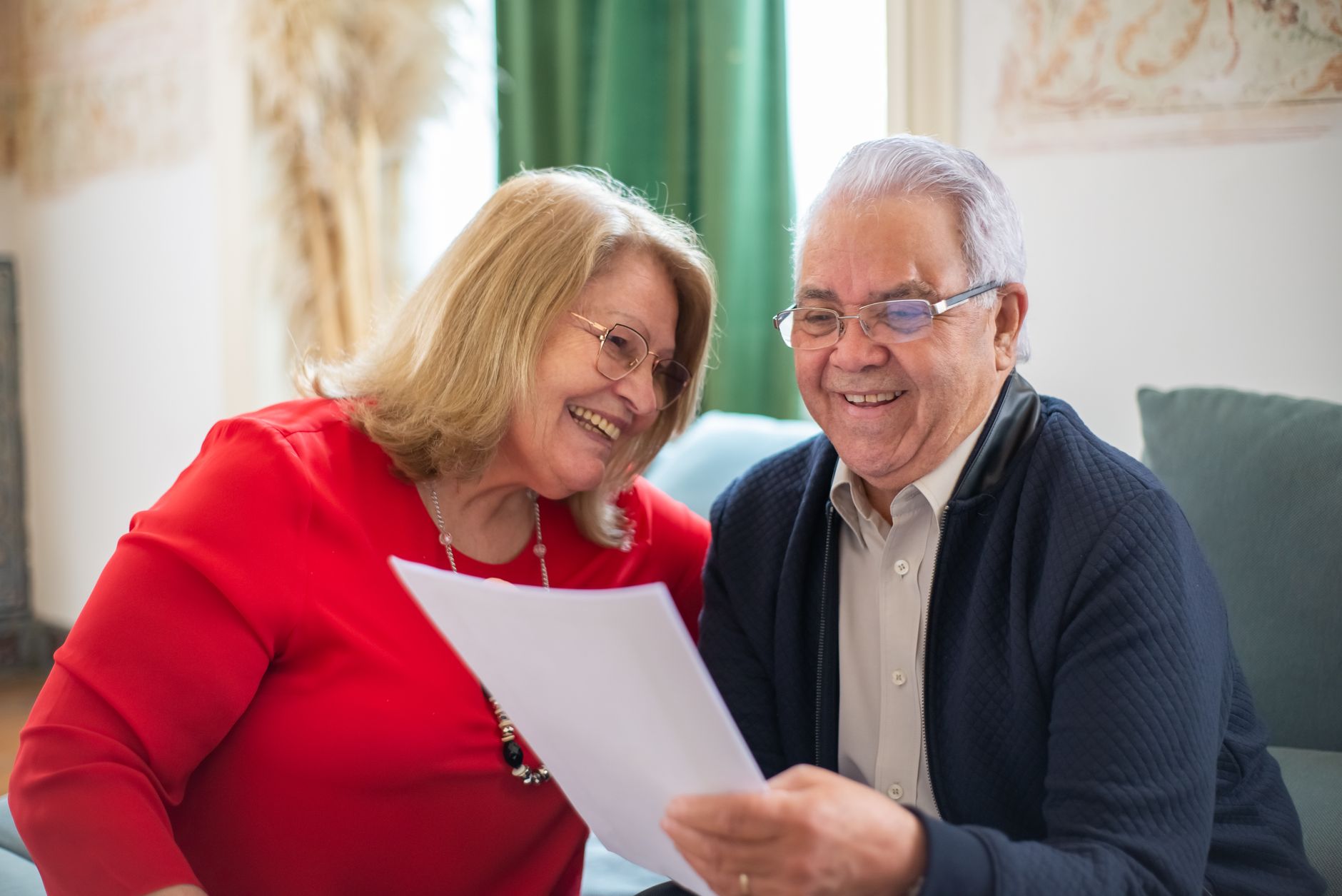
Once the family history is reviewed, a video consultation is scheduled with a certified genetic counsellor, usually within one to two weeks. This session — often 45 to 60 minutes — serves several purposes. The counsellor confirms the pedigree, discusses which genes should be analysed, explains the possible outcomes (positive, negative, or a variant of uncertain significance), and talks through the implications for relatives.
Consent is a central part of this conversation. Turkish practice follows international norms requiring informed consent before testing, including discussion of insurance considerations and data protection. Counsellors are accustomed to the questions international families actually ask: Will this affect my ability to obtain insurance at home? Should my children be tested? What happens if the result is ambiguous?
By the end of the call, most families have a written testing plan and a clear quotation. Some decide to proceed immediately; others take weeks to reflect and discuss with relatives. Both are entirely reasonable, and reputable clinics build that pause into their process rather than rushing it.

Step Three: Sample Collection in Istanbul
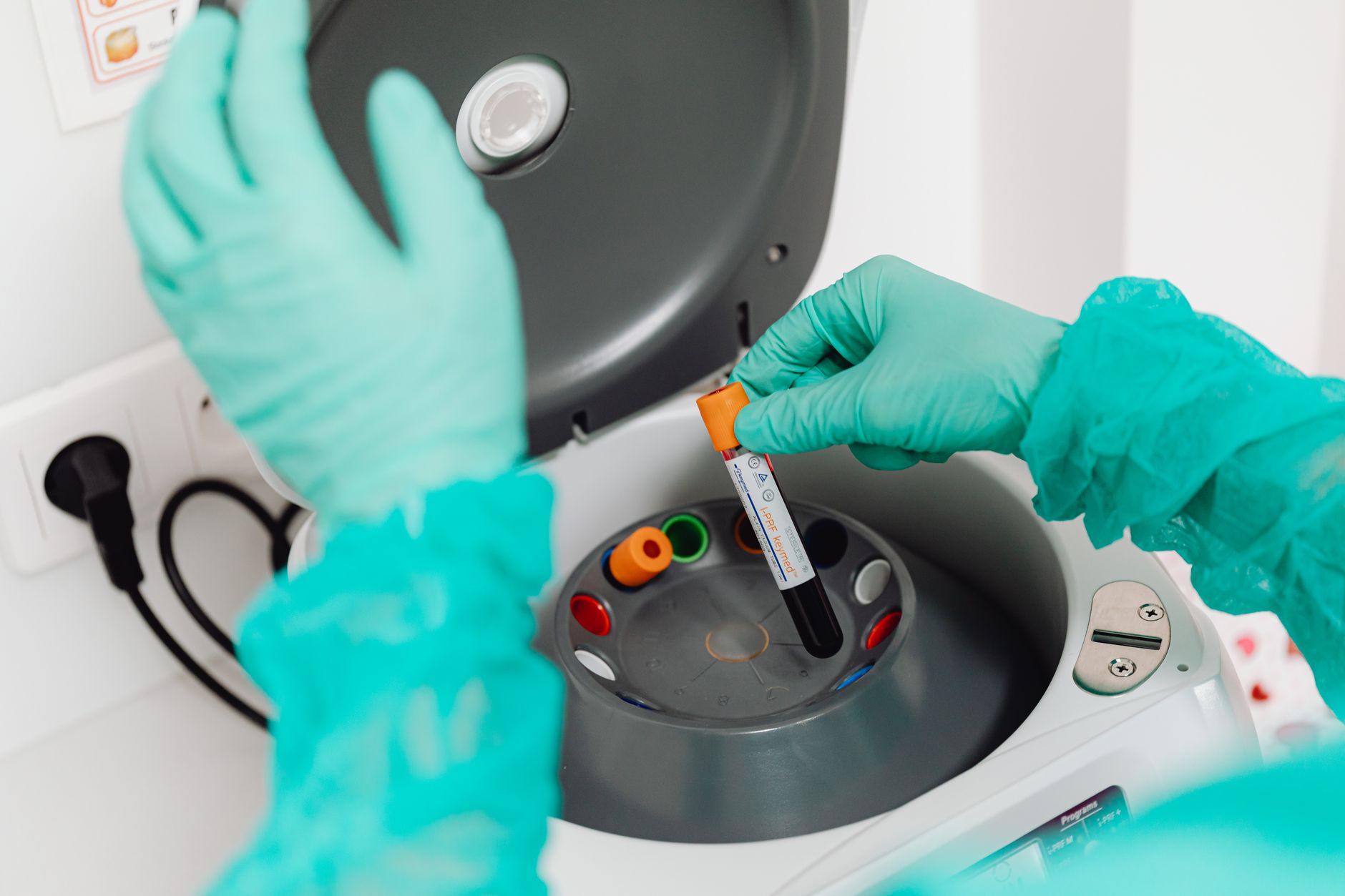
For those who proceed, the sampling itself is refreshingly simple. In the great majority of cases, a single blood draw — or, for some tests, a saliva sample — is all that is required. The visit to an accredited laboratory in Istanbul typically takes under an hour, and many clinics can arrange it at the start of a short trip so that the rest of the stay is free for the city.
Families often combine the appointment with a few days exploring Istanbul: the quiet courtyards of Sultanahmet, a ferry ride up the Bosphorus, a slow breakfast in Karaköy. There is something humane about pairing a serious medical errand with ordinary family time, and many patients describe the trip as unexpectedly calming.
Turnaround times vary by panel size, typically ranging from two to five weeks. Results are released through a secure channel, and a follow-up video consultation is scheduled to interpret them — ideally with the same counsellor who took the history, so the conversation continues rather than restarts.
After the Result: Prevention, Surveillance and Informed Choice
A positive finding opens a structured conversation about options. Depending on the gene and the person's age, these may include earlier and more frequent imaging, risk-reducing surgery discussions, chemoprevention, or enhanced screening for other associated cancers. Turkish teams are careful to present these as choices, not directives, and to recognise that the right decision for one family member may differ from another's.
Cascade testing is another key outcome. When a pathogenic variant is identified, relatives can be offered targeted testing for that specific variant — faster and far cheaper than a full panel. Clinics experienced with international families provide letters and documentation that relatives can take to their own physicians abroad, helping the benefit ripple outward through the family tree.
For variants of uncertain significance, the guidance is usually patience and continued screening based on family history, with periodic reclassification review. Counsellors are honest about this uncertainty, and many offer to recontact patients if the interpretation changes over time — a mark of a laboratory that takes long-term responsibility seriously.
Practical Notes and the Case for Empowerment
A few practical points help the process run smoothly. Bring any prior genetic reports, pathology summaries and a written list of family diagnoses with ages. Confirm in advance which languages the counselling team supports. Ask about accreditation of the laboratory, data storage policies, and whether the report will be issued in English as well as Turkish. Budget for the follow-up consultation as part of the package rather than an extra.
It is also wise to remember that travel for testing is not a substitute for continuity of care at home. The ideal Turkish clinic will see its role as producing a rigorous, well-explained result that your own physicians can act on — not as holding your care indefinitely.
Ultimately, hereditary cancer risk is one of the few areas of medicine where a family can genuinely get ahead of the story. Türkiye's counselling teams and accredited molecular laboratories have made that advantage more reachable for international families: a family history sent from a kitchen table, a thoughtful video conversation, a short trip to Istanbul, and a result that converts anxiety into a plan. That is not fearmongering. It is prevention, on your own terms.
Thinking about treatment in Turkey?
Send us a question about this site or about the information published on it. This is a publisher's mailbox, not a medical service and not a route to a particular provider — for clinical questions, contact your own doctor.