

A Record Quarter Built on Quality, Not Volume Alone
Türkiye's health tourism sector has reached a landmark that industry observers have anticipated for years: quarterly revenue from international patients has passed the $1 billion mark, driven by record demand at accredited clinics across Istanbul, Ankara, Izmir and Antalya. The figure represents more than a rebound from earlier years — it signals a structural shift toward higher-value, quality-assured care.
What makes the milestone notable is how it was achieved. Growth is concentrated in facilities holding international accreditation, where treatment packages, clinical outcomes and patient coordination meet documented standards. Patients are not simply arriving in greater numbers; they are choosing more comprehensive procedures and longer care pathways.
For readers of Istanbul Medical Tourism, the message is straightforward: Türkiye's reputation as a value destination is maturing into a reputation as a trusted destination, where affordability and clinical rigour are no longer treated as opposites.
Accreditation Is Now the Sector's Calling Card
The clinics driving this record quarter share a common trait: verifiable accreditation. Joint Commission International (JCI) certification, TEMOS recognition, ISO quality standards and Turkish Ministry of Health international patient authorisations have become baseline expectations rather than marketing extras.
This matters for patients evaluating options from abroad. Accreditation provides an independent check on infection control, surgical protocols, staffing ratios and aftercare planning — the factors that determine whether a procedure is genuinely safe, not merely inexpensive.
The result is a virtuous circle. Accredited clinics attract higher-value international cases, reinvest in equipment and training, and in turn raise the standard that other providers must meet to compete. The sector's revenue growth is, in effect, a measure of how widely that standard is being adopted.
What Sustained Growth Means for Patients
For anyone considering treatment in Türkiye, continued growth is more than a headline number. It translates into tangible improvements along the patient journey.
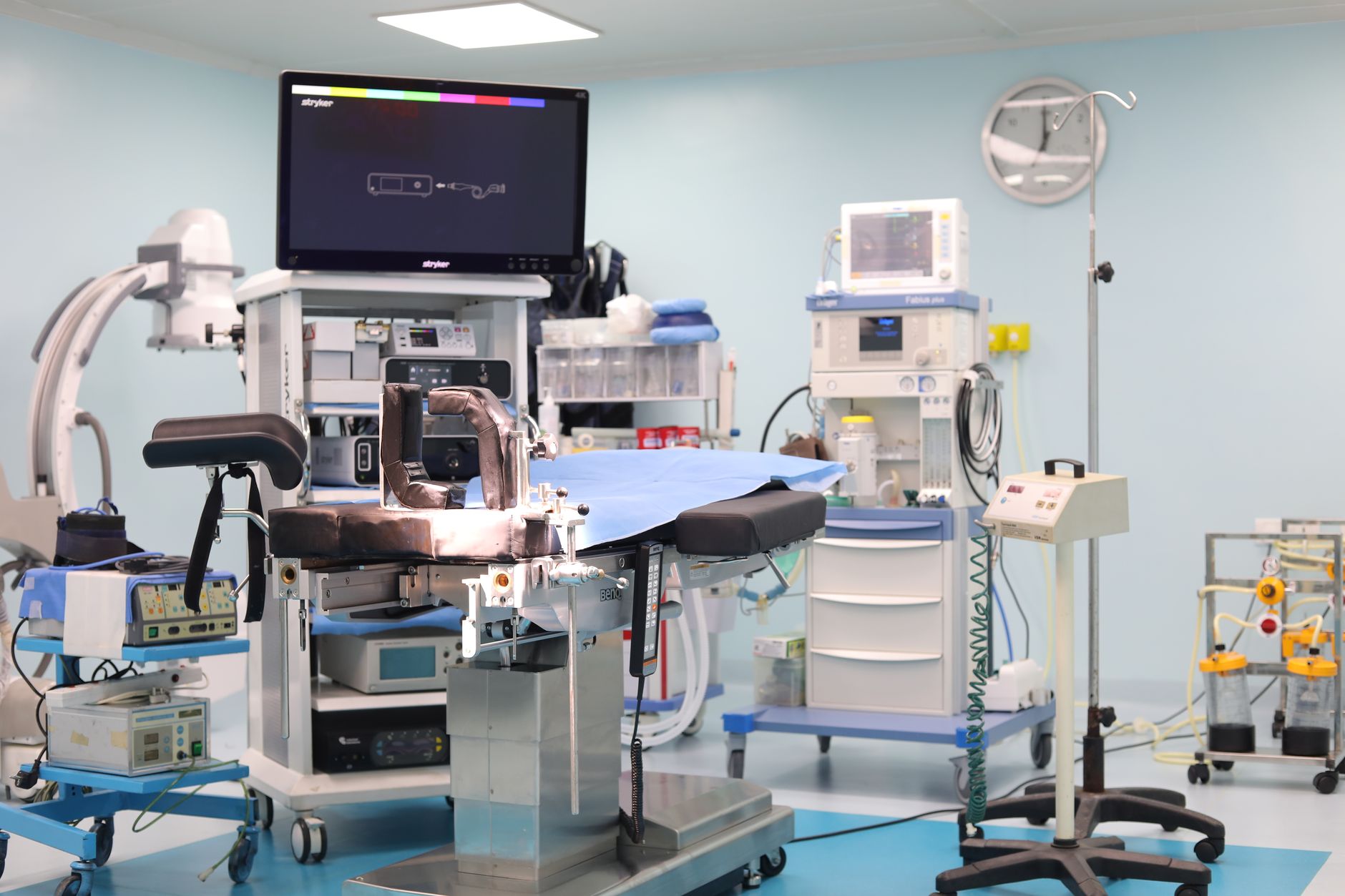
- More investment in facilities: hospital groups are expanding operating theatres, intensive care capacity and diagnostic imaging, much of it aimed specifically at international patient flows.
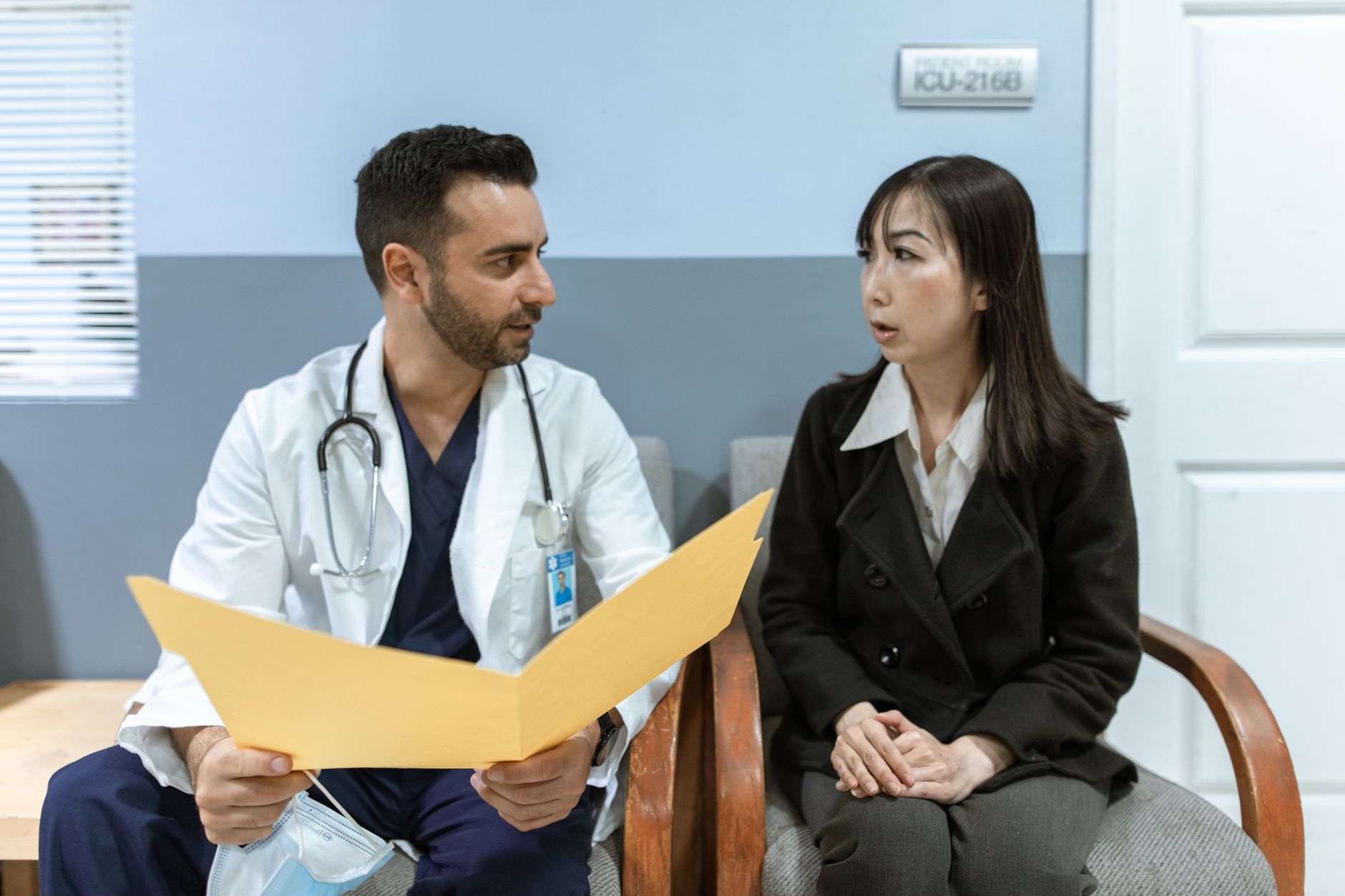
- More multilingual coordinators: Arabic, English, German, French, Russian and Balkan-language patient teams are being scaled up, easing consultations, consent and follow-up.
- Stable, transparent pricing: competitive pressure among accredited providers is pushing toward all-inclusive quotes that itemise consultation, surgery, accommodation, transfers and aftercare.
In practice, that means fewer surprises and better continuity of care — from the first video consultation through to the post-return check-in with a home physician.
Istanbul and Beyond: Where the Demand Is Concentrated
Istanbul remains the sector's anchor, home to the largest cluster of accredited private hospitals and the widest range of specialty services. Hair transplantation, dental work, aesthetic and bariatric surgery, orthopaedics, oncology and cardiac care all draw substantial international volumes.
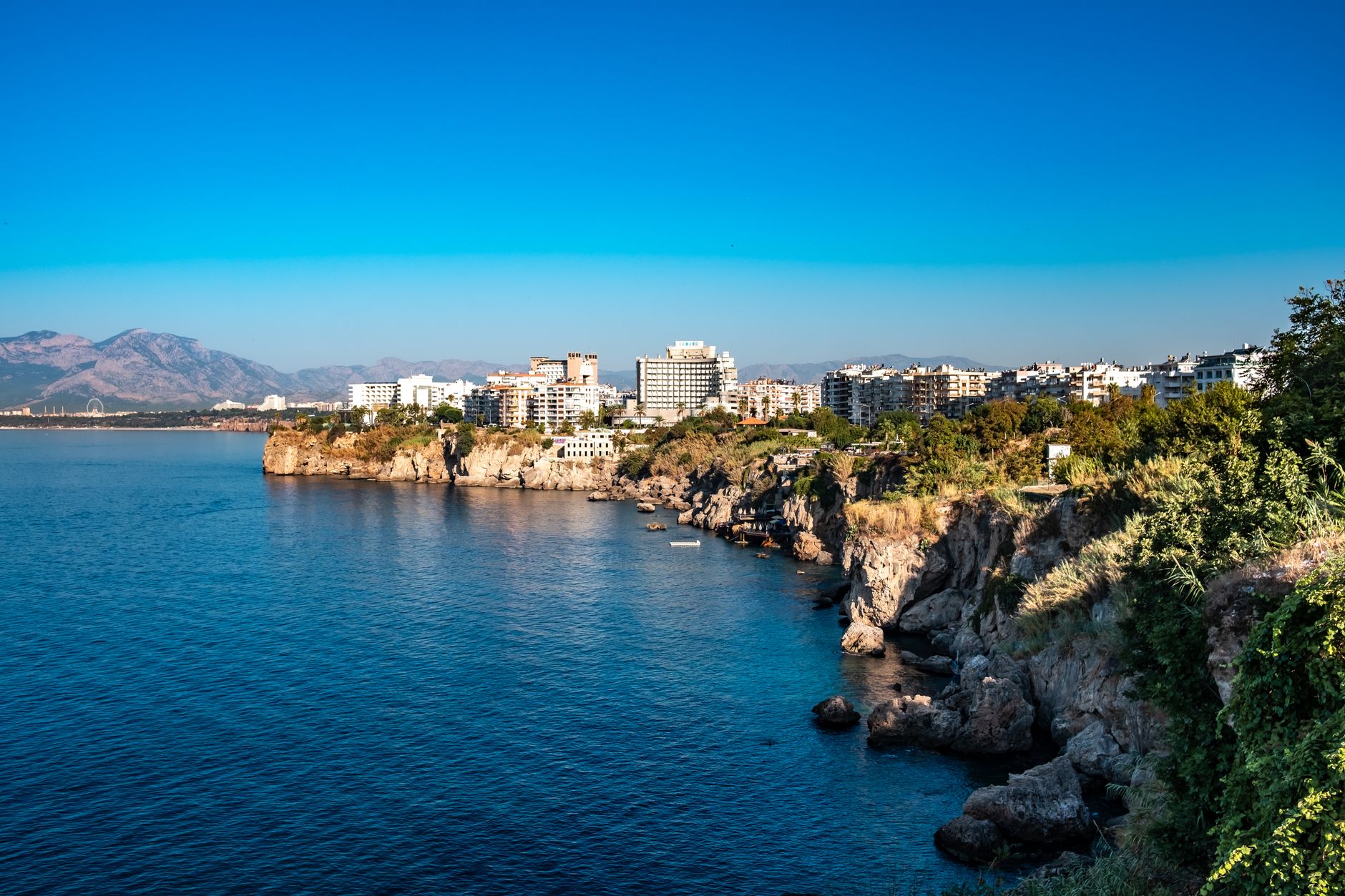
But growth is broadening geographically. Ankara's university-affiliated hospitals are attracting complex oncology and transplant referrals, Izmir is strengthening its reputation for dental and fertility care, and Antalya combines elective procedures with recovery-friendly coastal stays.
This diversification is healthy for patients. It creates genuine choice across price points, specialties and recovery settings, rather than funnelling all demand into a single city.
Price Transparency Becomes a Competitive Advantage
As the sector matures, providers increasingly recognise that opaque pricing undermines trust. Leading clinics now publish package scopes, clarify what is and is not included, and explain the clinical criteria that determine final costs.
Transparency also protects patients from the outliers — unlicensed intermediaries and aggressive commission-based agents — whose practices damage the wider reputation the sector has worked to build.
Growth at this scale is only sustainable if the patient experience matches the marketing promise. Accreditation and transparent pricing are how Türkiye intends to keep earning that trust.
For prospective patients, the practical advice is unchanged: verify accreditation, request itemised quotes, confirm the surgeon's involvement and ensure aftercare is documented in writing.
Looking Ahead: Momentum With Responsibilities
Crossing the $1 billion quarterly threshold places Türkiye among the world's most significant health tourism markets. The achievement is real and deserved, built over two decades of hospital investment, physician expertise and increasingly sophisticated patient services.
Yet the sector's next challenge is qualitative. Maintaining standards as volumes rise, expanding language support beyond the largest source markets, and ensuring that smaller clinics can meet accreditation requirements will determine whether this momentum endures.
The early signs are encouraging. Investment continues, coordination teams are growing, and pricing discipline is improving. For international patients, that combination — capacity, credibility and clarity — is precisely what makes Türkiye worth considering for care abroad.
Thinking about treatment in Turkey?
Send us a question about this site or about the information published on it. This is a publisher's mailbox, not a medical service and not a route to a particular provider — for clinical questions, contact your own doctor.