

More Than Words: The Human Bridge of Medical Travel
When you land in Istanbul for a medical procedure, the city can feel like a whirlwind of unfamiliar sights, sounds and languages. In that moment, the most reassuring person in the room is often not the surgeon — it is the interpreter standing beside you, smiling, repeating your questions in Turkish and translating the answers back with care. These professionals are Türkiye's health tourism ambassadors, and their impact goes far beyond vocabulary.
In 2026, Türkiye welcomes patients from across Europe, the Middle East, Africa and Central Asia. Each one arrives with a unique story, a set of fears and a hope for healing. Interpreters and patient liaisons are the first to hear those stories and the last to say goodbye at the airport. They transform a complex medical system into a warm, human experience.
This post celebrates these unsung heroes — and explains why their presence is one of the strongest reasons to choose Türkiye for your treatment.
Who Are the Health Tourism Ambassadors?
Health tourism ambassadors are multilingual coordinators, medical interpreters and patient liaisons employed by hospitals and clinics across Türkiye. Most speak at least three languages fluently — commonly Turkish, English, Arabic, Russian, German or French — and many have backgrounds in nursing, psychology or hospitality.
Their role is not simply to translate. They accompany patients from the first online consultation to the final follow-up. They sit in on examinations, explain consent forms, arrange airport transfers, help with hotel check-in and even recommend a quiet place for a cup of çay when anxiety peaks.
At leading Istanbul hospitals, these coordinators are integrated into every department. A patient from London might be assigned an English-speaking liaison; a family from Riyadh might meet an Arabic-speaking coordinator who understands cultural preferences around privacy and prayer. This personalized matching is deliberate — and it changes everything.
A Typical Day in Their Shoes
Morning might begin with a pre-operative briefing, translating surgical details into plain language. By noon, they are guiding a patient through blood tests, explaining each step. In the afternoon, they might coordinate a video call with a relative abroad, then escort someone to a pharmacy. Every task is small; together they remove mountains of stress.
One coordinator in Ankara describes her work as "being a calm voice in a new city." She keeps a notebook of each patient's favorite tea, preferred language and biggest worry. That notebook, she says, is her real medical tool.

Clearer Consent, Calmer Conversations
Medical consent is one of the most important — and most misunderstood — parts of treatment abroad. When a patient signs a form in a language they do not fully grasp, fear and mistrust grow. Interpreters solve this by turning legal and clinical language into clear, compassionate conversation.
They do not simply read the form aloud. They pause, ask if the patient understands, invite questions and rephrase until the answer is genuinely "yes." This process protects patients ethically and legally, but more importantly, it builds trust. A patient who truly understands their procedure feels empowered, not pressured.
Surgeons in Türkiye often say that a well-briefed patient heals better. Calmer conversations before surgery mean lower anxiety, better sleep and smoother recovery. The interpreter is the bridge that makes this possible.
"When I explained the surgery in her own language, she stopped crying and started asking questions. That was the moment she became my patient, not just a case." — Dr. Elif K., Istanbul
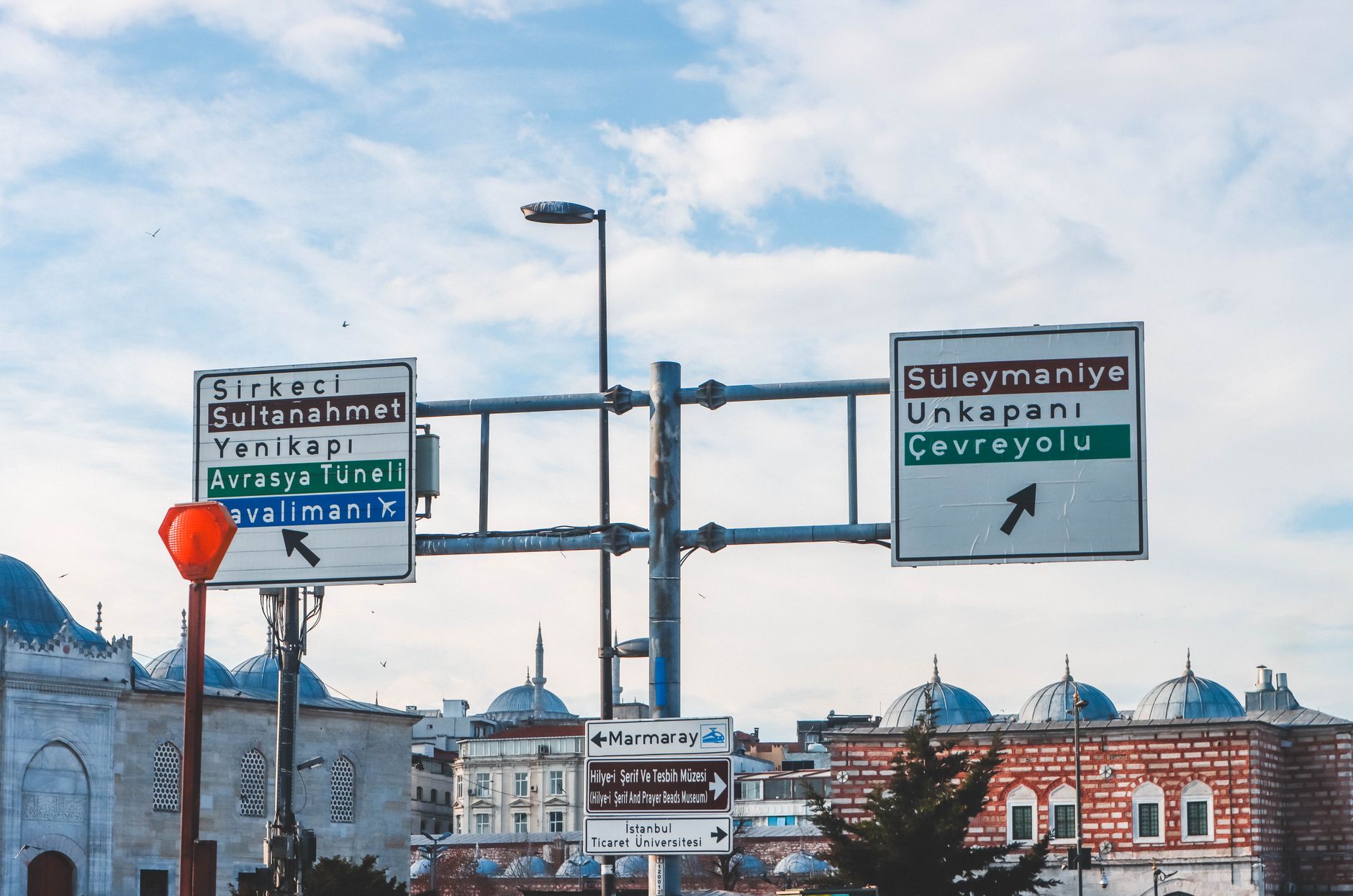
Reducing Stress at Every Step
International patients face a unique set of stressors: navigating a new city, managing paperwork, communicating with medical staff and missing home. Health tourism ambassadors address each one with practical, warm support.
- Airport pickup: A familiar face holding a sign with your name removes the fear of getting lost.
- Hospital navigation: Coordinators guide you through departments, labs and imaging centers so you never feel alone.
- Translation of documents: Reports, prescriptions and insurance papers are explained clearly.
- Cultural and dietary needs: Halal meals, prayer times, vegetarian options and family accommodations are arranged.
- Emotional support: A friendly conversation in your native language can be as soothing as medicine.
These details may seem minor, but for someone far from home, they are everything. They transform a foreign hospital into a place of comfort.
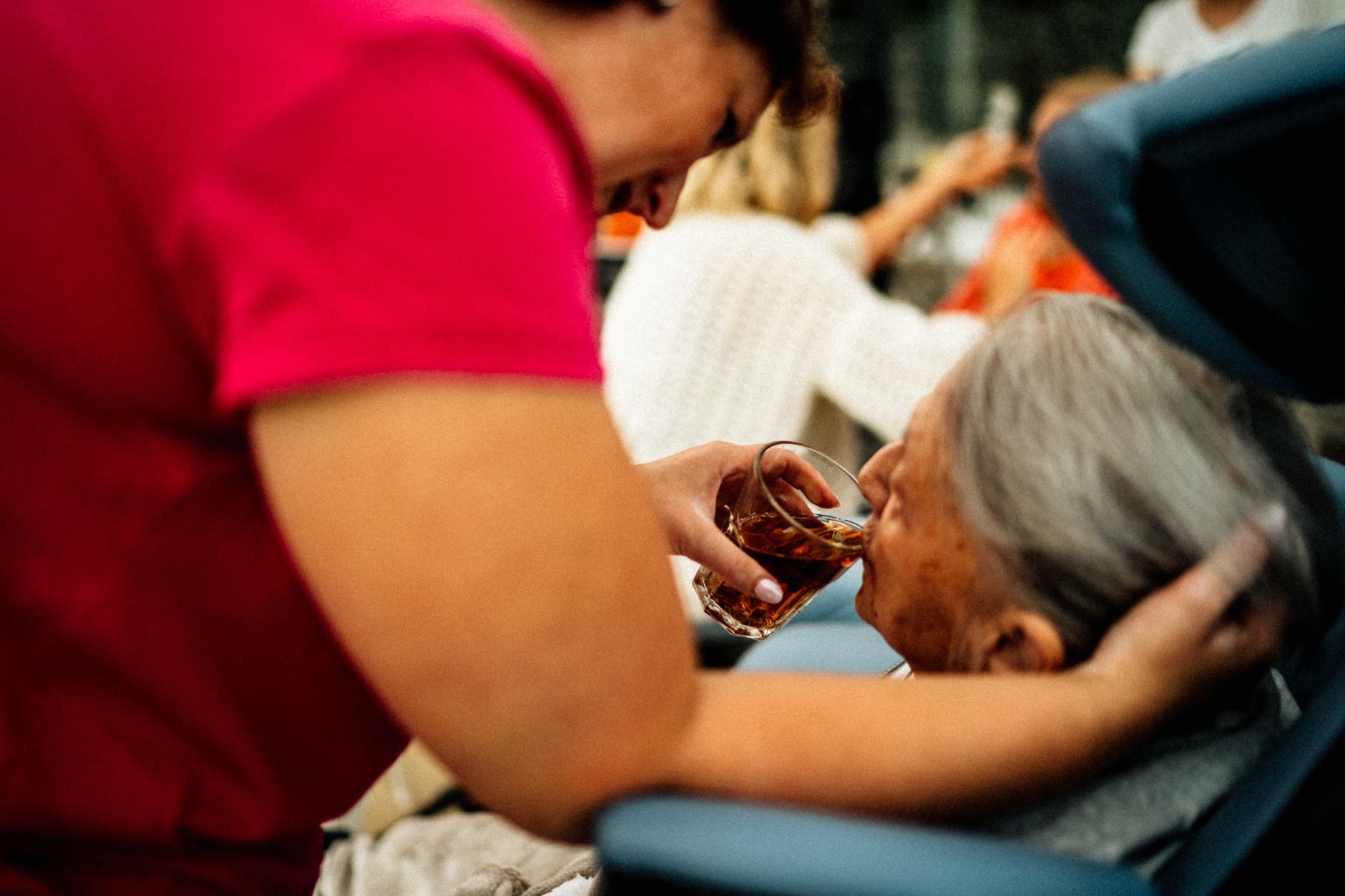
Building Trust Between Patients and Surgeons
Trust is the foundation of any medical relationship. When a surgeon and patient do not share a language, that foundation needs a translator who is accurate, discreet and empathetic. Türkiye's health tourism ambassadors are trained to be exactly that.
They maintain confidentiality, respect patient dignity and never editorialize. Their goal is to let the patient's voice be heard and the doctor's expertise be understood. Over time, this creates a bond that patients remember long after they return home.
Many former patients stay in touch with their coordinators, sending photos of recovery milestones and thank-you messages. These relationships are proof that healthcare is not only about procedures — it is about people.
Languages That Open Doors
Türkiye's location between continents makes it a natural hub for multilingual care. Hospitals in Istanbul, Antalya, Izmir and Ankara employ coordinators speaking dozens of languages. Arabic, Russian, English, German, French, Persian and Azerbaijani are among the most common, with demand growing for Spanish and Swahili.
This linguistic richness means patients from almost anywhere can receive care in their mother tongue — a rare and precious comfort in a medical setting.
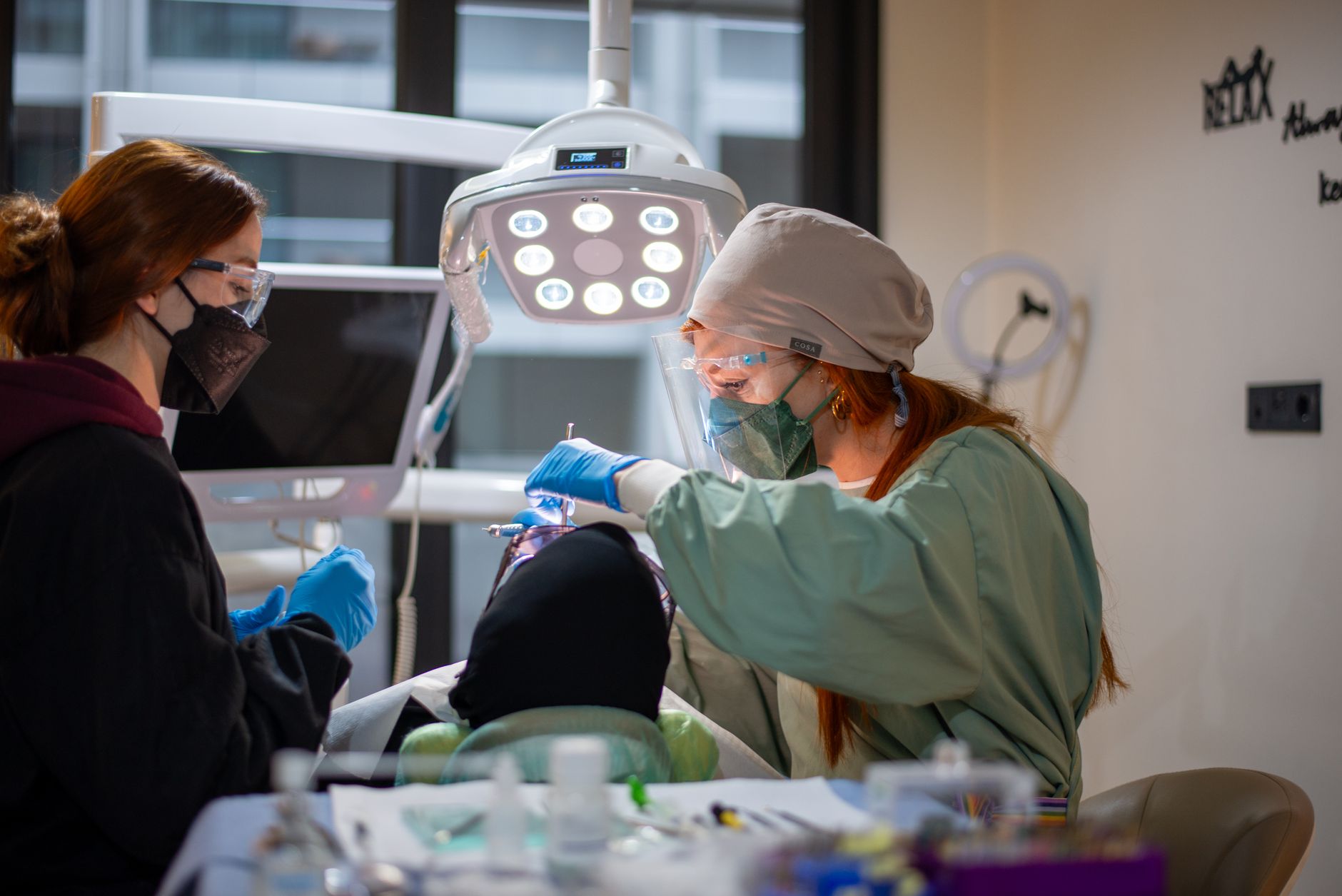
How to Request an Interpreter for Your Treatment
If you are planning treatment in Türkiye, you can — and should — ask about language support before you book. Most accredited hospitals and medical tourism agencies provide interpreters at no extra cost, but it is best to confirm in advance.
- Tell your coordinator your preferred language and any dialect needs.
- Request interpretation during consultations, consent discussions and discharge briefings.
- Ask for written translations of key documents if needed.
- Share any cultural or religious preferences that matter to you.
Istanbul Medical Tourism works with vetted hospitals where these services are standard. Our team can connect you with the right coordinator from day one.
A Thank You to Türkiye's Unsung Heroes
Surgeons perform miracles, but interpreters make those miracles understandable. They sit through long nights, repeat difficult news with gentleness and celebrate every small victory alongside their patients. They are the warm welcome at the airport, the steady voice in the consultation room and the friendly goodbye at the gate.
As Türkiye continues to shine as a global health tourism destination, let us celebrate these ambassadors. Their work is a reminder that medicine heals best when it is delivered with understanding — in every language.
If you are considering treatment in Türkiye, know that you will not be alone. From your first message to your final check-up, someone who speaks your language will be by your side.
Thinking about treatment in Turkey?
Share your contact details and a verified doctor will follow up with a plan built around you — free, no obligation.