

A Record Autumn for Turkish Health Tourism
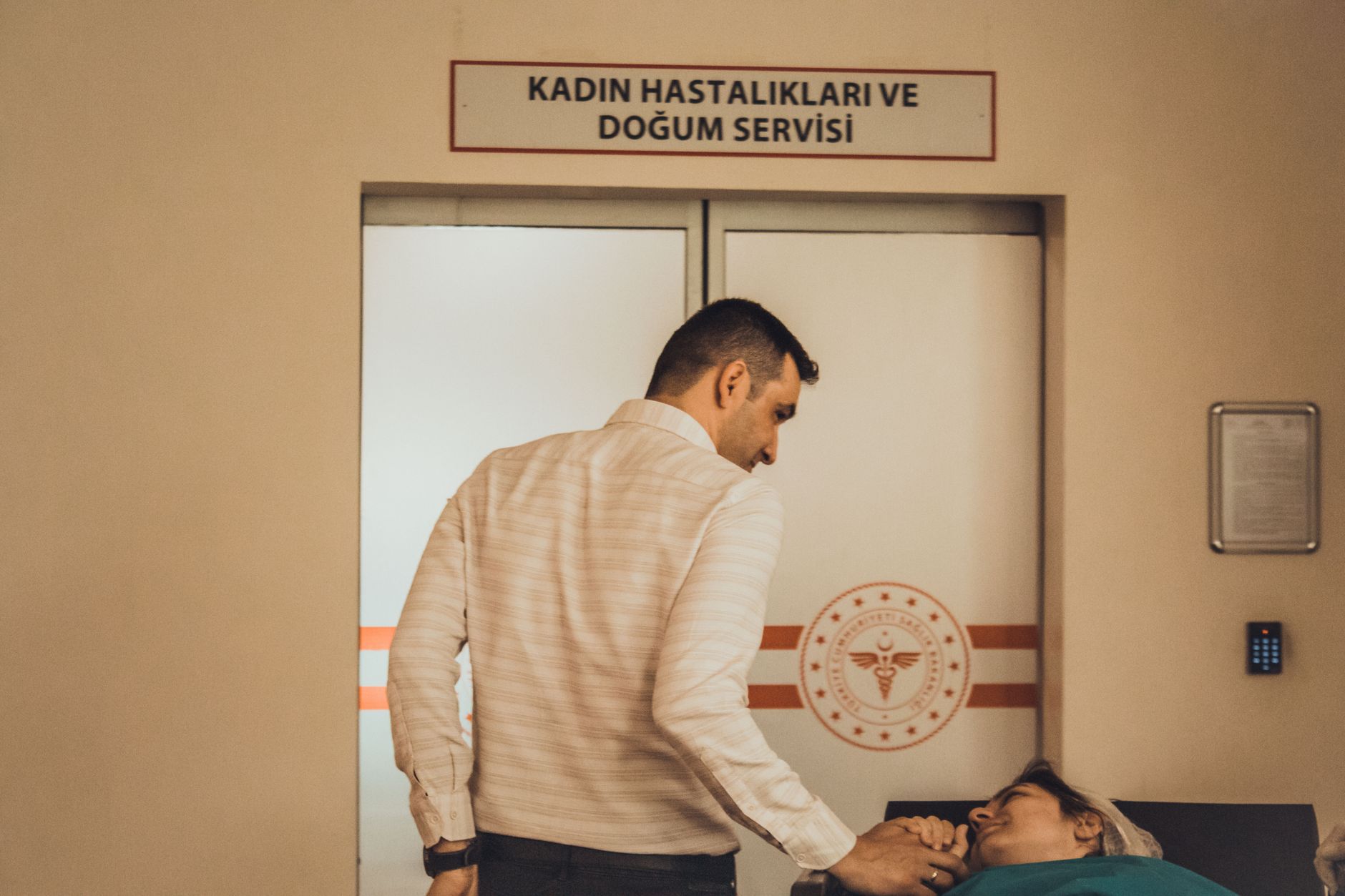
Türkiye's health tourism sector has closed the autumn 2026 season with its strongest international patient figures on record, according to industry associations representing accredited hospitals and clinics across Istanbul, Ankara, Izmir and Antalya. The surge marks another milestone in a decade-long expansion that has made the country one of the world's most visited destinations for planned medical care.
Operators report that demand has been broad-based rather than concentrated in a single specialty. Hair transplantation and dental treatment continue to draw the largest share of arrivals, but aesthetic surgery, ophthalmology, orthopaedics, oncology and in vitro fertilisation all posted year-on-year gains through the September–October window.
Industry representatives describe the autumn performance as evidence of sustained international confidence in Turkish healthcare infrastructure, rather than a seasonal spike. Repeat bookings and referrals from previous patients now account for a meaningful and growing proportion of case volumes at several major groups.
Full-Year 2026 Targets Revised Upward
On the back of the autumn data, sector bodies have revised their full-year 2026 projections upward. Earlier forecasts anticipated a steady but moderate increase over 2025; the updated outlook now assumes a materially higher total of inbound patients by the end of December.
The revision reflects both volume and value. Clinics report a shift toward higher-complexity procedures, which carry longer treatment packages, extended hotel stays and a greater spend on ancillary services such as rehabilitation, translation and private transfers.
Health tourism's share of Türkiye's overall tourism revenue has continued to climb, and the sector is now consistently described by analysts as one of the highest-yield segments of the national visitor economy. Because medical travelers typically arrive with a companion and stay far longer than leisure visitors, the economic multiplier per arrival is substantially greater.
What Rising Volumes Mean for Travelers
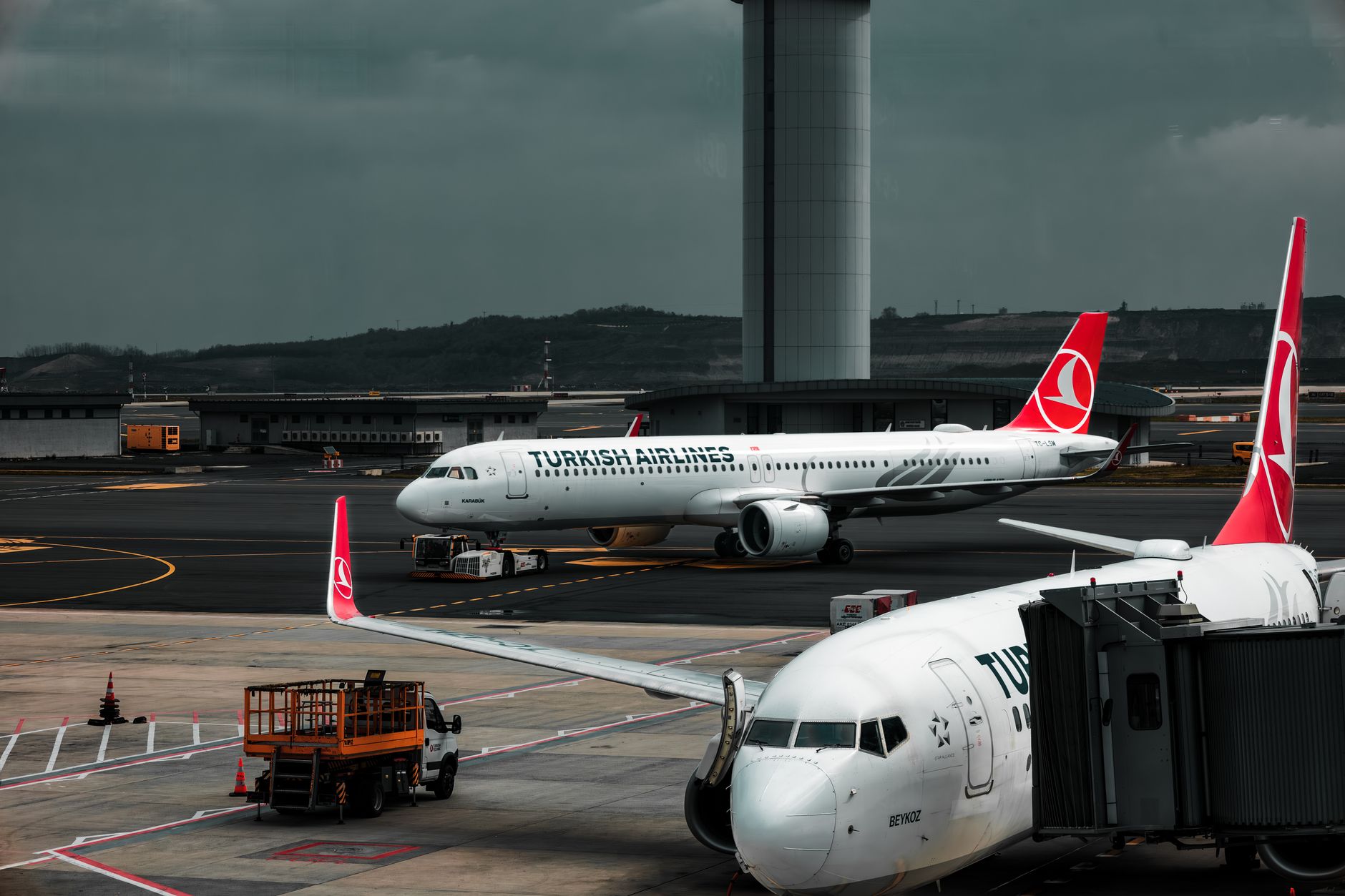
For prospective patients, the most immediate benefit of higher volumes is connectivity. Airlines serving Istanbul, Ankara, Izmir and Antalya have continued to add frequencies and seasonal capacity on routes from Western Europe, the Gulf, the Balkans, Central Asia and North Africa, giving travelers more same-day and direct options than at any previous point.
Competition on those routes has also kept fare structures varied, allowing patients to trade off price against schedule flexibility. Direct connections reduce total trip duration, which matters particularly for travelers combining a procedure with a short recovery period before flying home.
Ground-side logistics have expanded in step. Accredited groups increasingly operate their own transfer fleets and dedicated patient lounges, and many now coordinate arrival formalities so that a patient moves from aircraft to clinic without navigating unfamiliar ground transport alone.
More Multilingual Coordinators on the Ground
Language support has widened considerably alongside patient numbers. Hospitals in the main medical-tourism hubs now routinely staff international patient departments with coordinators fluent in Arabic, English, German, French, Russian, Persian and Balkan languages, with additional capacity added for Spanish and Azerbaijani-speaking arrivals.
Coordinators handle the practical sequence that international patients depend on: pre-arrival consultation review, appointment scheduling, interpreter accompaniment during examinations, and follow-up communication after the patient returns home. That continuity is frequently cited by patients as decisive in their choice of provider.
Several facilities have also invested in digital intake systems that allow medical records, imaging and consent documentation to be exchanged before departure, reducing the number of on-site days required for assessment.

Deeper Specialisation at Accredited Centres
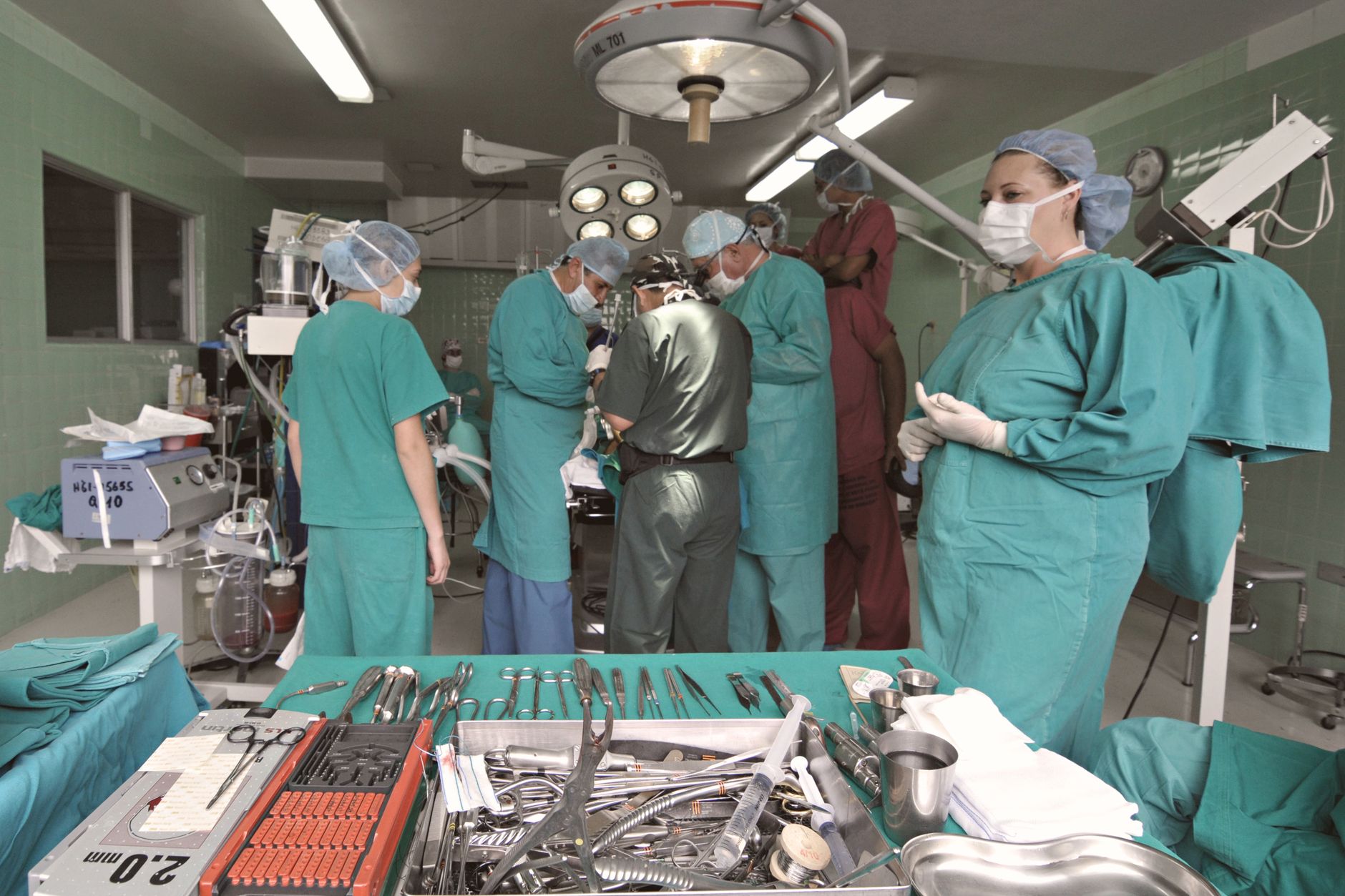
Volume growth has encouraged accreditation and specialisation rather than dilution. A widening group of Turkish hospitals holds international quality accreditation, and many have organised themselves around dedicated centres of excellence with consolidated teams, equipment and outcome tracking for a single procedure family.
This specialisation is visible in the concentration of expertise: dedicated burn and reconstructive units, high-volume IVF laboratories, robotic and minimally invasive surgical programmes, and bone marrow transplantation centres that receive patients from across the region.
For travelers, specialisation translates into more predictable care pathways, clearer published outcome data and package structures that itemise what is and is not included — a practical advantage when comparing providers across borders.
A Milestone, Not a Ceiling
Industry figures frame autumn 2026 as a milestone that validates long-term investment in facilities, training and international patient services. Public and private stakeholders have pointed to the sector as a durable source of foreign currency earnings and high-skilled employment.
At the same time, operators acknowledge that growth brings obligations: maintaining quality standards as volumes rise, ensuring ethical advertising and informed consent, and managing capacity so that domestic patients continue to receive timely care alongside international ones.
With targets now revised upward for the remainder of 2026, the coming winter and spring seasons will test whether Turkish clinics can sustain both the pace and the standard that produced this autumn's record. Early indicators from booking pipelines suggest demand remains firm, and the sector enters 2027 with more capacity, more languages and more specialised centres than it has ever offered before.
Thinking about treatment in Turkey?
Send us a question about this site or about the information published on it. This is a publisher's mailbox, not a medical service and not a route to a particular provider — for clinical questions, contact your own doctor.