

A Regional Partnership Built on Trust
Türkiye's health tourism sector has signed a new cooperation deal with healthcare partners across the Gulf, marking a significant step toward smoother, more predictable patient journeys between the two regions. The agreement is designed to reduce the administrative friction that many Gulf patients currently face when arranging treatment abroad.
Rather than a single hospital signing with a single clinic, the arrangement brings together a wider network of Turkish hospitals, specialist centres and Gulf-based referrers. The goal is to create a formal pathway that patients and their families can rely on, rather than a patchwork of individual arrangements.
For patients, the most visible change will be a clearer sense of what comes next. Referrals, appointments and records will move through a defined process instead of relying on informal contacts or repeated phone calls.
Coordinated Medical Records From the First Contact
One of the core benefits of the deal is the coordinated handling of medical records. Under the new framework, patient histories, imaging and laboratory results can be shared securely at the referral stage, before the patient travels.
This matters because it allows Turkish specialists to review a case in advance and confirm whether treatment is appropriate, what it will involve, and how long the patient should expect to stay. It also reduces the risk of duplicated tests being carried out after arrival.
For Gulf patients who may have already started investigations at home, this continuity is particularly valuable. Records that follow the patient from the referring physician to the treating hospital help ensure that clinical decisions are based on the full picture.

Faster Scheduling and Shorter Waiting Times
The cooperation deal also aims to speed up scheduling. With referral pathways agreed in advance, Turkish hospitals can allocate appointment slots and operating theatre time more predictably for Gulf patients.
That means shorter gaps between initial enquiry and actual treatment. For patients travelling with family members, faster scheduling also makes it easier to plan leave from work, arrange flights and book accommodation.
Emergency and time-sensitive cases stand to benefit most, but the improvements apply across routine procedures as well. A more structured flow of referrals helps hospitals anticipate demand instead of reacting to it.

Clearer Treatment Packages and Costs
Another focus of the agreement is transparency around treatment packages. Patients will receive clearer outlines of what a package includes, from consultations and surgery to follow-up appointments and medication.
Clearer pricing and scope reduce uncertainty for families, who can compare options with a better understanding of what is covered. It also helps avoid misunderstandings about additional costs that might arise during treatment.
Turkish hospitals have invested heavily in international patient services, and the new deal builds on that infrastructure. Multilingual coordinators and dedicated international departments are expected to play a central role in delivering the promised clarity.
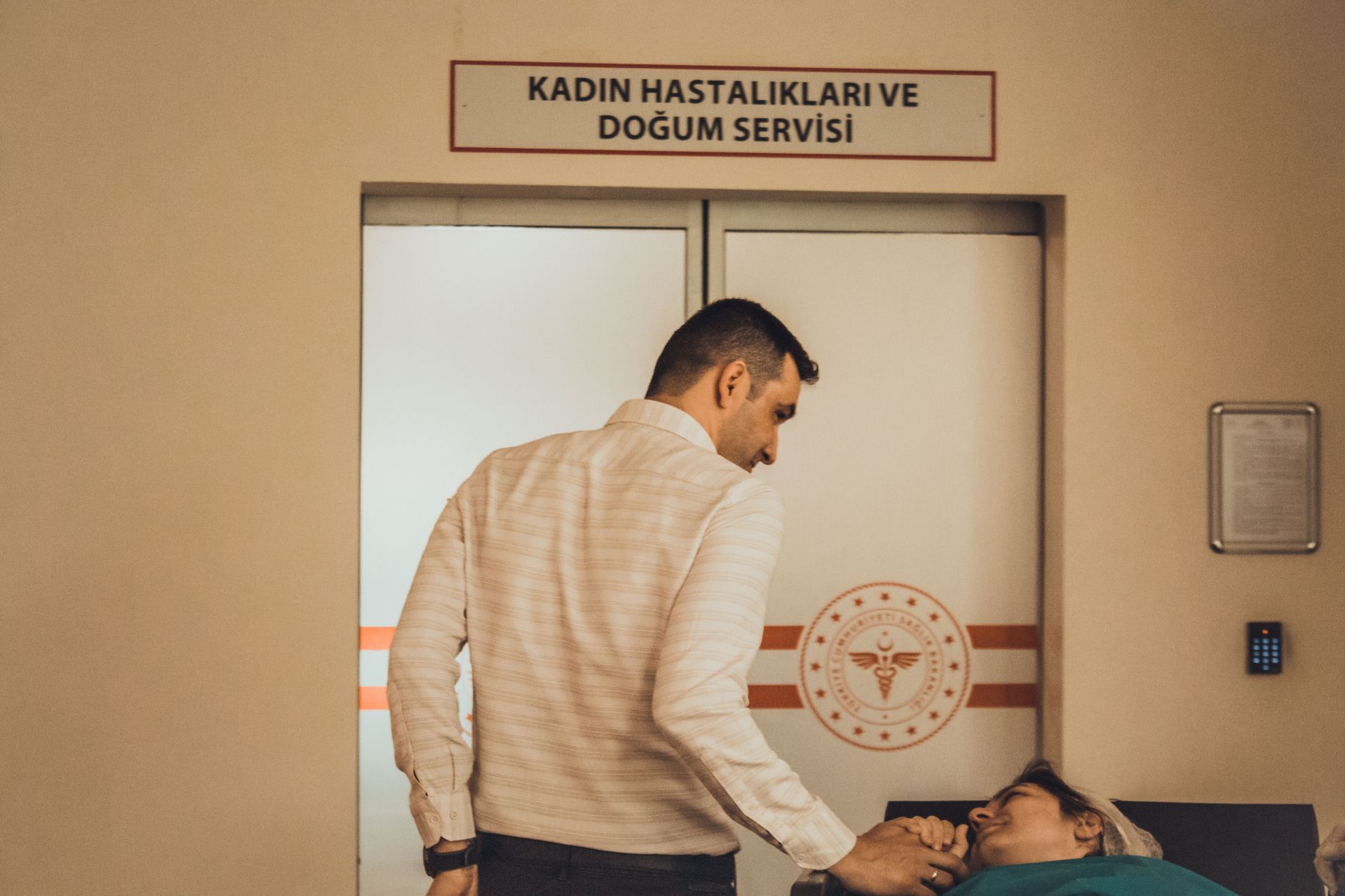
Türkiye as a Natural Partner for the Region
Türkiye's position as a natural partner for patients across the Gulf is strengthened by geography as much as by clinical capacity. Direct flights connect major Gulf cities with Istanbul, Ankara, Izmir and Antalya, keeping travel times short and manageable.
The country's hospitals combine modern facilities with experienced specialists across cardiology, oncology, orthopaedics, fertility, bariatric surgery and cosmetic procedures. Many institutions hold international accreditations and serve a large volume of overseas patients each year.
Cultural familiarity and hospitality also play a role. Shared religious traditions, halal food availability and Arabic-speaking staff in many hospitals help Gulf patients and their families feel more at ease during what can be a stressful period.
What the Deal Means for Patients
In practical terms, the deal is expected to make the entire process more predictable. Patients can expect a single point of contact, a documented treatment plan and a clearer timeline from referral to recovery.
For referring physicians in the Gulf, the framework offers a more reliable way to send patients abroad. Feedback on treatment outcomes can flow back to the original doctor, supporting ongoing care once the patient returns home.
The agreement reflects a broader trend of regional healthcare collaboration, where countries pool expertise and infrastructure rather than working in isolation. For patients, that means more choices, clearer information and a smoother pathway to treatment.
As the framework is implemented over the coming months, the focus will be on turning signed commitments into measurable improvements in scheduling, communication and patient experience.
Thinking about treatment in Turkey?
Send us a question about this site or about the information published on it. This is a publisher's mailbox, not a medical service and not a route to a particular provider — for clinical questions, contact your own doctor.