

A Bridge Between Continents, A Partner in Care
For patients across Africa and the Middle East, the search for quality healthcare often means travelling far from home. Türkiye has emerged as a natural answer to that search, not because of clever marketing, but because of something deeper: geography, culture and genuine human connection.
Istanbul sits at the crossroads of Europe, Asia and Africa, with direct flights from Casablanca, Cairo, Lagos, Nairobi, Amman, Riyadh, Doha, Dubai and dozens of other cities. A patient from Khartoum or Kano can often be in a Istanbul hospital within a single day of travel. That proximity matters — for medical urgency, for family visits, and for the simple comfort of not feeling a world away from home.
But distance is only part of the story. What truly sets Türkiye apart is a healthcare culture that recognises the patient as a whole person: their language, their faith, their family and their fears. This article explores how Türkiye's health tourism sector has built real, practical support systems for patients from Africa and the Middle East — and why so many return, and recommend it to others.
Language: Care That Speaks Your Language
Walking into a hospital where no one speaks your language is one of the most stressful parts of medical travel. Türkiye has addressed this directly. Many hospitals in Istanbul, Ankara, Antalya and Izmir now employ Arabic-speaking patient coordinators, translators and international patient departments. Arabic is widely understood in the health tourism sector, and Russian, French and English support is also common.
For patients from the Middle East, this means being able to describe symptoms, ask questions and understand a diagnosis in their mother tongue. For patients from Francophone Africa — Senegal, Côte d'Ivoire, Mali, Cameroon — French-speaking staff are increasingly available. This is not a luxury; it is a safety requirement. Clear communication is at the heart of good medicine.
Beyond the clinic, language support extends to airports, hotels and transport. Many health tourism agencies provide meet-and-greet services at Istanbul Airport, with staff who can guide patients through immigration, luggage and transfers in Arabic or French. The result is a journey that feels guided rather than overwhelming.
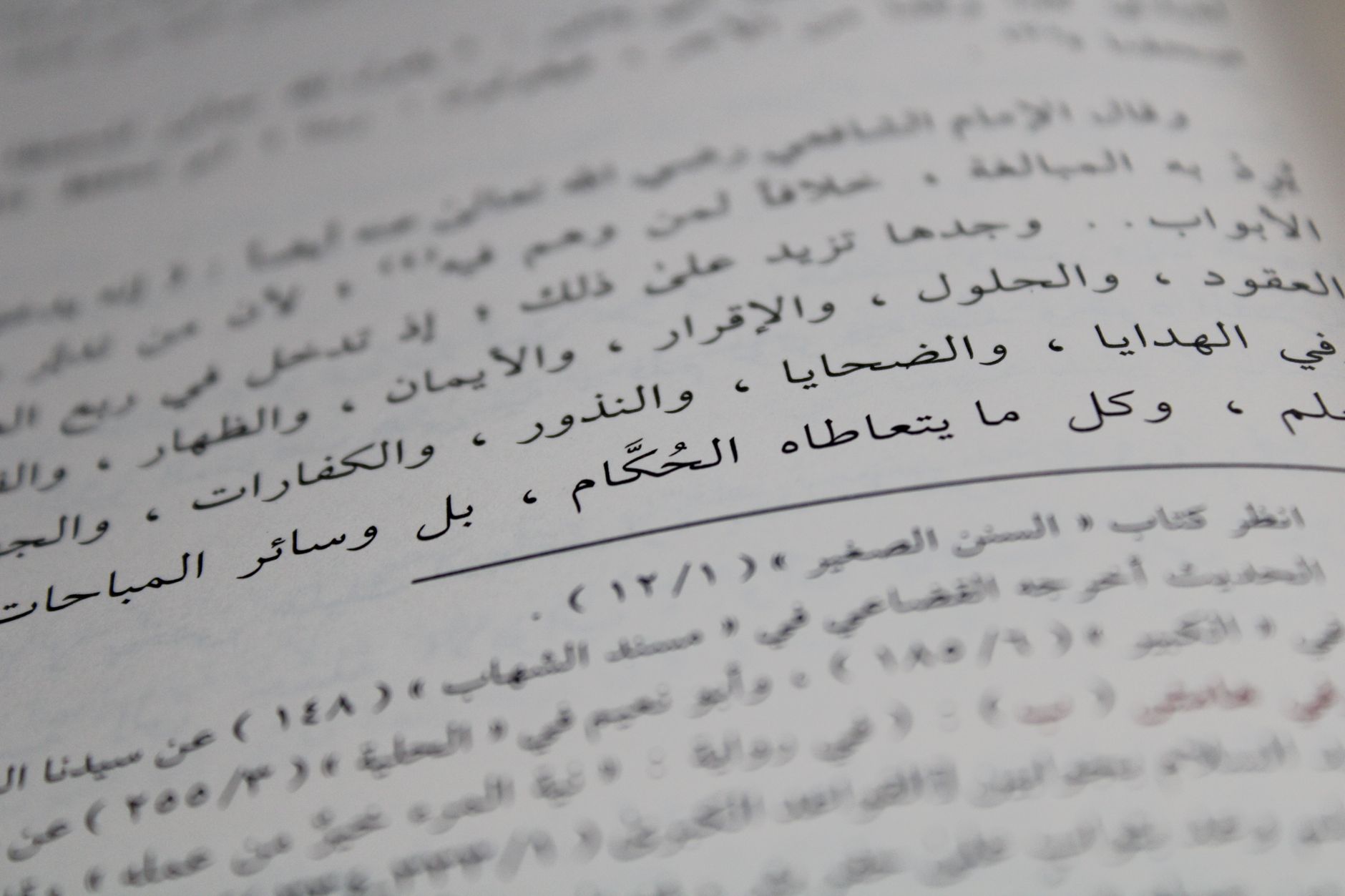
Faith and Halal-Friendly Services
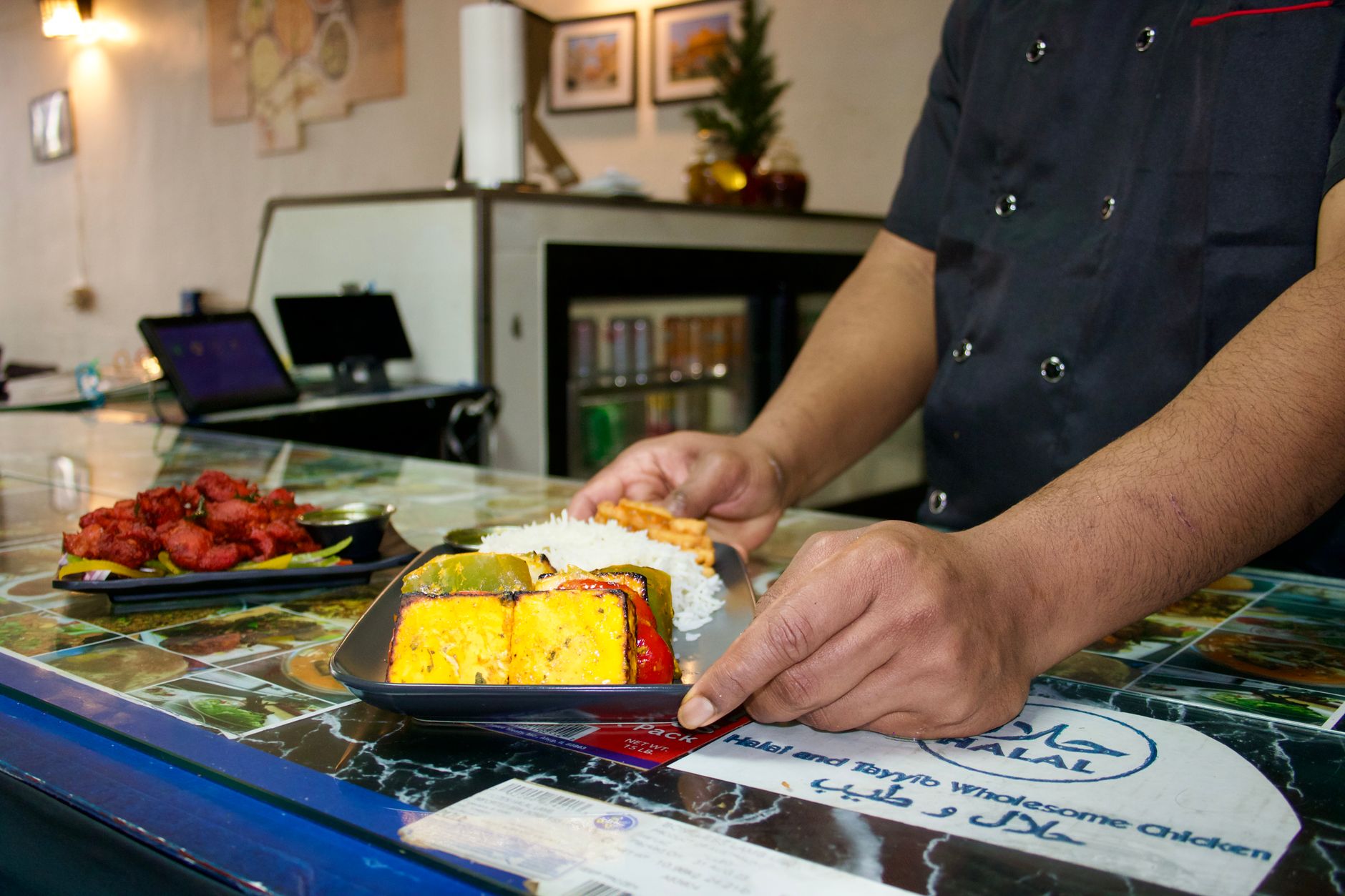
For many patients from Africa and the Middle East, faith is not separate from healing — it is part of it. Türkiye, a predominantly Muslim country with a secular constitution, understands this instinctively. Halal food is widely available in hospitals and hotels. Prayer rooms are common in medical facilities. During Ramadan, hospitals adjust meal schedules and offer flexibility for patients who wish to fast, with medical guidance.
Female patients can request female doctors for examinations, and many hospitals have dedicated women's health departments staffed accordingly. Modesty-friendly gowns, private rooms and family accommodation are standard in many international patient units. These details may seem small, but for patients and families they signal respect.
This faith-friendly environment is not limited to Muslim patients. Türkiye also welcomes Christian patients from across Africa, with churches in Istanbul and other cities, and hospitals that respect religious dietary and pastoral needs. The principle is inclusion: whatever your faith, your beliefs are honoured.
Family Support and the Culture of Hospitality
In many African and Middle Eastern cultures, illness is a family matter. Relatives travel together, share meals, and stay close during treatment. Turkish hospitals and hotels have adapted to this reality. Family suites, extended visiting hours and comfortable waiting areas are common in international patient wings. Some hospitals even provide accommodation for one companion at no extra cost.
Turkish hospitality — known as misafirperverlik — is legendary. Patients often describe being treated not as customers but as guests. This cultural warmth is perhaps Türkiye's greatest asset in health tourism. It cannot be manufactured; it is part of the national character.
For families from Lagos, Accra, Baghdad or Beirut, this means a parent or spouse can remain nearby, share halal meals, and be part of the recovery process. The emotional support of family is often as important as the medical treatment itself, and Türkiye's health tourism sector recognises this.
Direct Flights and Regional Accessibility
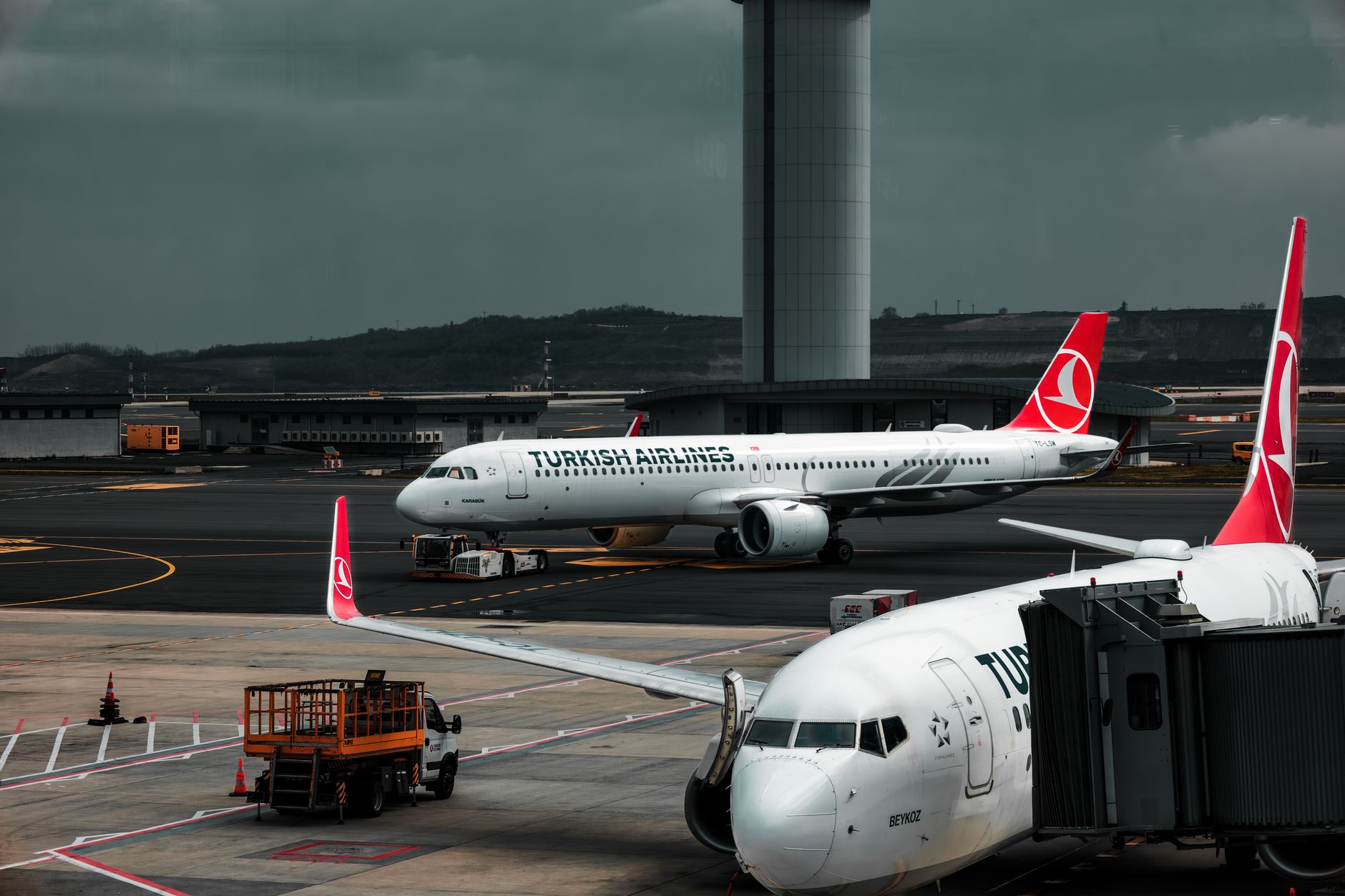
Turkish Airlines, one of the world's largest carriers, connects Istanbul to more countries than any other airline. This is a strategic advantage for patients from Africa and the Middle East. Direct flights from Addis Ababa, Johannesburg, Nairobi, Casablanca, Tunis, Cairo, Khartoum, Amman, Riyadh, Jeddah, Kuwait, Doha and Dubai make Türkiye one of the most accessible medical destinations on earth.
For patients who require urgent care, this connectivity can be life-saving. Medical evacuation and air ambulance services are also available, and many hospitals have partnerships with airlines to facilitate rapid transfers. For those travelling from smaller cities, a single stop in Istanbul opens access to world-class treatment.
Visa facilitation is another practical support. Many nationalities from Africa and the Middle East can obtain e-Visas easily, and some hospitals provide invitation letters to support visa applications. The Turkish health tourism sector has learned that accessibility is not just about flights — it is about paperwork, timing and peace of mind.
Quality Care at Fair Prices
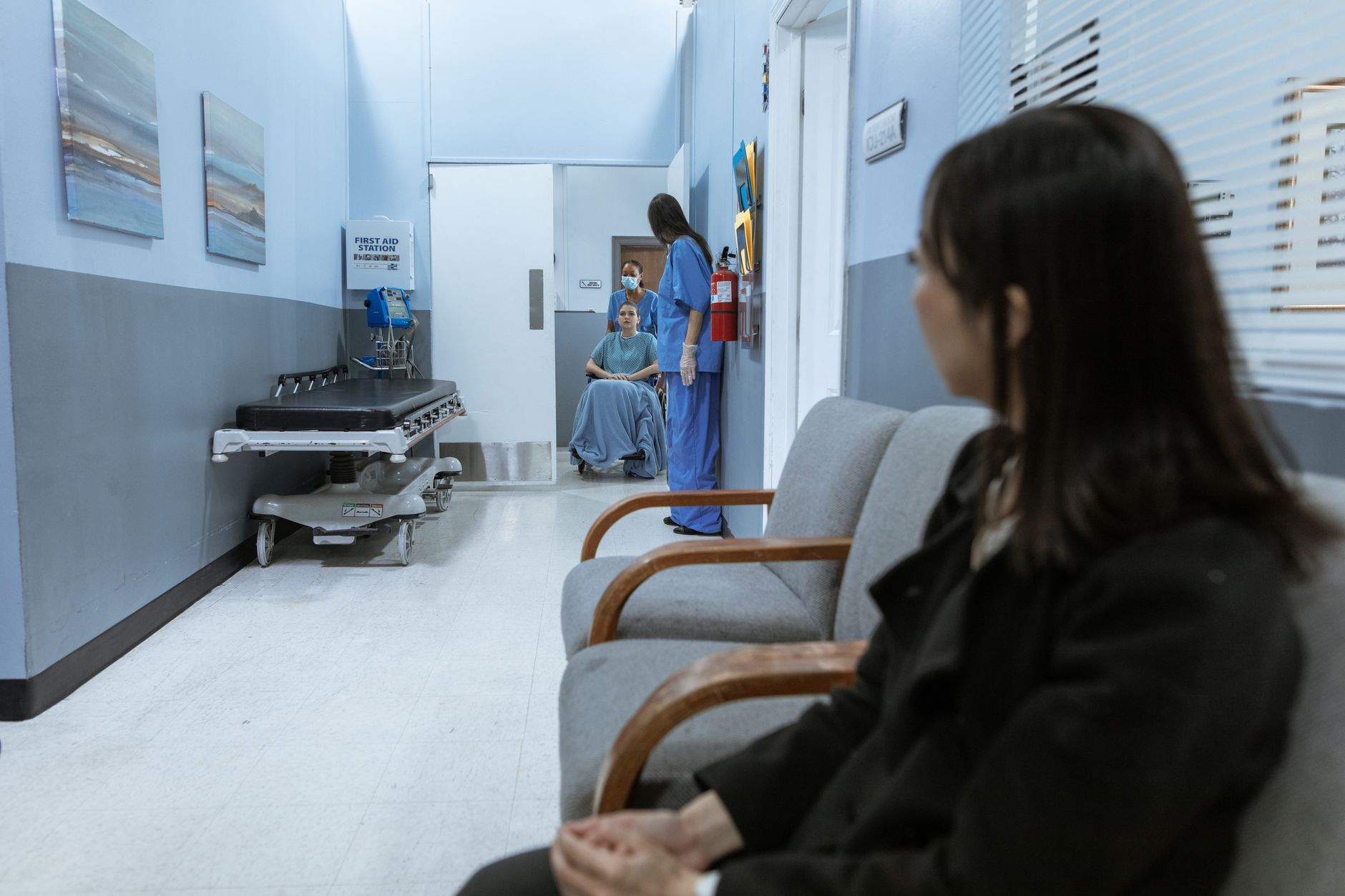
Türkiye's healthcare system combines modern infrastructure with competitive pricing. Many hospitals are JCI-accredited, and Turkish doctors are trained to international standards, often with experience in Europe or the United States. Yet treatment costs are often 50–70% lower than in Western Europe or North America.
For patients from Africa and the Middle East who may be paying out of pocket, this is significant. It means access to advanced treatments — oncology, cardiology, orthopaedics, IVF, cosmetic surgery, organ transplantation — without the financial strain that often accompanies medical travel to the West.
Transparency is improving too. Many hospitals offer package pricing that includes consultation, surgery, hospital stay, medication and follow-up, so patients know what to expect. This is particularly valued by families who are making difficult decisions under pressure.
Beyond Treatment: A Journey of Recovery
Recovery is not only medical. Türkiye offers patients and their families a chance to rest and heal in a beautiful, welcoming environment. Istanbul's Bosphorus, the thermal springs of Bursa, the Mediterranean coast of Antalya — these are not just tourist attractions; they are places where patients can walk, breathe and regain strength.
Many health tourism packages include post-treatment relaxation, and families often extend their stay to explore. For patients from Africa and the Middle East, this combination of medical care and cultural familiarity makes Türkiye feel less like a foreign hospital and more like a second home.
It is this blend — clinical excellence, linguistic and spiritual understanding, family-centred hospitality and geographic ease — that defines Türkiye's health tourism sector. It is a partnership built on respect, and it is one that thousands of patients from Africa and the Middle East choose every year.
A Partnership, Not a Transaction
Türkiye's approach to health tourism is not about selling a destination. It is about offering a hand. It is about recognising that a patient from Somalia or Syria, from Nigeria or Yemen, deserves the same dignity, clarity and warmth as anyone else. It is about building systems — translators, halal kitchens, prayer rooms, family suites, direct flights — that make that dignity possible.
For patients and families considering treatment abroad, Türkiye offers something rare: world-class medicine in a place that feels culturally close. The language may be different, but the hospitality is familiar. The streets may be new, but the values are shared. Healing, after all, is not only about what happens in the operating room. It is about how you are treated along the way.
Thinking about treatment in Turkey?
Share your contact details and a verified doctor will follow up with a plan built around you — free, no obligation.