

A Milestone Nine Months for Turkish Health Tourism
Türkiye's health tourism sector has crossed a significant threshold in 2026. According to official figures released by the Ministry of Health and the Turkish Statistical Institute, the country generated more than $2.5 billion in health tourism revenue during the first nine months of the year, a performance that puts the sector firmly on track to surpass its previous annual record before the year is out.
The numbers reflect a pattern that has been building for years: international patients are not only continuing to choose Türkiye, they are choosing it in larger numbers, for a wider range of treatments, and with greater confidence in the quality of care they will receive.
For anyone considering treatment abroad, the milestone is more than a headline. It is a signal that Turkish hospitals and clinics have the patient volume, the infrastructure and the international relationships to deliver consistent, well-supported care at scale.
What the Official Figures Show
The first three quarters of 2026 brought Türkiye more than $2.5 billion in health tourism income, building on a multi-year trend of steady growth. Health tourism has become one of the country's most reliable service export categories, with revenue spread across a broad mix of treatment types and source markets rather than concentrated in a single niche.
Hair transplantation and aesthetic procedures remain among the most visible drivers, but they are no longer the whole story. Oncology, orthopaedics, cardiovascular surgery, in vitro fertilisation, bariatric surgery and dental work all contribute meaningful volume, drawing patients from Europe, the Middle East, Central Asia, North Africa and increasingly from further afield.
This diversification matters. A sector that serves many different medical needs is a sector with mature clinical capacity, not just a competitive price point. The revenue figures are, in effect, a measure of how many international patients have trusted Turkish institutions with serious medical decisions.
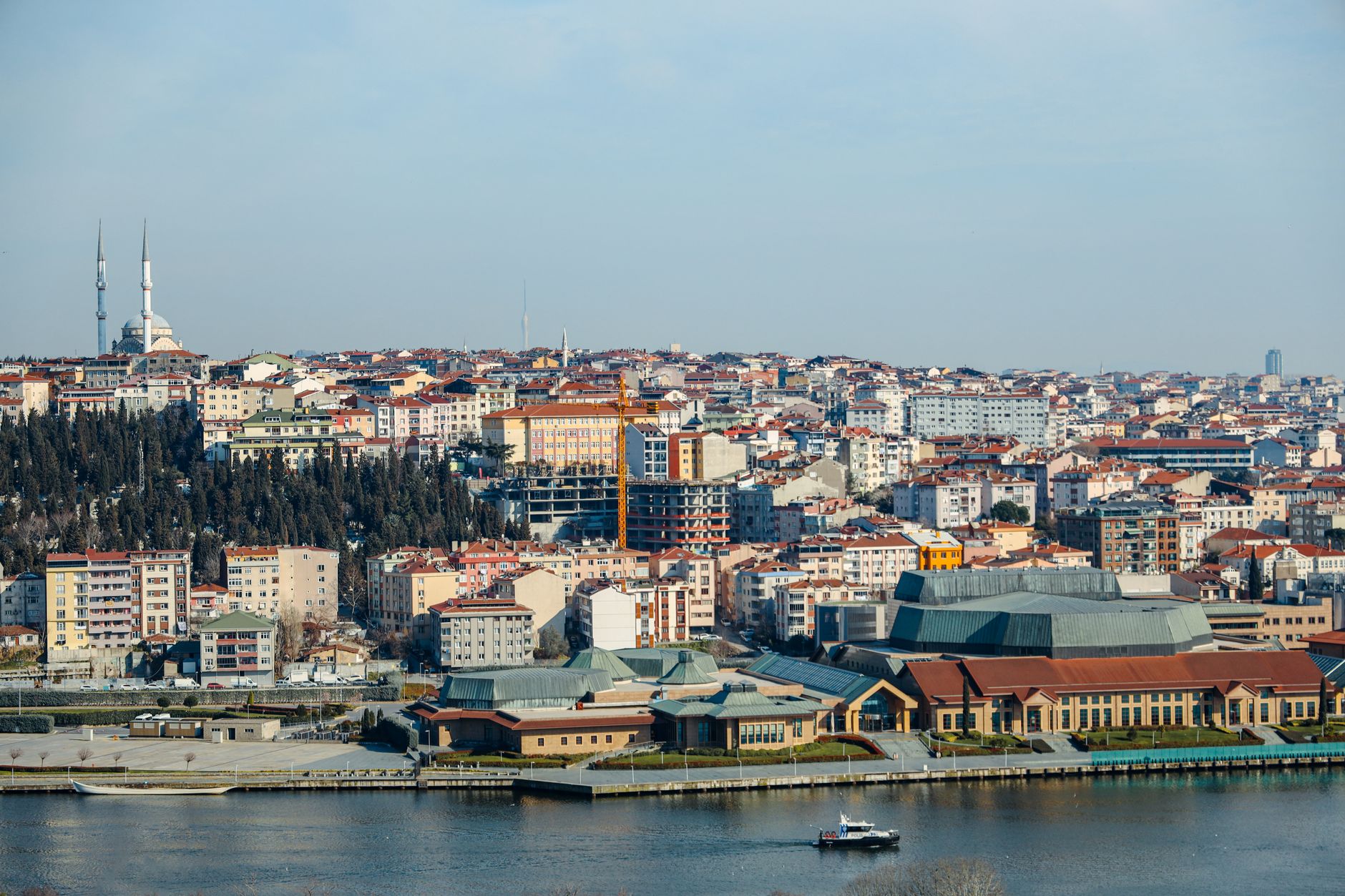
What Growing Patient Volumes Mean in Practice
Rising patient numbers are not an abstraction. They translate directly into the kind of infrastructure that makes a medical trip smoother and safer. Hospitals that treat large international patient populations invest in dedicated international patient departments, multilingual coordinators and clearly structured admission processes.
Appointment capacity expands alongside demand. Clinics add operating theatres, consultation slots and diagnostic capacity, which shortens waiting times for international visitors and makes it easier to plan treatment around travel dates. Many facilities now offer faster scheduling than patients would find in their home systems.
Aftercare pathways mature in parallel. Follow-up video consultations, structured rehabilitation plans, shared digital records and formal communication between the treating team in Türkiye and the patient's local physician have become standard practice at leading institutions. The result is that a medical journey to Türkiye today comes with a deeper support structure than at any point in the sector's history.
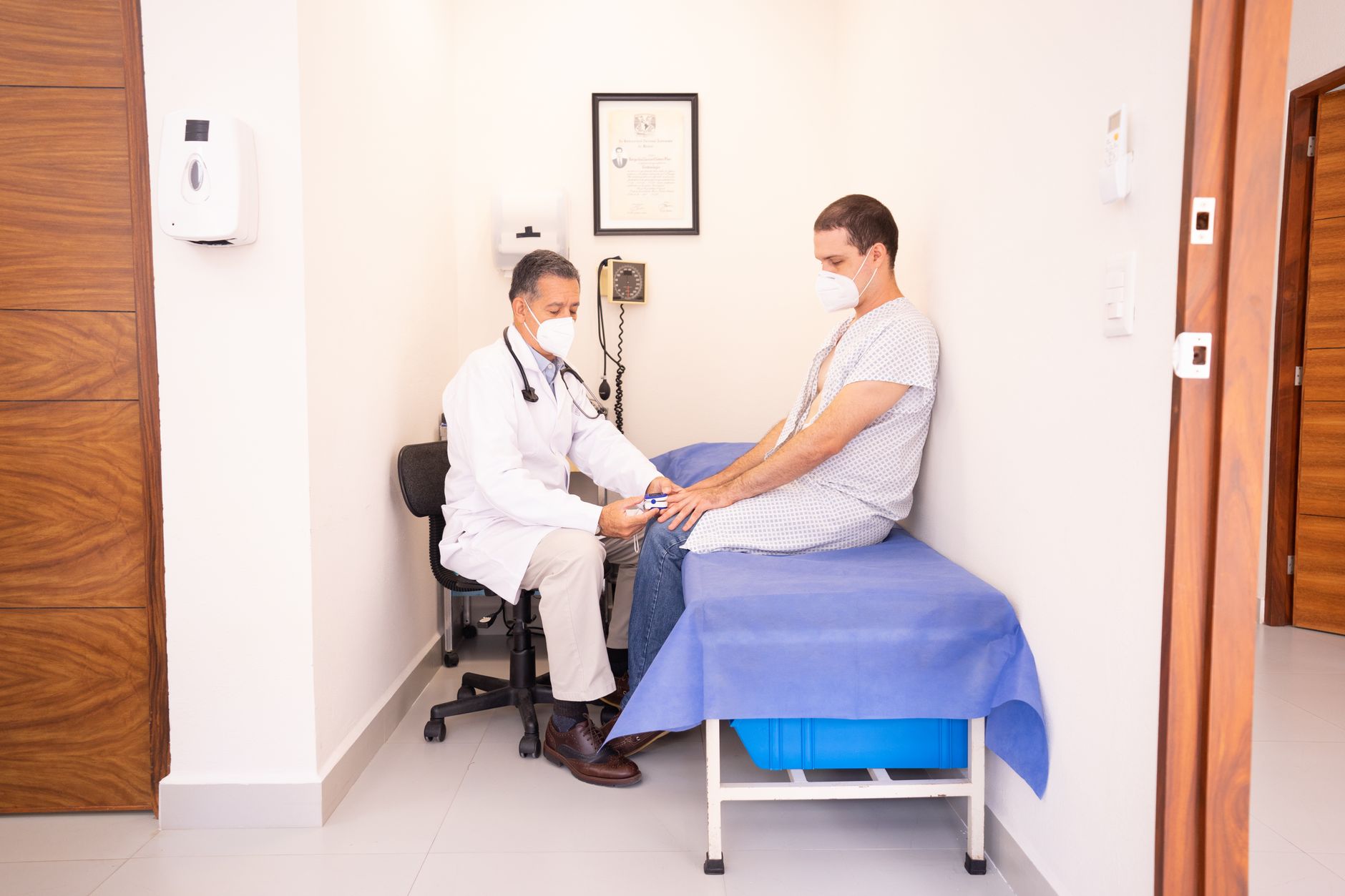
Multi-Language Teams and the Patient Experience
One of the clearest practical effects of sustained international demand is the growth of multilingual teams. Turkish hospitals now routinely employ Arabic-, English-, German-, French-, Russian- and Persian-speaking coordinators, and many provide translation support for consultations, consent discussions and discharge instructions.
This is more than a courtesy. Clear communication is a patient safety issue, and the investment Turkish institutions have made in language services reflects how seriously they take their international caseload. Patients arriving from abroad can expect to understand their diagnosis, their options and their recovery plan in their own language.
Accreditation has grown in step with volume. A substantial number of Turkish hospitals hold Joint Commission International (JCI) accreditation or equivalent certifications, and the country's health ministry maintains active oversight of facilities serving international patients.

Why International Confidence Keeps Growing
The revenue milestone is best understood as a confirmation of trust. International patients are careful decision-makers, and the fact that more of them are choosing Türkiye — and returning, and referring family members — reflects consistent outcomes and professional standards.
Competitive pricing remains part of the appeal, particularly for procedures where patients face long waits or high out-of-pocket costs at home. But price alone does not sustain a $2.5 billion nine-month performance. What sustains it is a track record: modern hospitals, experienced surgeons, short waiting times and a travel infrastructure that makes Istanbul, Ankara, Izmir and Antalya genuinely accessible from most of the world.
Türkiye's geographic position helps. Direct flights connect the country to hundreds of cities, and patients from Europe can often reach a Turkish hospital in less time than it would take to travel to a domestic appointment in another region of their own country.
Looking Ahead to a Record Year
With three months still to report, the sector is close to setting a new annual high. If current momentum holds, 2026 will close as the strongest year on record for Turkish health tourism, extending a growth curve that has remained resilient through global economic uncertainty.
For prospective patients, the message is straightforward. Choosing Türkiye today means entering a health system with substantial international experience, expanded appointment capacity, established multilingual support and aftercare processes designed around people who travel for treatment.
The $2.5 billion figure is a milestone worth noting. More importantly, it is evidence of a system that has grown into its international role — and that continues to earn the confidence of patients from around the world.
Thinking about treatment in Turkey?
Send us a question about this site or about the information published on it. This is a publisher's mailbox, not a medical service and not a route to a particular provider — for clinical questions, contact your own doctor.