

Istanbul, 13 October 2026 — Türkiye's health tourism sector has crossed the $2 billion revenue mark this year, with official figures confirming another year of sustained double-digit growth. As the winter patient season opens, hospitals in Istanbul, Ankara, Antalya and Izmir are reporting strong forward bookings from international patients — and, crucially, the money flowing in is being ploughed straight back into equipment, staffing and shorter waiting times.
For patients planning treatment abroad, the headline number matters less than what it funds. Rising revenue means newer imaging suites, expanded specialist rosters and more appointment capacity across the country's internationally accredited hospitals.
Confirmed Growth: Revenue Passes $2 Billion
Health tourism revenue has now climbed past $2 billion, extending a run of steady annual increases that has made Türkiye one of the world's most visited destinations for medical care. Hair transplantation, dental treatment, eye surgery, orthopaedics, oncology and bariatric procedures continue to lead demand, with strong interest also in aesthetic and IVF services.
The growth is broad-based. Istanbul remains the dominant hub, handling the largest share of international patients, while Antalya and Izmir report growing winter volumes as patients combine treatment with recovery time in a milder climate.
Authorities credit a combination of internationally accredited hospitals, competitive pricing and direct flight connections from Europe, the Middle East, Central Asia and Africa. The winter season is opening noticeably stronger than in previous years, according to hospital booking data.
What the Numbers Mean for Patients
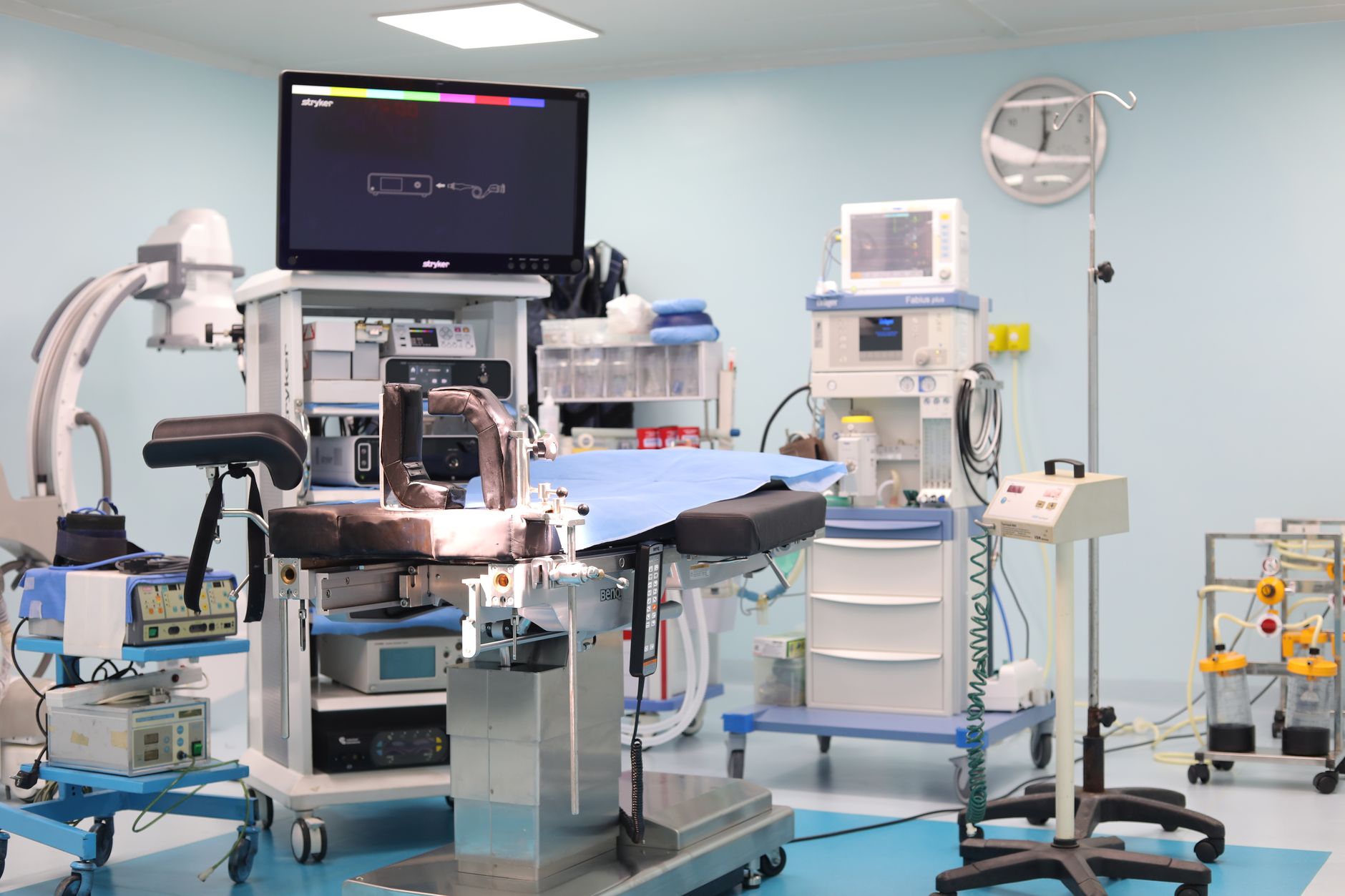
The most tangible benefit of rising revenue is reinvestment. Hospital groups across Türkiye are using higher patient volumes to upgrade diagnostic equipment, expand intensive care capacity and renovate patient wards — improvements that directly affect the experience of international visitors.
Specialist teams are also growing. Clinics report hiring additional surgeons, anaesthetists and multilingual patient coordinators to handle winter demand, which in turn supports shorter waiting times for consultations and procedures.
In practical terms, patients can expect faster appointment scheduling, more choice of treatment dates and a wider pool of specialists to choose from than was the case even two years ago.

Winter Season Opens With Strong Bookings
Winter has traditionally been a quieter period for Turkish medical tourism, but that pattern is shifting. Hospitals in Istanbul and Antalya report that November-to-February bookings are filling earlier than usual, helped by patients keen to recover away from peak summer heat.
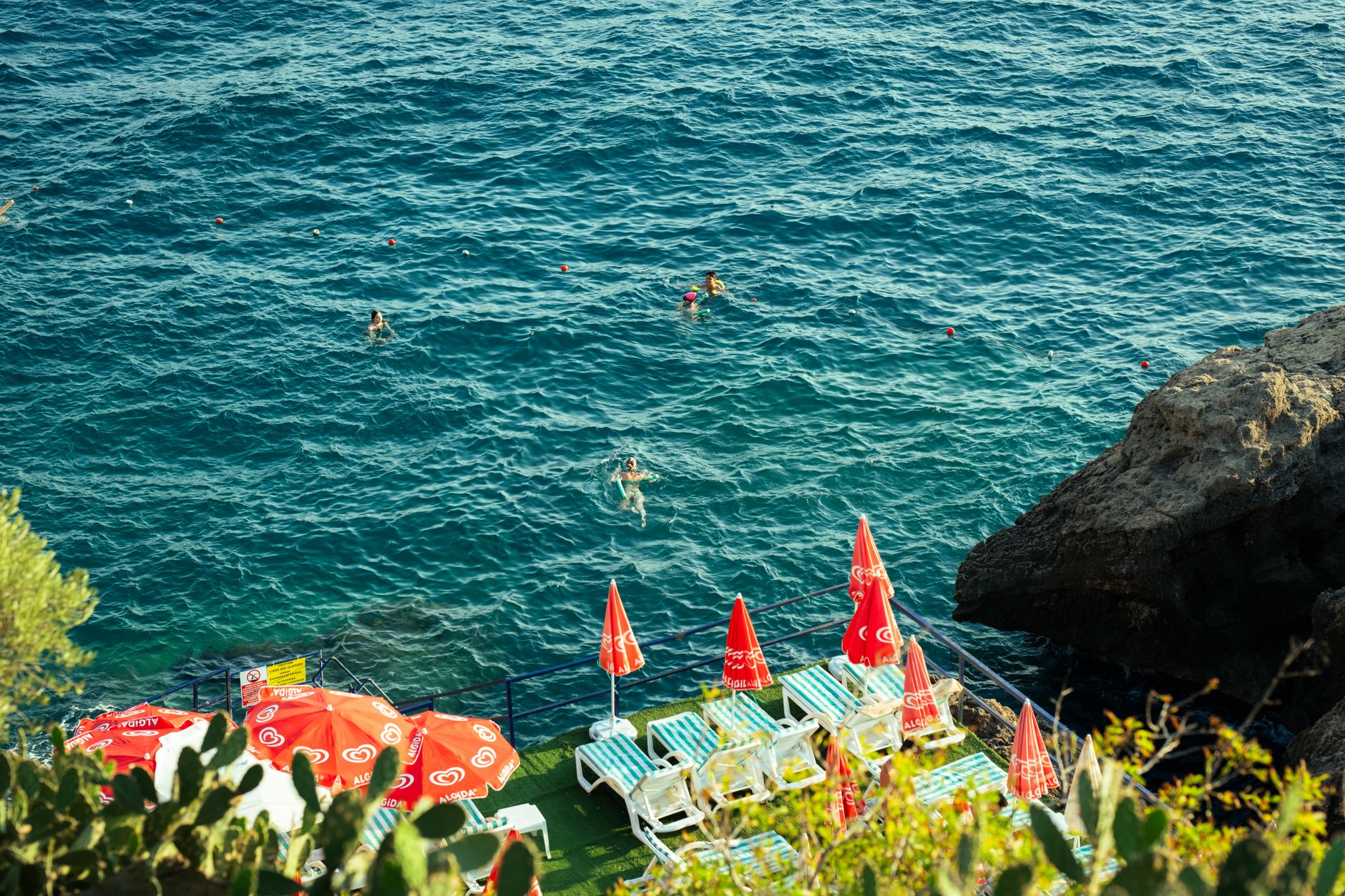
Milder weather in the southern coastal regions makes Antalya and Izmir particularly attractive for procedures requiring a recovery period, while Istanbul's concentration of accredited hospitals keeps it the first choice for complex surgery.
Patient coordinators note that winter slots are often easier to secure at short notice — an advantage for patients whose home-country waiting lists are long.
Investment in Equipment and Specialist Teams
Reinvestment is visible across the sector. New MRI and CT scanners, robotic surgery platforms and advanced radiotherapy equipment have been installed at several major hospitals this year, supported by rising international patient income.
Training programmes for clinical staff have also expanded, with hospitals partnering on international fellowships and simulation-based training. This strengthens the specialist base that international patients rely on.
The result is a virtuous circle: better facilities attract more patients, and more patients fund further improvement — a dynamic that benefits locals and visitors alike.
Why International Patients Keep Choosing Türkiye
Cost remains a major factor, with treatment in Türkiye typically priced well below equivalent care in Western Europe or North America. But patients increasingly cite quality and speed as decisive: accredited hospitals, experienced surgeons and appointment times measured in days rather than months.
"Patients are no longer choosing Türkiye only on price," one Istanbul-based patient coordinator said. "They come for accredited hospitals, fast scheduling and specialist teams — the price is a bonus, not the whole story."
Direct flights from more than 100 countries, visa-free or e-visa access for many nationalities, and English-speaking coordinators at major hospitals all lower the practical barriers to treatment.
What Patients Should Know Before Booking
With winter demand rising, patients planning treatment in the coming months should book early to secure preferred dates and surgeons. Confirming a hospital's international accreditation, requesting a detailed treatment plan and clarifying aftercare arrangements remain essential steps.
- Ask for a written quotation covering surgery, hospital stay, medication and follow-up.
- Check accreditation status and surgeon credentials directly with the hospital.
- Confirm the number of follow-up consultations included in your package.
- Plan recovery time around the milder winter climate if you choose a coastal city.
For international patients, the passing of the $2 billion milestone is more than a statistic. It is confirmation that Türkiye's medical infrastructure is expanding, its specialist teams are growing and its appointment capacity is improving — all of which translates into shorter waits and better-equipped care this winter.
Thinking about treatment in Turkey?
Send us a question about this site or about the information published on it. This is a publisher's mailbox, not a medical service and not a route to a particular provider — for clinical questions, contact your own doctor.