

Why Families Are Choosing Türkiye for Children's ENT Surgery
Every parent who has watched a child struggle to breathe at night, wake repeatedly with sore throats or sit frustrated at the front of the classroom because of glue ear knows the same feeling: you want this fixed, and you want it fixed gently. In many countries, that means months on a waiting list, a rushed pre-op appointment and a hospital corridor that feels anything but child-friendly.
Türkiye has quietly become a destination for paediatric ear, nose and throat (ENT) procedures — tonsillectomy, adenoidectomy, grommet (ventilation tube) insertion and the combined adenotonsillectomy. Turkish hospitals treat these operations as routine, high-volume day-to-day work, which is exactly what you want: experienced hands, predictable outcomes and protocols refined over thousands of small patients.
Just as importantly, Turkish clinics have built their paediatric ENT units around the family, not around the operating list. Child-life specialists, play therapists, paediatric-trained anaesthetists and parent-friendly recovery rooms are standard in the international departments of Istanbul, Ankara and Izmir. Add waiting times measured in days rather than seasons, and it becomes clear why so many families now plan a medical trip rather than endure a long queue at home.
Child-Friendly ENT Units: Designed for Small Patients, Not Just Small Adults
The first thing parents notice in a well-run Turkish paediatric ENT department is the noise — or rather, the lack of it. Corridors are separated from adult wards, waiting areas are stocked with soft play corners, and examination rooms have child-height furniture so a four-year-old can see what is happening instead of staring up at a wall of white coats.
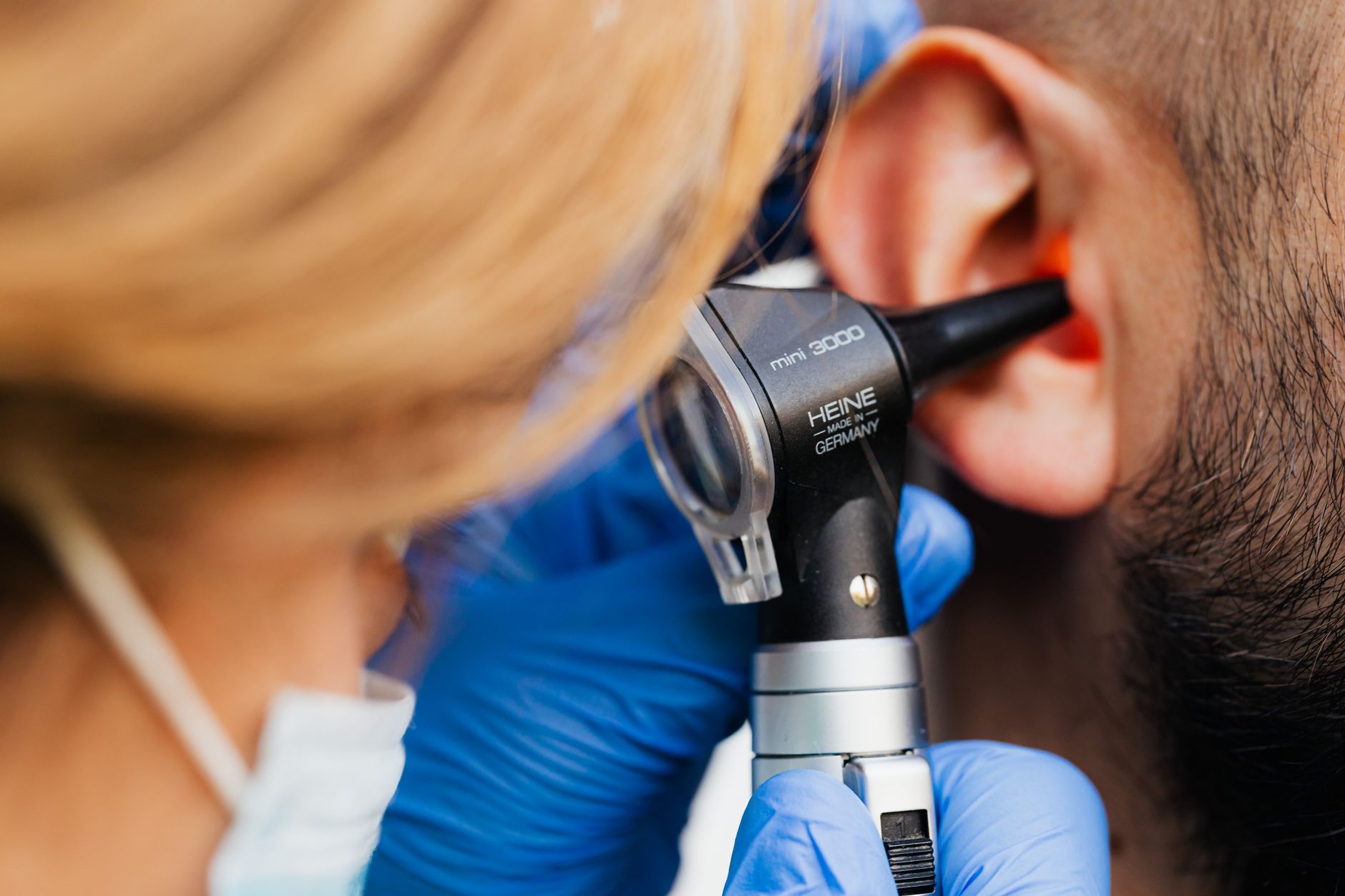
ENT examinations for children require cooperation, and Turkish paediatric units invest heavily in getting it. Otoscopes are introduced as "torches to look for the little drum," nasal endoscopy is explained with picture books, and nurses are trained to crouch to a child's eye level. For children with enlarged adenoids or chronic tonsillitis, this calm approach often means the consultation ends with a cooperative child rather than a distressed one — and far more accurate findings for the surgeon.
Many international departments also run dedicated paediatric operating days, so children are not mixed into adult lists. Theatre teams rehearse the same sequence for every child: a familiar toy, a parent present until sleep, a warmed blanket, and a nurse whose only job is to stay with that one patient from induction to wake-up. It is a small logistical detail with an enormous effect on how your child remembers the day.
Paediatric Anaesthesia Expertise: The Reassurance Parents Actually Need
Ask any parent what worries them most about tonsillectomy, and the answer is rarely the surgeon. It is the anaesthetic. Turkish hospitals that serve international families address this head-on with anaesthesia teams who subspecialise in children, not adults who occasionally treat them.
Paediatric anaesthetists in Türkiye's established centres use weight-based, protocol-driven dosing, child-specific airway equipment in a full range of sizes, and continuous monitoring tailored to small bodies. Pre-operative assessment is thorough but unhurried: a full history of snoring, apnoea episodes, asthma, allergies and previous reactions, plus a check for loose teeth and recent colds — because a cough or fever on the day may mean rescheduling rather than risk.
Parents are typically encouraged to stay with their child during induction until sleep, and to be in the recovery bay as they wake. Modern agents mean most children are alert, drinking and asking for a tablet within a couple of hours. Pain control follows a multimodal plan — paracetamol and ibuprofen on a strict schedule, with opioid-sparing techniques where appropriate — and every family leaves with written, language-appropriate instructions.
The question worth asking in consultation is simple and welcome: "How many children does my anaesthetist anaesthetise each week?" In Türkiye's paediatric centres, the answer is usually dozens. Volume, in children's anaesthesia, is safety.
Play Therapy and Psychological Support: Turning Fear into Familiarity
Play therapy is not a luxury add-on in Turkish paediatric ENT units — it is part of the clinical pathway. Certified child-life specialists use medical play to let children handle a mask, a stethoscope or a soft toy that "has its tonsils out" first. By the time the real mask arrives, it is an old friend.
For anxious children, this dramatically reduces the need for pre-medication and shortens recovery. For parents, it removes one of the cruellest parts of surgery abroad: the feeling that you must become your child's anaesthetist, interpreter and entertainer all at once. Instead, a professional whose whole job is children's emotional comfort takes that weight.
Older children and teenagers are handled differently. Play specialists explain the procedure honestly, answer questions about voice changes (usually minimal after tonsillectomy) and recovery timelines, and rehearse what waking up will feel like. Siblings are welcomed too — many units provide play areas so brothers and sisters are not parked in a corridor, and family rooms let everyone stay together during the operation.
Ask about play-therapy availability when you enquire. In many Istanbul and Ankara children's hospitals it is included, not optional, and it is often available in English, Arabic, Russian, German or other languages through the international patient office.
Short Waiting Times: From First Enquiry to Surgery in Days
The single most practical advantage for international families is speed. Where public systems may quote 6–18 months for adenotonsillectomy in a child with obstructive sleep apnoea, Turkish private and university hospitals routinely schedule within days of a confirmed diagnosis, and often complete consultation, tests and surgery inside a single week-long trip.
A typical pathway looks like this: send reports, sleep-study results or a video of your child's breathing to the international office; receive a surgeon's opinion and a written quotation within 24–72 hours; fly in; attend a pre-operative assessment and ENT consultation on day one; surgery on day two or three; discharge the same day or after one night; a post-operative check before you fly home on day five to seven.
That compressed timeline matters clinically, not just emotionally. Children with severe obstructive sleep apnoea, recurrent tonsillitis or persistent glue ear affecting speech and learning should not wait a year for relief. Türkiye's capacity means the operation happens while it is most needed — and the family avoids months of disrupted sleep, missed school and repeated antibiotics.
It also makes planning easier. You can align school holidays, book flights with confidence and know the whole journey will fit into a normal leave period rather than stretching across a year of uncertainty.

Coordinated Family Stays Near the Hospital
Surgery abroad only works when logistics work. Türkiye's medical-tourism infrastructure has matured precisely here: international patient departments arrange airport transfers, hospital appointments, interpreters and accommodation in one coordinated package, usually within walking distance of the paediatric ward or a short, quiet drive away.
Look for family-friendly options rather than standard tourist hotels. Good choices near Istanbul's major hospitals offer apartments with a kitchenette for preparing soft foods, a lift for a tired child, laundry for post-operative spills, and — crucially — a location close enough that one parent can rest while the other stays at the bedside. Many hospitals have reciprocal arrangements with nearby aparthotels and can hold a room for you at short notice if recovery takes an extra night.
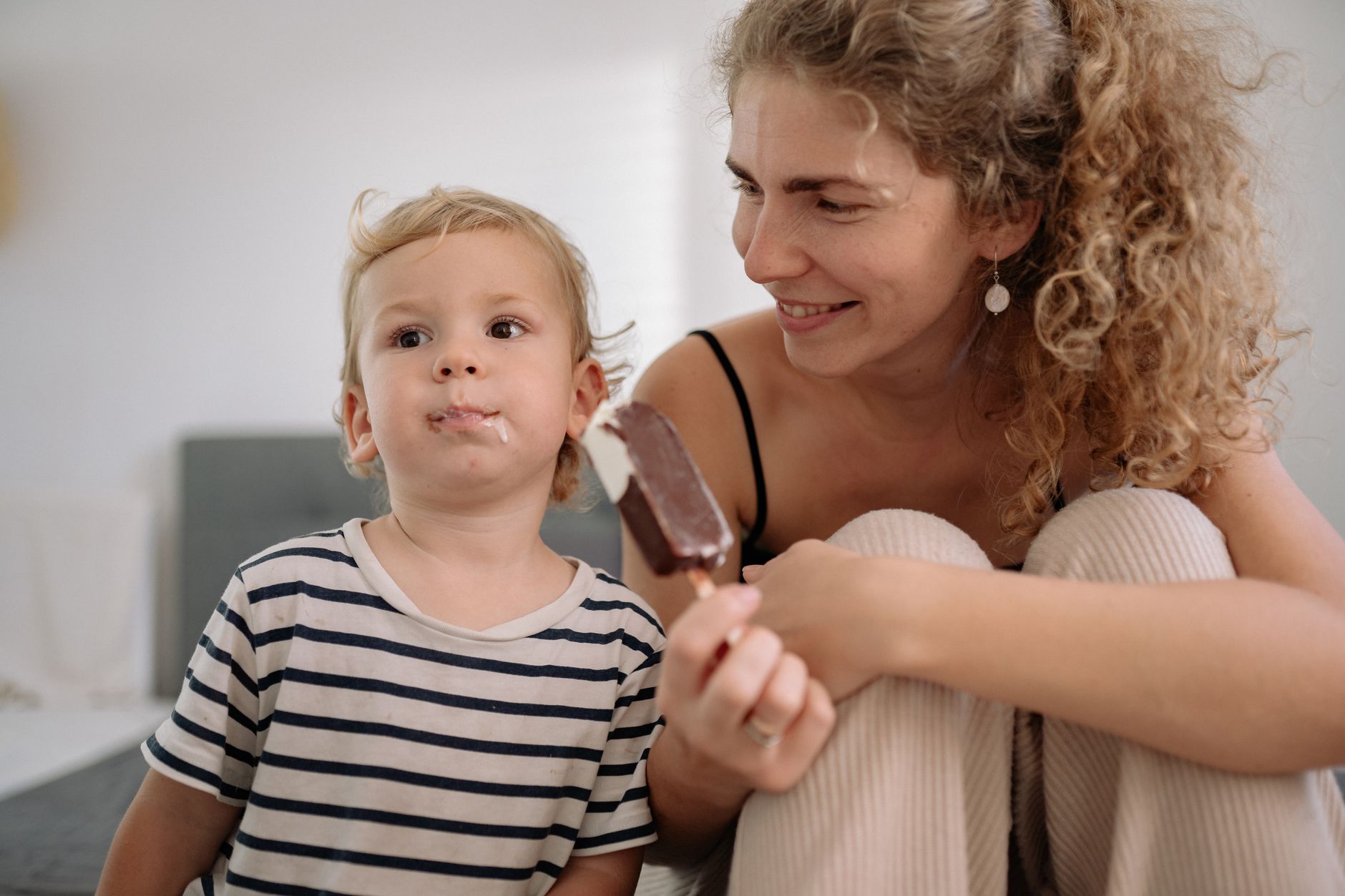
Consider the recovery rhythm before you book. Days one to three after adenotonsillectomy are for rest, cool drinks and ice cream, not sightseeing. Days four to seven, most children are ready for gentle outings — a Bosphorus ferry, a park, a short museum visit. Families who plan a calm first half and a lighter second half enjoy the trip far more than those who schedule Istanbul's highlights from day one.
Finally, use the hospital's interpreter service for the pre-operative consent conversation. It is the one discussion where nothing should be lost in translation, and many Turkish hospitals provide professional medical interpreters free of charge.
What to Pack for Your Child's ENT Trip
Packing for surgery is different from packing for a holiday. Bring comfort items first: a favourite blanket, small pillow, cuddly toy and a tablet loaded with offline shows. Loose pyjamas with front buttons are easier than overhead tops after throat surgery, and slip-on shoes save bending.
- Medical paperwork: vaccination records, allergy list, current medications, previous ENT letters, sleep-study or hearing-test results, and insurance details — plus photocopies and phone photos of everything.
- Soft-food kit: a small cool bag, reusable water bottle with a straw, and favourite yoghurt, custard or jelly brands if your child is a picky eater.
- Comfort and entertainment: crayons, sticker books, headphones, a night light for an unfamiliar room, and a small reward for after the operation.
- Practical extras: children's paracetamol and ibuprofen in your own brand if you prefer, a thermometer, wet wipes, spare chargers and adapters, and a light cardigan for air-conditioned wards.
Leave room in the suitcase for hospital paperwork and any prescribed medication. And pack for the parent too — comfortable shoes, snacks and a refillable coffee cup make the long hospital days much kinder.
Questions to Ask During Consultation
A good Turkish paediatric ENT consultation welcomes questions. Write yours down in advance and, if you need to, ask the interpreter to translate them literally so nothing is softened or skipped.
- How many of these operations do you and your anaesthetist perform each month on children of my child's age?
- Is the anaesthetist a paediatric subspecialist, and can we meet them before the day of surgery?
- What is your policy on a parent staying for induction and being present in recovery?
- Which technique will you use — cold-steel dissection, coblation, radiofrequency — and why is it suitable for my child?
- How is pain managed afterwards, and what is your protocol if bleeding occurs at home?
- Is play therapy or a child-life specialist included, and in which language?
- How soon can we fly home, and who provides the post-operative check before departure?
Ask also about outcomes and follow-up: how many children return with bleeding, how hearing is re-tested after grommets, and how the hospital stays in contact with your GP or ENT at home. Reputable centres answer all of this without hesitation and give you the answers in writing.
Planning a Calm, Confident Medical Trip
Türkiye's paediatric ENT offering works because it treats the whole family as the patient. Child-friendly wards, genuinely specialist paediatric anaesthesia, play therapy woven into the clinical day, and waiting times short enough to solve a problem this month rather than next year — these are not marketing claims but the ordinary standard in the country's established hospitals.
Start by contacting two or three international patient departments with your child's reports and a clear question: what is the plan, the timeline and the total cost, all-in? Compare how quickly and how warmly they reply. Then book flights with a buffer, choose accommodation you can walk to, and pack for comfort rather than sightseeing.
Your child will remember the ice cream and the friendly nurse far longer than the operation itself. With the right Turkish hospital and a little planning, a frightening word like adenotonsillectomy becomes a calm week away — and a child who finally sleeps through the night.
Thinking about treatment in Turkey?
Send us a question about this site or about the information published on it. This is a publisher's mailbox, not a medical service and not a route to a particular provider — for clinical questions, contact your own doctor.