

Why Pelvic Floor Health Deserves Serious Attention
The pelvic floor is a remarkable yet often overlooked group of muscles that supports the bladder, bowel and, in women, the uterus. When these muscles weaken, tighten or lose coordination — after childbirth, prostate or gynaecological surgery, or through years of chronic pain — the consequences can be life-altering. Leakage, heaviness, painful intimacy and persistent pelvic pain are common, yet many people quietly accept them as unavoidable.
In Türkiye, that assumption is being challenged. Across major cities such as Istanbul, Ankara and Izmir, hospitals and specialist clinics have developed structured pelvic floor rehabilitation programmes that combine advanced diagnostics, biofeedback technology and personalised exercise therapy. These services are designed not merely to treat symptoms, but to restore comfort, function and confidence.
For international patients, Türkiye's hospital-based approach offers something increasingly rare: discreet, respectful care delivered within a comprehensive medical infrastructure — and at a fraction of the cost of comparable programmes in Western Europe or North America.
Specialist Programmes for Women After Childbirth
Pregnancy and delivery place extraordinary demands on a woman's pelvic floor. Whether birth was vaginal or by caesarean section, the muscles and connective tissue can be stretched, torn or simply deconditioned. In Türkiye, postnatal pelvic floor rehabilitation typically begins with a detailed assessment by a women's health physiotherapist, often within six to eight weeks of delivery.
Programmes may include gentle activation exercises, manual therapy, breathing coordination and progressive strength training. Special attention is given to diastasis recti (abdominal separation), scar tissue from caesarean sections or episiotomies, and the safe return to exercise. Many hospitals also integrate lactation-safe scheduling and childcare-friendly appointment times, recognising the realities of new motherhood.
Women who have experienced more significant trauma — severe tears, prolapse or pelvic girdle pain — can access multidisciplinary teams including urogynaecologists, physiotherapists and pain specialists. The emphasis is always on conservative, non-surgical recovery first, with surgery reserved only when genuinely necessary.
Rehabilitation for Men After Prostate or Pelvic Surgery
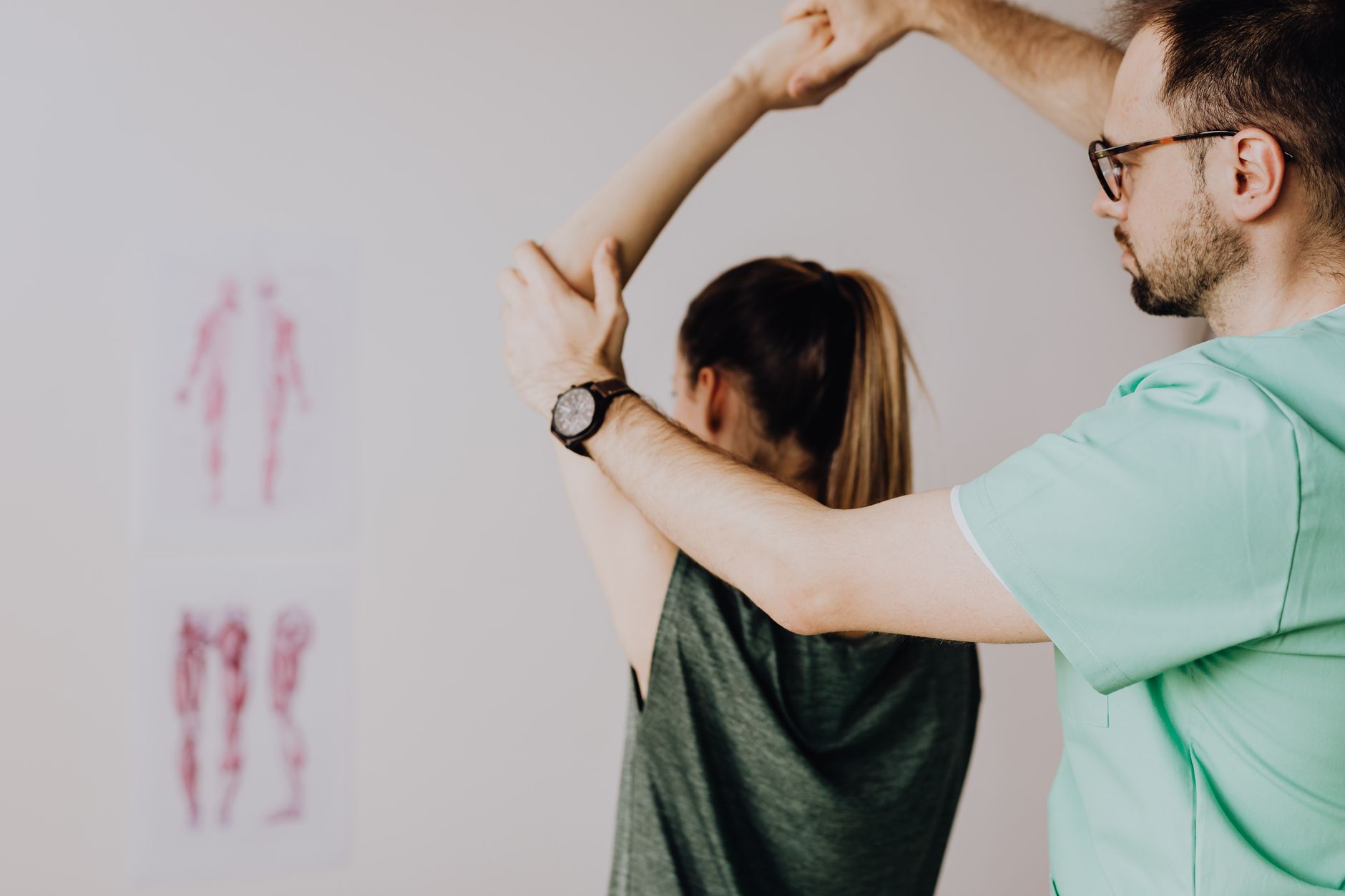
Pelvic floor rehabilitation is not only a women's issue. Men undergoing prostate surgery, bladder surgery or treatment for pelvic cancers frequently experience incontinence and erectile dysfunction. Turkish hospitals have responded with dedicated male pelvic floor programmes, often starting prehabilitation before surgery to strengthen muscles in advance.
Post-operative rehabilitation focuses on urinary control, bowel function and sexual health. Physiotherapists use biofeedback and electrical stimulation where appropriate, teaching patients how to isolate and train the correct muscles — a skill that is surprisingly difficult without expert guidance. Partners are welcomed into sessions when the patient wishes, promoting understanding and shared progress.
Because these services sit within full hospital settings, patients with complex medical histories can be managed safely, with urology, oncology and physiotherapy teams communicating closely. This integrated model is one of Türkiye's key advantages.
Chronic Pelvic Pain: A Multidisciplinary Approach
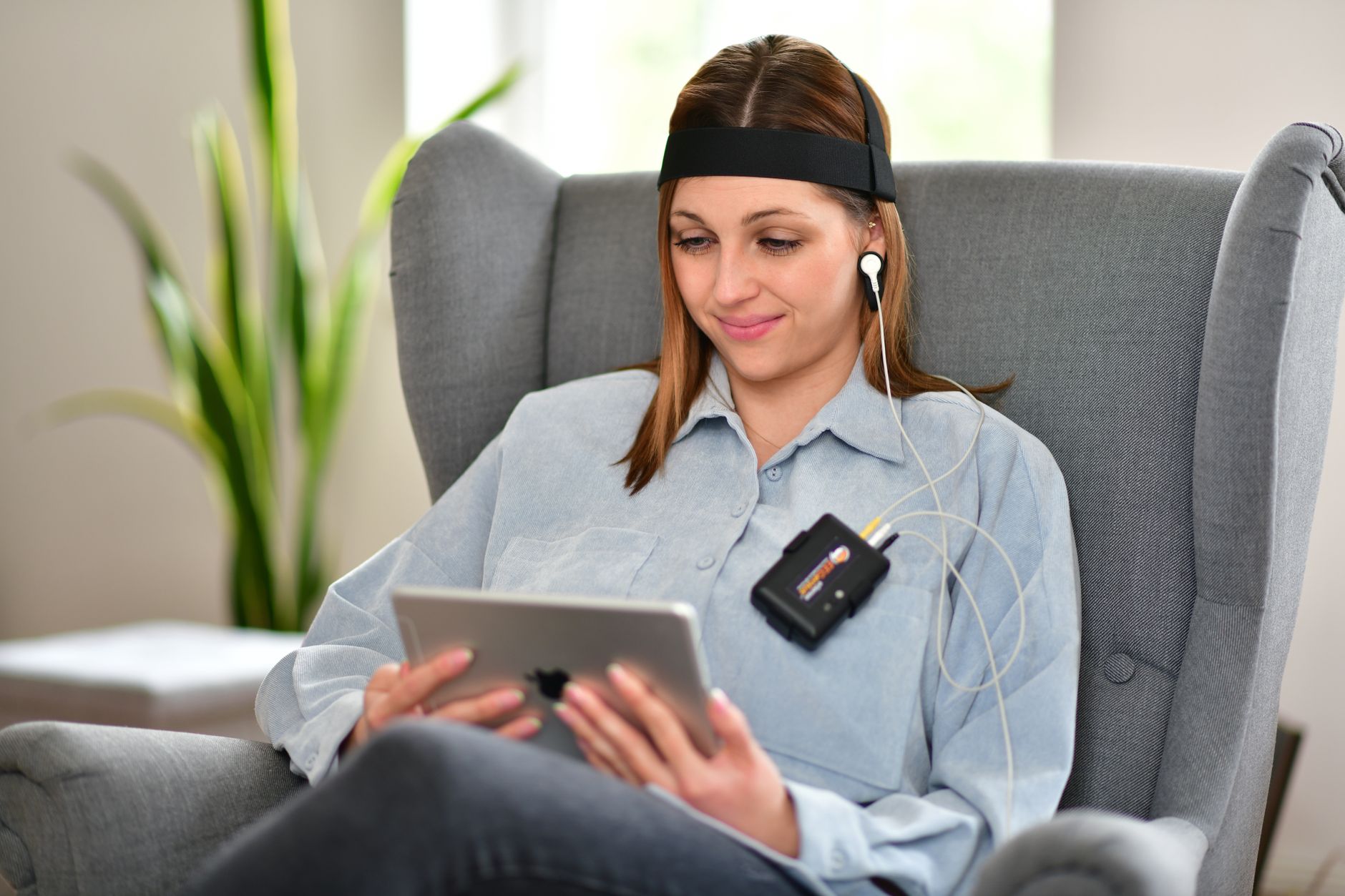
Chronic pelvic pain — lasting three months or more — affects both women and men and is notoriously difficult to treat. In Türkiye's leading centres, it is addressed through a genuinely multidisciplinary lens. Physiotherapists work alongside gynaecologists, urologists, pain physicians, psychologists and sex therapists to untangle the overlapping muscular, neurological and emotional factors involved.
Treatment may include manual therapy to release trigger points, graded exposure to movement, breathing retraining, and education about the nervous system's role in persistent pain. Biofeedback helps patients visualise muscle activity in real time, turning abstract sensations into measurable progress.
For international patients, this holistic approach can be a revelation. Many arrive having been told their pain is 'in their head' or that nothing more can be done. A structured, respectful programme that validates their experience and offers tangible tools for improvement is often the turning point.
Biofeedback Technology and Structured Exercise Plans
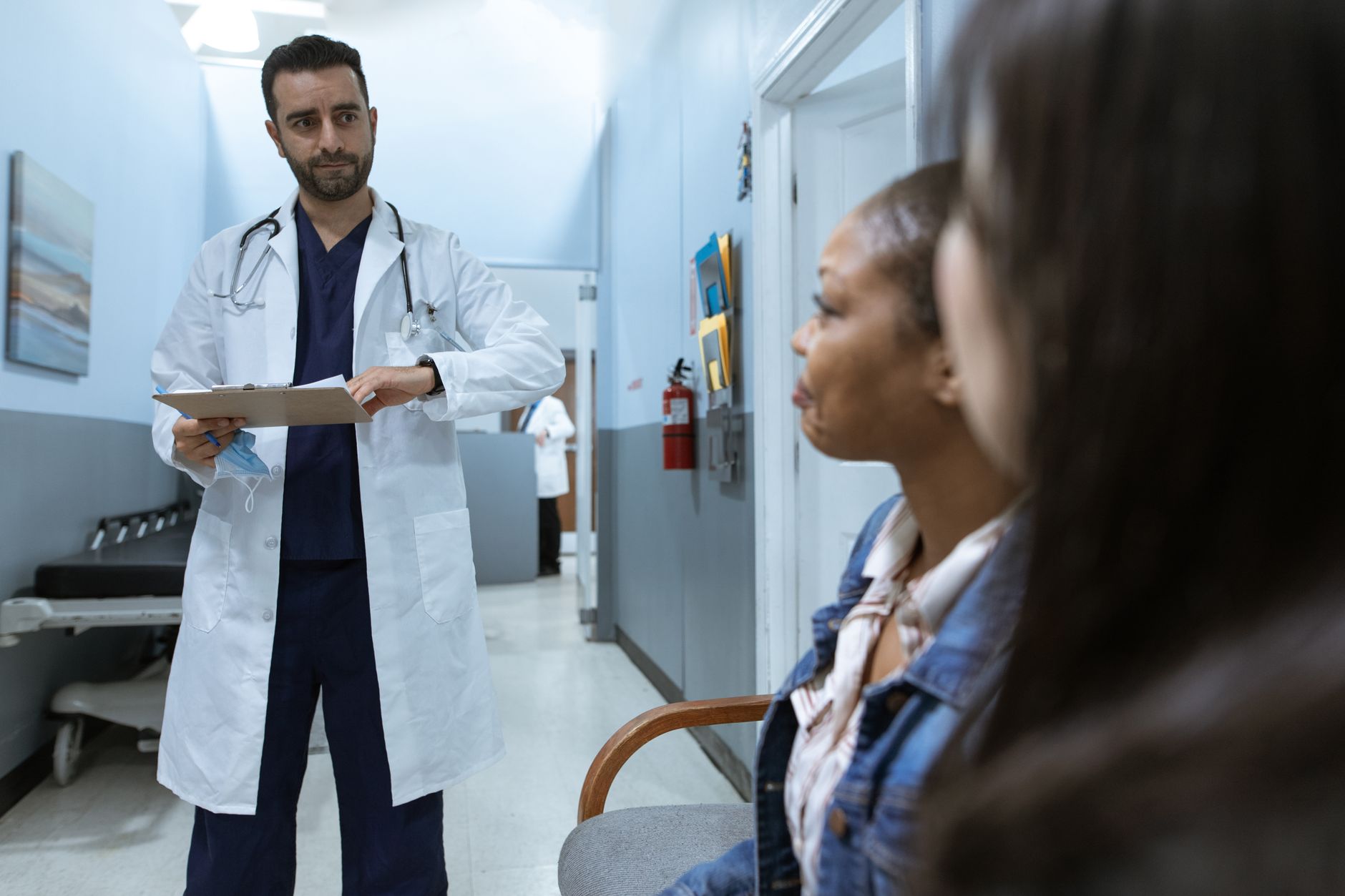
One of the defining features of Türkiye's hospital-based pelvic floor rehabilitation is the use of biofeedback technology. Surface electrodes or small internal sensors detect muscle activity and display it on a screen, allowing patients to see whether they are contracting correctly, relaxing fully or compensating with other muscles.
This technology is particularly valuable for patients who struggle to identify their pelvic floor — a common issue after surgery or trauma. It also makes progress visible, which boosts motivation and adherence. Sessions typically combine biofeedback with a structured home exercise plan, often delivered via an app with video guidance and reminders.
Electrical stimulation may be used in selected cases to awaken dormant muscles or calm overactive ones. All equipment is hospital-grade and regularly calibrated, and sessions are conducted in private rooms by qualified physiotherapists who explain every step. Patients leave with a clear, written plan in their own language wherever possible.

Discreet, Respectful Care for International Patients
Türkiye's medical tourism infrastructure is well developed, and pelvic floor rehabilitation is no exception. International patient departments coordinate appointments, translation, accommodation and airport transfers. Clinics are designed for privacy, with separate waiting areas and soundproofed treatment rooms. Consent is detailed and ongoing, and patients are always in control of what happens and who is present.
Cultural sensitivity is taken seriously. Female patients can request female therapists, and male patients male therapists. Chaperones are available on request. Care teams are trained to discuss intimate matters with professionalism and without embarrassment, recognising that pelvic health concerns can feel deeply personal.
Many hospitals offer packages that combine assessment, a block of therapy sessions and a follow-up telehealth programme, so patients can continue their rehabilitation at home with remote support. This continuity is especially valued by those who travel from abroad.
Türkiye's Commitment to Quality of Life Beyond the Operating Theatre
Türkiye is rightly known for its advanced surgical care and world-class hospitals. Yet the country's healthcare vision extends far beyond the operating theatre. Pelvic floor rehabilitation is a clear expression of that broader commitment: to helping people live well, not just survive treatment.
Investment in physiotherapy training, biofeedback equipment and multidisciplinary clinics reflects a shift toward patient-centred, function-focused care. Hospitals measure success not only in surgical outcomes but in whether a mother can laugh without leaking, whether a man can return to work confidently after prostate surgery, or whether someone with chronic pain can enjoy intimacy again.
For international patients, this means access to a level of rehabilitation that is often scarce, expensive or fragmented elsewhere. Combined with Türkiye's warmth, hospitality and opportunity to recover in a beautiful setting — from the Bosphorus to the Aegean coast — it is an offer that is as humane as it is medically sound.
What to Expect on Your Rehabilitation Journey
Most programmes begin with a 60–90 minute initial assessment covering medical history, symptoms, goals and a gentle physical examination. This is followed by a personalised plan, typically involving weekly sessions for six to twelve weeks, plus daily home exercises.
Progress is reviewed regularly using validated questionnaires and objective measures. Adjustments are made as needed, and discharge planning begins early so patients feel confident managing their own routine. Follow-up can continue via video consultation.
If you are considering pelvic floor rehabilitation in Türkiye, the first step is simply to ask. Contact a hospital's international patient department, describe your situation, and request a physiotherapy consultation. You will find a team ready to listen, to explain, and to help you regain comfort and confidence — one session at a time.
Thinking about treatment in Turkey?
Share your contact details and a verified doctor will follow up with a plan built around you — free, no obligation.