

Why Major Weight Loss Deserves a Thoughtful Surgical Plan
Losing 40, 60, or even 100 kilograms is one of the most remarkable achievements a person can accomplish. Yet many patients discover that the celebration comes with an unexpected twist: the skin that once stretched to accommodate extra volume does not always snap back. Loose, redundant tissue around the abdomen, arms, thighs, breasts, and face can obscure the contours of a healthier body and, in some cases, cause rashes, chafing, and discomfort during exercise.
This is where body-contouring surgery after weight loss becomes a genuinely transformative next chapter. In Türkiye, hospital-based plastic surgery has become a recognized specialty for these patients, because the procedures involved are not simple cosmetic touch-ups. They are reconstructive operations that remove significant amounts of skin and fat, reshape underlying tissue, and sometimes require several hours in the operating room.
Turkish plastic surgeons working in accredited private hospitals have developed a structured, staged approach to these cases. Rather than treating each area in isolation, they design a roadmap that considers your medical history, your remaining skin quality, your nutritional status, and the recovery time you can realistically commit to. The goal is not just a flatter stomach or firmer arms, but a body that matches the effort you have already invested.
The Pre-Operative Assessment: More Than a Consultation
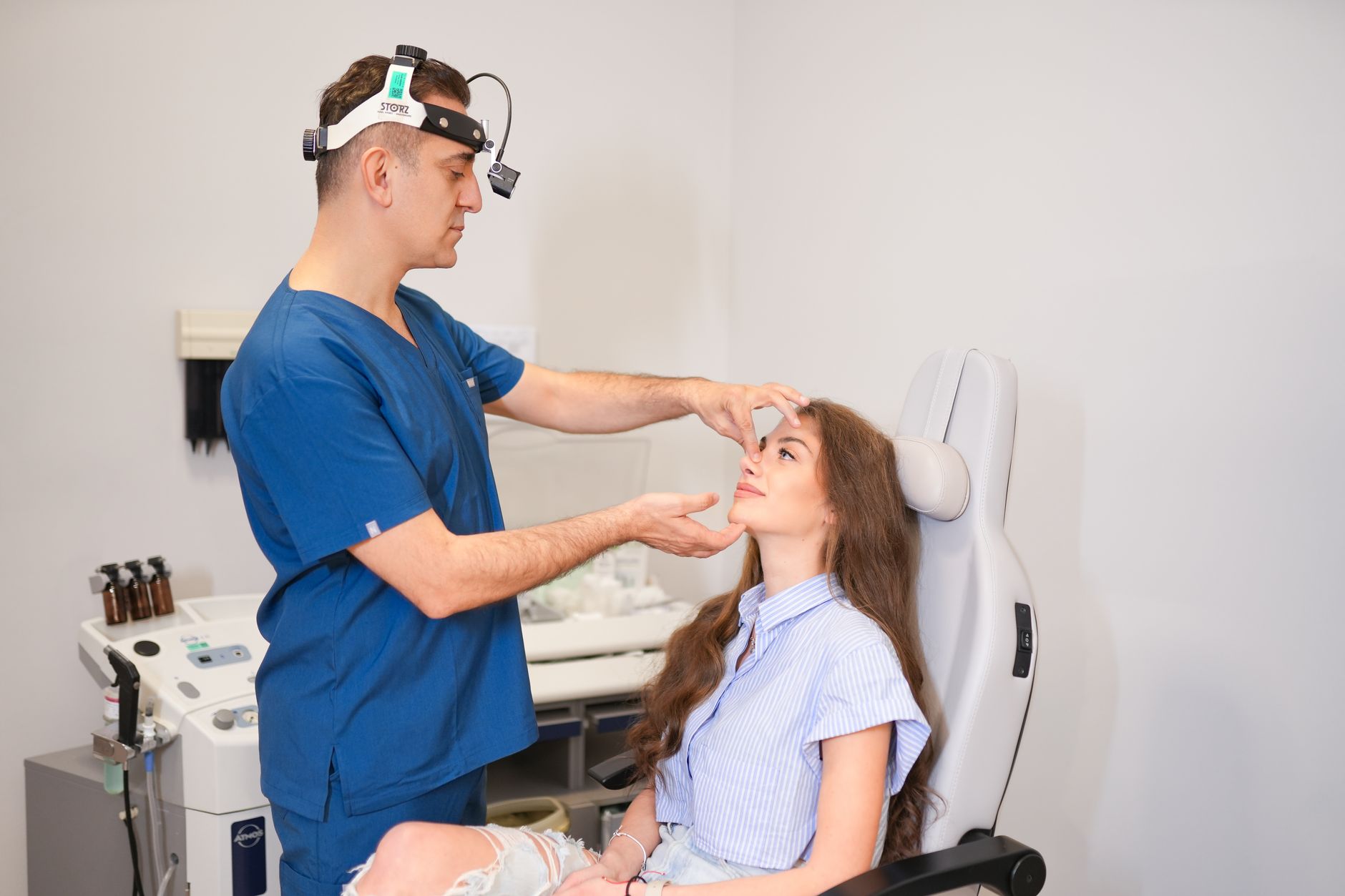
For patients considering body contouring in Türkiye, the first step is a comprehensive pre-operative evaluation that typically spans one or two days. It begins with a detailed medical history: how the weight was lost, whether through diet, medication, or bariatric surgery, and how long your weight has been stable. Surgeons generally prefer that you have maintained a stable weight for at least six to twelve months before any contouring procedure, because operating on a body that is still changing can compromise results.
Blood tests, nutritional panels, and sometimes cardiac or pulmonary assessments follow. This matters because patients after major weight loss can have hidden deficiencies in iron, vitamin B12, vitamin D, or protein. These deficiencies affect wound healing, and a responsible surgical team will either correct them before surgery or adjust the plan accordingly. In many Turkish hospitals, a dietitian and an internal medicine specialist join the plastic surgeon in reviewing your case.
The physical examination is equally thorough. The surgeon assesses skin elasticity, the amount of excess tissue, muscle separation in the abdomen, and the quality of scars from previous surgeries. Photographs are taken from multiple angles, not for marketing but for surgical planning and for tracking your results later. You will also discuss your priorities: which area bothers you most, what clothing you want to feel comfortable in, and how much recovery time you can afford.
By the end of this process, you should leave with a written plan that lists the proposed procedures, the number of stages, the estimated operating time for each stage, and the recovery expectations. A surgeon who rushes this conversation is a surgeon worth reconsidering.
Designing a Staged Body-Contouring Plan
Because major weight loss affects multiple regions, surgeons rarely recommend addressing everything in a single operation. Combining a lower body lift, arm lift, thigh lift, and breast surgery in one session could mean eight or more hours under anesthesia, which increases the risk of complications and makes recovery overwhelming. Instead, Turkish surgeons typically divide the work into two or three stages, spaced three to six months apart.
A common first stage focuses on the abdomen and lower back, often through a lower body lift or abdominoplasty with flank contouring. This addresses the area that most affects posture, hygiene, and clothing fit. The second stage might combine arm lift (brachioplasty) with breast reshaping, such as a breast lift or augmentation. A third stage, if needed, can address the thighs, buttocks, or facial areas. Some patients choose to stop after one or two stages, and that is a perfectly valid decision.
The staging sequence is not arbitrary. Surgeons prioritize areas that cause functional problems, then move to areas that are more about silhouette. They also consider how each stage affects your ability to move and care for yourself. For example, combining arm surgery with abdominal surgery can make it difficult to push yourself up from a chair, so these are often separated.
Each stage has its own pre-operative preparation. You may be asked to stop certain medications, optimize protein intake, and arrange for someone to help you during the first week. In Türkiye, many hospitals provide a patient coordinator who helps you manage these details, from airport transfers to scheduling your follow-up appointments.

What Happens During Surgery and the First Days in Hospital
Body-contouring procedures after weight loss are performed under general anesthesia in fully equipped hospital operating rooms. Depending on the stage, surgery can last from two to six hours. The surgeon removes excess skin and fat, tightens underlying muscles where necessary, and repositions the remaining tissue to create natural contours. Drains are often placed to remove excess fluid, and compression garments are applied to support healing and reduce swelling.
The first 24 to 48 hours are spent in the hospital under close observation. Nurses monitor your vital signs, pain levels, circulation, and wound sites. Pain is managed with a combination of intravenous and oral medications, and you will be encouraged to take gentle walks as soon as it is safe. Early movement helps prevent blood clots and speeds up recovery, even though it may feel counterintuitive when you are sore.
Turkish hospitals are known for their attentive nursing care, and this is especially valuable after body-contouring surgery. Nurses assist with dressing changes, help you reposition in bed, and teach you how to move without straining your incisions. Many hospitals assign staff who speak English, Arabic, German, or Russian, which reduces the stress of communicating your needs.
Private rooms are standard in the hospitals that cater to international patients. These rooms typically include a comfortable bed for a companion, a private bathroom, a television, Wi-Fi, and room service-style meals. For patients staying five to ten days, this environment makes a meaningful difference. You are not in a busy shared ward; you have space to rest, privacy to recover, and a support person nearby.

Recovery Timelines You Can Realistically Expect
One of the most important conversations you will have with your surgeon is about recovery. Body contouring is not a weekend procedure, and understanding the timeline helps you plan both your trip and your return to normal life. While every patient heals differently, the following ranges are typical.
- First week: Rest, limited walking, drains may still be in place, and significant swelling and bruising. You will need help with daily activities.
- Weeks 2–3: Most patients can walk more comfortably, return to light desk work if they feel ready, and stop taking prescription pain medication. Compression garments are worn continuously.
- Weeks 4–6: Swelling begins to subside noticeably. You can gradually increase activity, but strenuous exercise and heavy lifting remain off-limits.
- Months 2–3: Many patients return to full exercise routines with their surgeon's approval. Scars are still maturing and may be red or raised.
- Months 6–12: Final contours emerge as swelling resolves and scars fade. This is when the true results of the procedure become visible.
These timelines apply to each stage separately. If you are having multiple stages, you will repeat a version of this recovery after each operation. Planning for enough time between stages is essential, both for your safety and for your results.
It is also important to be honest about what surgery can and cannot do. Body contouring removes excess skin and improves shape, but it does not guarantee a perfect body or prevent future weight fluctuations. Scars are permanent, though they are usually placed where clothing can hide them. A skilled surgeon will show you examples and explain the trade-offs, so you can make an informed decision.
Supportive Care and Comfort During a Longer Stay
Patients who travel to Türkiye for body contouring often stay longer than the average medical tourist. A single-stage procedure might require seven to ten days in the country, while a staged plan spread over several months can mean multiple visits. This makes the quality of care and accommodation a central part of the experience, not an afterthought.
Turkish hospitals that serve international patients have built their services around this reality. Nursing staff are trained to support post-operative body-contouring patients specifically, understanding the importance of drain care, compression garment fit, and early mobilization. They also recognize the emotional side of recovery: it can be unsettling to see swelling, bruising, and incisions before the final result appears. A reassuring nurse who explains what is normal can ease a great deal of anxiety.
Private rooms with companion beds allow a spouse, family member, or friend to stay overnight, which many patients find invaluable. Hospitals often provide interpreters, assist with pharmacy needs, and coordinate follow-up appointments before you fly home. Some facilities offer on-site physiotherapy or lymphatic massage to help manage swelling and improve comfort during the first weeks.
Beyond the hospital, Turkish cities like Istanbul offer a pleasant setting for recovery. Once you are mobile, you can take gentle walks along the Bosphorus, enjoy fresh Turkish cuisine that supports healing, and rest in comfortable hotels that cater to medical travelers. The combination of expert surgery, attentive nursing, and a welcoming environment is a large part of why Türkiye has become a preferred destination for this kind of care.
A New Chapter, Built on Realistic Expectations
Body-contouring surgery after major weight loss is not about achieving perfection. It is about removing the physical reminders of a former body and revealing the shape that your hard work has earned. Turkish plastic surgeons approach this with a combination of technical skill, structured planning, and genuine respect for what you have already accomplished.
The most successful patients are those who prepare thoroughly, follow their surgeon's instructions, and maintain realistic expectations. They understand that recovery takes time, that scars are part of the process, and that the final result appears gradually over months. They also choose a hospital-based program with strong nursing support and private rooms, because comfort and safety during recovery are not luxuries; they are part of good surgical care.
If you are considering body contouring in Türkiye, start with a detailed consultation and a clear staged plan. Ask about the surgeon's experience with post-weight-loss patients, the hospital's nursing protocols, and what your recovery will look like week by week. With the right team and the right plan, this can be the chapter where your outer self finally catches up with your inner transformation.
Thinking about treatment in Turkey?
Send us a question about this site or about the information published on it. This is a publisher's mailbox, not a medical service and not a route to a particular provider — for clinical questions, contact your own doctor.